Johnny Guitar
1954
NRNo user ratings available yet
Representation score: 9.2 out of 10
These lists use approved gender representation scores for Golden Age films (1930s-1950s) that have written notes. Highest-scoring films are those whose notes describe more on-screen gender representation. Lowest-scoring films are those whose notes describe less. Neither list is a quality ranking.
Vienna is portrayed as an independent woman who makes her own decisions without being controlled by men. The film breaks down traditional gender roles by putting women at the forefront of the action.
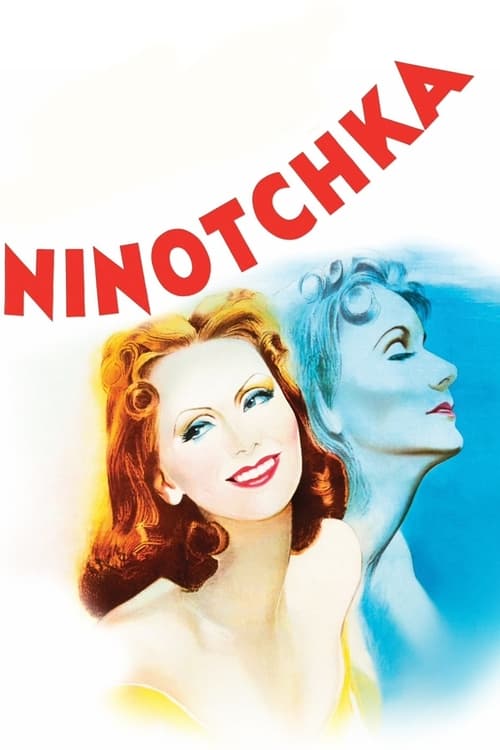
Ninotchka holds a high-ranking position with significant political influence. Her journey towards romance highlights her personal autonomy rather than a retreat into domestic life.
Juliette challenges mid-century gender hierarchies by taking a leading role in driving her own desires. She rejects submissive roles, forcing male characters to respond to her actions.
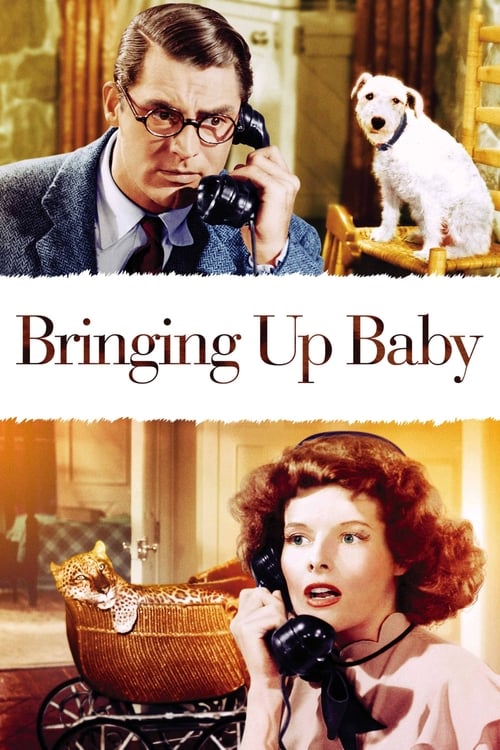
Susan Vance is portrayed as an assertive, intelligent character who drives the narrative forward. This contrasts with the 1930s norm by showing the male lead as passive and unstable.
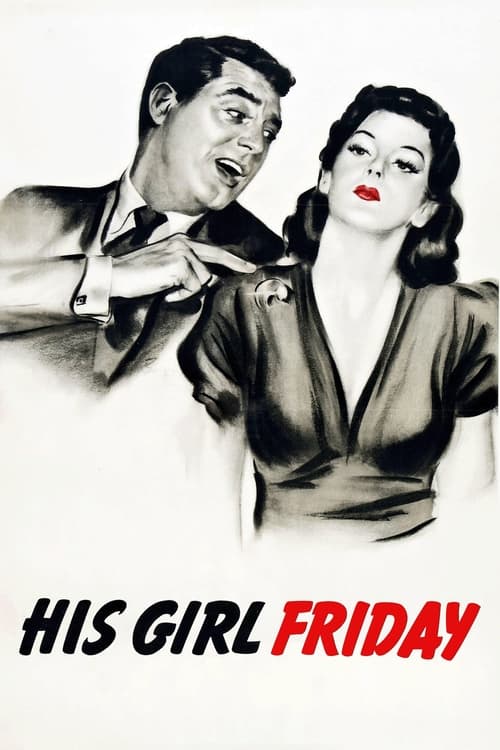
Hildy Johnson stands out as a highly skilled journalist who matches the male characters in intellect and verbal dexterity, challenging the gender hierarchies of the time.
1943
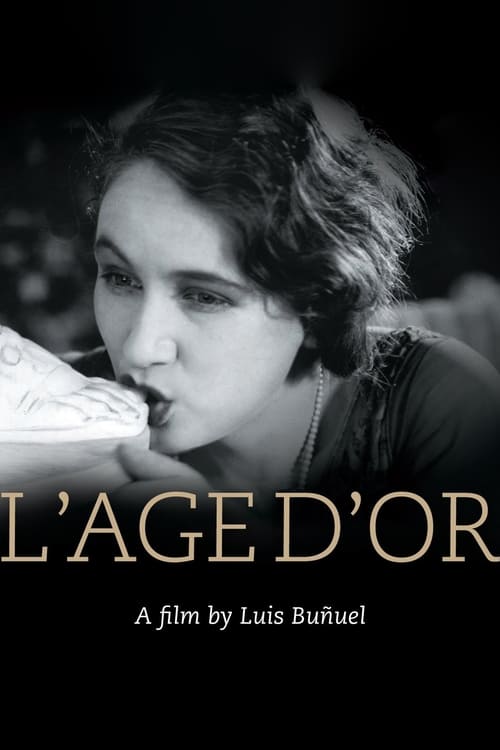
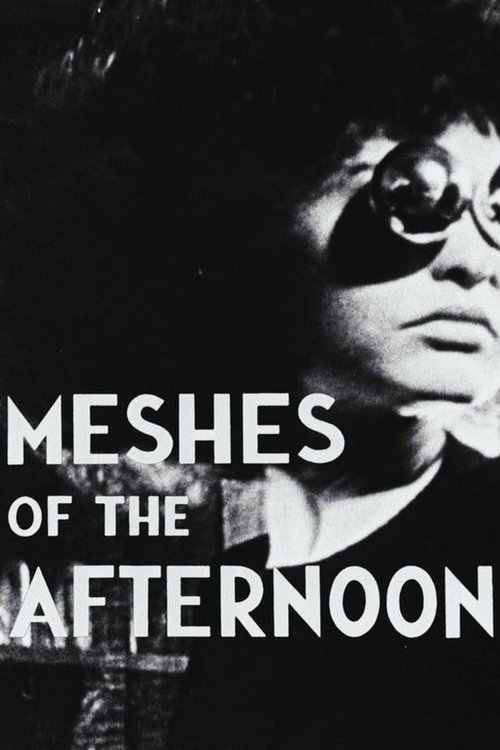
Not RatedThe film centers the female perspective and subjectivity, challenging traditional gender roles. The protagonist has total control over the dream-like narrative, subverting the passive female stereotype.
Jean challenges traditional gender roles by possessing superior intellect and strategic skills. She drives the plot while the male lead, Charles, remains passive and less capable.
Amanda disrupts mid-century gender hierarchies by serving as a high-profile female lawyer. The film asserts female intellectual parity in the legal arena, challenging the traditional domestic role of women.
Sugarpuss O'Shea disrupts the patriarchal academic order with her significant role and verbal autonomy. She challenges traditional damsel-in-distress stereotypes through intellectual equality.
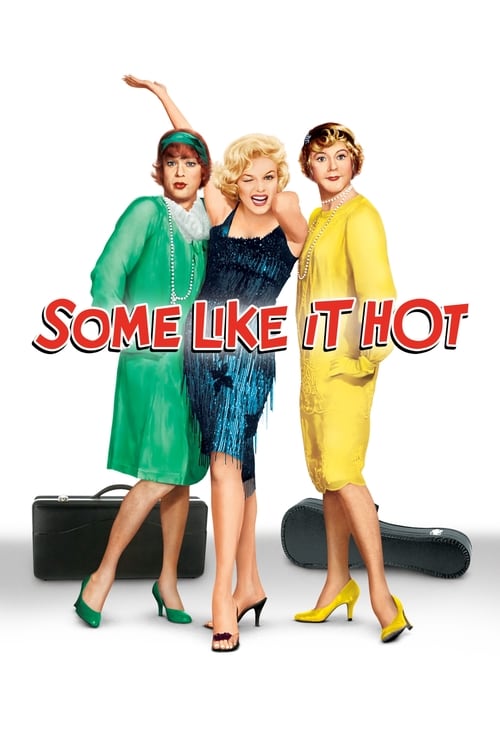
The narrative upends traditional gender roles by having male characters navigate the world through a feminine perspective. Sugar plays a significant role, and the film passes the Bechdel test.
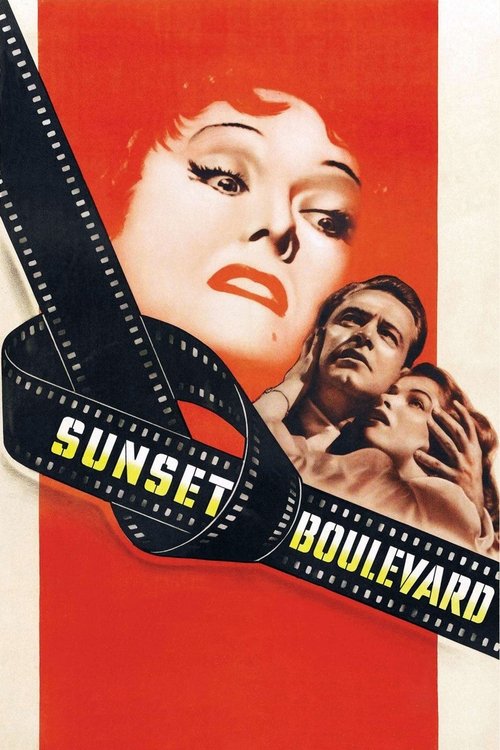
Norma Desmond challenges traditional gender roles by exerting absolute economic and psychological power. Joe Gillis, however, lacks significant control over his fate, disrupting the typical men's control over the story expected in mid-century films.
Marie 'Slim' Browning challenges the gender norms of the 1940s through her intelligence and independence. She matches the male lead in wit and intellect, breaking away from passive stereotypes to engage in equal dialogue.
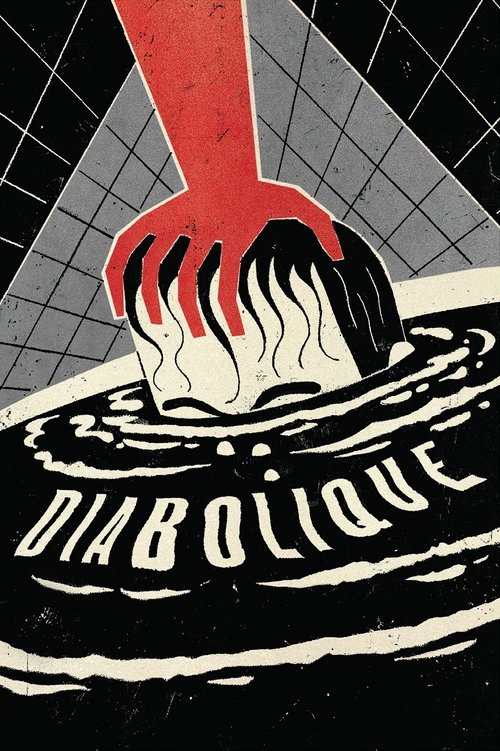
Veronika defies the idealized female archetype by showing strong psychological depth and emotional instability. The story highlights her flaws and survival instincts rather than portraying her as a purely sacrificial figure.
Annie Laurie Starr challenges typical 1950s stereotypes by being the main driver of the plot. She plays a significant role in pushing the criminal storyline forward and holds a strong influence over Bart Tare.
Ellen Berent challenges traditional gender roles by being a source of chaos and lethal instability, disrupting the typical nurturing wife stereotype.
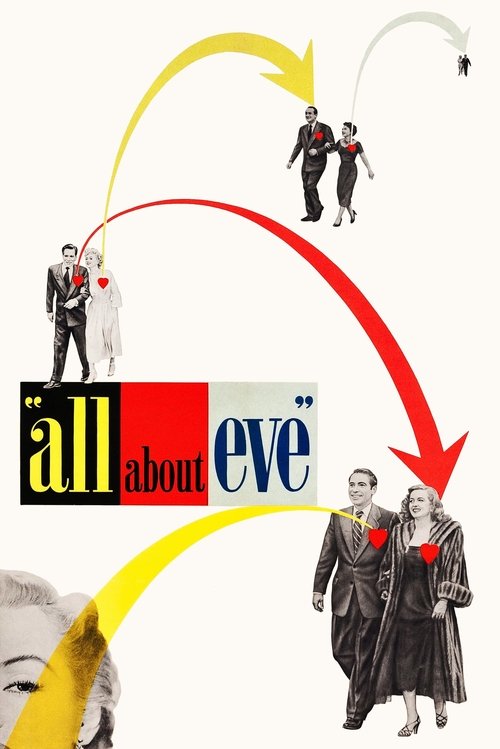
The narrative emphasizes the professional and personal ambitions of women, particularly Margo Channing, who is a strong and influential character. The film passes the Bechdel test, featuring substantial conversations between women.
Women play a significant role in driving the story, orchestrating a conspiracy to undermine patriarchal authority. The narrative challenges traditional hierarchies by making the dominant male figure vulnerable to female strategic maneuvers.
1953
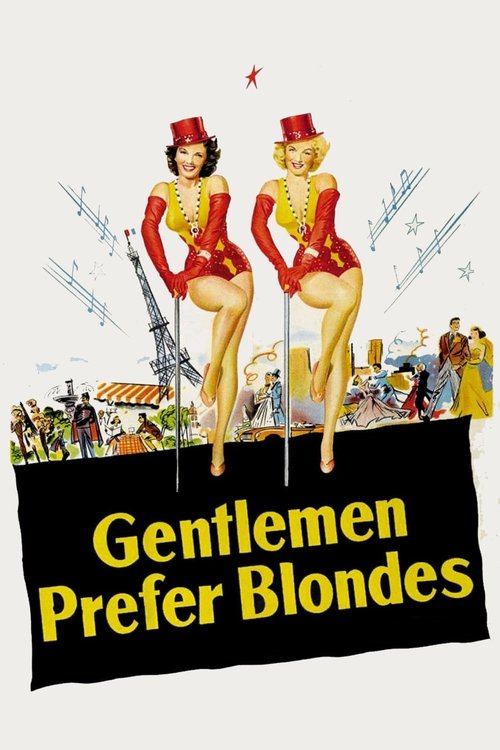
ApprovedLorelei Lee and Dorothy Shaw play significant roles in driving the story through strategic courtship in a patriarchal system. The film passes the Bechdel test, highlighting the protagonists' friendship and shared goals.
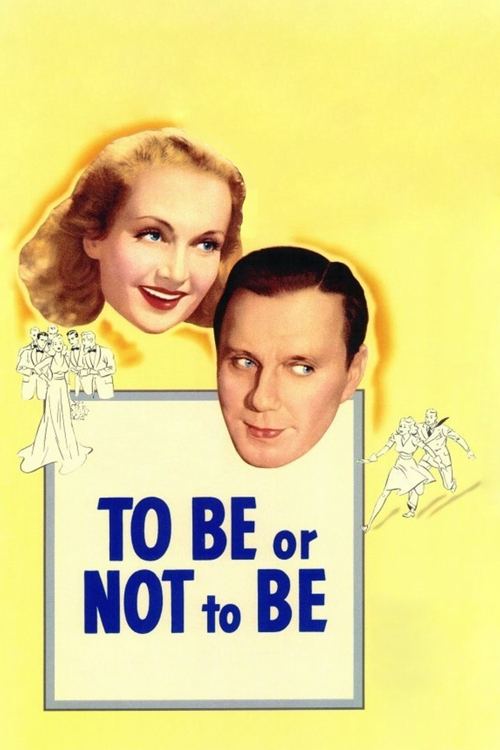
Female characters in the acting troupe show a significant role in driving the story and strategic thinking. Characters like Josefina avoid typical submissive roles, acting as competent and crucial members of the resistance.
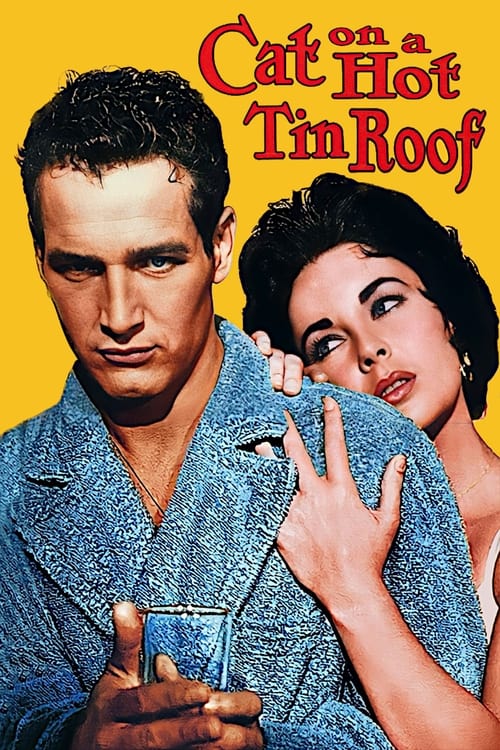
Maggie challenges traditional submissive roles through her sexual assertiveness and strategic intellect, while Brick's emotional withdrawal subverts the expected masculine provider archetype.
The story focuses on an all-female cast, emphasizing their internal struggles and ability to act. It avoids traditional domestic roles, instead highlighting female leadership and resistance against restrictive hierarchies.
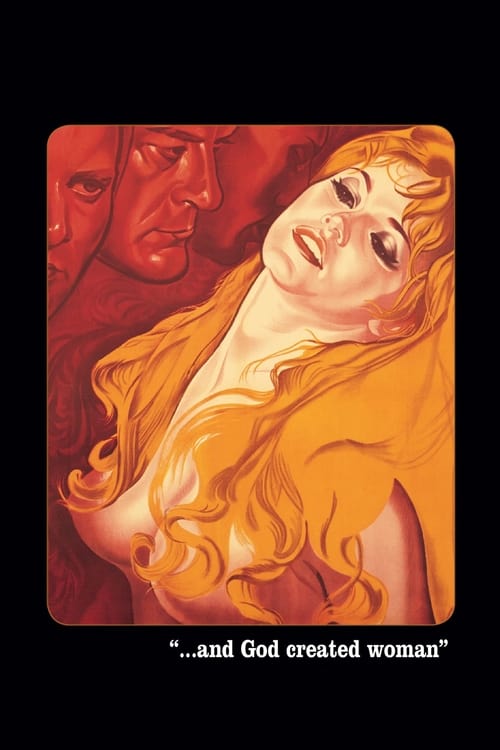
Monika challenges 1950s gender roles by playing a significant role in driving the story and showing emotional independence. Her relationship with Bengt upends traditional masculine dominance.
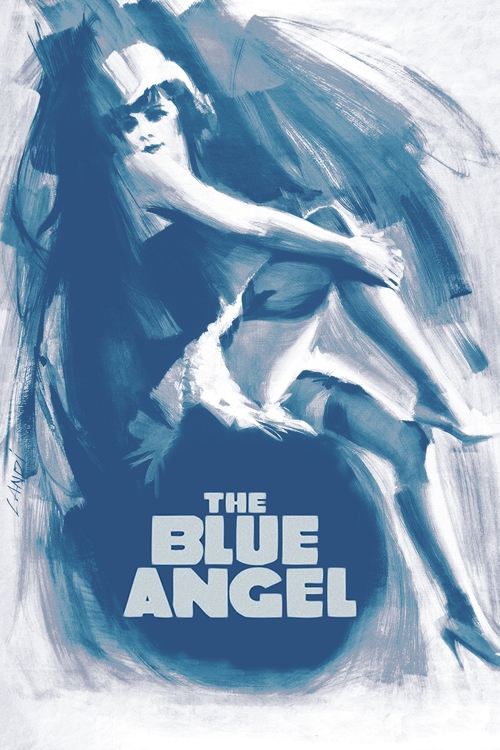
The narrative challenges traditional gender hierarchies by dismantling Professor Rath's patriarchal authority. Lola Lola asserts herself through sexual autonomy and emotional detachment.
Women are shown as active participants in a struggle against systemic oppression. The narrative highlights female empowerment and challenges traditional gender roles by presenting social conformity as absurd.
The narrative challenges traditional hierarchies by removing the male presence from the primary psychological battlefield. It focuses on an intense power struggle and active roles between female characters.
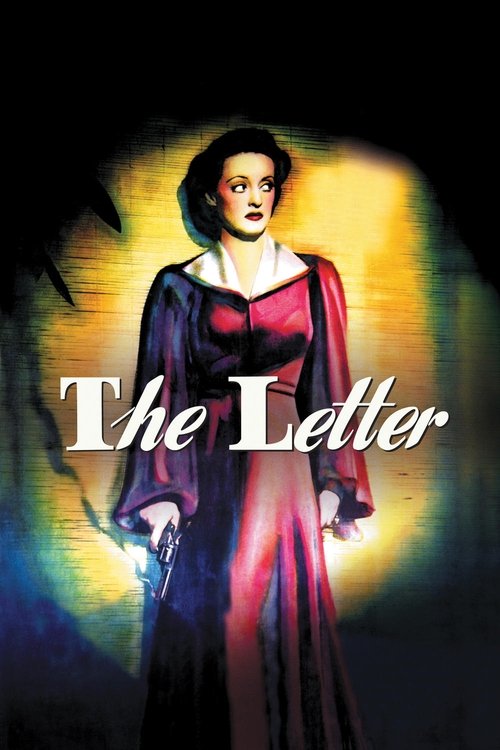
Leslie Crosby breaks away from mid-century femininity by taking a leading role in driving the plot through her assertive, decisive, and sometimes violent actions.
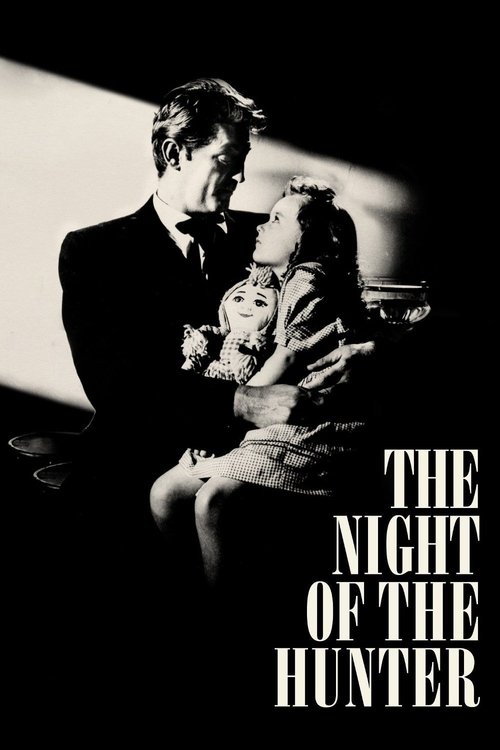
Rachel Cooper is the main protector and moral guide. She challenges mid-century stereotypes by being a strong guardian instead of a passive recipient of male protection.
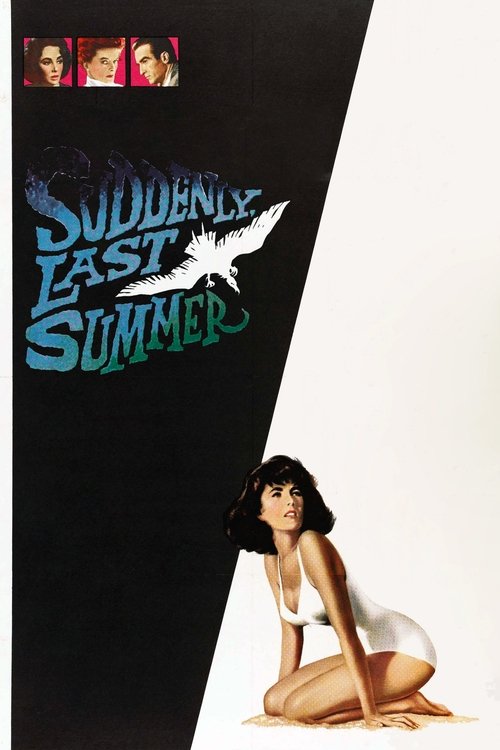
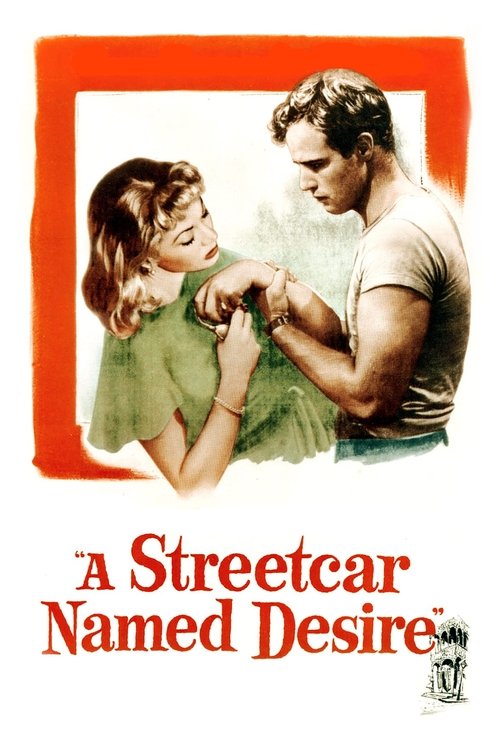
The story challenges traditional gender roles by portraying the Southern Belle as vulnerable and the hyper-masculine character as predatory. It highlights the dangers faced by women in a patriarchal society.
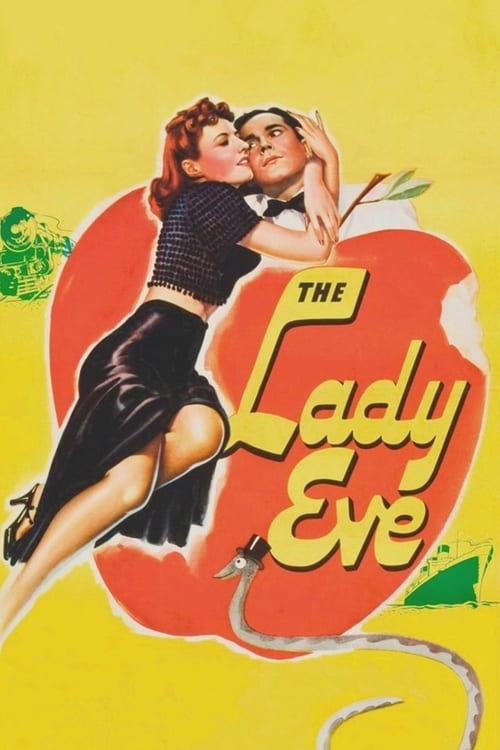
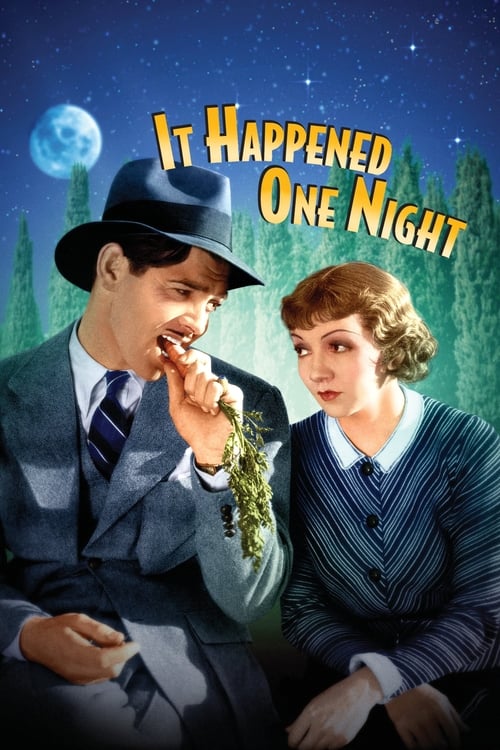
Ellen Andrews transforms from a sheltered person into an independent individual. Her relationship with Peter Warne challenges traditional gender power imbalances by presenting them as intellectual and emotional equals.
Cleopatra subverts traditional feminine stereotypes by being a calculating and predatory character. She holds significant power and intellect within the story.
Elizabeth subverts typical damsel-in-distress clichés with her manic, intelligent presence. The film explores the creation of womanhood as a complex scientific endeavor rather than a traditional domestic role.
Lady Asaji challenges traditional gender roles by serving as the main psychological driver of the plot. Her strategic actions position women as key figures in the story's development.
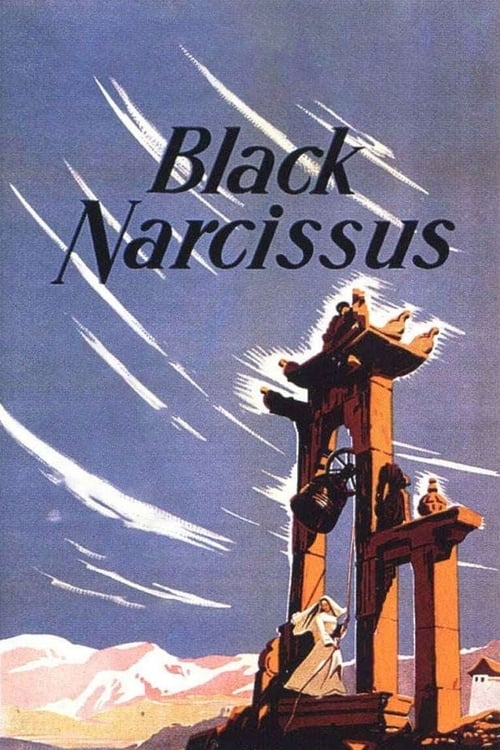
Pina emerges as a central narrative force rather than a submissive figure. Her active role in the resistance challenges the idea of women as passive observers.
The narrative centers the female protagonist's intellectual role, avoiding typical gender stereotypes. She drives the story with her intelligence and emotional depth.
Rose challenges the status quo of the 1950s by showing strong ability to act and assertiveness. The story avoids the usual male leader stereotype, focusing instead on the intelligence and decisiveness of female characters.
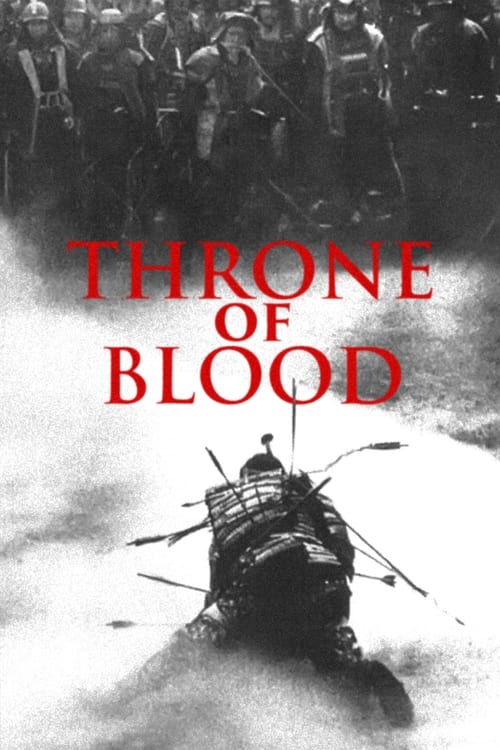
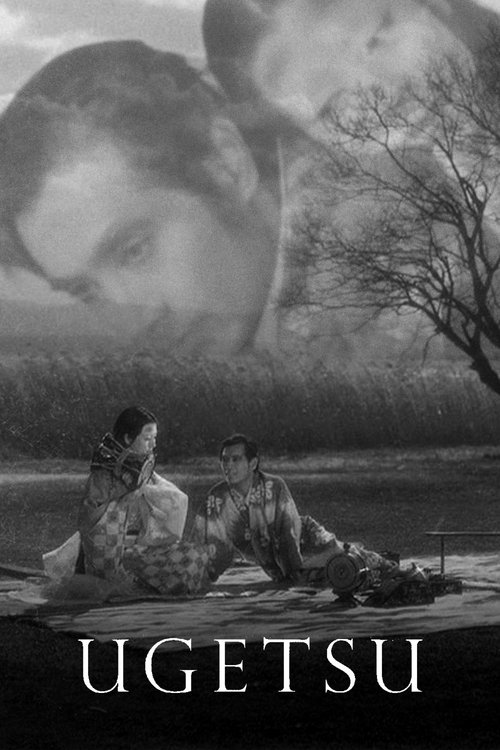
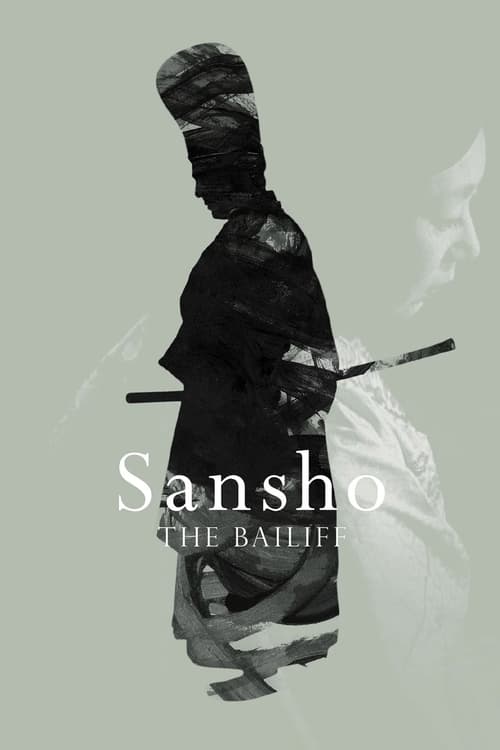
The story challenges typical male hero roles by showing male ambition as harmful. Instead, it focuses on the strength and hardship of wives Miyagi and Ohama.
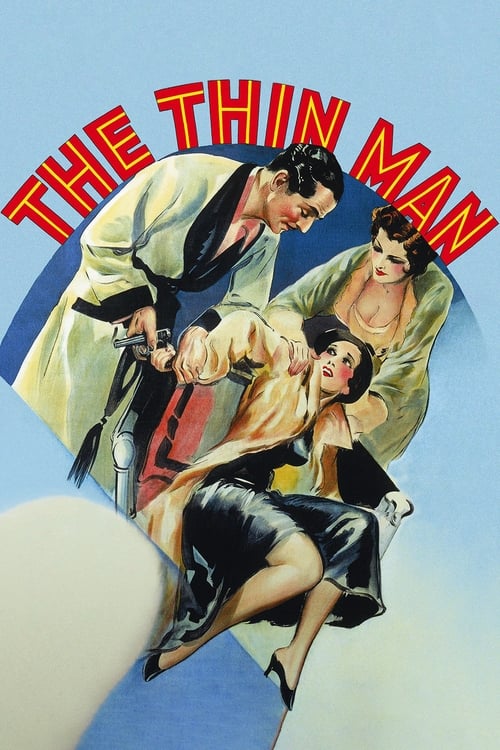
Nora Charles is shown as an intellectual and social equal to her husband. She is given a significant role in driving the story and competence in the investigation, avoiding submissive stereotypes.
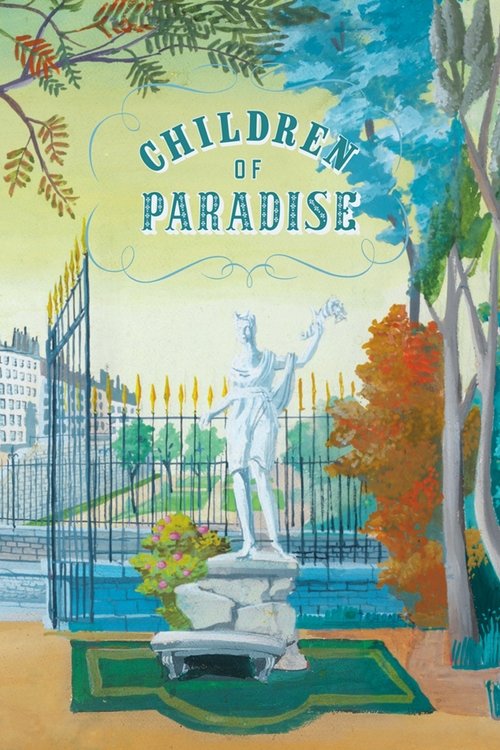
Garance stands out as a strong female lead who exerts a significant role in driving the story and emotional autonomy, disrupting traditional gender roles in a male-dominated environment.
Female characters serve as the emotional and moral backbone, showing great resilience against systemic violence. The narrative challenges patriarchal authority by emphasizing the endurance of the mother and daughter.
Vera challenges traditional gender roles by being assertive and manipulative, driving the plot and influencing the protagonist's actions.
Lucy Warriner is the main driver of the plot, showing significant psychological control. The film challenges the era-specific gender roles by positioning the male lead in a reactive, often inept role.
The narrative challenges mid-century norms by reversing professional power dynamics. Esther Blodgett gains autonomy and dominance, while her male mentor, Norman Maine, loses his authority and becomes dependent.
Female leads such as Mariette Colet and Lily are portrayed as intelligent, strategic, and sexually autonomous. They drive the plot's complexity, challenging traditional views that often see women as passive objects.
Women play key roles in driving the emotional tension of the story, often navigating a male-dominated world through strategic social interactions. The narrative highlights female empowerment rather than passive domestic life.
Gillian Holroyd challenges traditional expectations by being the main driver of the plot. Her supernatural abilities place male characters in a reactive role, disrupting traditional gender hierarchies.
Maddalena stands out as a strong and resilient character who challenges the stereotype of a submissive housewife. The film passes the Bechdel test through conversations between women about economic survival and the commodification of children.
Phyllis Dietrichson upends traditional gender roles by using sexual intelligence and manipulation to drive the plot. She plays a significant role in the story but her power is framed through deceptive means.
The story challenges traditional masculinity by showing the protagonist's emotional weaknesses. Female characters like Marianne play key roles in driving the emotional and intellectual aspects of the plot.
Romaine Vole challenges traditional gender roles by playing a leading role in driving the plot. She uses her intelligence and strategic thinking to outmaneuver the male-dominated legal establishment.
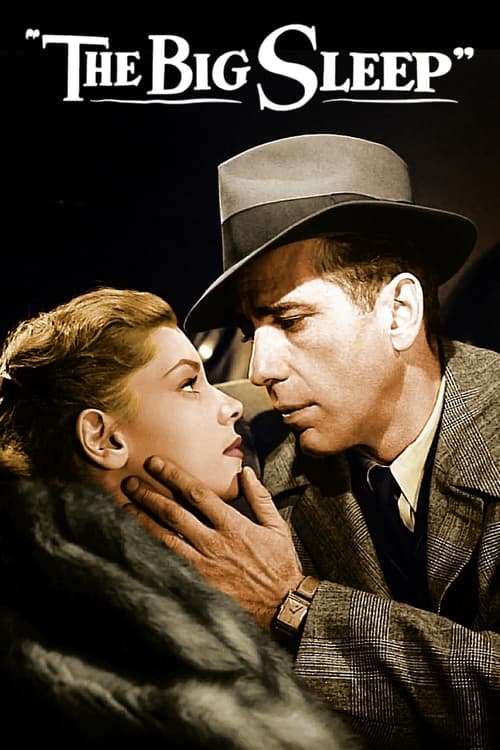
Female characters like Brigid O'Shaughnessy play key roles, challenging traditional gender stereotypes by showing intelligence and assertiveness.
The movie is dominated by a male-centric structure with no female characters, resulting in a lack of gendered ability to act.
Masculinity is portrayed as the primary force driving political authority, while women are shown as passive figures in domestic settings.
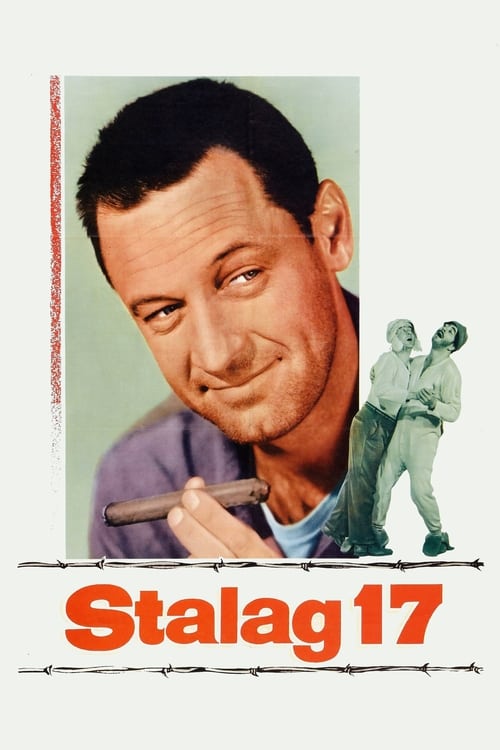
The cast consists entirely of men, with no female characters or perspectives represented. The story unfolds within a male-dominated environment where women have no active roles.
Female characters are portrayed as either submissive heroines or predatory antagonists, lacking personal ability to act and active roles.
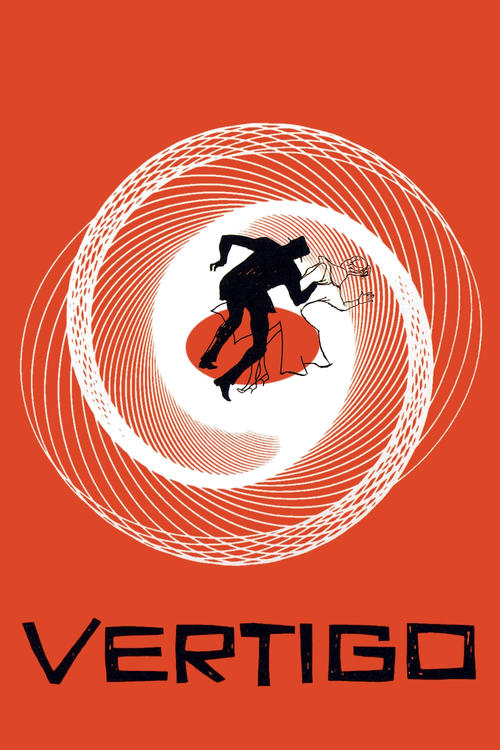
The movie reinforces outdated gender roles where the protagonist tries to reshape female characters to resemble a deceased woman, treating them as objects rather than independent individuals.
The story reinforces traditional gender roles where women are passive and men are active protectors and heroes.
The narrative focuses on a monolithic male environment reflecting 1916 frontline combat. Women are entirely absent from the central plot, leaving the story without women's ability to drive the story.
The story focuses mainly on male characters and their psychological struggles. Women have minor roles and do not significantly influence the plot.
The story follows a traditional patriarchal framework. Women play minimal roles, with the plot centered around a male-dominated industrial environment.
Women are largely absent from the story. The narrative centers on male intellectualism and physical prowess, creating a closed masculine ecosystem.
The cast is limited to male characters, leading to a significant absence of women's ability to drive the story. The film centers its dramatic arc around male interpersonal dynamics.
The film lacks women's ability to drive the story and is driven almost exclusively by male characters, reinforcing a male-centric structure.
Women are entirely absent from the narrative, which means there is no women's ability to drive the story. The story focuses on various aspects of masculinity without challenging traditional gender roles.
The story centers around male rivalry and frontier masculinity, relegating women to minor, domestic roles with little influence on the plot.
The story is heavily male-dominated, leaving female characters with very little influence. A local peasant girl appears, but she mainly serves as a plot device.
The film features an all-male cast with no female characters. It emphasizes traditional masculine roles and hierarchies within a patriarchal structure.
The story focuses mainly on male characters within the military hierarchy. Women are present but have minimal roles and little influence over the plot.
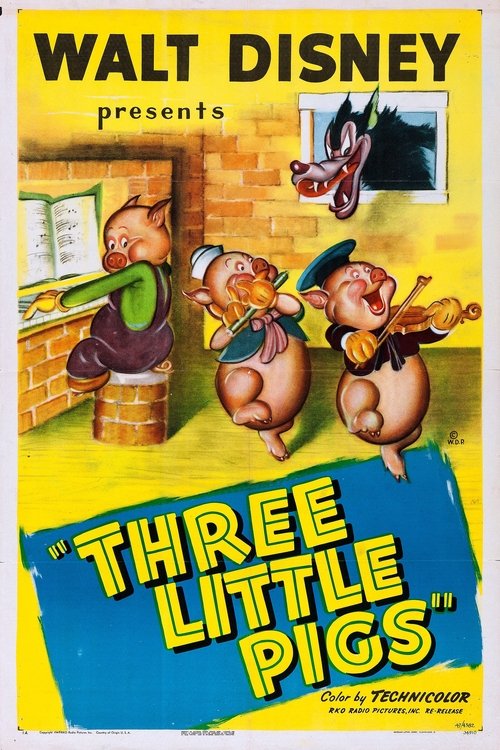
The cast consists of male characters only, featuring the three pigs and the wolf. There are no female characters to challenge traditional gender roles.
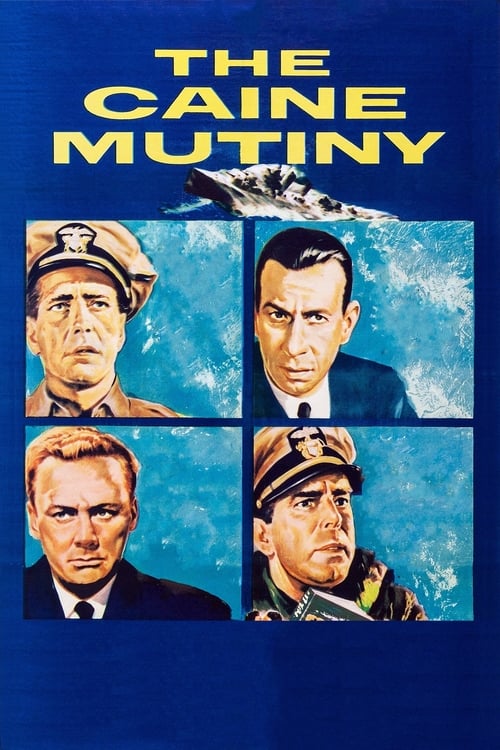
The story focuses primarily on male characters and their interactions within a naval setting. Female characters play minor roles as social catalysts rather than central figures.
The story centers around male characters, with females playing minor roles and lacking significant influence on the plot.
The story is centered almost entirely on male characters and does not explore different gender roles or challenge traditional masculinity.
Male characters like Professor Lindenbrook have the majority of the ability to act and drive the plot, while female characters play supporting roles and serve mainly as motivation for the male characters.
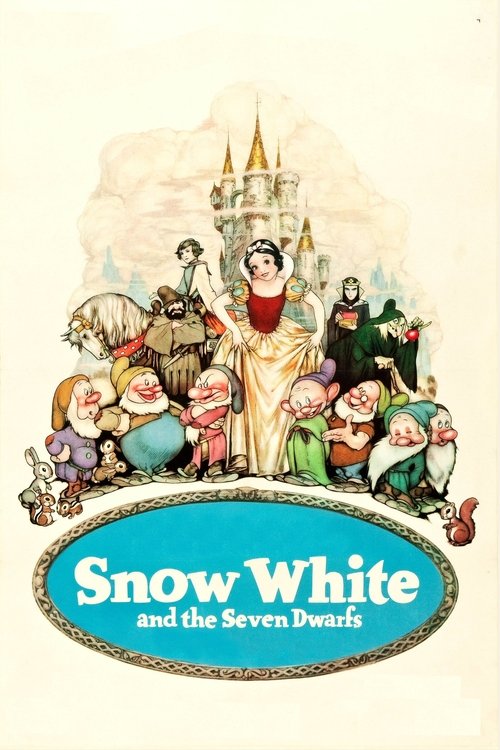
1938
GSnow White is defined by domesticity and passivity, often serving as a damsel in distress. Female power, seen in the Queen, is coded as villainous and driven by vanity.
The narrative operates within a traditional patriarchal framework where men play a central role. Village women are largely confined to domestic duties or serve as emotional support.
Female characters such as Miriam and Esther mainly serve as emotional support for the male characters. They do not play a significant role in driving the main plot, which is centered around male conflicts.
The narrative is driven by men's control over the story within the police and criminal syndicates. Women are relegated to the periphery, appearing primarily as victims or secondary figures.
Female characters such as Elizabeth serve mainly as emotional anchors or narrative catalysts. They have limited control over their own stories and primarily support the male protagonists.
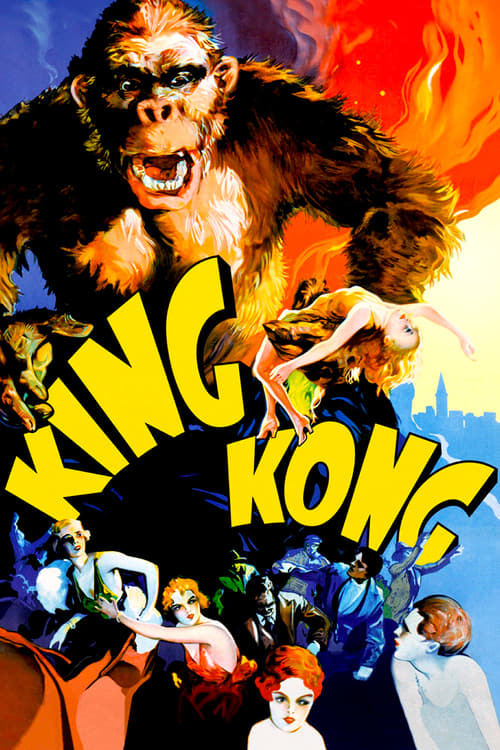
Ann Darrow is portrayed as a passive damsel in distress, serving mainly as an object for both the creature and the male protagonists. Narrative ability to act is almost entirely with the men.
Female characters mainly serve as domestic figures or victims of violence, having limited influence over the plot.
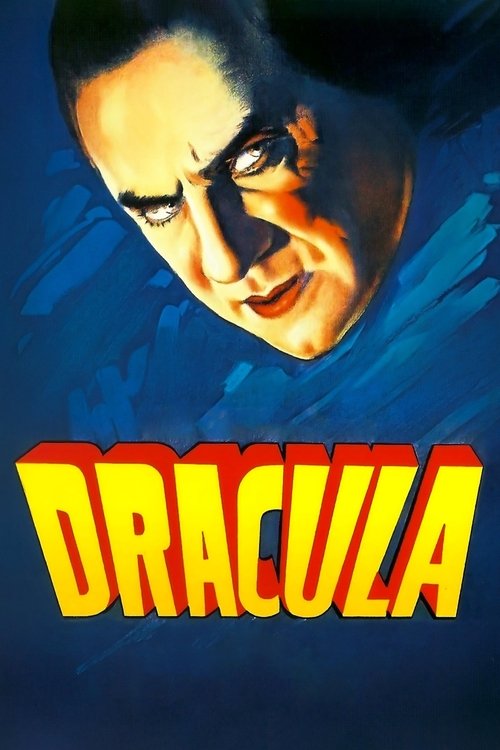
Female characters such as Mina and Lucy are portrayed as vulnerable subjects. They lack meaningful conversations with each other, failing the Bechdel test.
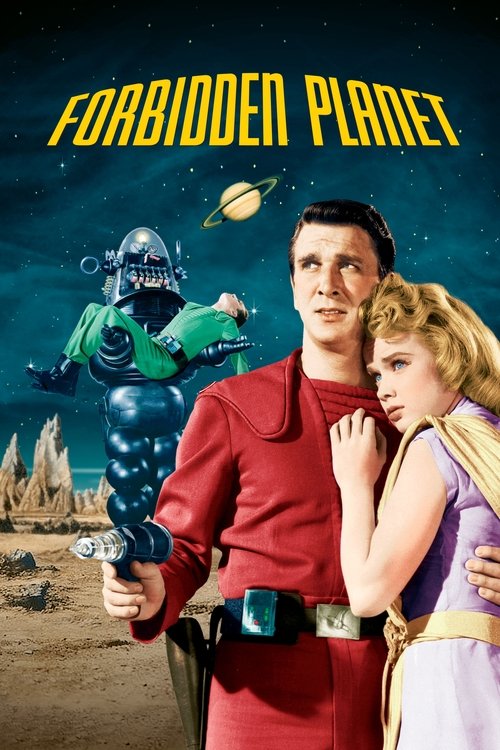
Gender hierarchies are emphasized through Commander Adams' authoritative role. The female character, Altaira, serves mainly as a romantic interest and does not pass the Bechdel test.
Women are primarily shown in domestic settings and do not play significant roles in driving the plot.
Male characters in military and scientific roles have the most influence, while female characters are often relegated to supportive or reactive roles, serving as emotional anchors or figures needing protection.
Female characters such as Lucy and Mina have little control over their own lives, often needing protection from men.
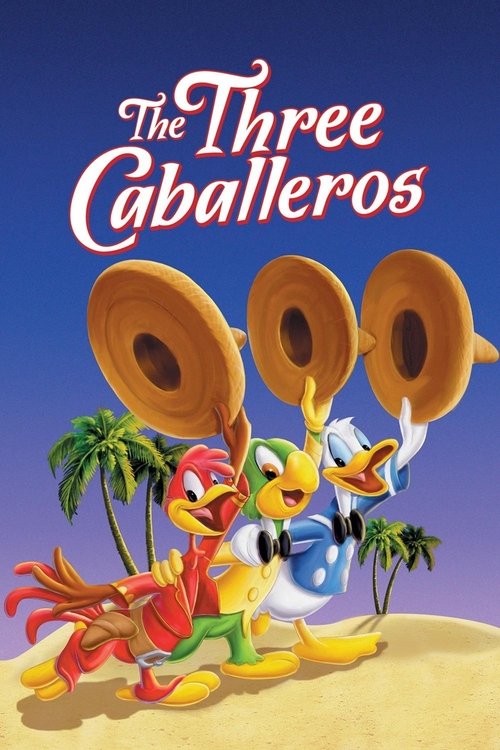
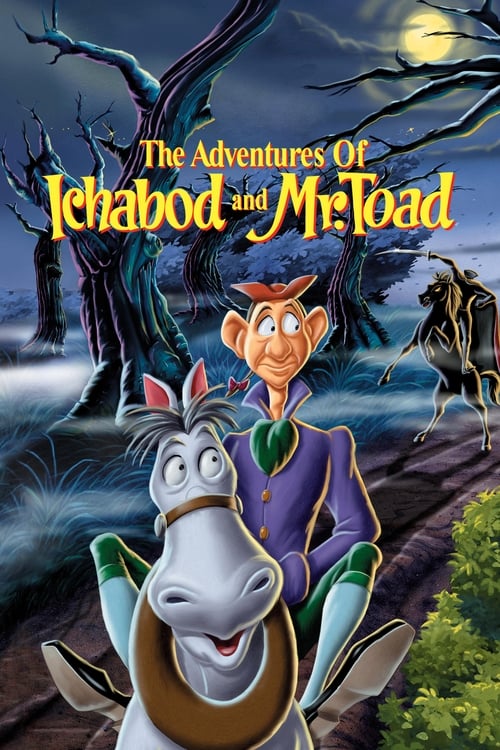
Gender roles are traditional, with women often serving as prizes for male competition. The Wind in the Willows segment emphasizes a male-dominated social circle.
Gender roles are traditional. Female characters mainly serve to advance the protagonist's emotional journey rather than being active agents themselves.
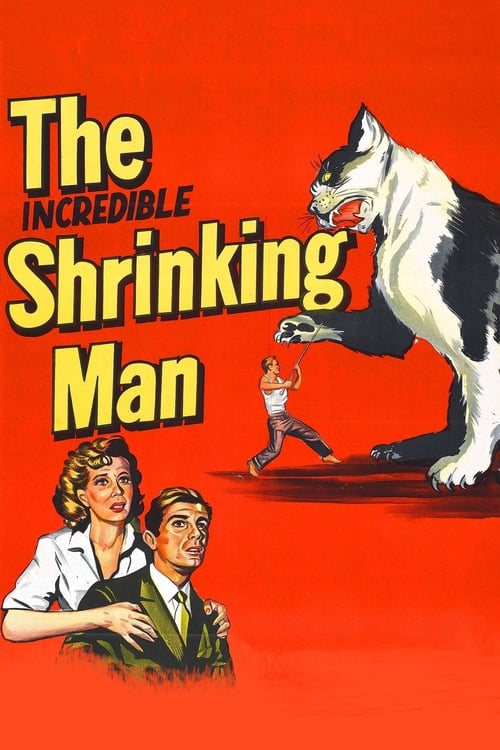
Female characters act primarily as emotional anchors and domestic supporters. Their roles remain reactive, defined largely by their relationship to the protagonist's physical decline.
The story emphasizes masculine traits and physical strength, with male characters driving the plot. Female characters have limited roles and do not significantly impact the main storyline.
Women in the film are shown mainly in domestic or supporting roles, providing emotional support to the male characters. The story emphasizes male leadership and physical strength rather than giving women significant roles.
The story focuses on a strictly patriarchal environment where women are mostly absent, serving only as distant memories or motivations rather than active participants.
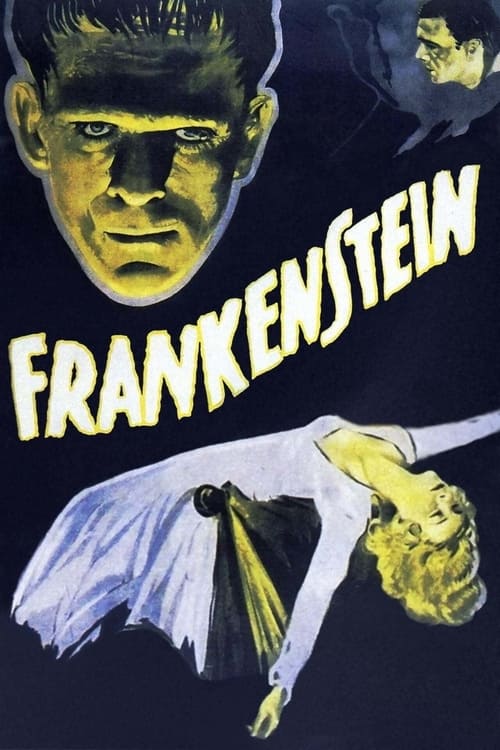
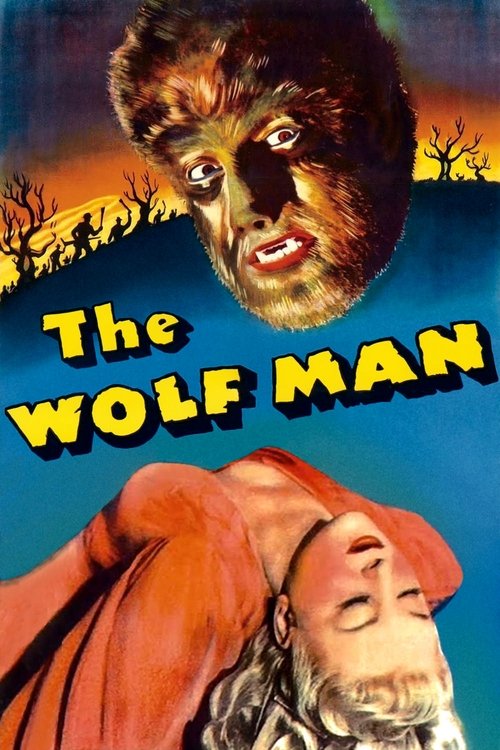
Women in the film mainly serve as supporting characters or victims within a Gothic setting. The main conflict revolves around male intellect and scientific arrogance.
The story is driven by male characters in military and scientific roles. Female characters have minimal influence and play a minor role in the narrative.
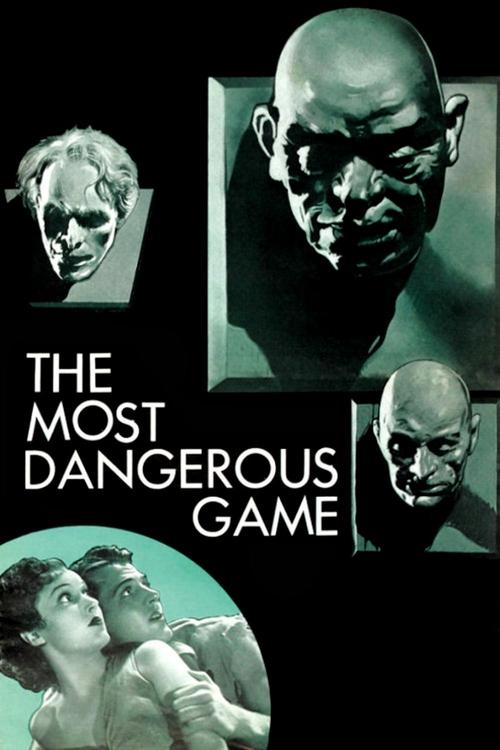
The story focuses on masculine conflict between Rainsford and Zaroff. Female characters such as Eve Towbridge play minor and passive roles within the survival dynamic.
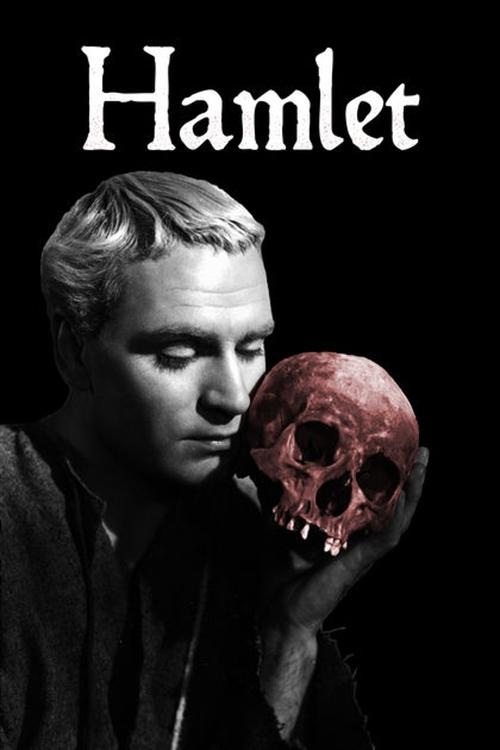
Female characters such as Gertrude and Ophelia mainly serve as catalysts for Hamlet's development. The film fails the Bechdel test, as women's interactions revolve around male characters.
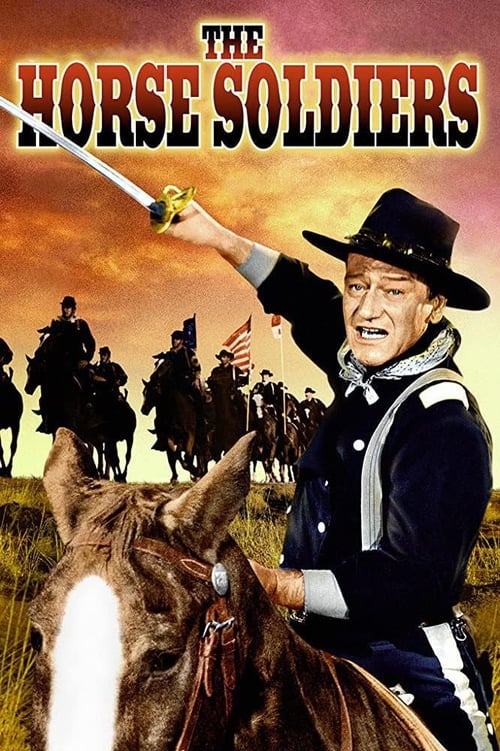
Men hold the majority of power and influence, particularly Colonel Tremaine. Women are portrayed mainly as secondary figures or refugees, reinforcing a strict patriarchal structure and traditional gender roles.
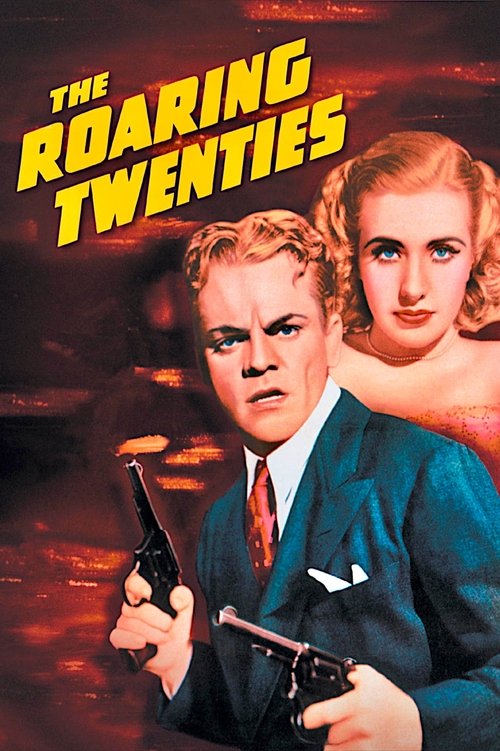
The story focuses mainly on male characters in a criminal underworld. Women are mostly side characters with limited influence on the plot.
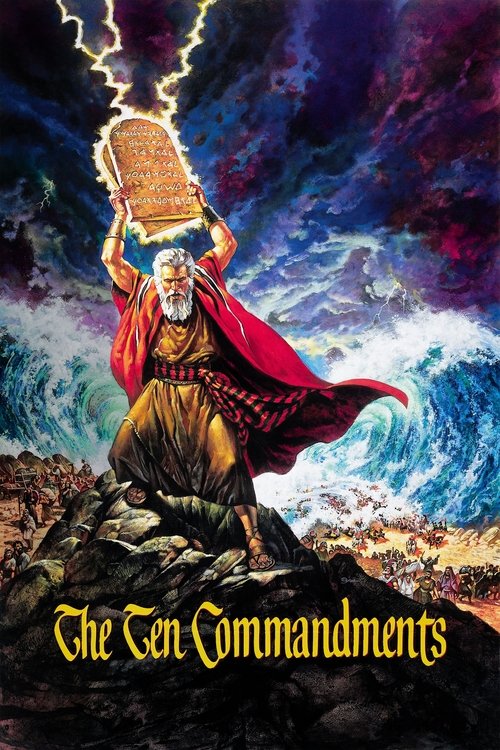
Gender roles in the film reflect mid-20th century hierarchies. Women like Nefretiri have political influence but are confined to domestic or relational roles, while men lead the theological and historical narrative.
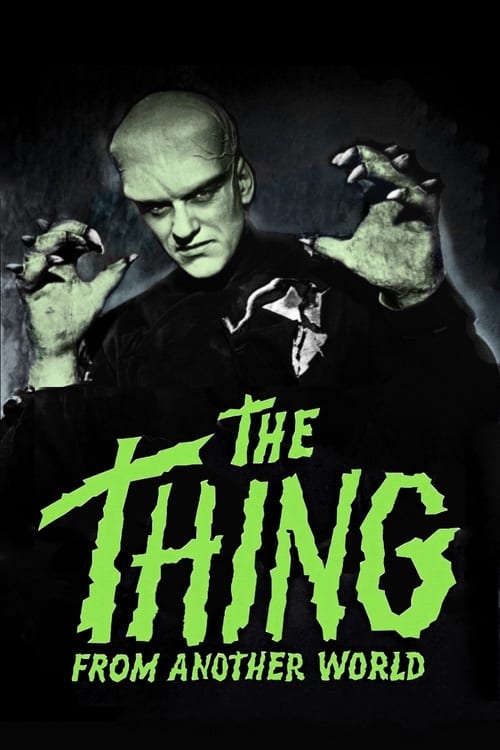
The narrative is dominated by male scientists and military personnel. Female characters play supporting roles within a patriarchal structure.
Women in the film are primarily defined by their relationship to men, appearing as grieving widows or supportive wives. They play passive roles and have little control over the events in the story.
Gender dynamics play a minor role in the main plots. The story centers on a male bear’s autonomy and follows traditional fairy tale structures, without giving much depth to female characters or challenging gender roles.