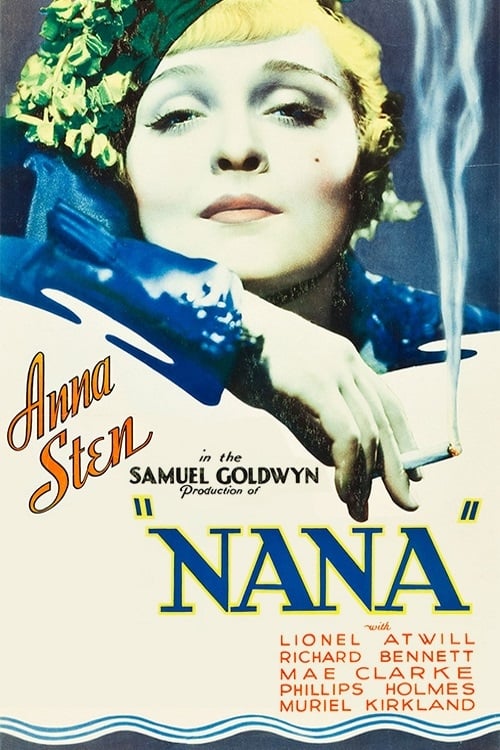
Nana
1934
No user ratings available yet
Representation score: 3.3 out of 10

Representation Score
Limited
1930
NRDirector
Josef von Sternberg
Runtime
108 minutes
Average Rating
No ratings yetNew Showbiz Analysis
The Blue Angel is a powerful examination of power dynamics and social collapse. While it lacks diversity in terms of race and LGBTQ+ identities, it excels at challenging established social structures. The film's strength lies in its aggressive deconstruction of the masculine archetype. By stripping a respected academic of his dignity, the narrative questions the stability of patriarchal institutions. However, the film remains limited by the demographic homogeneity of its era. It primarily critiques class and gender rather than offering a diverse exploration of identity.
Category Breakdown
The film adheres to the assumption that everyone is straight or cisgender. It centers on traditional, yet destructive, romantic pursuits rather than exploring queer identities.
The narrative challenges traditional gender hierarchies by dismantling Professor Rath's patriarchal authority. Lola Lola asserts herself through sexual autonomy and emotional detachment.
The film reflects the demographic homogeneity of its early 20th-century German setting. It lacks engagement with ethnic blending or post-colonial themes.
The story offers a nuanced critique of bourgeois respectability and Western institutions. The cabaret setting provides a space for moral relativism and bohemian existence.
The film does not include characters with visible or invisible disabilities as central plot elements or identity markers.
Present on Screen
Limited or Absent
Official Synopsis
Prim professor Immanuel Rath finds some of his students ogling racy photos of cabaret performer Lola Lola and visits a local club, The Blue Angel, in an attempt to catch them there. Seeing Lola perform, the teacher is filled with lust, eventually resigning his position at the school to marry the young woman. However, his marriage to a coquette -- whose job is to entice men -- proves to be more difficult than Rath imagined.
1934

1929
1920
1931
1935
1922
1934
1933
No reviews yet. Be the first to share your thoughts on this movie!
Use the rating form above to leave a star rating and optional review.