
Three Outlaw Samurai
1964
No user ratings available yet
Representation score: 3.8 out of 10

Representation Score
Fair
1954
Not RatedDirector
Akira Kurosawa
Runtime
207 minutes
Average Rating
No ratings yetNew Showbiz Analysis
Seven Samurai is a masterwork of cinematic structuralism that prioritizes class-based tension over modern identity politics. It succeeds by deconstructing the romanticized hero cliché, instead focusing on the gritty reality of survival and the failures of the ruling class. While the film lacks contemporary representation regarding gender and LGBTQ+ identities, it offers a sophisticated critique of feudal power dynamics. The focus remains on the systemic fractures between the warrior class and the peasantry. Ultimately, the film's strength lies in its nuanced exploration of social hierarchy and the pragmatic necessity of organized vigilantism in a fractured society.
Category Breakdown
The film adheres to the rigid social structures of 16th-century Japan. There is no indication of non-straight relationships or queer subtext within the character arcs.
The narrative operates within a traditional patriarchal framework where men play a central role. Village women are largely confined to domestic duties or serve as emotional support.
The cast is ethnically uniform, which aligns with the historical setting. The film uses social stratification between peasants and warriors to explore identity and belonging.
Kurosawa deconstructs the romanticized myth of the samurai, depicting them as displaced individuals. The narrative highlights a profound class divide and systemic inequality.
The film portrays the physical toll of combat and human vulnerability with realism. Injuries and exhaustion are shown as consequences of conflict rather than explored through specific disabilities.
Present on Screen
Limited or Absent
Official Synopsis
A samurai answers a village's request for protection after he falls on hard times. The town needs protection from bandits, so the samurai gathers six others to help him teach the people how to defend themselves, and the villagers provide the soldiers with food.
1964
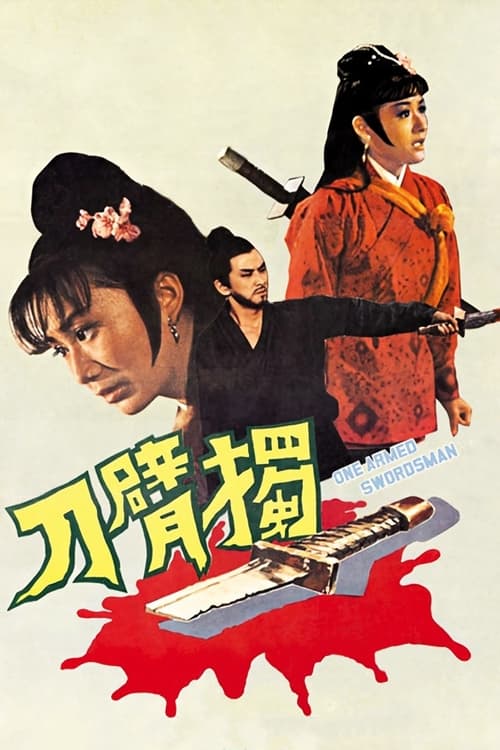
1967
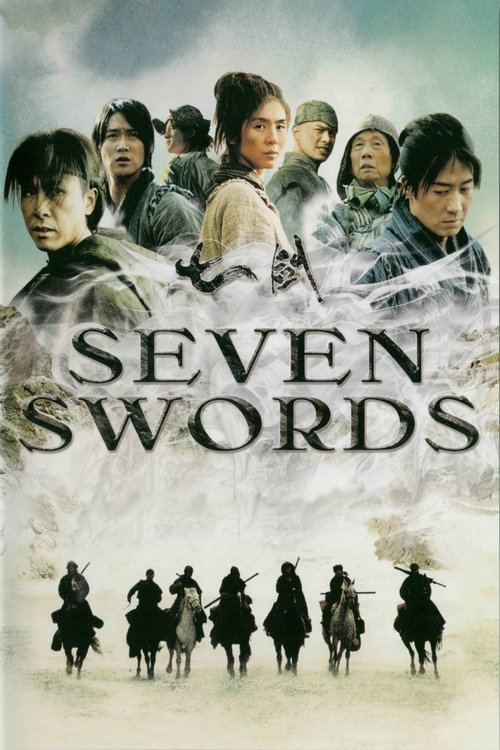
2005
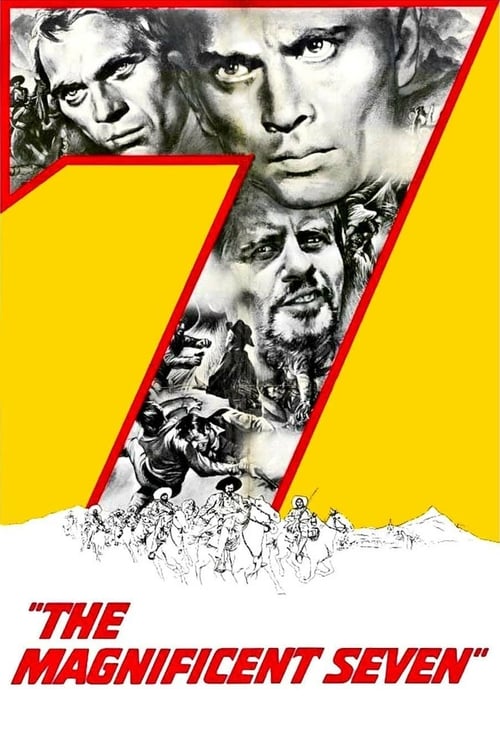
1960
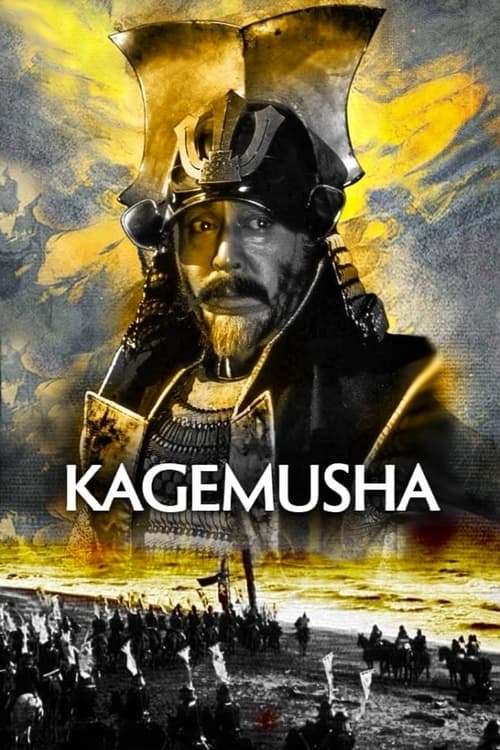
1980

1964
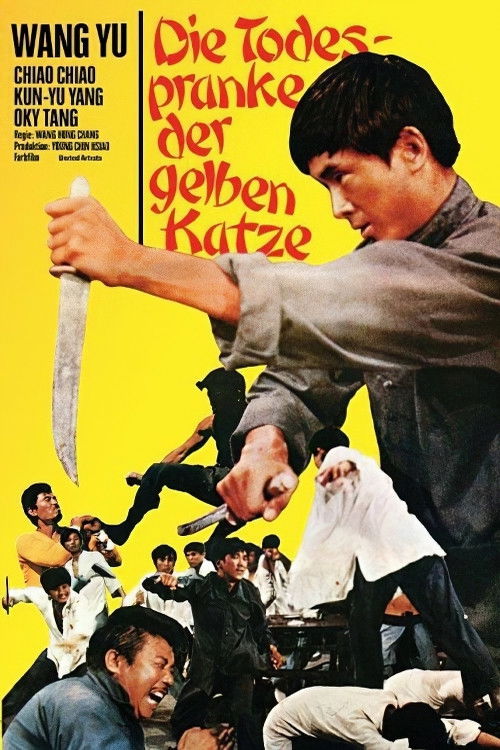
1971
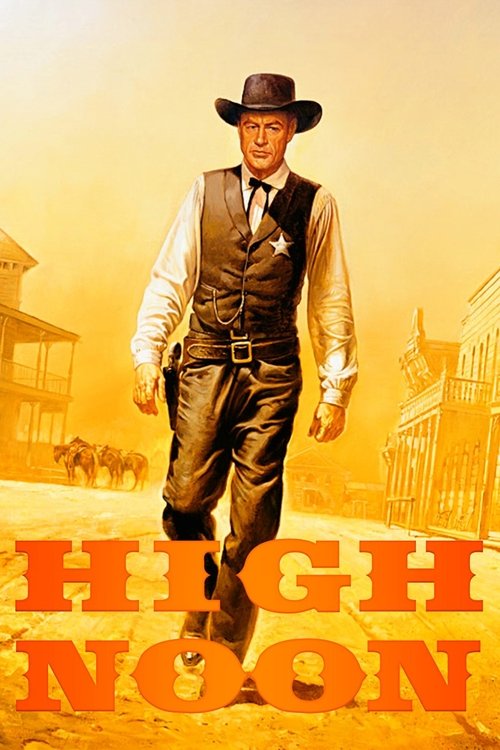
1952
No reviews yet. Be the first to share your thoughts on this movie!
Use the rating form above to leave a star rating and optional review.