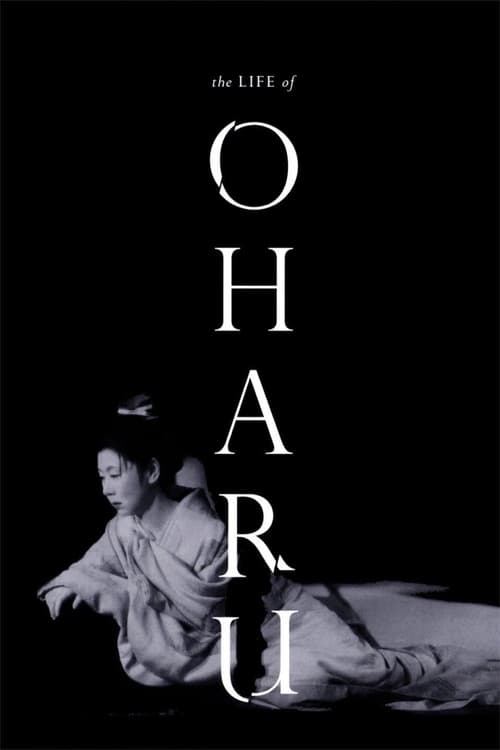
The Life of Oharu
1952
No user ratings available yet
Representation score: 4.4 out of 10
Representation Score
Good
1954
Not RatedDirector
Kenji Mizoguchi
Runtime
124 minutes
Average Rating
No ratings yetNew Showbiz Analysis
Kenji Mizoguchi’s masterpiece serves as a nuanced critique of power structures. By presenting the Heian period's institutions as inherently exploitative, the film avoids glorifying feudalism and instead highlights the human cost of rigid social hierarchies. The narrative excels in its empathetic portrayal of those affected by systemic oppression. It uses individual suffering to critique the broader failures of the state and societal structures. Despite the lack of modern identity-based diversity, the film’s focus on the resilience of women and the struggles of the lower classes offers a profound social commentary.
Category Breakdown
The film centers on a traditional family unit in a feudal society. There are no representations of queer identities or non-cisgender subtexts in this historical context.
Female characters serve as the emotional and moral backbone, showing great resilience against systemic violence. The narrative challenges patriarchal authority by emphasizing the endurance of the mother and daughter.
Set in 11th-century Japan, the cast is ethnically uniform. The film explores themes of class-based discrimination and the socioeconomic hardships faced by its protagonists.
The story critiques institutional power, depicting feudal hierarchies as predatory and corrupt. It prioritizes humanist morality over strict state or religious doctrine.
The film highlights the psychological trauma and physical toll of servitude. While it does not focus specifically on disabilities, it uses character vulnerability to illustrate systemic cruelty.
Present on Screen
Limited or Absent
Official Synopsis
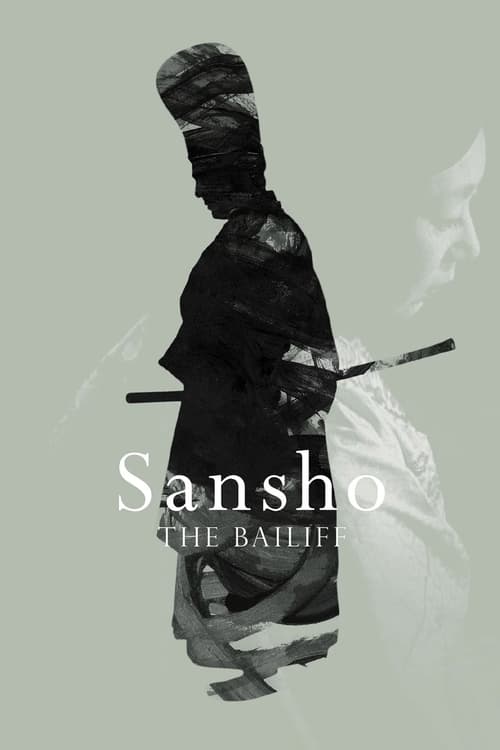
In 11th-century feudal Japan, following the exile of an idealistic governor, his wife and children are separated by slave traders; the children, Zushio and Anju, are sold into brutal servitude under the cruel bailiff Sansho.
1952
1953
1953

1963
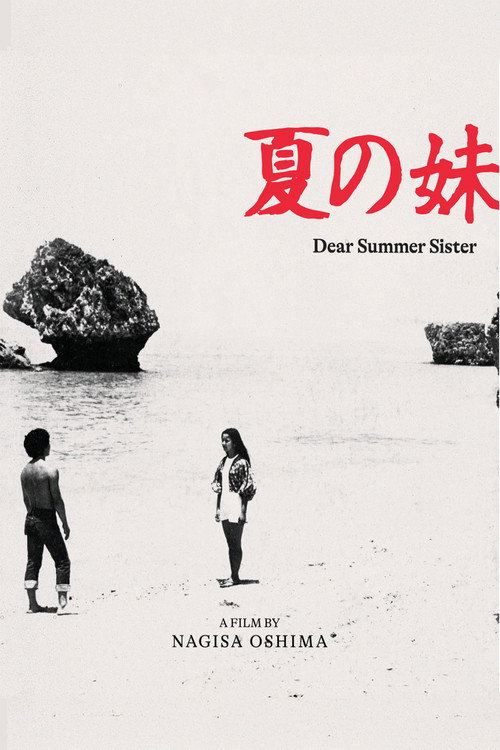
1972
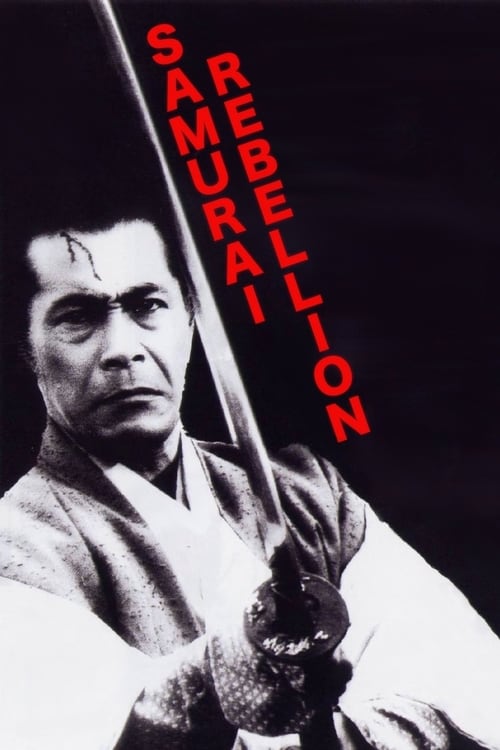
1967
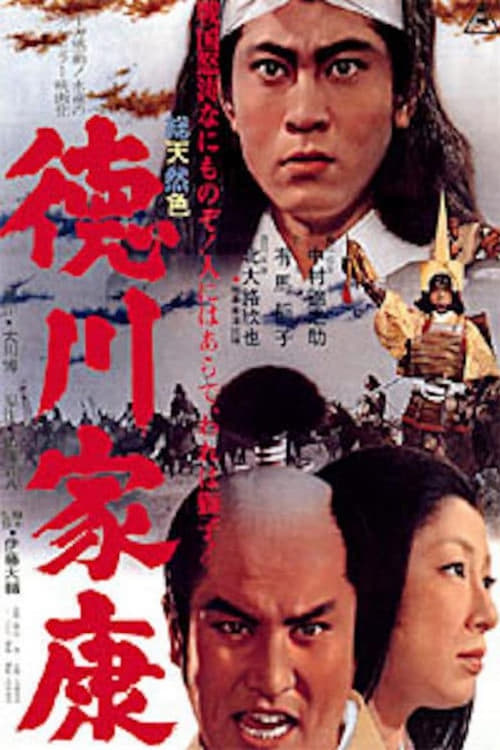
1965
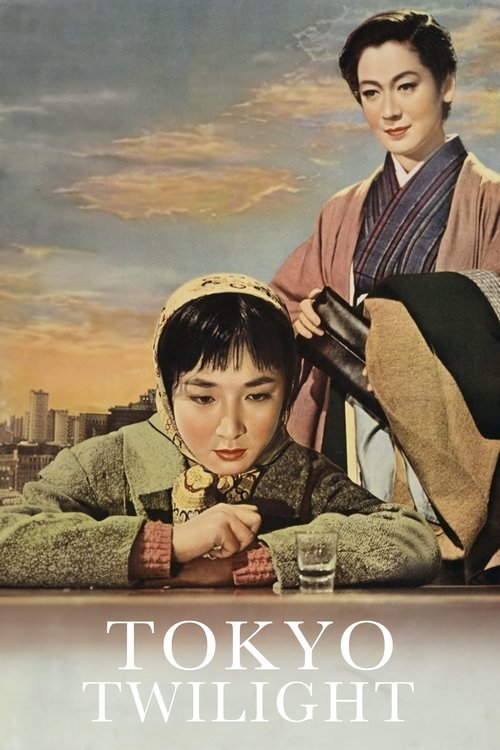
1957
No reviews yet. Be the first to share your thoughts on this movie!
Use the rating form above to leave a star rating and optional review.