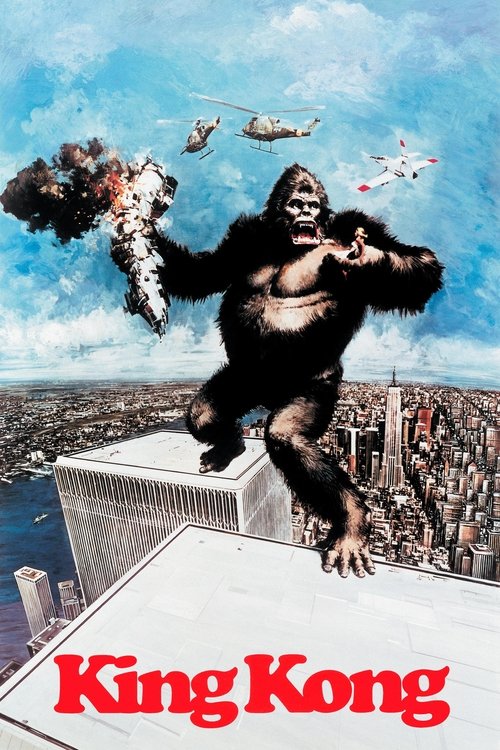
King Kong
1976
No user ratings available yet
Representation score: 3.8 out of 10
Representation Score
Minimal
1933
ApprovedDirector
Merian C. Cooper, Ernest B. Schoedsack
Runtime
100 minutes
Average Rating
No ratings yetNew Showbiz Analysis
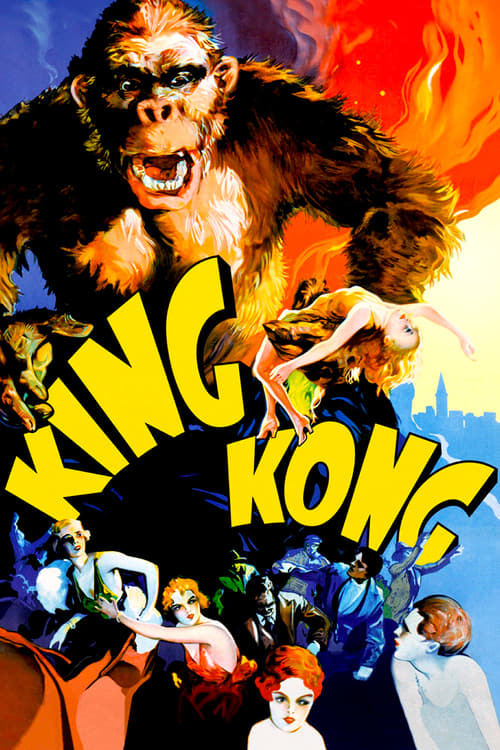
King Kong (1933) is a foundational adventure film that reflects the social constraints of its time. While the film provides a compelling look at the consequences of capitalist greed and colonialist exploitation, these themes are explored through a lens of conquest rather than inclusive representation. The narrative structure is built around traditional hierarchies, with a nearly homogeneous crew and a female lead who functions primarily as a catalyst for male action and protection. Ultimately, the film's impact comes from its spectacle and its critique of Western hubris, even though it fails to offer meaningful representation for underrepresented identities or diverse cultural perspectives.
Category Breakdown
The film does not include any visible LGBTQ+ characters or queer relationships. The social structure is strictly oriented towards straight relationships, following the romantic conventions of the 1930s.
Ann Darrow is portrayed as a passive damsel in distress, serving mainly as an object for both the creature and the male protagonists. Narrative ability to act is almost entirely with the men.
The expeditionary crew is a homogeneous group of white males. The depiction of Skull Island's inhabitants relies on clichés that characterize non-Western cultures as primitive.
The film explores the predatory nature of capitalism through Carl Denham's exploitation of the natural world. It serves as an unintentional critique of colonial expansion and arrogance.
There are no significant depictions of visible or invisible disabilities. No characters with disabilities are used as central plot devices in the narrative.
Present on Screen
Limited or Absent
Official Synopsis
Adventurous filmmaker Carl Denham sets out to produce a motion picture unlike anything the world has seen before. Alongside his leading lady Ann Darrow and his first mate Jack Driscoll, they arrive on an island and discover a legendary creature said to be neither beast nor man. Denham captures the monster to be displayed on Broadway as King Kong, the eighth wonder of the world.
1976
1925
1933

1954
2005

1949
1986

1957
No reviews yet. Be the first to share your thoughts on this movie!
Use the rating form above to leave a star rating and optional review.