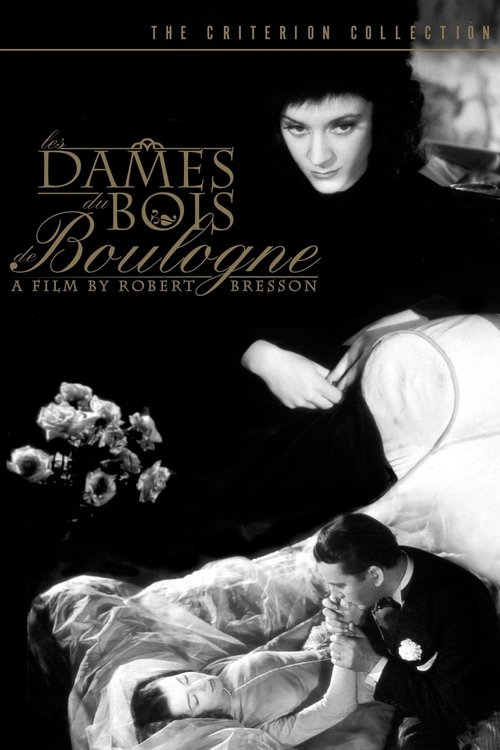
Les Dames du bois de Boulogne
1945
No user ratings available yet
Representation score: 2.5 out of 10
Representation Score
Limited
1945
NRDirector
Marcel Carné
Runtime
190 minutes
Average Rating
No ratings yetNew Showbiz Analysis
Children of Paradise is a masterclass in Poetic Realism that uses a rich, atmospheric setting to explore human ability to act against rigid social structures. While the film lacks modern demographic diversity, it excels in subverting traditional power dynamics through its central female protagonist. The narrative's strength lies in its sophisticated treatment of class and morality. By focusing on the underrepresented inhabitants of the Parisian underworld, the film challenges institutional dictates in favor of individual passion. Ultimately, the film's impact comes from its character-driven exploration of survival and desire, even as it remains bound to the social conventions of its era.
Category Breakdown
The film focuses solely on heterosexual relationships and does not include any queer subtext or non-cisgender identities.
Garance stands out as a strong female lead who exerts a significant role in driving the story and emotional autonomy, disrupting traditional gender roles in a male-dominated environment.
The cast is predominantly white, reflecting a specific historical Parisian context. The narrative emphasizes socioeconomic differences rather than racial or ethnic diversity.
The film examines moral relativism by focusing on characters on the outskirts of respectable society. It critiques rigid social institutions through the lens of the Parisian underworld.
There are no prominent depictions of physical or neurodivergent disabilities that serve as central character traits or drive the narrative.
Present on Screen
Limited or Absent
Official Synopsis
In a chaotic 19th-century Paris teeming with aristocrats, thieves, psychics, and courtesans, theater mime Baptiste is in love with the mysterious actress Garance. But Garance, in turn, is loved by three other men: pretentious actor Frederick, conniving thief Lacenaire, and Count Edouard of Montray.
1945
1962
1944

1952

1986

1956

1950

1935
No reviews yet. Be the first to share your thoughts on this movie!
Use the rating form above to leave a star rating and optional review.