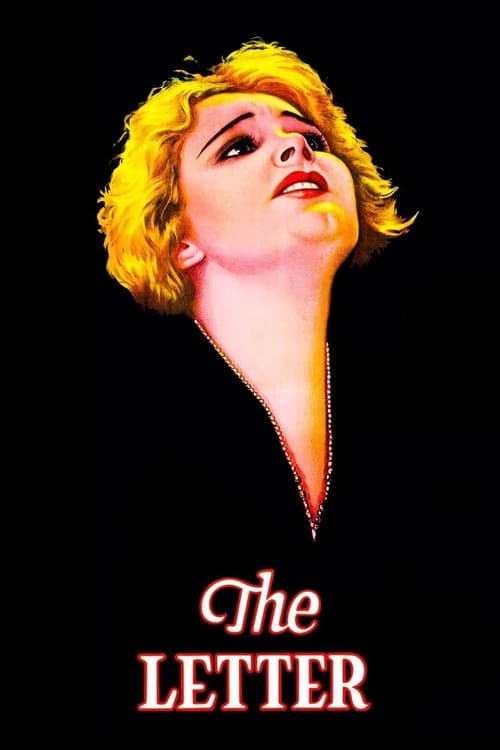
The Letter
1929
No user ratings available yet
Representation score: 0.5 out of 10
Representation Score
Limited
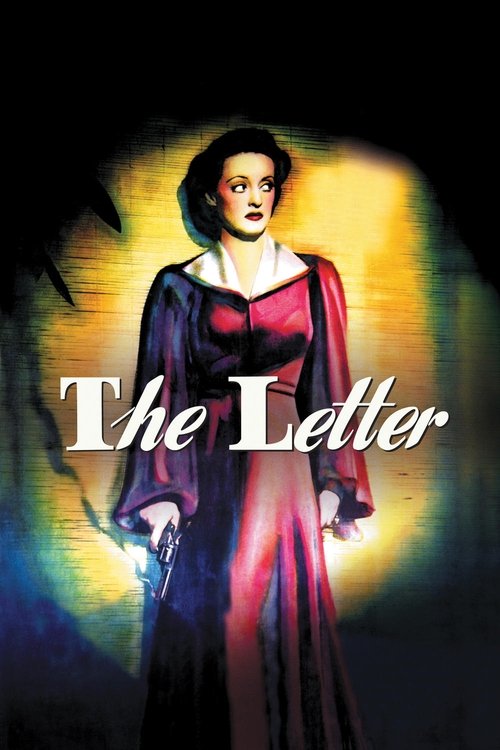
1940
ApprovedDirector
William Wyler
Runtime
95 minutes
Average Rating
No ratings yetNew Showbiz Analysis
The Letter stands out as a sophisticated psychological drama that challenges gendered expectations. By focusing on a woman who exerts significant influence and defies traditional moral norms, the film overturns the passive female stereotypes common in the 1940s. However, this forward-thinking approach is balanced by the film's colonial backdrop. The power dynamics between the French administrators and the local population mirror the hierarchical structures of the time rather than dismantling them. Thus, while the film advances gendered ability to act, it maintains traditional structures in its racial and cultural contexts.
Category Breakdown
The film does not include any LGBTQ+ characters or explore non-straight relationships. It adheres to the era's strict heterosexual norms.
Leslie Crosby breaks away from mid-century femininity by taking a leading role in driving the plot through her assertive, decisive, and sometimes violent actions.
Set in French Indochina, the film presents a colonial setting that establishes a racial hierarchy. Local Vietnamese characters are primarily shown through the lens of the French colonial administration.
The narrative examines the tension between personal morality and state justice but ultimately upholds the authority of the colonial legal system without questioning Western imperialism.
There are no significant representations of physical or neurodivergent disabilities in the main storyline.
Present on Screen
Limited or Absent
Official Synopsis
After a woman shoots a man to death, a damning letter she wrote raises suspicions.
1929
1947
1948
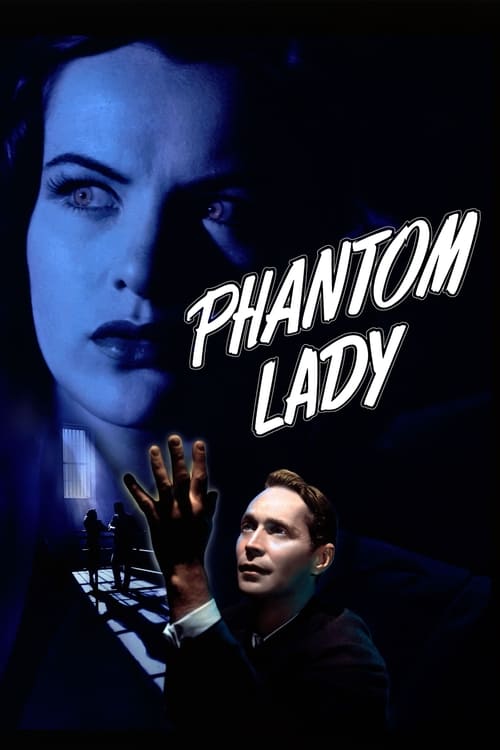
1944
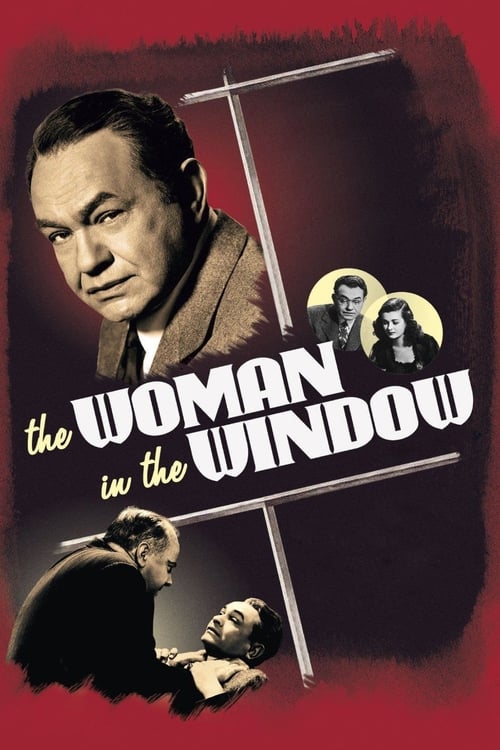
1944
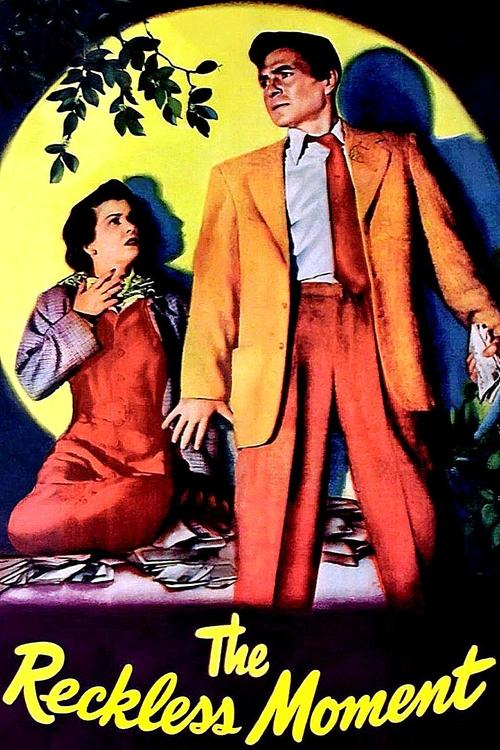
1949

1944
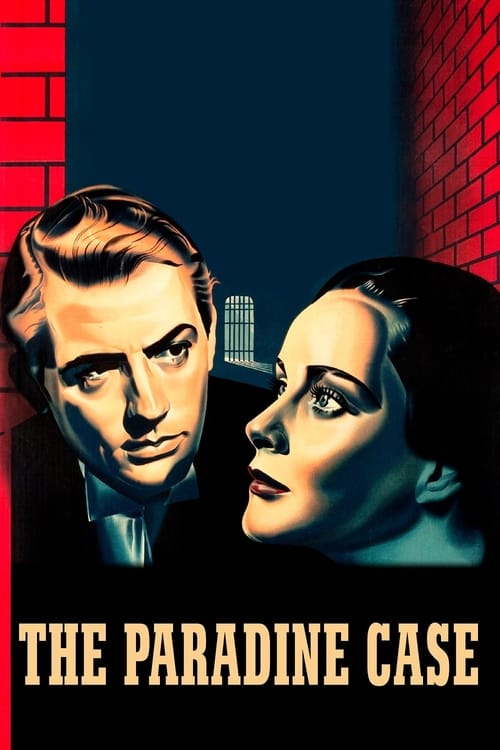
1947
No reviews yet. Be the first to share your thoughts on this movie!
Use the rating form above to leave a star rating and optional review.