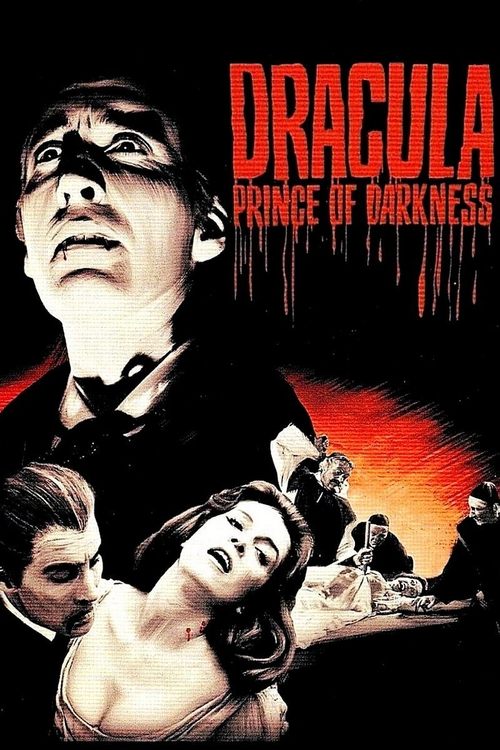
Dracula: Prince of Darkness
1966
No user ratings available yet
Representation score: 0.3 out of 10

Representation Score
Limited
1958
ApprovedDirector
Terence Fisher
Runtime
82 minutes
Average Rating
No ratings yetNew Showbiz Analysis
Dracula (1958) upholds the social and moral hierarchies of its time. The story is centered around a clear distinction between good and evil, supporting the established Western institutional values. The film's representation is limited, with a predominantly white cast and strict adherence to traditional gender roles. Female characters are often passive and in need of rescue by men. Overall, the film emphasizes the preservation of religious and social order against an external threat, without challenging or expanding the demographic scope of its setting.
Category Breakdown
The film doesn't include any non-straight relationships or same-sex intimacy. It focuses on traditional heterosexual relationships.
Female characters such as Lucy and Mina have little control over their own lives, often needing protection from men.
The cast is made up mainly of white actors, and the story doesn't include any characters from different ethnic backgrounds.
The film upholds traditional Western values through Christian imagery and science, presenting the antagonist as a violation of established social and religious norms.
There is no exploration of disability in the film. Physical changes are used to show moral corruption rather than to depict the experiences of disabled individuals.
Present on Screen
Limited or Absent
Official Synopsis
After Jonathan Harker attacks Dracula at his castle, the vampire travels to a nearby city, where he preys on the family of Harker's fiancée. The only one who may be able to protect them is Dr. van Helsing, Harker's friend and fellow-student of vampires, who is determined to destroy Dracula, whatever the cost.
1966
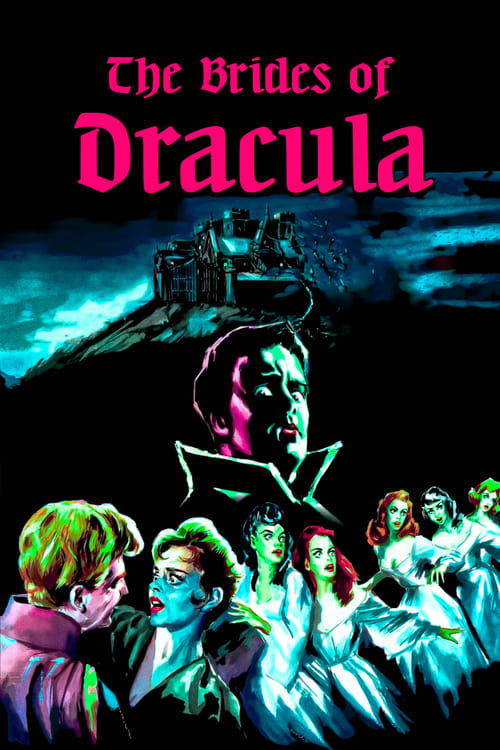
1960
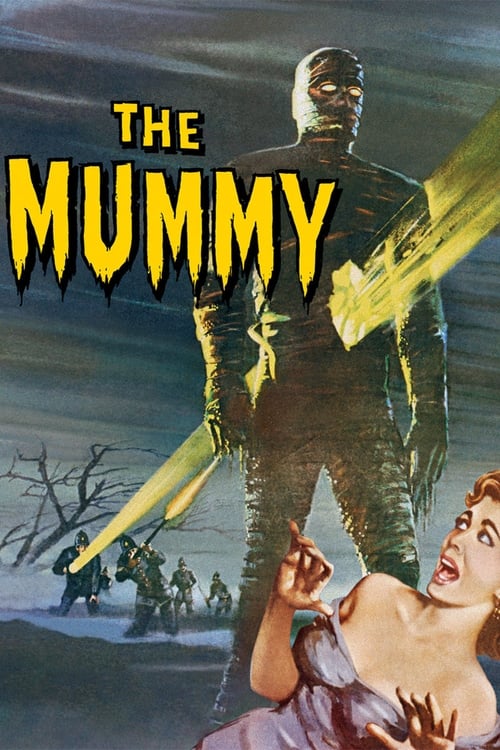
1959
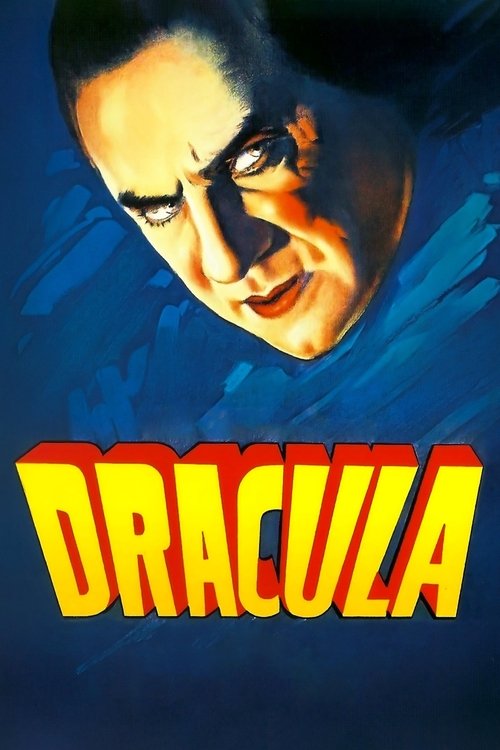
1931
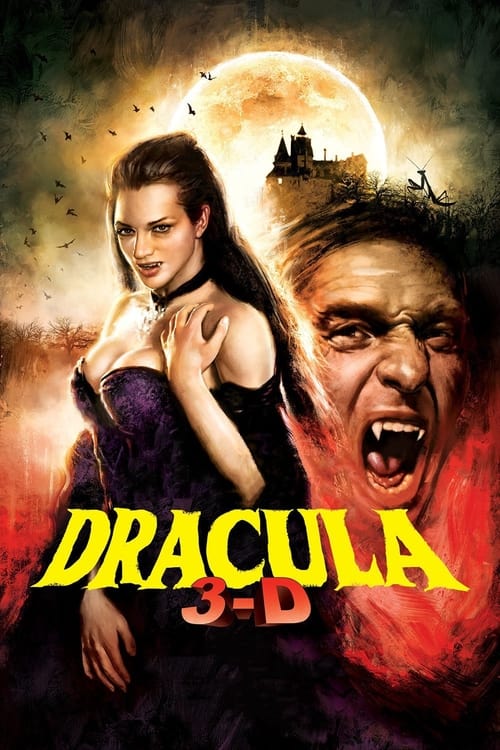
2012
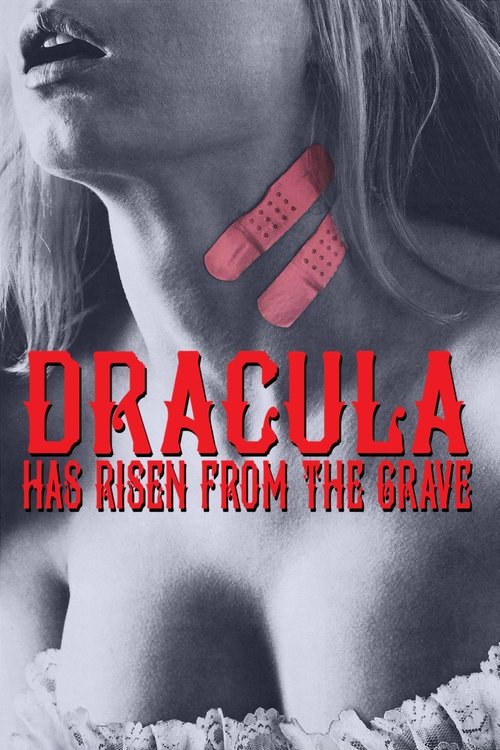
1968
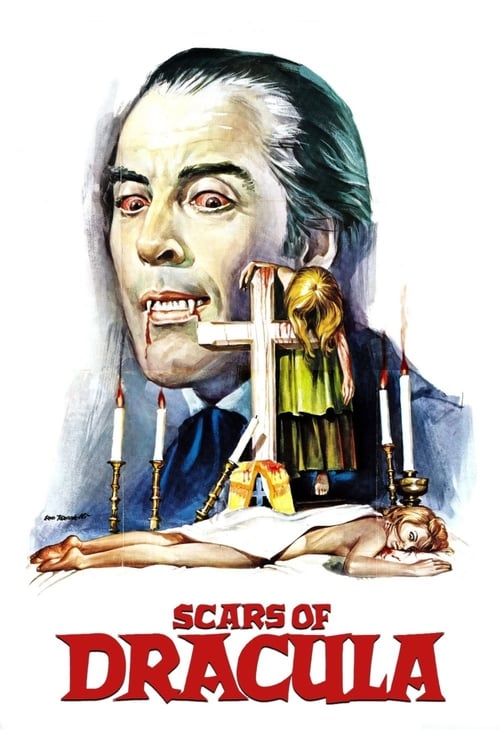
1970
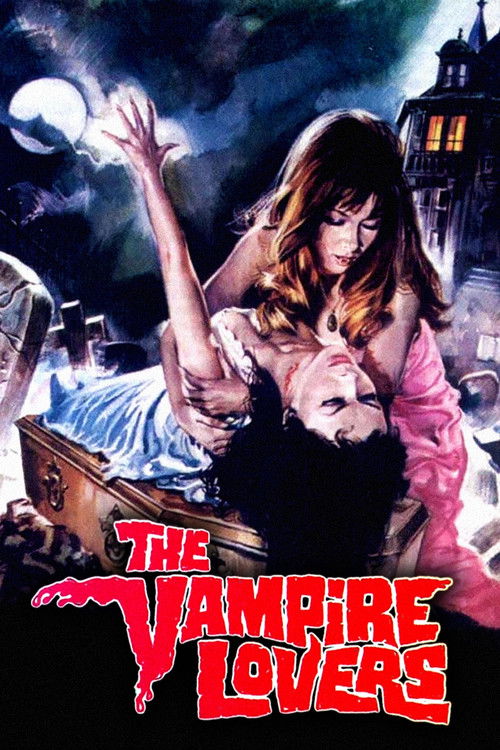
1970
No reviews yet. Be the first to share your thoughts on this movie!
Use the rating form above to leave a star rating and optional review.