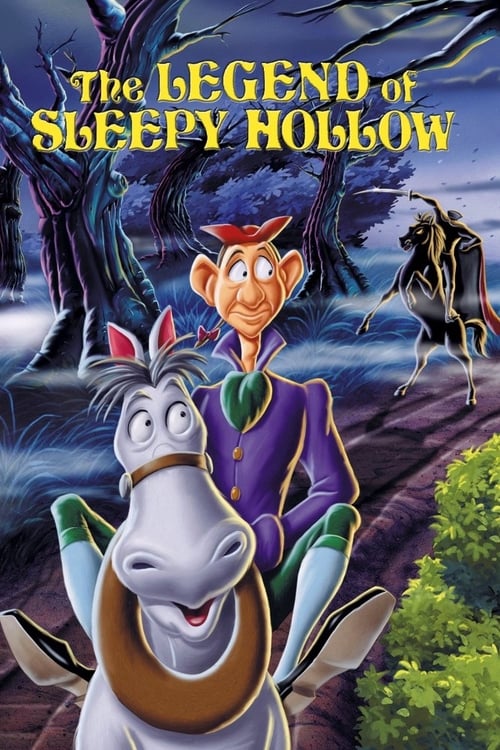
The Legend of Sleepy Hollow
1949
No user ratings available yet
Representation score: 1.6 out of 10
Representation Score
Minimal
1949
GDirector
Clyde Geronimi, James Algar, Jack Kinney
Runtime
68 minutes
Average Rating
No ratings yetNew Showbiz Analysis
This anthology film preserves established Western folklore and social norms. It relies on classic character types that emphasize historical hierarchies over diverse perspectives. The narrative structure does not challenge conventional social structures. Instead, it reinforces traditional gender roles and a homogeneous demographic through its settings. Ultimately, the film reflects its time period, focusing on moral lessons and social stability within a narrow cultural perspective.
Category Breakdown
The film does not depict any LGBTQ+ identities or same-sex relationships. The story focuses on heterosexual relationships, especially in the Sleepy Hollow part where a woman is pursued by different suitors.
Gender roles are traditional, with women often serving as prizes for male competition. The Wind in the Willows segment emphasizes a male-dominated social circle.
The cast is mostly white, representing English and American rural settings. There are no characters from diverse racial or ethnic backgrounds.
The film upholds traditional Western social norms and values. It touches on class issues but does not critically examine broader societal structures.
There is no depiction of disabilities or neurodiversity. Ichabod Crane’s quirks are used for humor rather than deeper character development.
Present on Screen
Limited or Absent
Official Synopsis
The Wind in the Willows: Concise version of Kenneth Grahame's story of the same name. J. Thaddeus Toad, owner of Toad Hall, is prone to fads, such as the newfangled motor car. This desire for the very latest lands him in much trouble with the wrong crowd, and it is up to his friends, Mole, Rat and Badger to save him from himself. - The Legend of Sleepy Hollow: Retelling of Washington Irving's story set in a tiny New England town. Ichabod Crane, the new schoolmaster, falls for the town beauty, Katrina Van Tassel, and the town Bully Brom Bones decides that he is a little too successful and needs "convincing" that Katrina is not for him.
1949
1941
1983
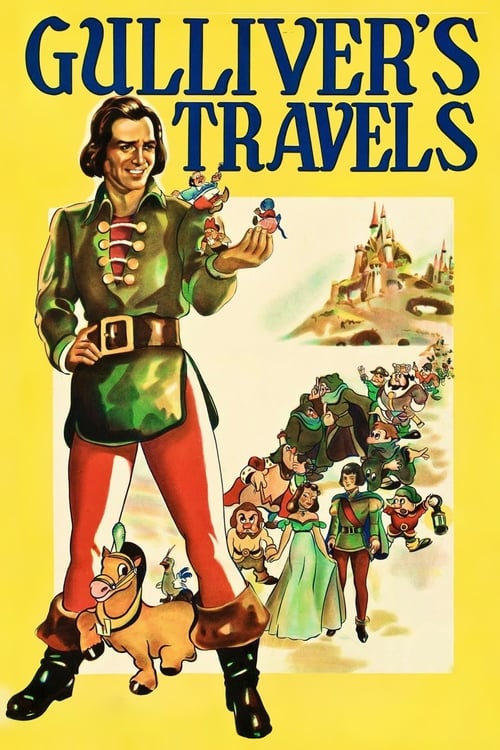
1939
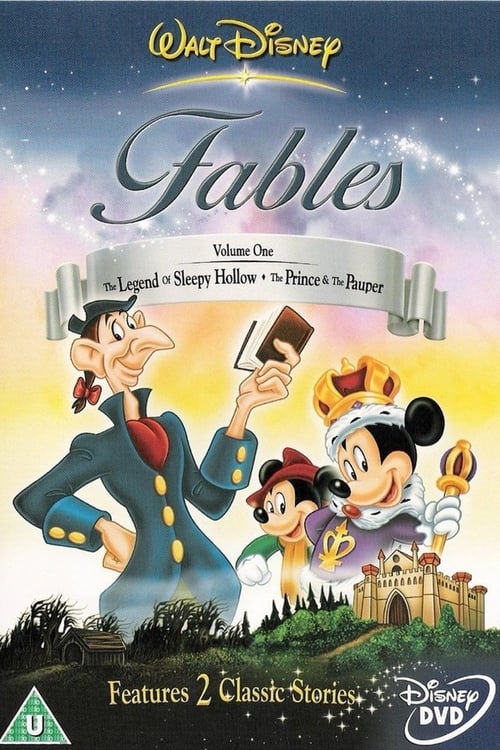
2003
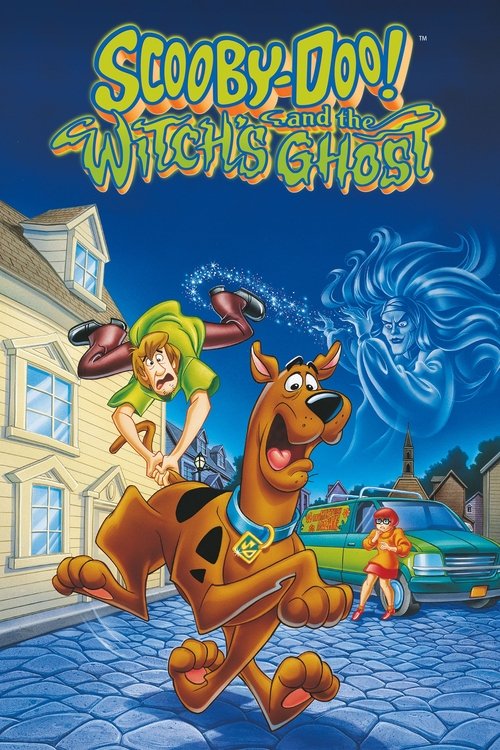
1999
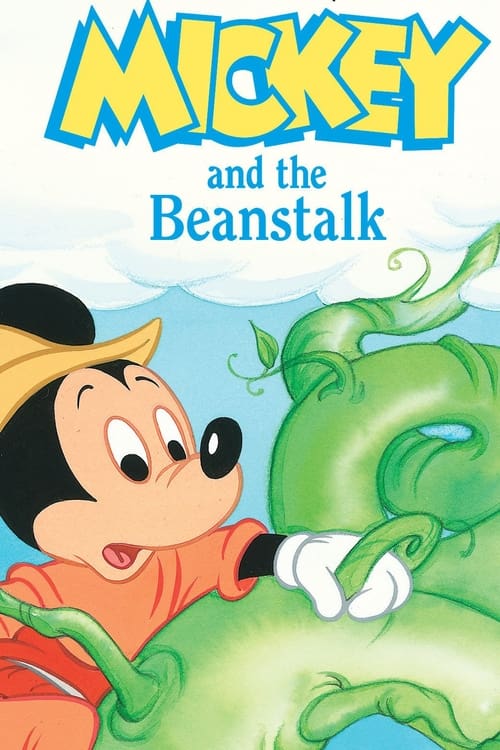
1947
2004
No reviews yet. Be the first to share your thoughts on this movie!
Use the rating form above to leave a star rating and optional review.