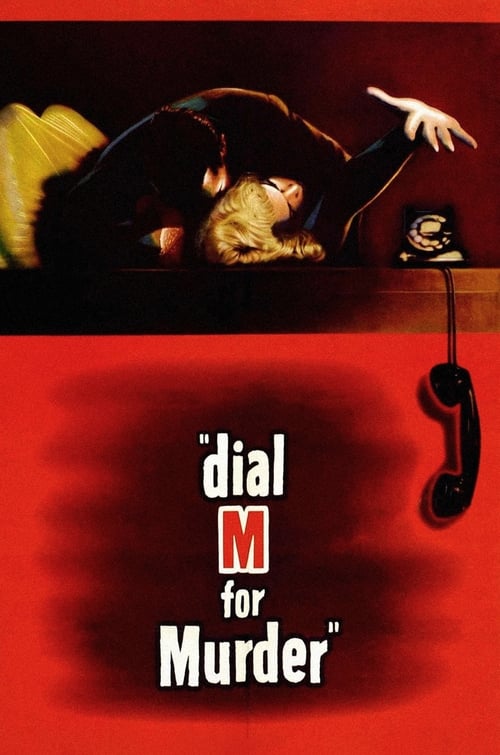
Dial M for Murder
1954
No user ratings available yet
Representation score: 1.2 out of 10
Representation Score
Limited
1944
ApprovedDirector
Billy Wilder
Runtime
107 minutes
Average Rating
No ratings yetNew Showbiz Analysis
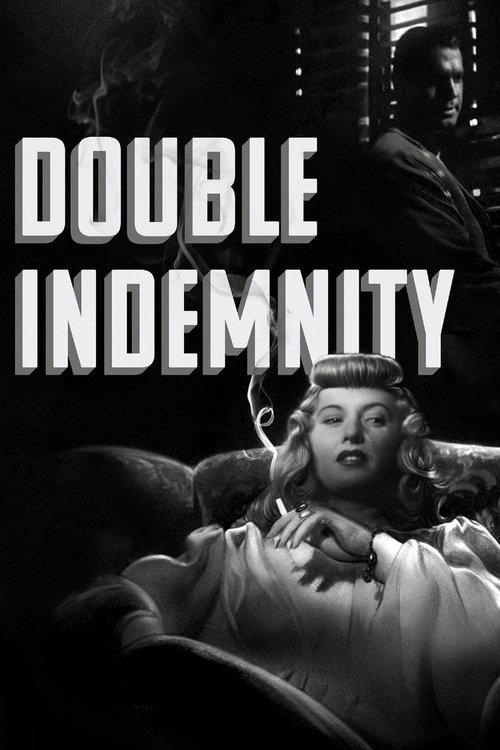
Double Indemnity is a traditionally cast film that remains ideologically disruptive. It fails to provide representation for LGBTQ+ individuals, people of color, or characters with disabilities, adhering to the narrow casting norms of its time. However, the film excels in challenging social and gendered expectations. By centering a femme fatale who dismantles patriarchal structures and utilizing a cynical narrator who rejects traditional morality, the film critiques the stability of Western institutions. Ultimately, the work is a study in moral relativism. It trades demographic breadth for a sophisticated critique of the nuclear family and the superficial respectability of mid-century society.
Category Breakdown
The film does not include any LGBTQ+ characters or non-cisgender identities. The interpersonal dynamics are confined to a predatory romantic relationship.
Phyllis Dietrichson upends traditional gender roles by using sexual intelligence and manipulation to drive the plot. She plays a significant role in the story but her power is framed through deceptive means.
The cast is primarily white and lacks diversity, reflecting the limitations of 1944 Hollywood. There is no meaningful representation for non-Anglo-Saxon characters.
The narrative questions the American Dream by revealing corruption beneath middle-class stability. It rejects singular Christian morality in favor of cynical, situational ethics.
There are no visible or invisible disabilities portrayed within the main character arcs.
Present on Screen
Limited or Absent
Official Synopsis
An insurance representative is seduced by a dissatisfied housewife into a scheme of insurance fraud and murder that arouses the suspicion of his colleague, a claims investigator.
1954
1944
1951
1946

1956
1942
1948

1948
No reviews yet. Be the first to share your thoughts on this movie!
Use the rating form above to leave a star rating and optional review.