
Army of Shadows
1969
No user ratings available yet
Representation score: 1.4 out of 10
Representation Score
Minimal
1956
NRDirector
Robert Bresson
Runtime
101 minutes
Average Rating
No ratings yetNew Showbiz Analysis
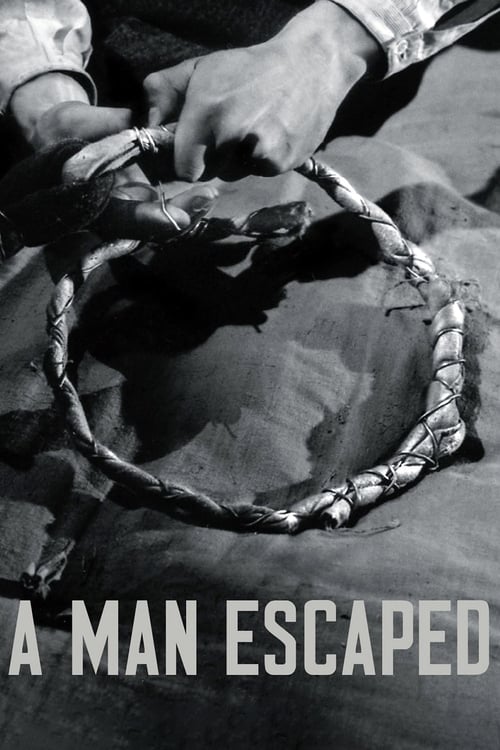
Robert Bresson’s film centers on the internal and spiritual journey of a single man fighting for freedom. While it achieves deep psychological insight, its narrative structure emphasizes individual spirituality rather than social diversity. Set in a specific historical context, the film presents a narrow, monochromatic world focused on a French Resistance fighter in a Nazi prison. This limits the scope of identity politics and diverse social representation. Ultimately, the film questions the legitimacy of an oppressive regime through the lens of personal discipline. It highlights the transcendence of the human spirit over the exploration of complex, diverse identities.
Category Breakdown
The film focuses on a masculine prison environment and does not include any characters with non-traditional gender identities or same-sex relationships.
The story is centered almost entirely on male characters and does not explore different gender roles or challenge traditional masculinity.
The cast is mainly white, reflecting the historical setting of the French Resistance. The film maintains a realistic portrayal consistent with the time period.
The film provides a critical look at institutions that oppress and control. It portrays the protagonist's resistance as a quest for spiritual freedom.
There is no representation of visible or invisible disabilities. Characters are defined by their ability to perform physically demanding tasks.
Present on Screen
Limited or Absent
Official Synopsis
A captured French Resistance fighter during World War II engineers a daunting escape from prison.
1969
1960
1940
1987
1962
1947
1967

1943
No reviews yet. Be the first to share your thoughts on this movie!
Use the rating form above to leave a star rating and optional review.