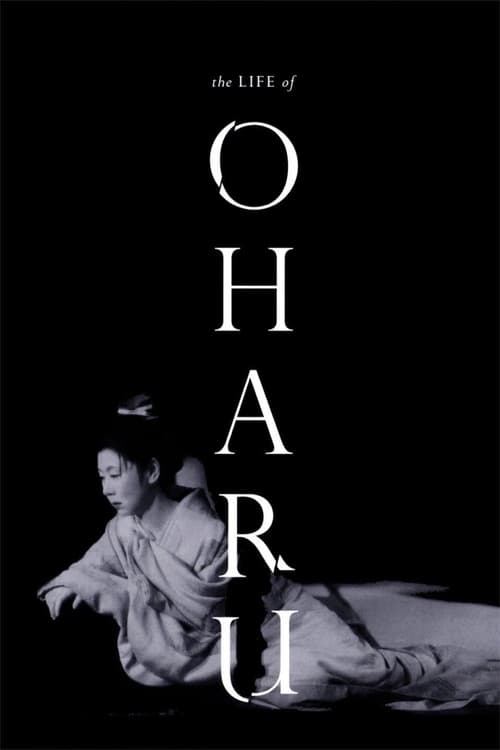
The Life of Oharu
1952
No user ratings available yet
Representation score: 4.4 out of 10
Representation Score
Fair
1953
NRDirector
Kenji Mizoguchi
Runtime
96 minutes
Average Rating
No ratings yetNew Showbiz Analysis
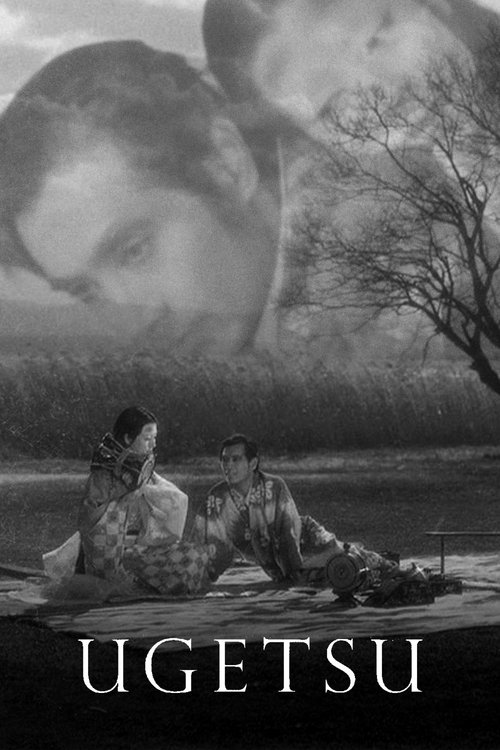
Ugetsu is a deep exploration of how violence and greed destroy families. It goes beyond simple historical fantasy to criticize the patriarchal structures of war-torn Japan. The film’s strength lies in its focus on the hardships faced by women and peasants. By highlighting the destructive nature of male ambition, it offers a nuanced critique of power structures. Despite lacking modern identity-based representation, such as LGBTQ+ or specific disability narratives, the film provides significant depth through its critique of hierarchy.
Category Breakdown
The film follows the heterosexual norms of 16th-century Japan. There are no depictions of non-straight or non-cisgender identities or same-sex relationships.
The story challenges typical male hero roles by showing male ambition as harmful. Instead, it focuses on the strength and hardship of wives Miyagi and Ohama.
The cast is ethnically uniform, reflecting the historical context of the Sengoku period. However, it provides a crucial non-Western perspective on peasant life.
The film questions materialistic goals and the corrupting influence of social advancement. It uses supernatural elements to challenge views of truth and moral stability.
The story examines the psychological impact and mental strain of war. However, it does not include specific depictions of physical or neurodivergent disabilities.
Present on Screen
Limited or Absent
Official Synopsis
In 16th century Japan, peasants Genjuro and Tobei sell their earthenware pots to a group of soldiers in a nearby village, in defiance of a local sage's warning against seeking to profit from warfare. Genjuro's pursuit of both riches and the mysterious Lady Wakasa, as well as Tobei's desire to become a samurai, run the risk of destroying both themselves and their wives, Miyagi and Ohama.
1952
1954

1939

1954
1957
1953
1964
1953
No reviews yet. Be the first to share your thoughts on this movie!
Use the rating form above to leave a star rating and optional review.