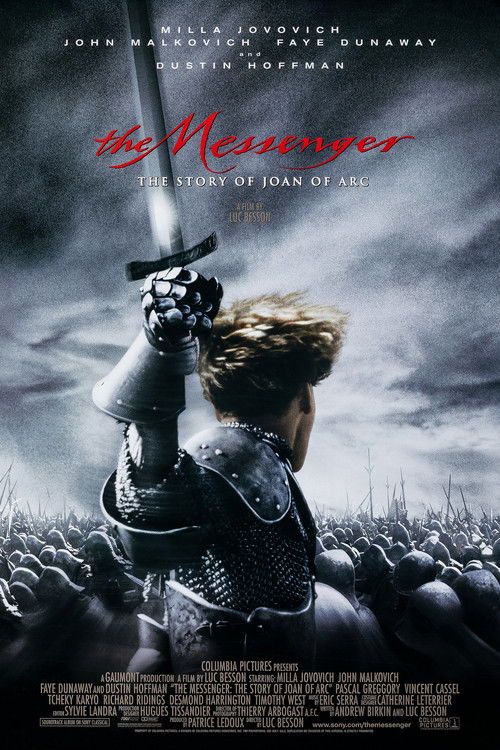
The Messenger: The Story of Joan of Arc
1999
RNo user ratings available yet
Representation score: 8.8 out of 10
These lists use approved gender representation scores for war films that have written notes. Highest-scoring films are those whose notes describe more on-screen gender representation. Lowest-scoring films are those whose notes describe less. Neither list is a quality ranking.
Joan of Arc upends medieval hierarchies by placing a female peasant at the top of both military and spiritual authority. Her significant role in driving the plot challenges the dominance of male leadership.
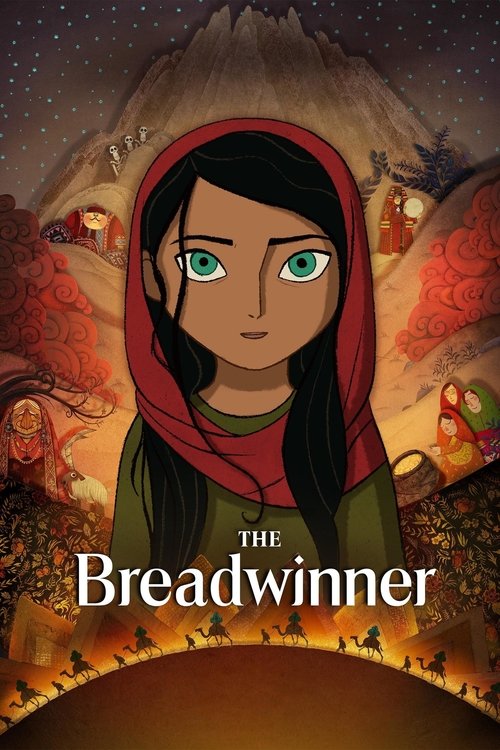
The narrative offers a deep critique of traditional gender hierarchies. By focusing on a girl who must adopt a male persona, the film dismantles passive female stereotypes and highlights patriarchal oppression.
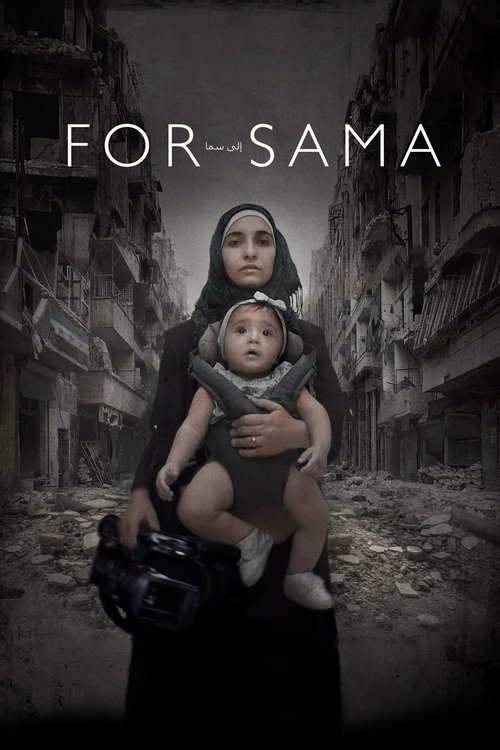
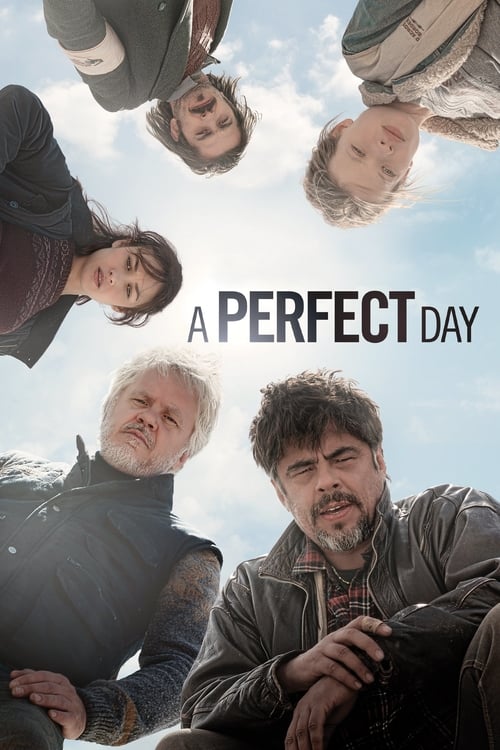
Waad is shown as an active decision-maker rather than a passive observer. The film highlights female medical professionals as key figures in community survival and portrays masculinity through shared vulnerability.
Women have significant autonomy in a high-pressure technical environment. They pass the Bechdel test by discussing survival and their shared experiences.
Margaret Mead serves as a central character, playing a significant role in driving the story through her professional and intellectual autonomy. The narrative challenges traditional hierarchies by emphasizing her independence and complex personal relationships.
Rosie acts as the moral guide, showing intelligence and strength against rigid male structures. The film highlights the fragility of hyper-masculine ideals and centers female empowerment.
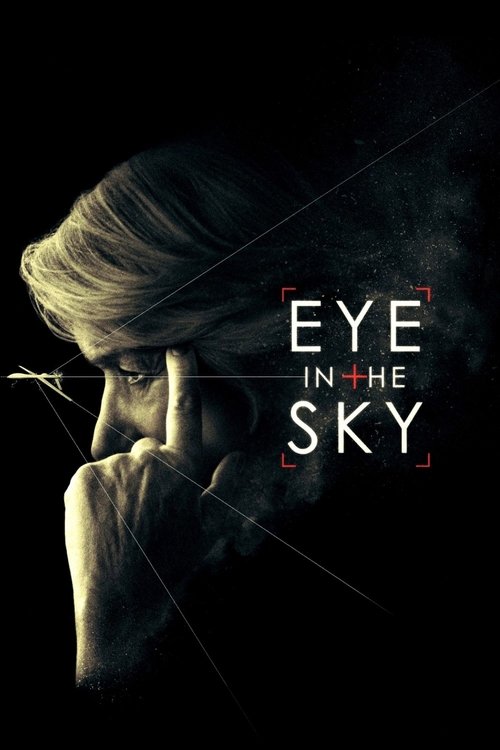
Colonel Katherine Powell stands out as a strong female leader who disrupts traditional military hierarchies. She demonstrates tactical authority and professional ruthlessness, placing women in key positions of global political and military power.
The narrative challenges traditional gender roles by putting women in typically male-dominated war zones. It highlights women's strength and leadership in these traditionally male-controlled spaces.
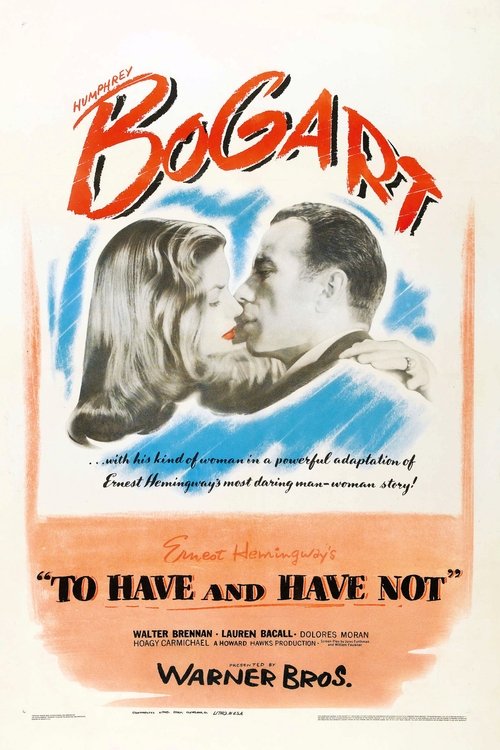
Marie 'Slim' Browning challenges the gender norms of the 1940s through her intelligence and independence. She matches the male lead in wit and intellect, breaking away from passive stereotypes to engage in equal dialogue.
The narrative challenges traditional gender roles by giving women primary control and ability to act. The male protagonist becomes vulnerable, shifting tactical leadership to the female characters.
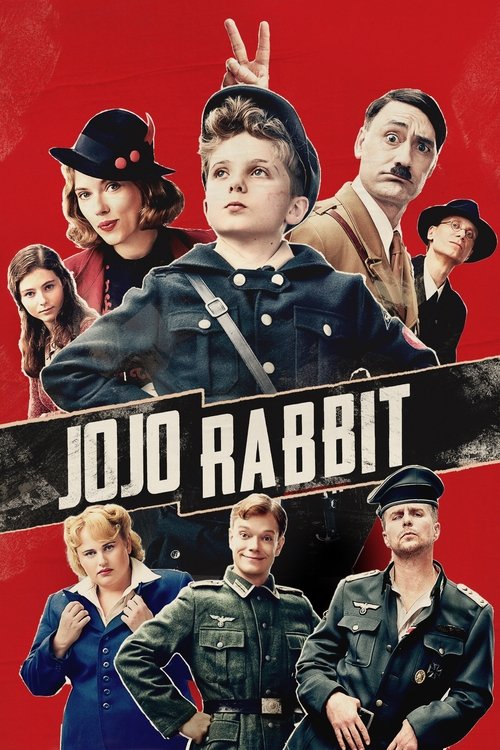
Shosanna serves as the strategic and moral center, executing the final act of vengeance with precision. Her competence contrasts with the loud, crude male Basterds who serve as her enablers.
Artemisia is portrayed as a powerful female commander with significant military authority and intellectual equality. Her role challenges the stereotype of a male-dominated battlefield.
Women play a significant role in the film by using their autonomy to challenge male-dominated politics. The movie overturns passive female stereotypes by making male authority seem ineffective and absurd.
Female characters in the acting troupe show a significant role in driving the story and strategic thinking. Characters like Josefina avoid typical submissive roles, acting as competent and crucial members of the resistance.
Marie Colvin challenges traditional gender roles by having a strong presence and influence in a male-dominated profession. The film explores the tension between her career and societal expectations of motherhood.
Olympias is portrayed as a powerful, psychologically complex character who influences Alexander's destiny. Female characters have significant roles in shaping both political and personal outcomes, which complicates the typical warrior-king narrative.
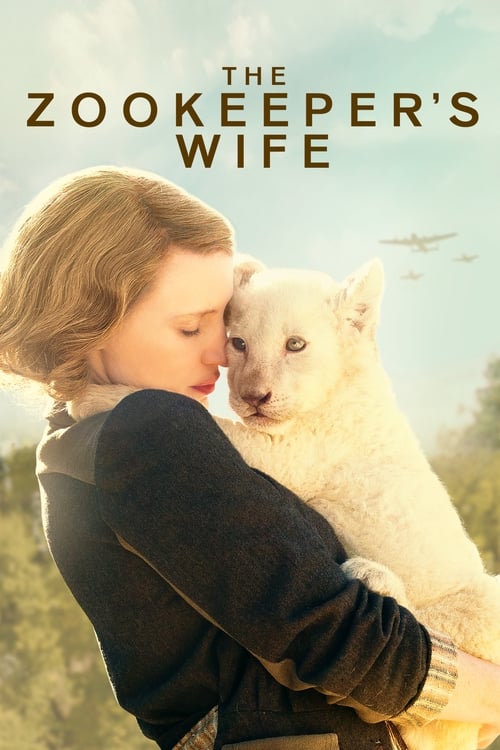
Antonina Żabińska emerges as a key moral and strategic figure. Her assertiveness challenges the stereotype of the passive female bystander in wartime dramas.
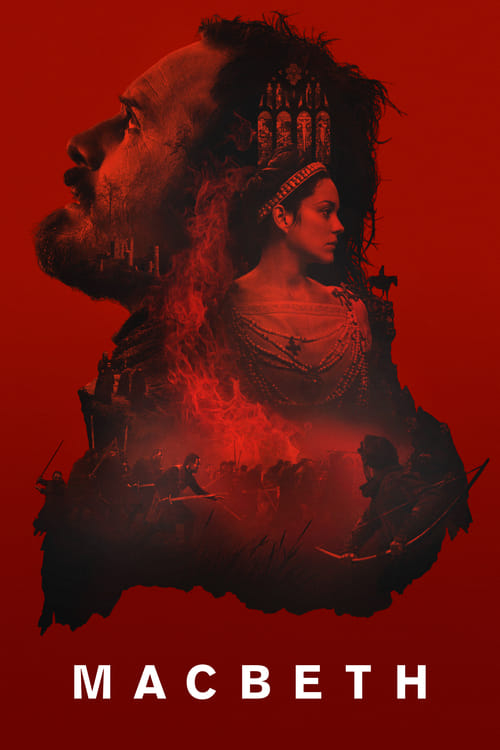
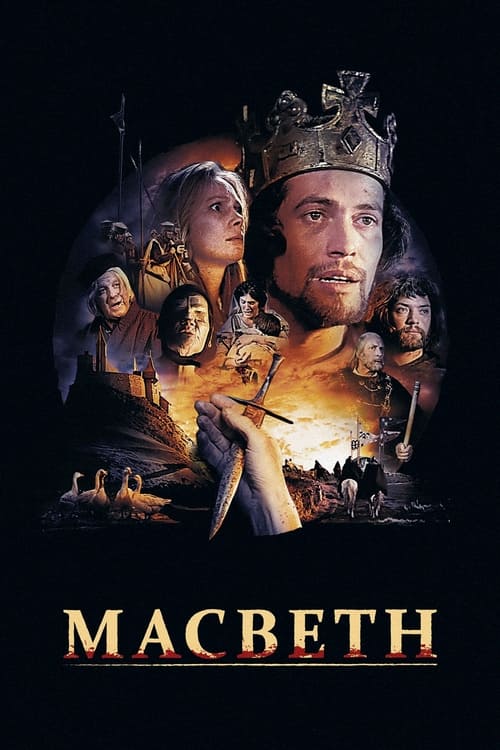
Lady Macbeth plays a significant role in driving the story, exerting psychological dominance over her husband. The film challenges traditional masculine archetypes by showing the warrior-king through his vulnerabilities and paranoia.
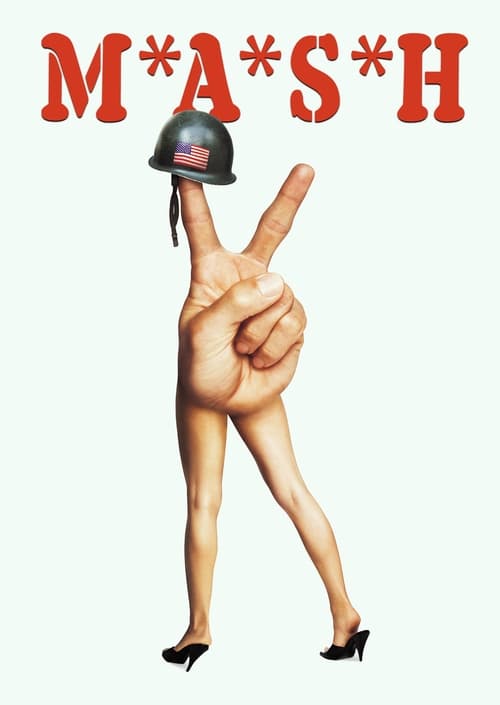
The narrative challenges traditional gender roles by giving female characters significant influence and independence. Nurse Kelly, in particular, is shown as intellectually autonomous and sexually empowered, playing an active role in the unit's irreverent culture.
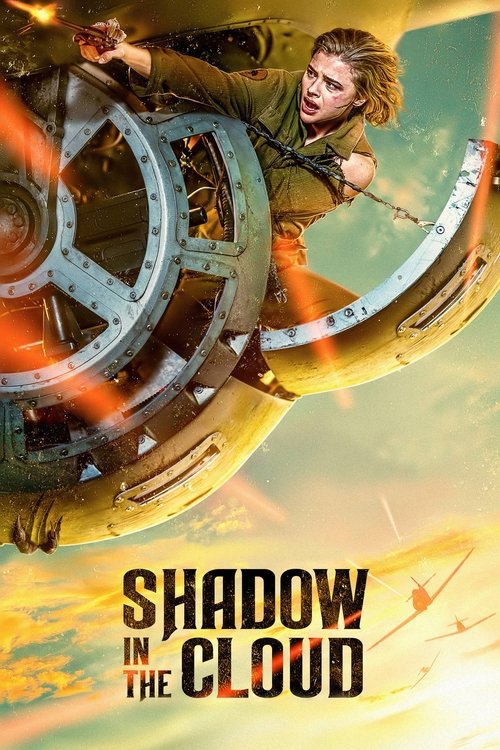
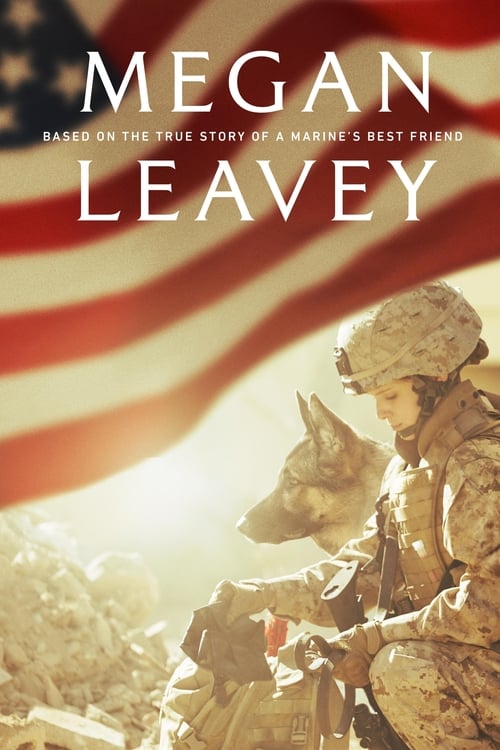
The narrative challenges traditional gender roles by featuring a female protagonist in a hyper-masculine environment. Leavey exhibits strong leadership and technical skills that match those of her male counterparts.

2017
TV-MAWomen play a significant role in driving the story by performing essential labor in agrarian camps. The narrative avoids traditional patriarchal clichés by showing how the state dismantles existing gender hierarchies.
The narrative deconstructs traditional masculine archetypes by focusing on loneliness and emotional dependency. This challenges the stoic male ideal, presenting a psychologically complex version of masculinity that rejects rigid hierarchies.
Leyna challenges traditional gender roles by serving as the narrative's moral guide. She avoids submissive stereotypes and navigates complex political situations with significant independence.
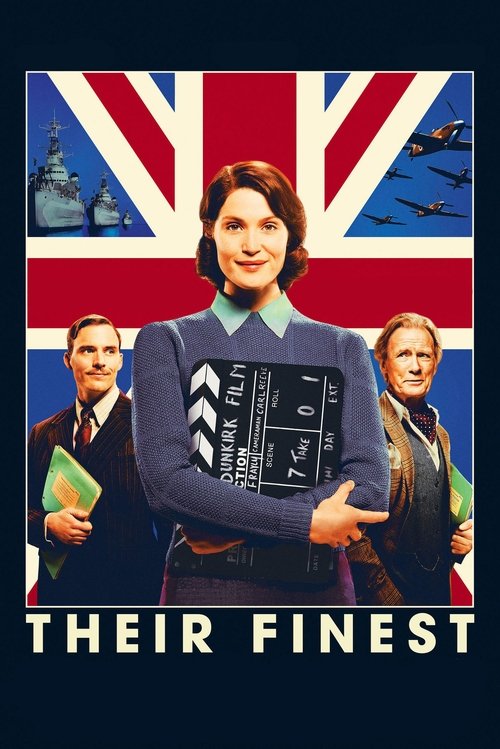
The narrative centers on women's ability to drive the story, highlighting a female screenwriter and a radio operator. It effectively challenges familiar patterns by showing women navigating professional spheres and resisting all-male hierarchies.
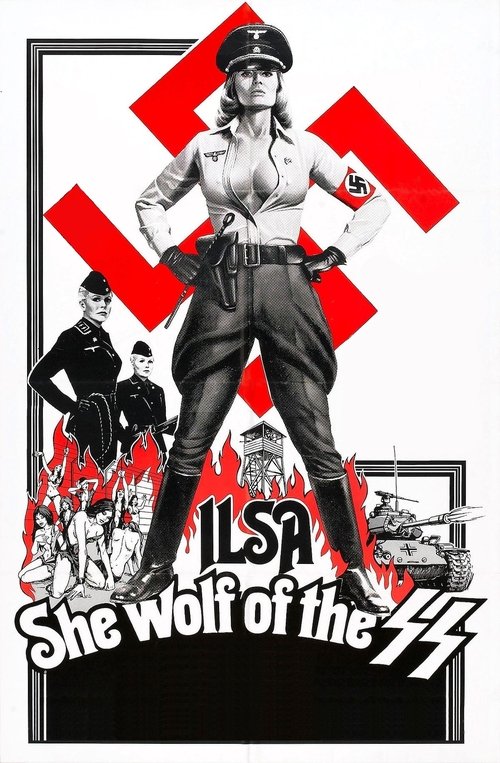
Ilsa subverts traditional hierarchies by occupying a position of absolute authority. She demonstrates intellect and physical dominance, placing a woman at the center of the power structure.
Women are shown as active participants in politics and combat, rather than being confined to domestic roles. This portrayal challenges the traditional male-dominated structures of the 1930s.
The film portrays Guinevere as a strong, combat-proficient leader rather than a passive character. This challenges the traditional damsel-in-distress cliché by highlighting her active role in battle.
Female characters like Hana show a significant role in driving the story and autonomy. The relationship between Katharine Clifton and Almásy moves beyond submissive roles toward an intellectually engaged partnership.
Ada manages her estate effectively during systemic collapse, showing a significant role in driving the story. Ruby challenges traditional feminine stereotypes through her resourcefulness and fluid personality.
Sigourney Weaver's character is intellectually driven and authoritative, challenging traditional masculine roles in military settings.
Daisy plays a significant role in driving the story, showing resilience and challenging traditional damsel-in-distress stereotypes through dynamic interactions with Booker.
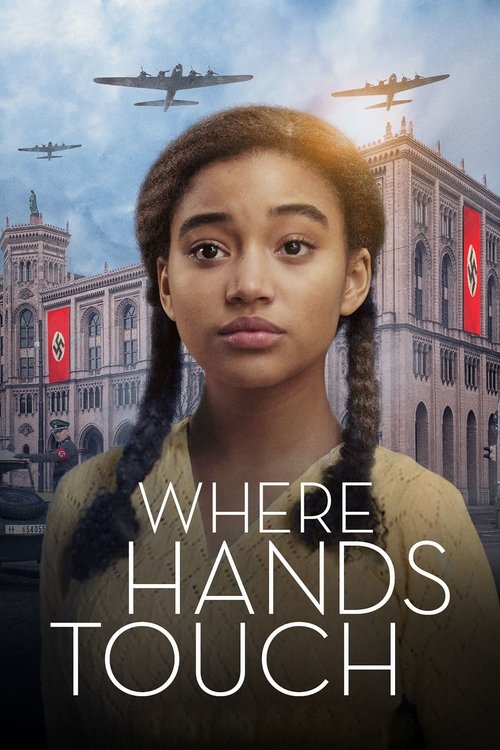
By centering Vera Brittain's perspective, the film challenges the typical wartime focus on male combatants. Vera Brittain is shown to have significant intellectual and professional influence during the war.
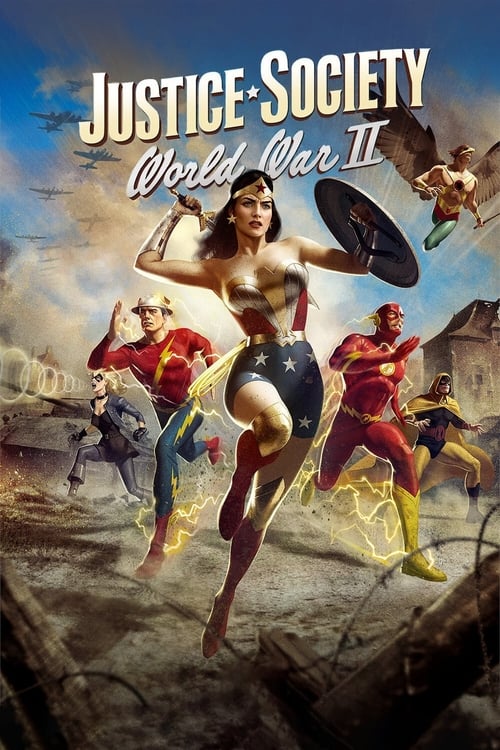
Female characters like Wonder Woman and Black Canary play key roles and demonstrate significant tactical skills and physical strength, challenging the typical gender stereotypes of the era.
Lady Macbeth challenges traditional gender roles by taking a leading role in the psychological aspects of the plot. She dominates intellectually over Macbeth, going against the stereotype of a passive female character.
Women are shown as strategic architects of power, participating in high-stakes diplomacy and battlefield decision-making. They successfully pass the Bechdel test.
The narrative challenges typical masculine stereotypes by highlighting the protagonist's psychological vulnerability. Female characters play crucial roles and bring emotional intelligence, complicating traditional male-dominated hierarchies.
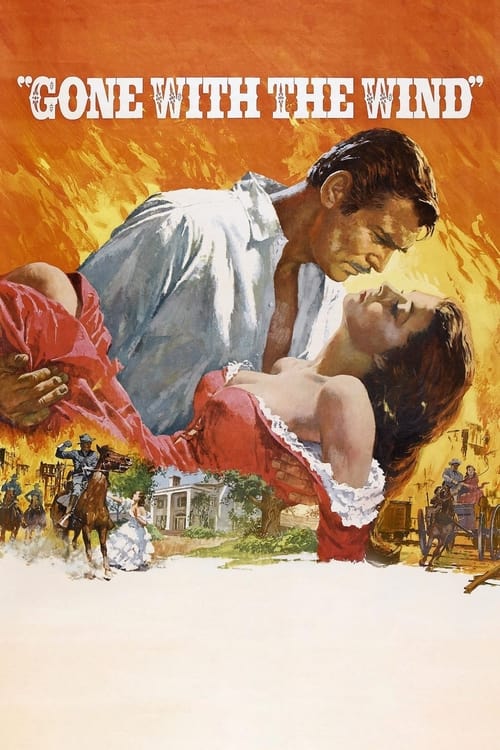
Scarlett O'Hara challenges traditional gender roles through her survival skills and ruthless nature. She plays a significant role in driving the story, but her development is tied to romantic relationships.
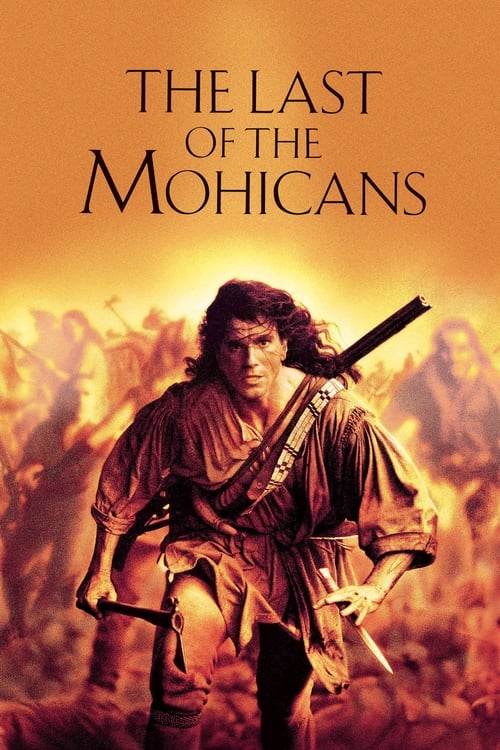
Cora Munro challenges 18th-century hierarchies through her resilience and equal intellect with men. While Alice Munro follows traditional roles, Cora offers a nuanced, proactive departure from passive female characters.
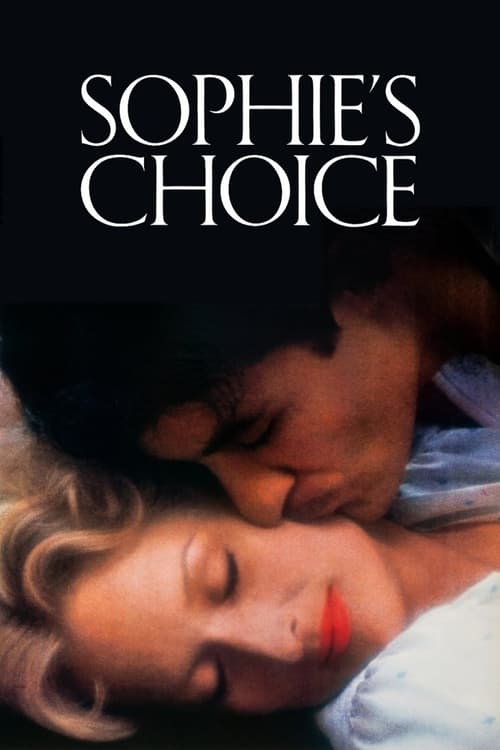
Sophie serves as the film's emotional and intellectual center, showcasing immense survival skills. The portrayal of Nathan challenges traditional masculinity by presenting it as fractured and emotionally fragile.
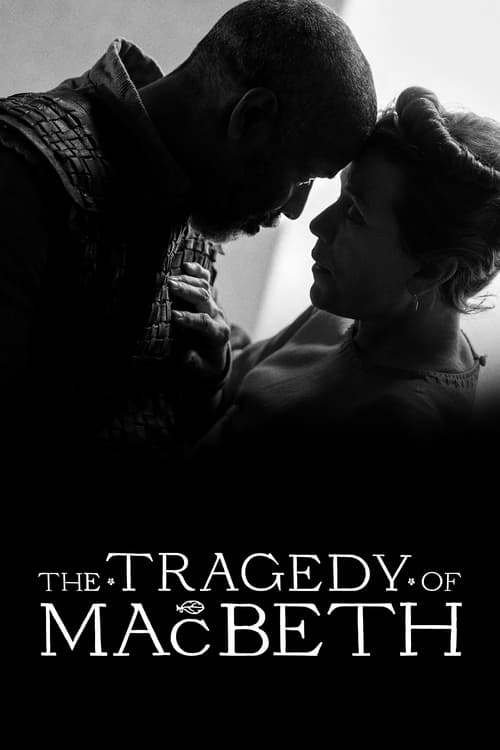
Lady Macbeth plays a significant role in driving the story with her psychological ability to act. However, her eventual descent follows a traditional tragic arc.
Rachael's emotional and physical strength challenges the typical image of a submissive wartime wife. The film offers a detailed look at female isolation and psychological displacement during wartime.
Karen's character demonstrates strong ability to act in her romantic decisions, providing a nuanced look at gender roles. The story highlights the tension between female independence and strict military traditions.
The female protagonist plays a significant role in driving the story, avoiding the 'damsel in distress' cliché through her active involvement in espionage.
The female lead plays a significant role in driving the story, showing independence and strong decision-making skills. She navigates the complexities of post-war espionage with intelligence and dynamic power shifts.
The movie is dominated by a male-centric structure with no female characters, resulting in a lack of gendered ability to act.
Women are entirely absent from the visual narrative; no female soldiers, nurses, or civilians appear on screen. The plot is driven exclusively by men, who serve as the sole moral and physical center of the story.
The narrative centers around the camaraderie of U. S.
The story is predominantly centered around male characters, emphasizing traditional masculinity and military duty. Female characters have little to no ability to act or presence.
The story is centered around a strictly patriarchal structure where men hold positions of power. Female characters are mostly sidelined or portrayed as victims.
The story centers on male psychological breakdown and brotherhood. Women appear as symbolic or highly stylized figures rather than active participants, lacking control over their own stories.
The story focuses on masculine characters and physical combat, with women having minor roles that don't drive the plot.
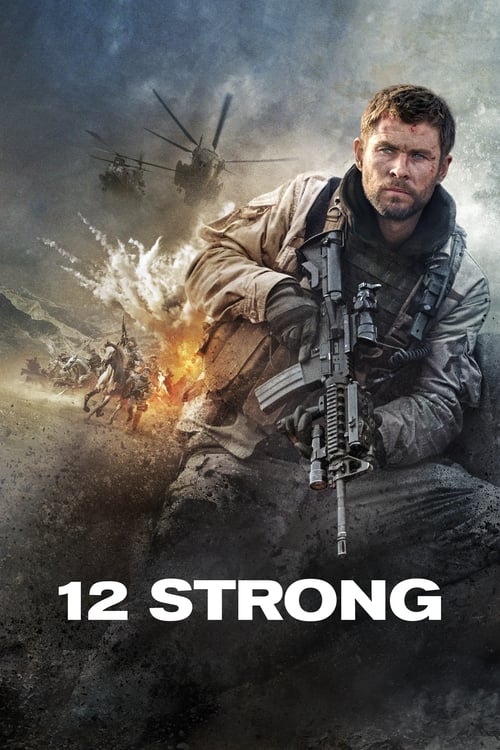
The story centers almost exclusively on male leadership and ability to act. Women are largely absent from the primary combat and decision-making arcs.
Leadership roles are shown as dominated by men within a patriarchal structure. Female characters, such as Miss Scott, are confined to supportive administrative positions without much influence over events.
The narrative adheres to a traditional, male-centric hierarchy. Female characters appear only as brief, non-essential figures, preventing any meaningful engagement with gendered ability to act.
The story focuses almost entirely on male protagonists and masculine authority, with very few female characters.
The story emphasizes the survivalist role of a single male protagonist, while female characters are mostly sidelined and do not play active roles in the main storyline.
The story operates within a strict gender hierarchy where the cast is predominantly male. Women play minor roles, and the film fails the Bechdel test, indicating a lack of meaningful interaction between female characters.
The narrative is dominated by male characters and follows the hierarchical structures of the Napoleonic era. Women play minor or memory-based roles, offering little opportunity for women's ability to drive the story or the subversion of gender roles.
The story focuses on warfare and is centered around a male perspective. Women play minor roles, leaving the film without much female influence.
Gender representation is limited, emphasizing traditional masculinity through the protagonist. The film fails the Bechdel test due to a lack of meaningful interactions between female characters.
The story focuses mainly on male characters, emphasizing the leadership and tactical decisions of male officers. There is no significant female presence to challenge the command structure.
The narrative focuses on a monolithic male environment reflecting 1916 frontline combat. Women are entirely absent from the central plot, leaving the story without women's ability to drive the story.
The story centers almost exclusively on a male-dominated military environment. Women are largely absent from primary roles, and the film emphasizes traditional masculine leadership through its main characters.
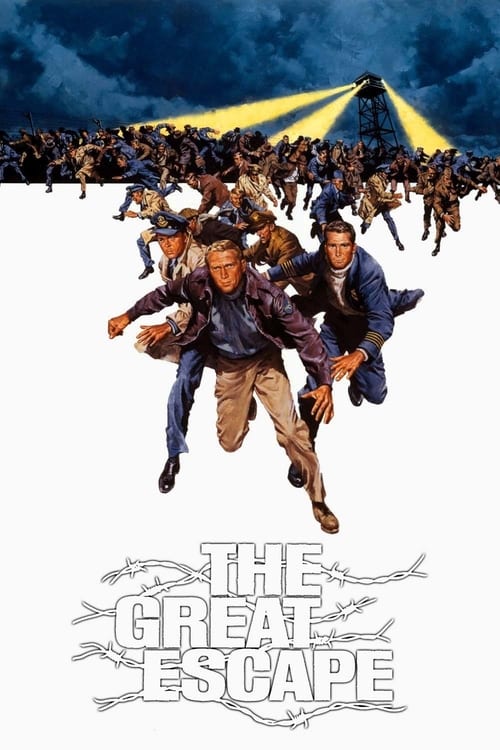
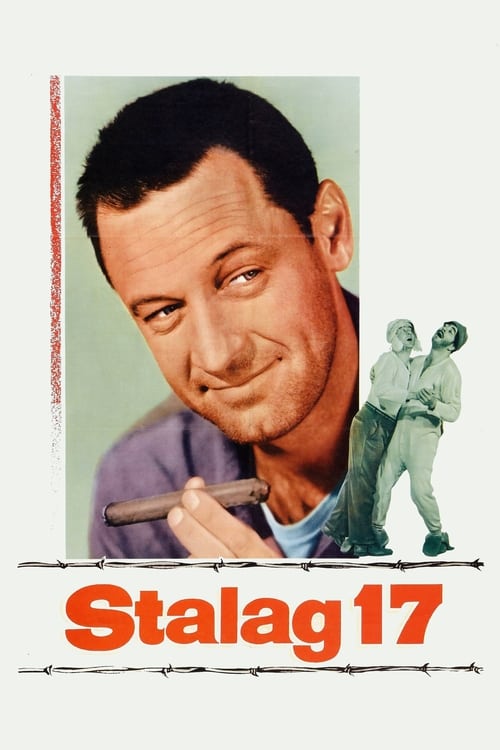
The all-male prisoner-of-war setting results in a total lack of women's ability to drive the story. Leadership and physical struggle are presented as exclusive domains of men.
Men play central roles in driving the plot through their positions as officers and pilots. Women are shown primarily in supporting or domestic roles, reinforcing traditional gender roles.
The story focuses on a strictly patriarchal military structure where female characters are completely absent, thus not engaging with gendered power dynamics.
The story centers almost entirely on male camaraderie and conflict. By excluding female perspectives, the film reinforces traditional gender hierarchies through a hyper-masculine lens.
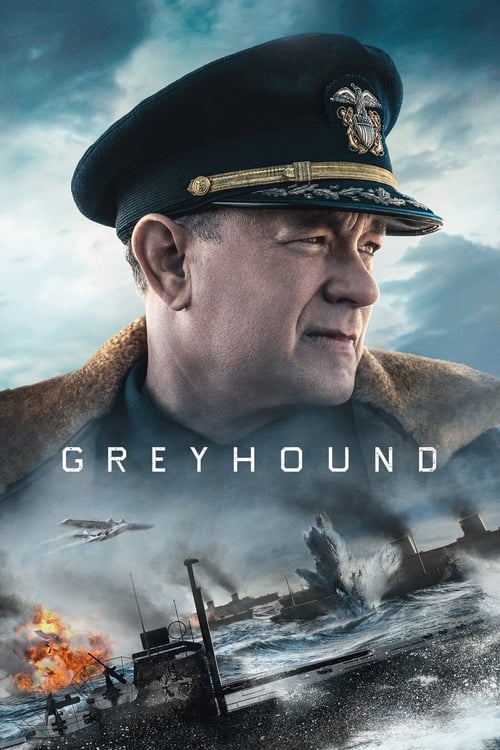
The story focuses solely on male characters within a submarine setting, reinforcing traditional views of masculinity and leadership without showing any women or challenging these norms.
The cast is predominantly male, emphasizing masculine combat and discipline. Women have limited roles and rarely challenge gender hierarchies.
Male characters primarily drive the plot within a male-dominated military hierarchy. Women are relegated to secondary, supportive roles and have little control over what happens to them in the story.
The narrative is almost entirely male-centric, emphasizing traditional masculine hierarchies and brotherhood. Women have little influence over the main storyline.
The story focuses almost entirely on masculine military figures. Women are portrayed mainly as wives or administrative assistants, with little influence over the main plot.
The story operates within a traditional male-dominated structure. Female characters have little influence and mainly serve as emotional anchors or symbols of the widows left behind.
The story focuses mainly on male characters and their camaraderie in a male-dominated military environment. Women are shown primarily in the context of the protagonist’s past without playing a significant role in the story.
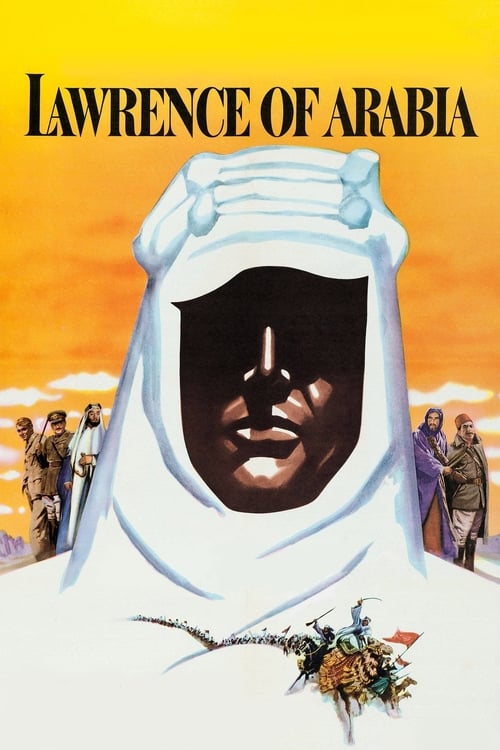
This is an almost exclusively male-focused military epic. Women play minor roles, often confined to domestic duties or civilian life.
The narrative is dominated by male characters and focuses on traditional wartime structures, with no significant roles for women.
The cast is mostly male, focusing on male characters' actions and combat skills. Female characters play minor roles in the espionage storyline.
The story is dominated by male characters, adhering to traditional gender roles. It lacks significant female characters who could challenge the established military hierarchy.
Narrative ability to act is almost entirely concentrated in male protagonists. Female characters remain on the periphery, serving primarily as supporting figures or civilian background elements.
This is a male-centric ensemble piece where female characters remain on the periphery and lack active roles.
Decision-making is shown through an exclusively male perspective. Women are not present in the central political and military discussions, reinforcing the patriarchal structures of 1962.
The story reinforces traditional hierarchies by focusing almost exclusively on male leadership. Female characters are minimal and relegated to the periphery of the conflict.
Women are entirely absent from the narrative, which means there is no women's ability to drive the story. The story focuses on various aspects of masculinity without challenging traditional gender roles.
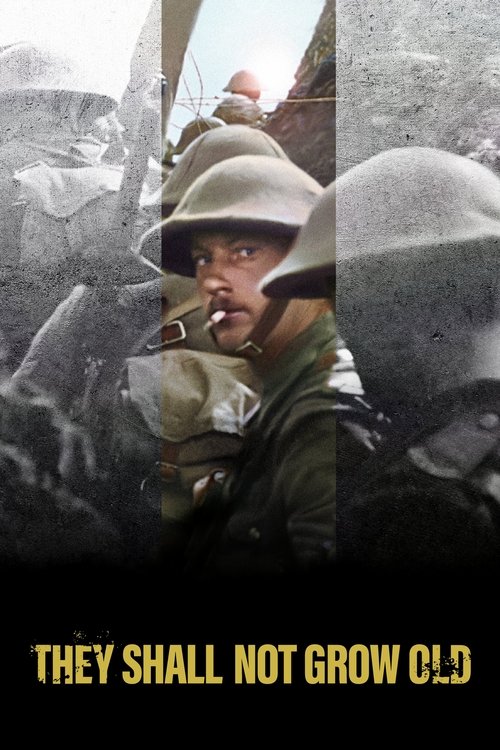
The narrative centers almost entirely on the male experience of trench warfare. Women are shown primarily in roles related to nursing or supporting the home front.
The setting emphasizes a monolithic masculine landscape where women have no significant role in driving the story. It reinforces a rigid hierarchy of masculinity based on violence and endurance.
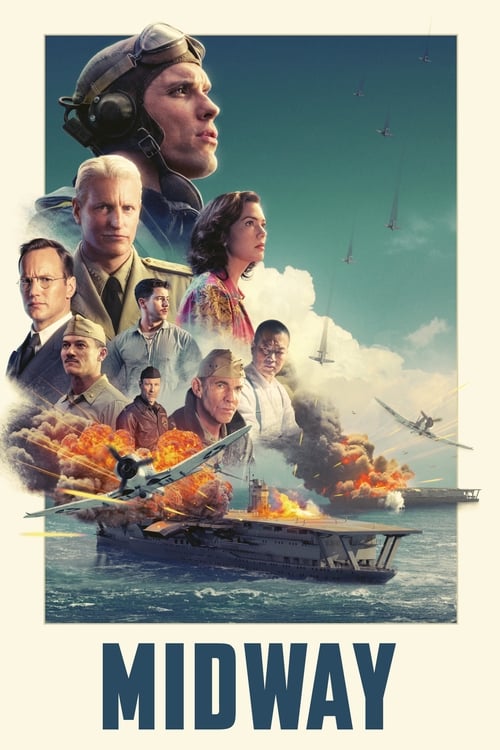
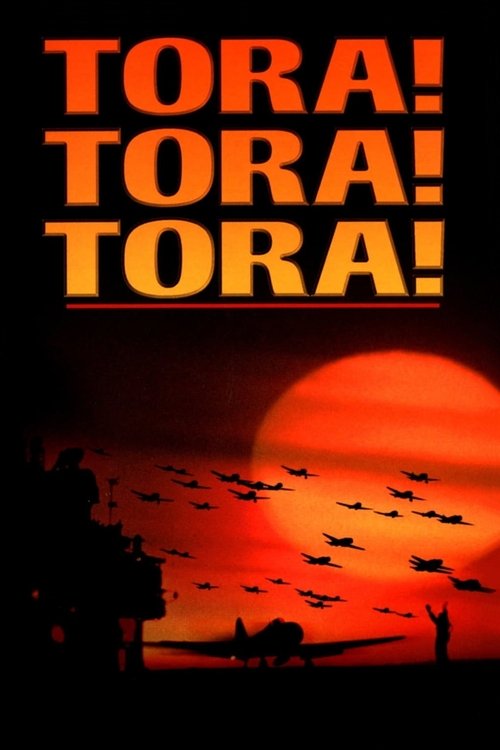
The narrative is predominantly male-focused, centered around naval officers and pilots. Women are largely absent from key plot lines, reinforcing traditional gender roles within military command structures.
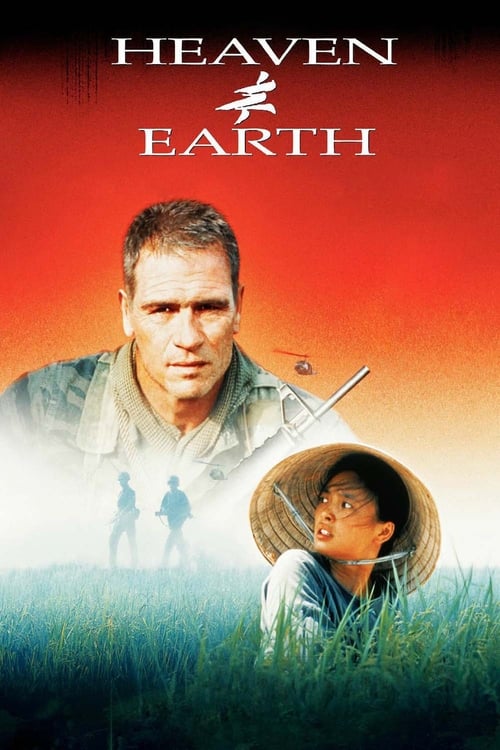
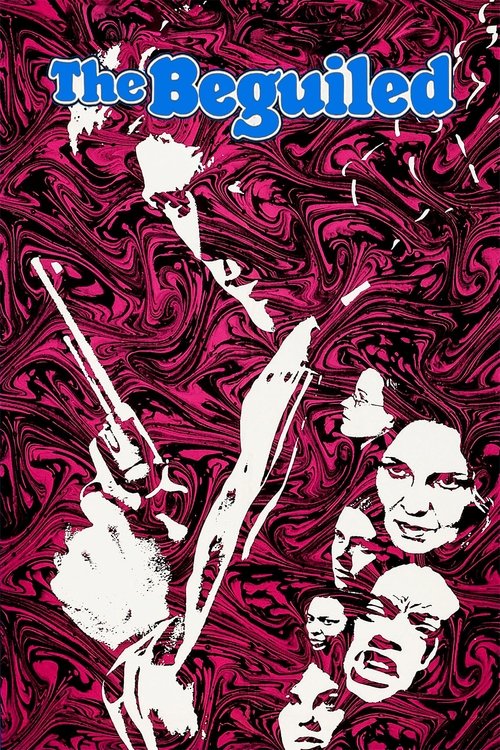
Female characters are portrayed as damsels in distress, serving primarily as emotional catalysts for male characters. The narrative emphasizes a patriarchal structure where women require protection from male-led paramilitary groups.
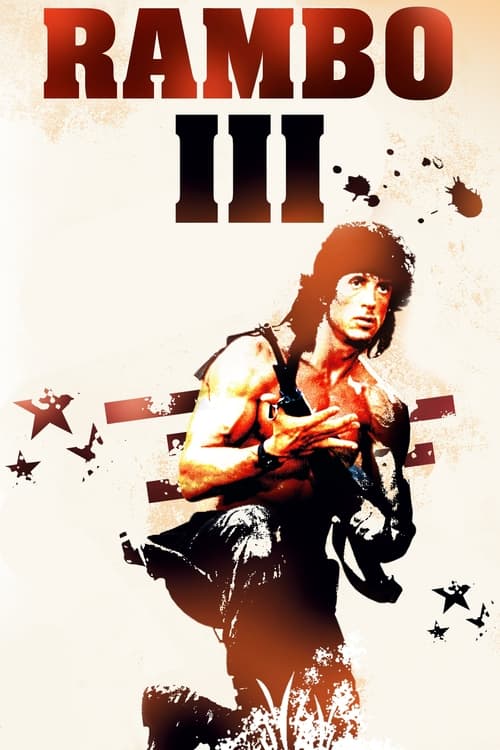
The story centers around hyper-masculine characters and emphasizes male dominance. Female characters are not present in the main storyline, reinforcing traditional gender roles.
The story focuses primarily on male characters within the rigid hierarchies of a military garrison. Women are largely absent from the main storyline.
The story is heavily male-dominated, leaving female characters with very little influence. A local peasant girl appears, but she mainly serves as a plot device.
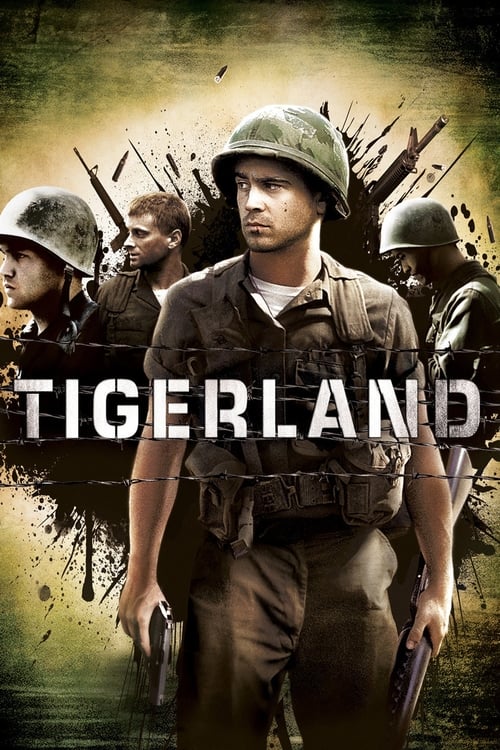
The story revolves around young men, with female characters playing minor roles. The narrative centers on male-dominated dynamics.
The story centers around male soldiers and traditional masculine roles, reinforcing historical gender norms without challenging existing hierarchies.
The leadership positions are almost entirely held by men, reflecting the male-dominated Cold War era. Women play minimal roles in the decision-making processes.
Women play minor roles with little dialogue, while the story centers around male soldiers.