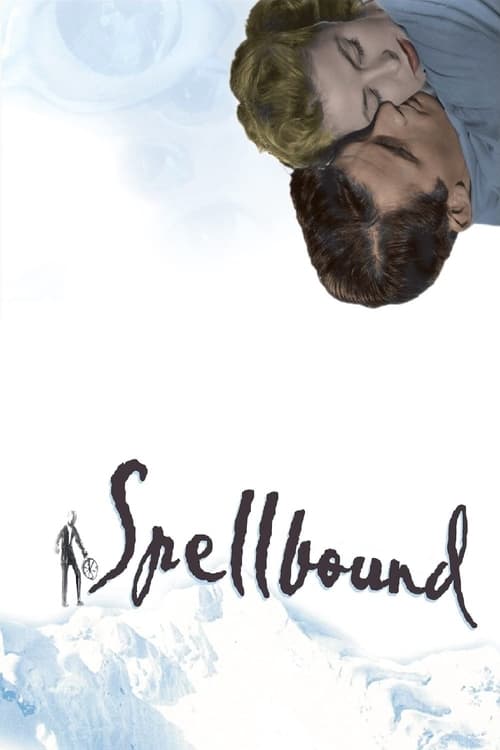
Spellbound
1945
No user ratings available yet
Representation score: 3.6 out of 10
Representation Score
Limited
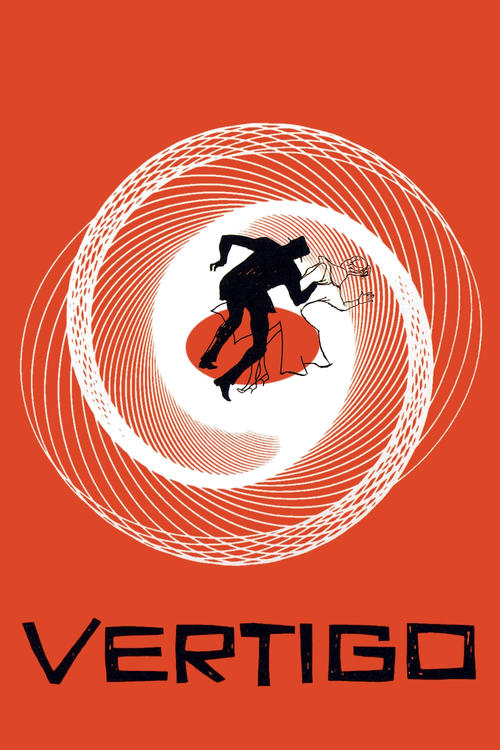
1958
PGDirector
Alfred Hitchcock
Runtime
128 minutes
Average Rating
No ratings yetNew Showbiz Analysis
Vertigo is a masterpiece of psychological suspense that remains firmly anchored in the conservative cinematic traditions of its time. Its narrative structure revolves around individual psychological issues and the male perspective, prioritizing internal tension over diverse representation. The storyline heavily depends on traditional hierarchies related to gender and race. While the film delves into complex themes of identity and obsession, it often portrays secondary characters and female figures as tools for the protagonist’s journey. Overall, the film lacks a broader critique of societal structures or diverse casting, focusing instead on the internal psychological struggles of the main character within a predominantly white, straight-centered context.
Category Breakdown
The film focuses solely on heterosexual relationships, emphasizing a single romantic pursuit without addressing any non-traditional gender identities or challenging assumptions about heterosexuality.
The movie reinforces outdated gender roles where the protagonist tries to reshape female characters to resemble a deceased woman, treating them as objects rather than independent individuals.
The cast is predominantly white, adhering to mid-century standards. Carlotta Valdes, who has a different cultural background, serves mainly as a plot device rather than a fully realized character.
The film touches on moral ambiguity and the fluidity of identity but avoids direct political or religious commentary. It steers clear of any broader critique of societal structures or capitalism.
Acrophobia and vertigo are used as narrative elements to create suspense, functioning as psychological barriers that drive tension rather than representing nuanced experiences of disability.
Present on Screen
Limited or Absent
Official Synopsis
A retired San Francisco detective suffering from acrophobia investigates the strange activities of an old friend's wife, all the while becoming dangerously obsessed with her.
1945
1976
1954
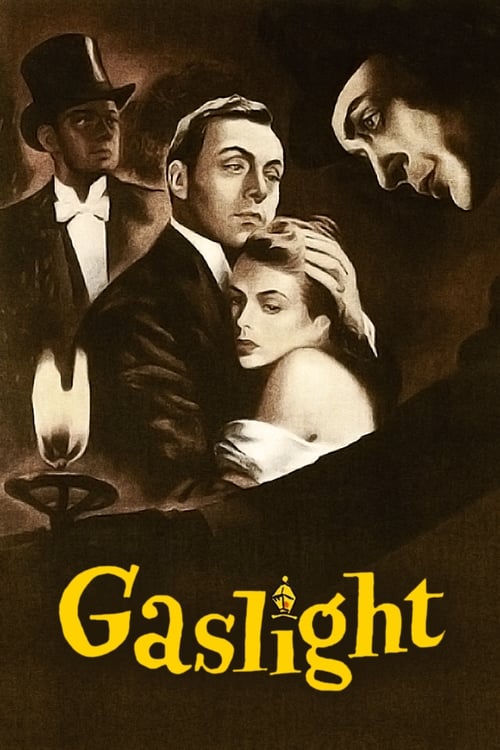
1944
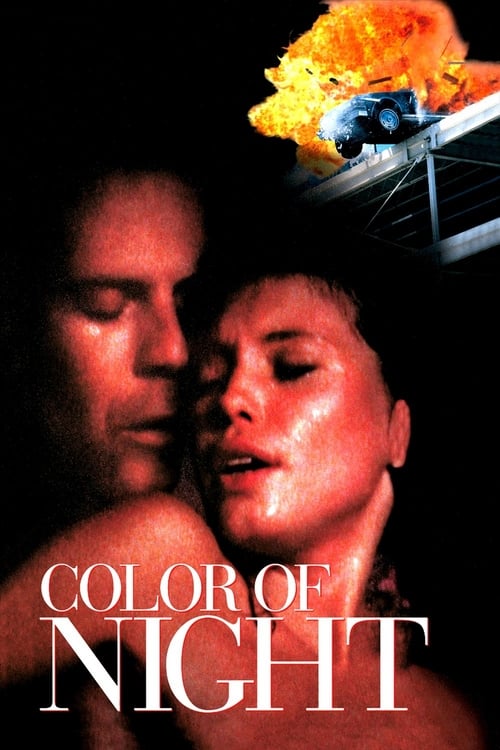
1994
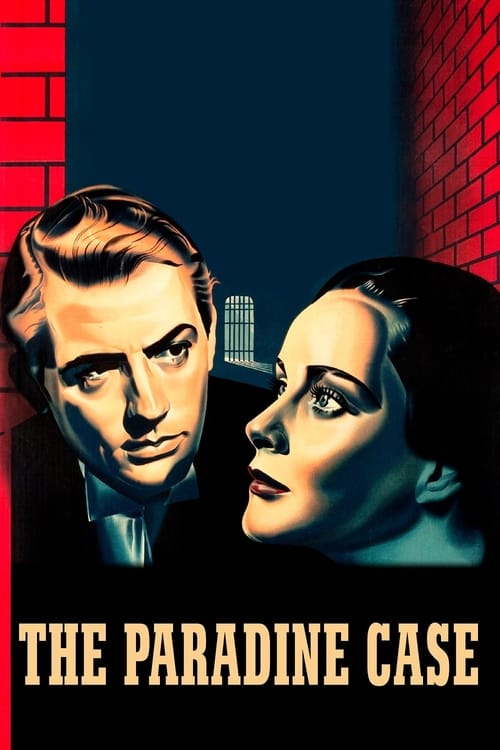
1947
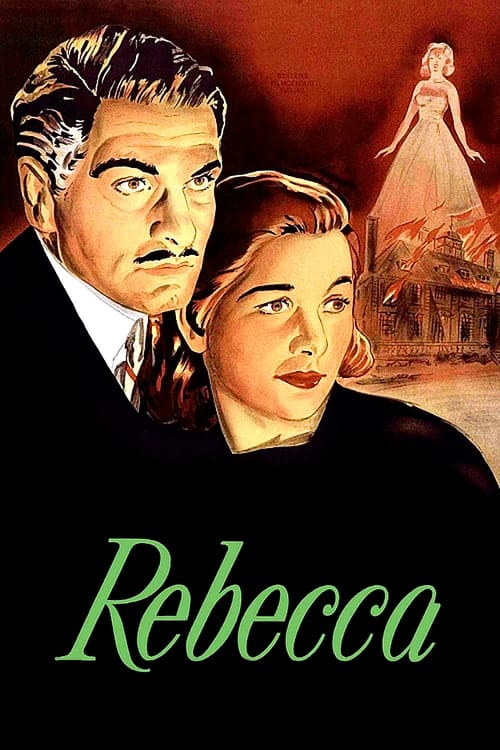
1940

1944
No reviews yet. Be the first to share your thoughts on this movie!
Use the rating form above to leave a star rating and optional review.