Room at the Top
1958
No user ratings available yet
Representation score: 2.6 out of 10
Representation Score
Fair
1956
ApprovedDirector
Douglas Sirk
Runtime
99 minutes
Average Rating
No ratings yetNew Showbiz Analysis
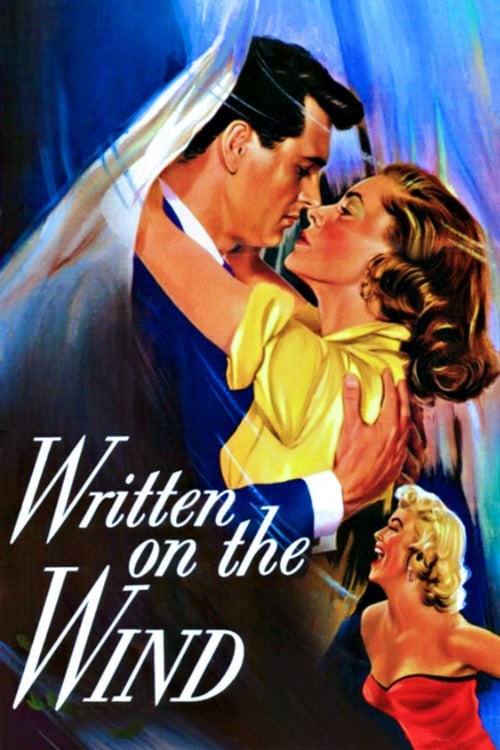
Douglas Sirk’s melodrama serves as a sophisticated critique of mid-century social structures. While the film lacks modern demographic diversity, it excels in challenging traditional values and institutional stability. The narrative dismantles the myth of the stable Western family and the sanctity of wealth. It replaces traditional morality with a framework of situational ethics and moral relativism. Ultimately, the film's strength lies in its ability to use heightened aesthetics to reveal the emptiness of the social norms it appears to uphold.
Category Breakdown
The film doesn't explicitly show non-straight relationships due to 1950s censorship. However, the use of hidden desires and repression hints at a deeper exploration of unspoken identities.
Women play key roles in driving the emotional tension of the story, often navigating a male-dominated world through strategic social interactions. The narrative highlights female empowerment rather than passive domestic life.
The story focuses almost entirely on a homogeneous white upper class during the Texas oil boom era. There is a noticeable lack of meaningful ethnic diversity among the main characters.
The film critically examines the American Dream, presenting capitalism as a cause of moral decline. It depicts the traditional family unit as a source of conflict and greed.
There are no prominent depictions of physical or mental disabilities that serve as central narrative drivers.
Present on Screen
Limited or Absent
Official Synopsis
Mitch Wayne is a geologist working for the Hadleys, an oil-rich Texas family. While the patriarch, Jasper, works hard to establish the family business, his irresponsible son, Kyle, is an alcoholic playboy, and his daughter, Marylee, is the town tramp. Mitch harbors a secret love for Kyle's unsatisfied wife, Lucy -- a fact that leaves him exposed when the jealous Marylee accuses him of murder.
1958
1954

1955
1938

1958

1951
1952
1946
No reviews yet. Be the first to share your thoughts on this movie!
Use the rating form above to leave a star rating and optional review.