
Scarface
1932
No user ratings available yet
Representation score: 3.2 out of 10
Representation Score
Minimal
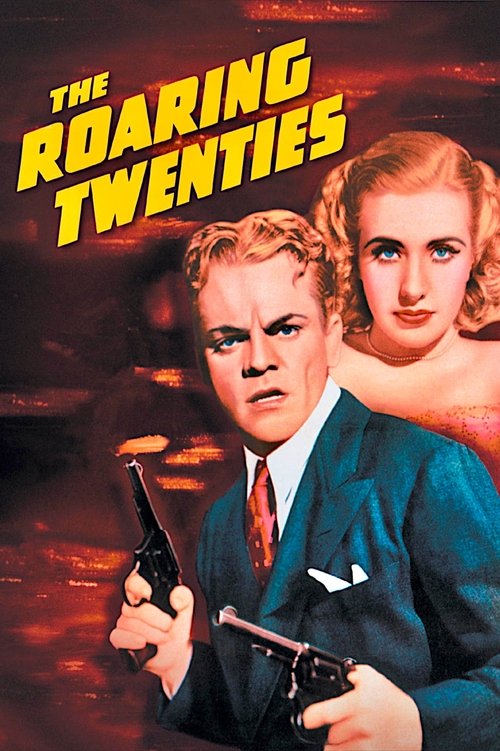
1939
ApprovedDirector
Raoul Walsh
Runtime
104 minutes
Average Rating
No ratings yetNew Showbiz Analysis
This film is a classic example of the 1939 studio era, emphasizing masculine narratives and traditional social structures. It serves as a historical study of the Prohibition era, focusing on the conflict between state laws and individual actions. While the film does not offer progressive representation regarding gender, race, or LGBTQ+ identities, it delves into the complexities of societal friction during the Prohibition period. It highlights the systemic issues of the time, presenting a homogeneous social landscape centered around male competition and physical dominance.
Category Breakdown
The film does not include any queer subtext or non-cisgender identities. All characters adhere to heterosexual norms.
The story focuses mainly on male characters in a criminal underworld. Women are mostly side characters with limited influence on the plot.
The cast is largely white, reflecting the era's casting practices. The film lacks significant minority characters with substantial roles.
The film examines the failure of Prohibition and the tension between government policies and the underground economy.
Disabilities are not part of the character arcs or narrative devices in this film.
Present on Screen
Limited or Absent
Official Synopsis
After World War I, Armistice Lloyd Hart goes back to practice law, former saloon keeper George Hally turns to bootlegging, and out-of-work Eddie Bartlett becomes a cab driver. Eddie builds a fleet of cabs through delivery of bootleg liquor and hires Lloyd as his lawyer. George becomes Eddie's partner and the rackets flourish until love and rivalry interfere.
1932
1931
2016
1931
1990
1947
1931
1950
No reviews yet. Be the first to share your thoughts on this movie!
Use the rating form above to leave a star rating and optional review.