Murder Most Foul
1964
No user ratings available yet
Representation score: 2.1 out of 10
Representation Score
Limited
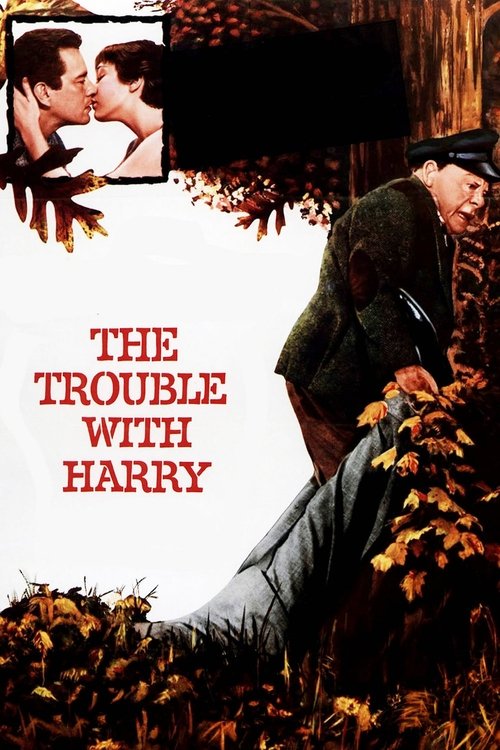
1955
PGDirector
Alfred Hitchcock
Runtime
99 minutes
Average Rating
No ratings yetNew Showbiz Analysis
The film contrasts its limited demographic scope with sophisticated storytelling. Despite a largely homogeneous cast and lack of LGBTQ+ representation, the narrative moves away from the rigid social structures typical of the 1950s. By highlighting women's ability to drive the story through characters like Rose, the film overturns traditional gender roles. It replaces conventional moral instruction with a dark, comedic look at human mistakes and situational ethics. Ultimately, the film challenges objective social orders while maintaining the demographic constraints of its time.
Category Breakdown
The film does not include any LGBTQ+ characters or non-cisgender identities. The social interactions remain focused on heterosexual relationships without challenging traditional views.
Rose challenges the status quo of the 1950s by showing strong ability to act and assertiveness. The story avoids the usual male leader stereotype, focusing instead on the intelligence and decisiveness of female characters.
Set in rural New England, the film features a cast that is mostly white. There are no non-white characters or signs of racial diversity.
The story questions traditional Western morals by breaking down established institutions. It emphasizes situational ethics and dark humor over strict legal or civic standards.
The film does not show any visible or significant representations of physical or neurodivergent disabilities.
Present on Screen
Limited or Absent
Official Synopsis
In a quiet Vermont village, a corpse creates unexpected chaos as several townspeople each believe they may be to blame.
1964
1963
1938
1961
2000
1947
1985
1955
No reviews yet. Be the first to share your thoughts on this movie!
Use the rating form above to leave a star rating and optional review.