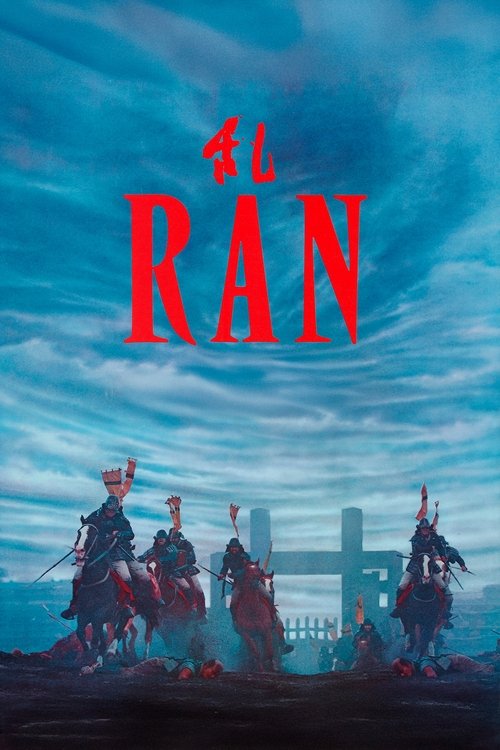
Ran
1985
No user ratings available yet
Representation score: 5.6 out of 10
Representation Score
Limited
1957
NRDirector
Akira Kurosawa
Runtime
108 minutes
Average Rating
No ratings yetNew Showbiz Analysis
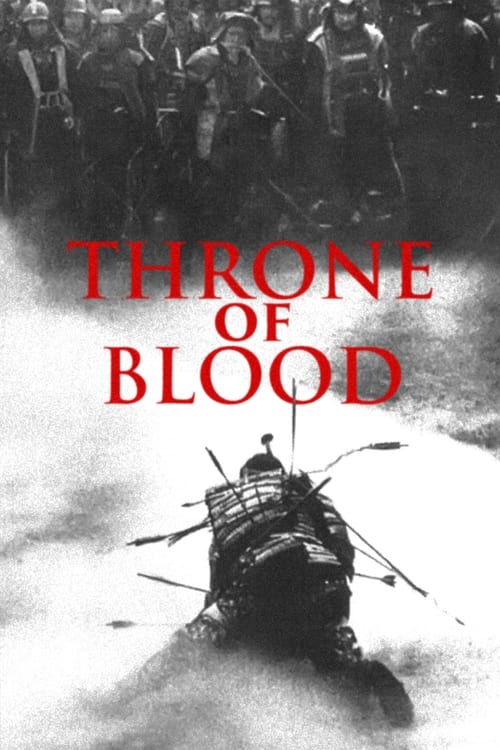
Kurosawa’s adaptation stands out by challenging traditional gender roles. By highlighting Lady Asaji as a powerful figure, the film moves beyond the typical portrayal of women in political dramas. Despite being rooted in the traditional hierarchies of its time, the film adeptly recontextualizes Western literary themes through a Japanese aesthetic. This approach questions the exclusivity of Western classics to a Western perspective. Overall, the film focuses on the tragic outcomes of personal ambition within a rigid social structure, lacking modern characters who reflect more than one aspect of diversity.
Category Breakdown
The film follows the social structures of feudal Japan and Shakespearean source material. There are no representations of LGBTQ+ identities or same-sex relationships.
Lady Asaji challenges traditional gender roles by serving as the main psychological driver of the plot. Her strategic actions position women as key figures in the story's development.
The cast is ethnically uniform, reflecting the film's setting in feudal Japan. However, the film successfully translates Western themes into a Japanese context.
The storyline examines the breakdown of feudal society through a fatalistic lens. Supernatural elements serve as agents of fate without critiquing organized religion.
The film does not include characters with visible or invisible disabilities as central to the narrative.
Present on Screen
Limited or Absent
Official Synopsis
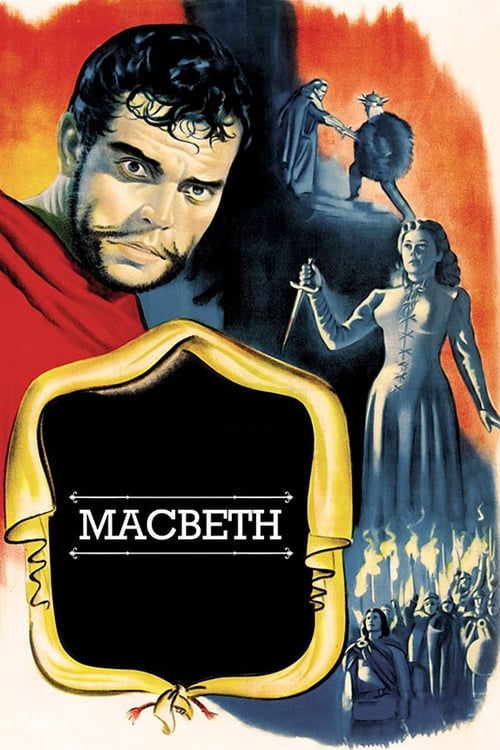
Returning to their lord's castle, samurai warriors Washizu and Miki are waylaid by a spirit who predicts their futures. When the first part of the spirit's prophecy comes true, Washizu's scheming wife, Asaji, presses him to speed up the rest of the spirit's prophecy by murdering his lord and usurping his place. Director Akira Kurosawa's resetting of William Shakespeare's "Macbeth" in feudal Japan is one of his most acclaimed films.
1985
1953
1941
1952
1980
1948
1958
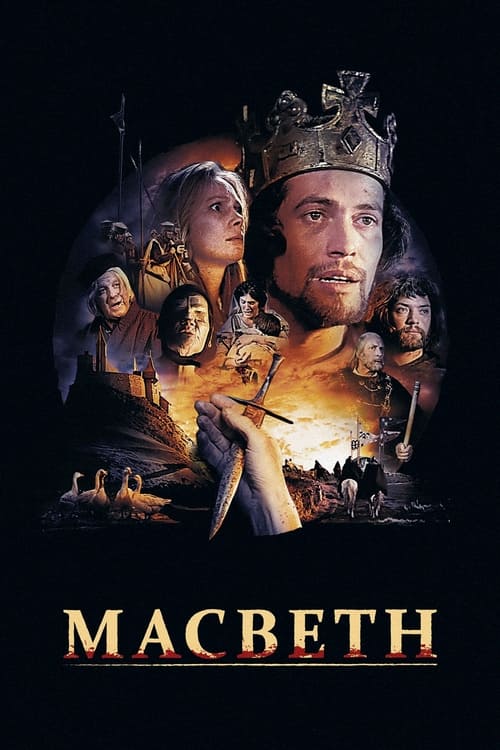
1971
No reviews yet. Be the first to share your thoughts on this movie!
Use the rating form above to leave a star rating and optional review.