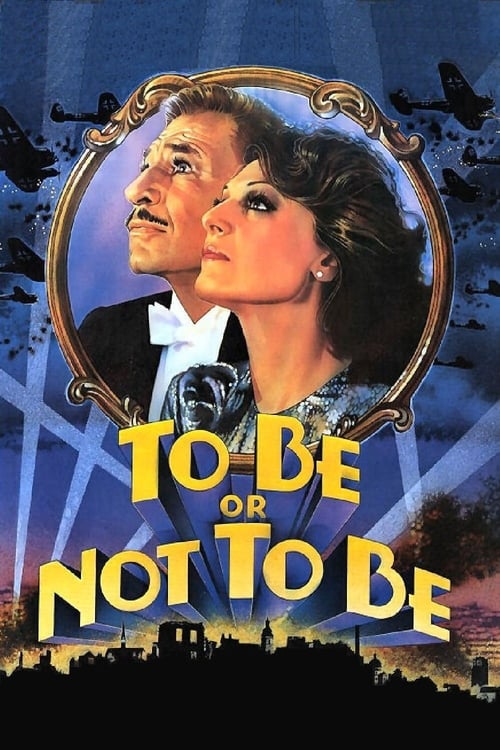
To Be or Not to Be
1983
No user ratings available yet
Representation score: 5.6 out of 10
Representation Score
Excellent
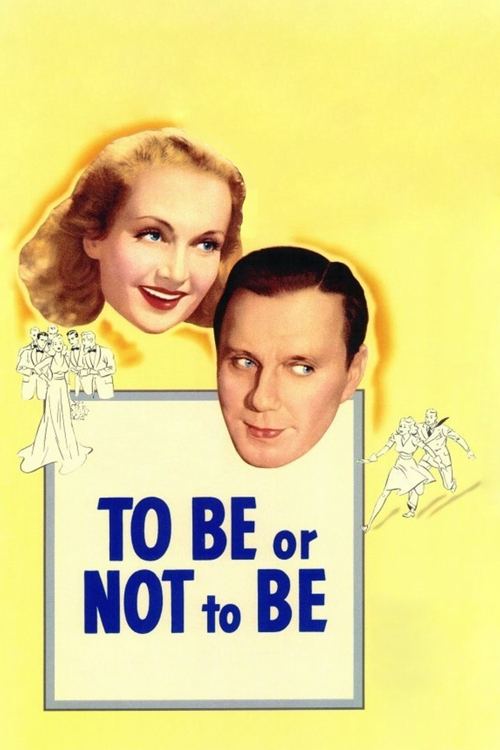
1942
ApprovedDirector
Ernst Lubitsch
Runtime
99 minutes
Average Rating
No ratings yetNew Showbiz Analysis
Ernst Lubitsch employs his characteristic wit to undermine fascist power structures through satire. The film stands out by depicting women as sophisticated, influential figures in the resistance movement rather than merely supportive characters. While the film lacks LGBTQ+ and disability representation, it offers a nuanced view of the vulnerabilities faced by Jewish populations in occupied Poland. It explores the fluid identities necessary for survival through performance and disguise. Ultimately, the work succeeds through its sophisticated dismantling of authority. It presents the protagonists' defiance as a heroic necessity against a corrupt regime.
Category Breakdown
The film does not include any explicit LGBTQ+ characters or non-cisgender identities. Romantic relationships in the film are centered around heterosexual couples, with no clear symbols representing LGBTQ+ individuals.
Female characters in the acting troupe show a significant role in driving the story and strategic thinking. Characters like Josefina avoid typical submissive roles, acting as competent and crucial members of the resistance.
Set in occupied Poland, the film recognizes the presence of various ethnic groups and Jewish characters. It avoids presenting a purely homogeneous perspective by focusing on a Polish troupe operating in a diverse environment.
The film uses satire to criticize the absurdity and corruption of Nazi institutions. It portrays social rebellion and espionage as necessary tools for liberation against a systemically oppressive regime.
The film does not feature any central depictions of physical or cognitive disabilities. The storyline emphasizes the psychological tension of living under wartime occupation rather than specific disability identities.
Present on Screen
Limited or Absent
Official Synopsis
During the Nazi occupation of Poland, an acting troupe becomes embroiled in a Polish soldier's efforts to track down a German spy.
1983
1959

1940
1946

1979
1948

2016
1953
No reviews yet. Be the first to share your thoughts on this movie!
Use the rating form above to leave a star rating and optional review.