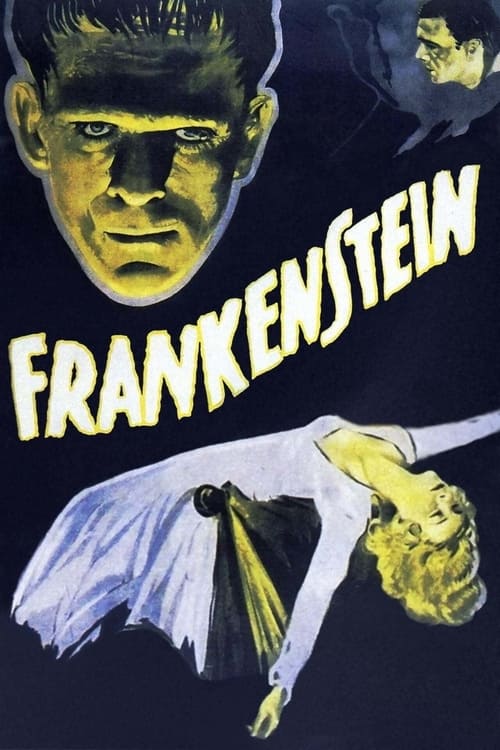
Frankenstein
1931
No user ratings available yet
Representation score: 2.5 out of 10
Representation Score
Good
1935
NRDirector
James Whale
Runtime
75 minutes
Average Rating
No ratings yetNew Showbiz Analysis
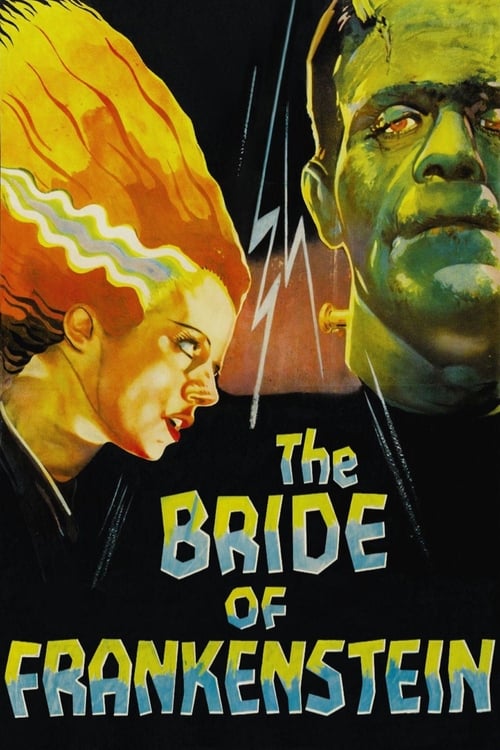
James Whale’s direction infuses the film with a stylized aesthetic that challenges the rigid social mores of the 1930s. The work excels in its subtextual layers, particularly through subtle hints at non-normative existence and the deconstruction of traditional scientific and moral authorities. While the film is progressive in its thematic depth and character-driven narratives, it is limited by the era's casting norms. The lack of racial diversity creates a significant gap in its representation compared to its intellectual sophistication. Ultimately, the film's strength lies in its ability to use horror to explore outsider identities and the flaws of established social structures.
Category Breakdown
The film uses heightened camp and dramatic artifice to hint at non-normative existence. The Monster's quest for acceptance outside societal norms serves as a powerful metaphor for non-conforming identities.
Elizabeth subverts typical damsel-in-distress clichés with her manic, intelligent presence. The film explores the creation of womanhood as a complex scientific endeavor rather than a traditional domestic role.
Reflecting its 1935 context, the film features a predominantly white cast. The narrative remains centered on European scientific and gothic traditions without significant racial blending.
The story critiques traditional Western institutions and the dangers of collective hysteria. It questions whether monstrosity lies in physical form or in the ethical failures of men playing God.
The Monster embodies physical otherness and drives the plot through his desire for connection. The film focuses on his existential struggle rather than using him as simple inspiration.
Present on Screen
Limited or Absent
Official Synopsis
After recovering from injuries sustained in the mob attack upon himself and his creation, Dr. Henry Frankenstein falls under control of his former mentor, Dr. Pretorius, who insists the now-chastened doctor resume his experiments in creating new life. Meanwhile, the Monster remains on the run from those who wish to destroy him.
1931
1939

1931
1941
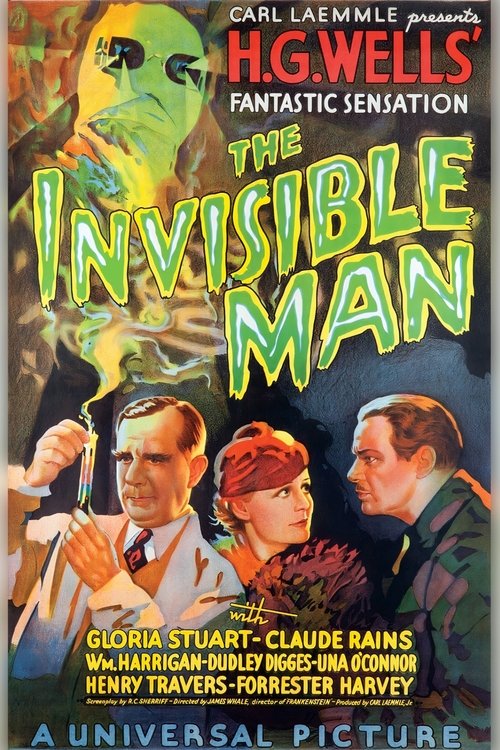
1933
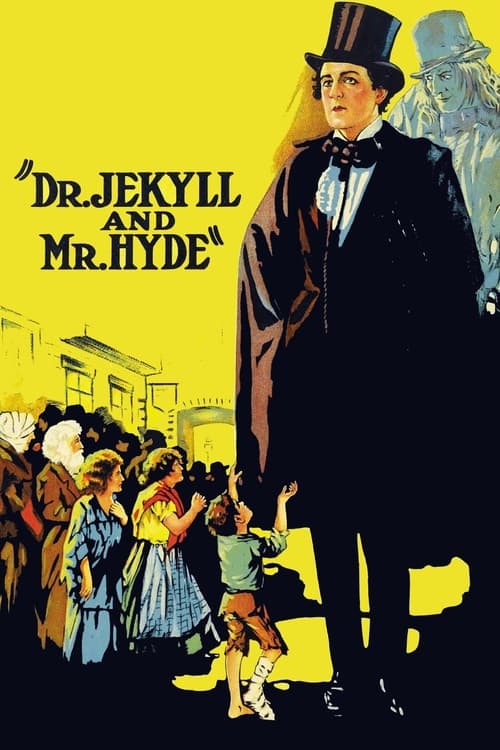
1920
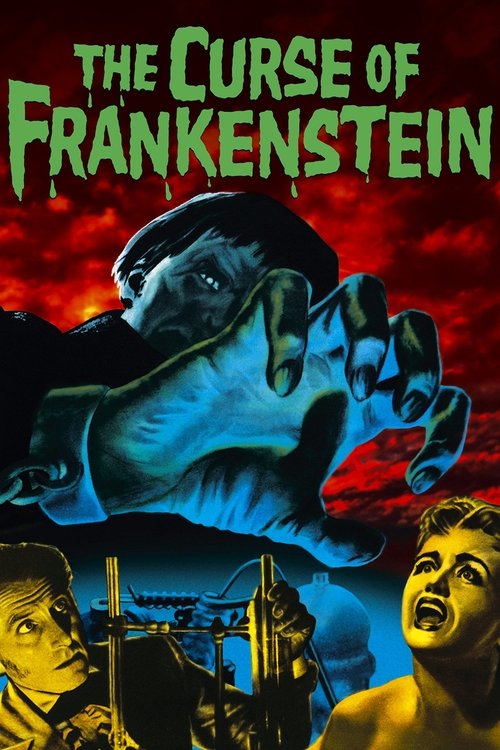
1957
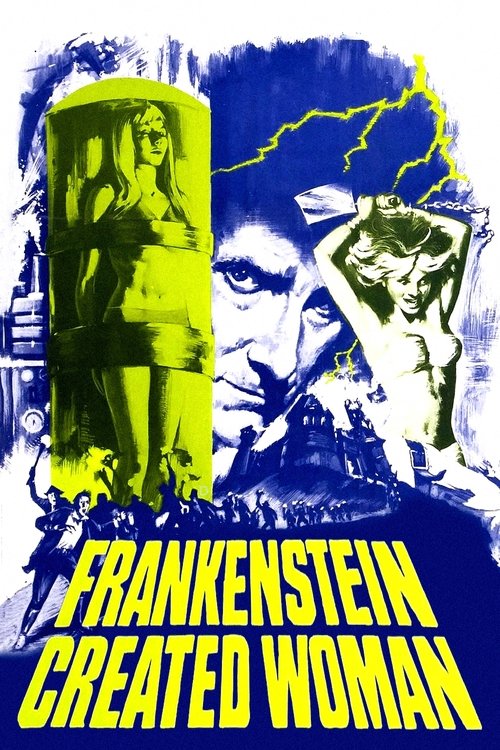
1967
No reviews yet. Be the first to share your thoughts on this movie!
Use the rating form above to leave a star rating and optional review.