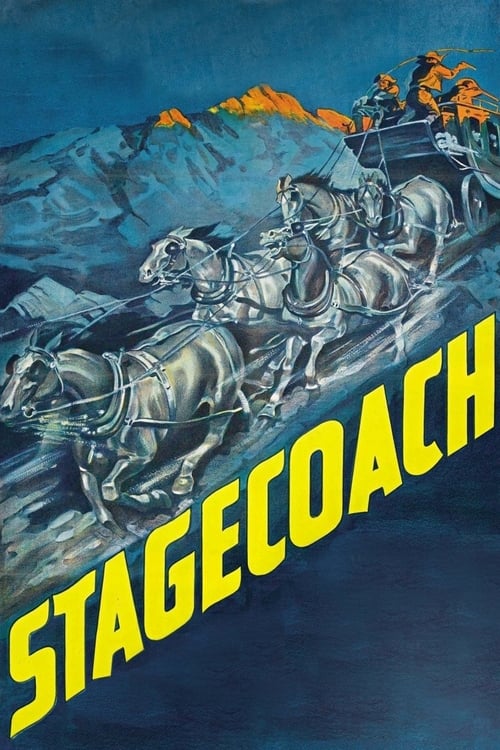
Stagecoach
1939
No user ratings available yet
Representation score: 4.2 out of 10
Representation Score
Limited
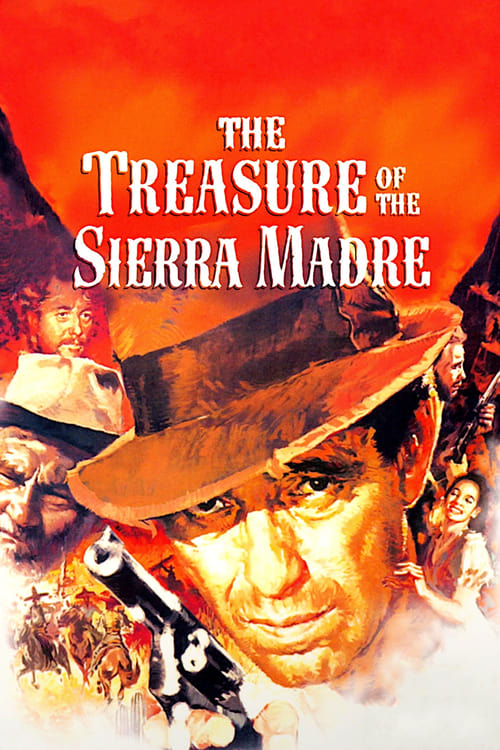
1948
ApprovedDirector
John Huston
Runtime
126 minutes
Average Rating
No ratings yetNew Showbiz Analysis
John Huston's classic explores human greed with philosophical depth but lacks broad demographic representation. It offers a sophisticated critique of capitalist motivations, questioning the stability of wealth. However, the film is constrained by the conventions of its time, focusing heavily on male-centric narratives and relegating women and diverse characters to minor roles. The Mexican setting serves more as a backdrop for American characters than as a platform for authentic local representation. Despite its progressive moral relativism, the film remains tied to mid-century social hierarchies.
Category Breakdown
The film assumes everyone is straight and does not include any LGBTQ+ identities or queer subtext.
The story focuses mainly on male characters and their psychological struggles. Women have minor roles and do not significantly influence the plot.
The film is set in Mexico but primarily features American characters. Local inhabitants serve more as background rather than having complex character development.
The film critiques capitalism and material accumulation, presenting the pursuit of gold as destructive. It challenges traditional Western values.
The main storyline does not feature characters with visible or invisible disabilities.
Present on Screen
Limited or Absent
Official Synopsis
Two jobless Americans convince a prospector to travel to the mountains of Mexico with them in search of gold. But the hostile wilderness, local bandits, and greed all get in the way of their journey.
1939
1954
1961
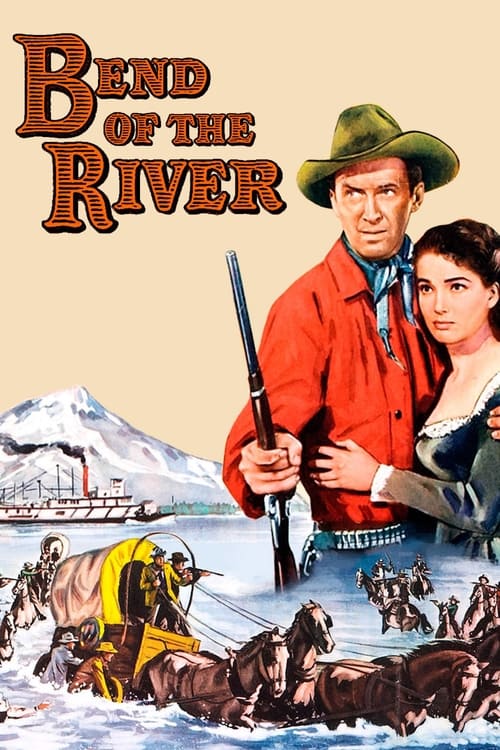
1952
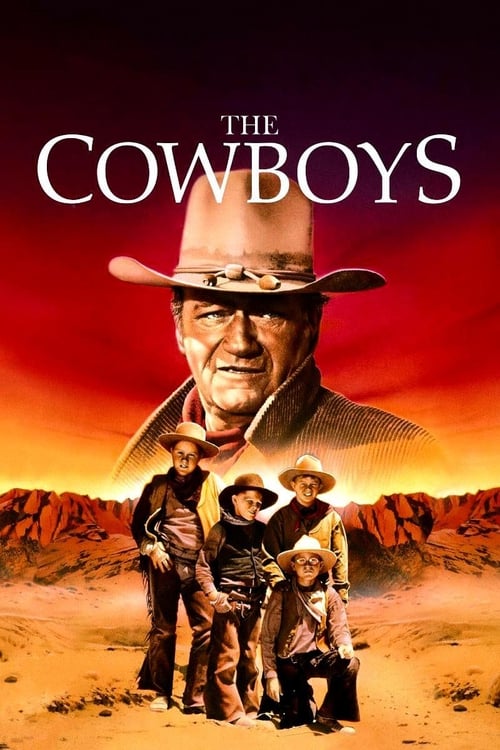
1972
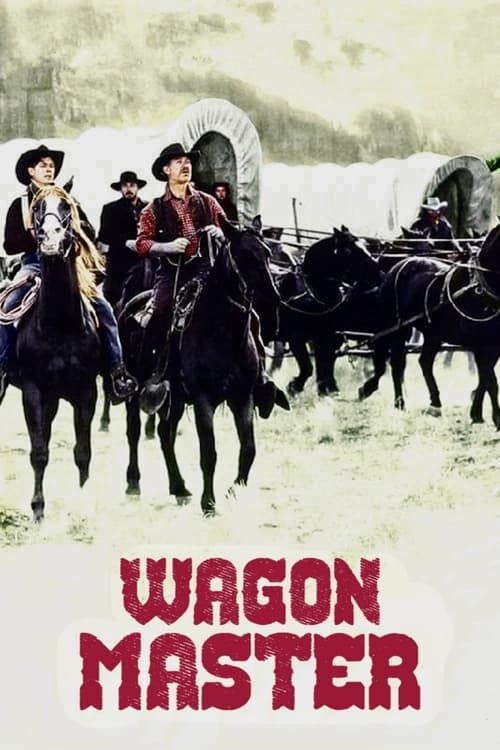
1950

1953
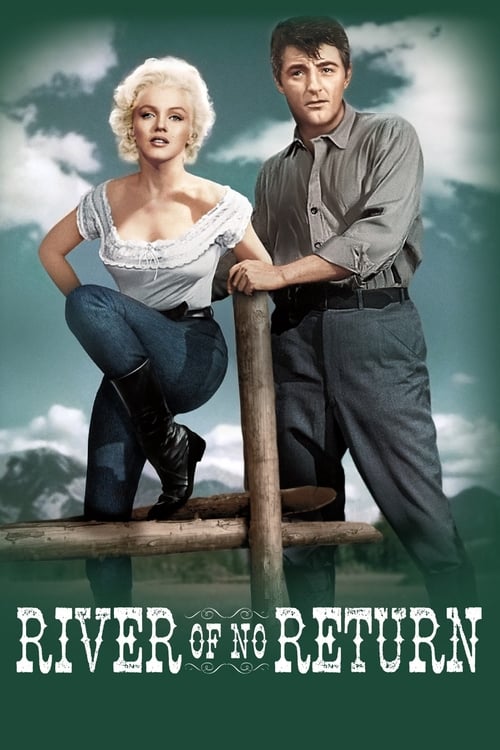
1954
No reviews yet. Be the first to share your thoughts on this movie!
Use the rating form above to leave a star rating and optional review.