
Lifeboat
1944
No user ratings available yet
Representation score: 2.4 out of 10
Representation Score
Limited
1953
Not RatedDirector
Stanley Kubrick
Runtime
62 minutes
Average Rating
No ratings yetNew Showbiz Analysis
Stanley Kubrick’s directorial debut is a stark departure from the sanitized, heroic war films common in the 1950s. While it fails to provide meaningful representation for women, queer individuals, or diverse ethnic groups, it succeeds as a psychological deconstruction of the genre. The film's value lies in its intellectual subversion. Instead of celebrating military discipline, it portrays the crumbling of authority and the descent into madness. It trades traditional patriotism for a complex, subjective exploration of survival and moral decay. Ultimately, the work is a study of human fragmentation. It prioritizes existentialist themes over demographic breadth, making it a significant, if narrow, critique of institutional efficacy and wartime morality.
Category Breakdown
The film focuses entirely on the psychological breakdown of a male combat unit. There are no depictions of queer identities or same-sex relationships.
The story is heavily male-dominated, leaving female characters with very little influence. A local peasant girl appears, but she mainly serves as a plot device.
The cast is predominantly white, reflecting the production standards of the time. The film lacks diverse casting and does not explore the intersection of race and identity.
The film excels by critiquing romanticized Western military narratives. It replaces patriotic glory with moral ambiguity and a chaotic, existentialist view of human morality.
Psychological trauma and mental erosion are central themes. However, these are shown as consequences of combat rather than detailed explorations of specific identities.
Present on Screen
Limited or Absent
Official Synopsis
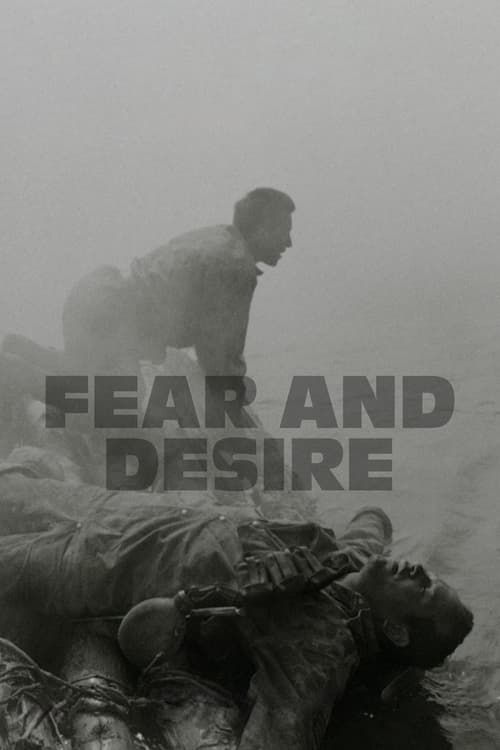
After their airplane crashes behind enemy lines, four soldiers must survive and try to find a way back to their battalion. However, when they come across a local peasant girl the horrors of war quickly become apparent.
1944

1968

1957
1965

1971

1957
1930

1945
No reviews yet. Be the first to share your thoughts on this movie!
Use the rating form above to leave a star rating and optional review.