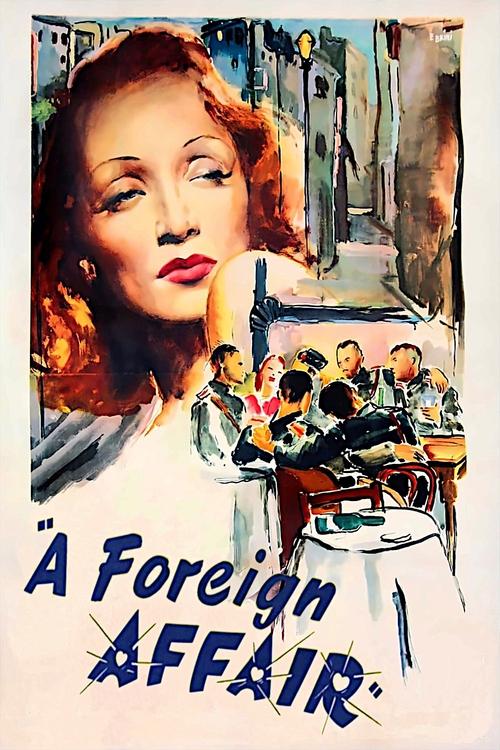
A Foreign Affair
1948
No user ratings available yet
Representation score: 3.8 out of 10
Representation Score
Limited
1939
NRDirector
Ernst Lubitsch
Runtime
110 minutes
Average Rating
No ratings yetNew Showbiz Analysis
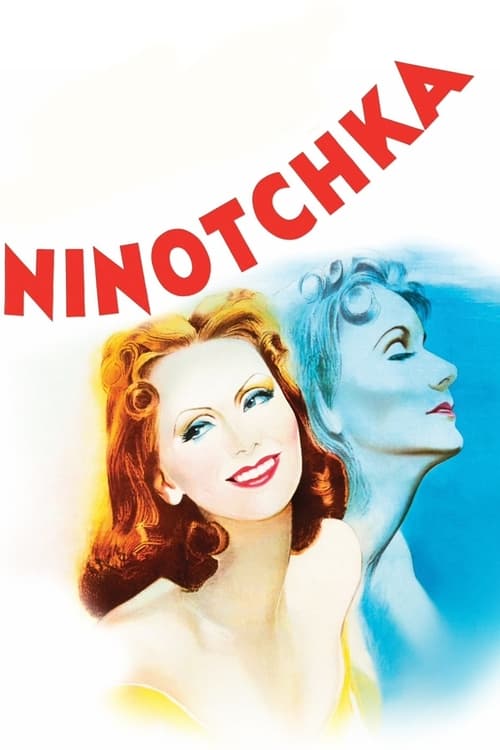
Ninotchka stands out for its clever subversion of 1930s gender roles. By showcasing a powerful female protagonist with substantial political and intellectual influence, the film challenges traditional hierarchies and avoids the submissive female stereotype. However, the film's scope is limited by its lack of racial diversity. It focuses solely on the cultural clash between Soviet and French societies, ignoring broader racial identities. Ultimately, the film's strength lies in its ideological satire. It uses humor to critique institutional rigidity, promoting individual freedom over rigid social structures.
Category Breakdown
The film focuses on a heterosexual relationship between Ninotchka and Count Gabin. There are no hints of LGBTQ+ identities or queer themes.
Ninotchka holds a high-ranking position with significant political influence. Her journey towards romance highlights her personal autonomy rather than a retreat into domestic life.
The cast is predominantly made up of white European actors. The film maintains a Eurocentric focus without acknowledging non-Western identities.
The story critiques both Soviet collectivism and Western capitalism using a secular, humanistic viewpoint. It emphasizes individual freedom over strict moral codes.
There are no significant portrayals of physical or cognitive disabilities used as central character traits.
Present on Screen
Limited or Absent
Official Synopsis
A stern Russian woman sent to Paris on official business finds herself attracted to a man who represents everything she is supposed to detest.
1948
1933
1934
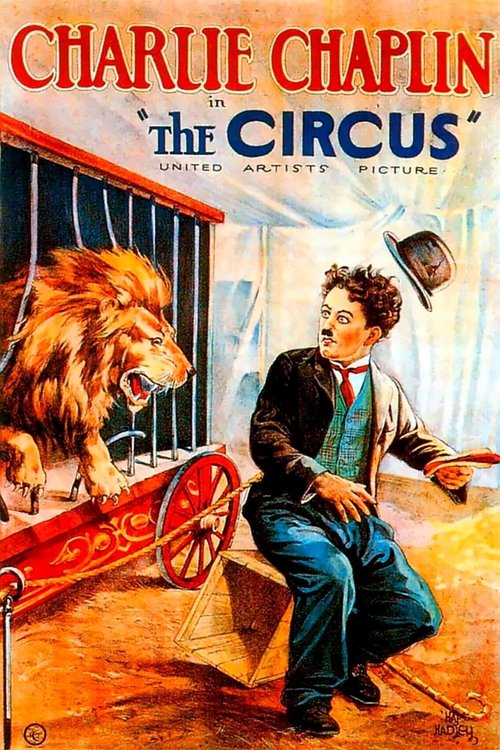
1928
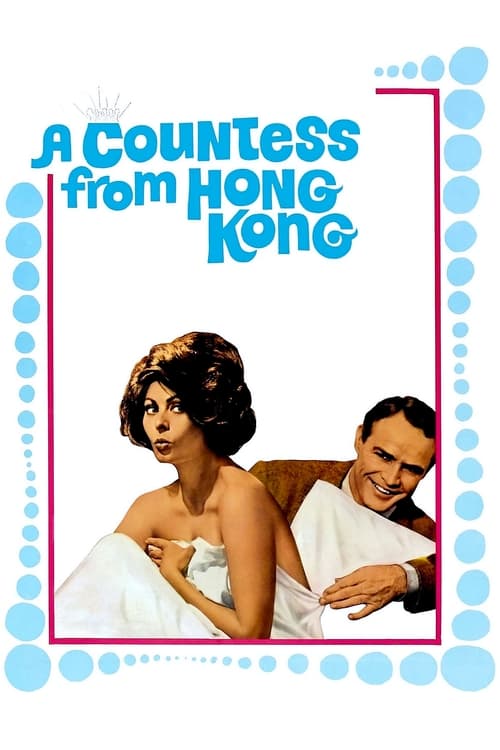
1967
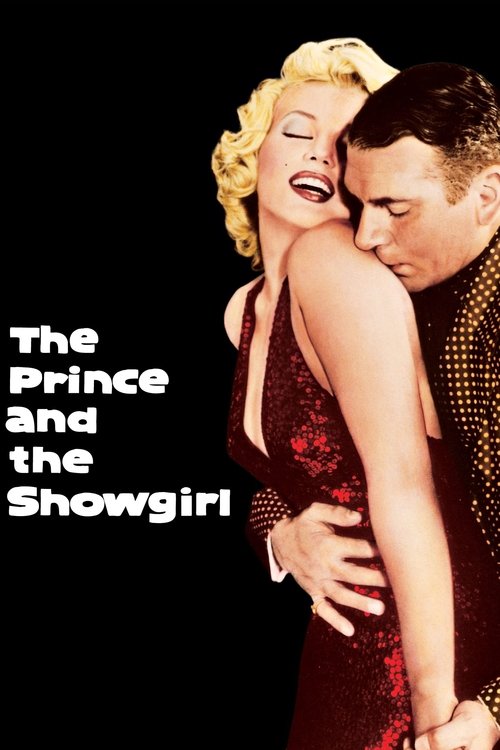
1957

1940
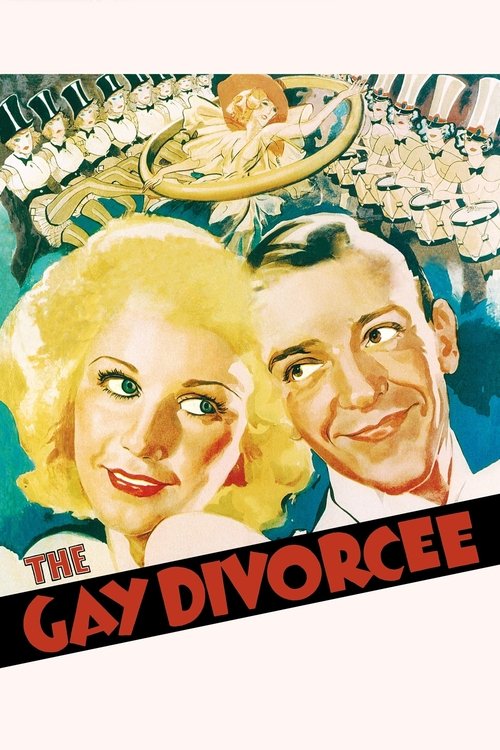
1934
No reviews yet. Be the first to share your thoughts on this movie!
Use the rating form above to leave a star rating and optional review.