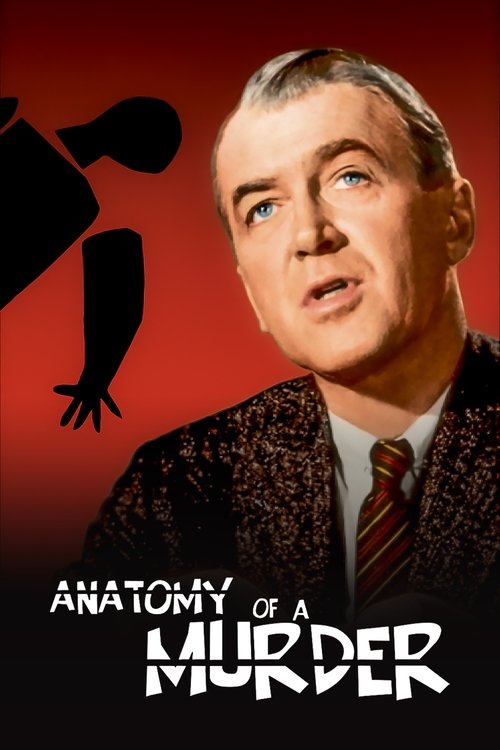
Anatomy of a Murder
1959
No user ratings available yet
Representation score: 1.2 out of 10
Representation Score
Limited
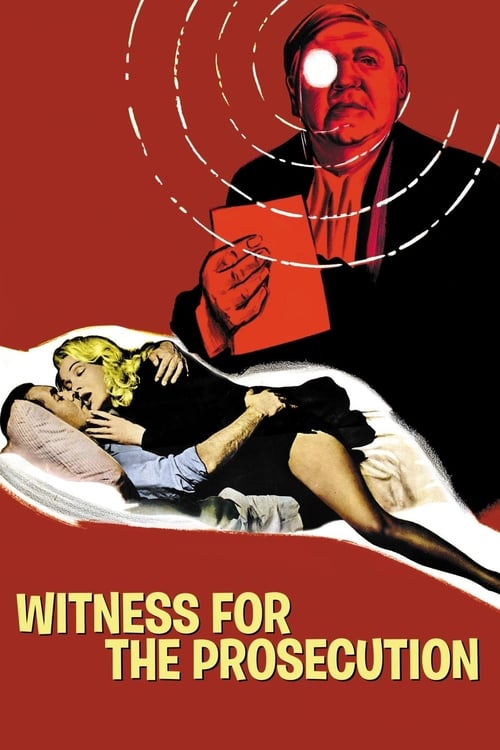
1957
NRDirector
Billy Wilder
Runtime
116 minutes
Average Rating
No ratings yetNew Showbiz Analysis
Billy Wilder’s classic mystery prioritizes psychological complexity and moral ambiguity over demographic breadth. The film excels at challenging traditional gender roles, allowing a female character to drive the structural outcome of the plot through sheer intellect. However, the work remains culturally homogeneous and lacks modern characters who reflect more than one aspect of diversity. It is a study of a specific, white, upper-middle-class British social stratum, offering little in the way of racial or LGBTQ+ diversity. Ultimately, the film's strength lies in its sophisticated exploration of human deception and situational ethics, even as it operates within a very traditional social framework.
Category Breakdown
The film strictly follows the conventions that assume everyone is straight and cisgender, with no depiction of queer dynamics or non-assuming gender matches what was assigned at birth identities.
Romaine Vole challenges traditional gender roles by playing a leading role in driving the plot. She uses her intelligence and strategic thinking to outmaneuver the male-dominated legal establishment.
The cast is primarily composed of white, Anglo-Saxon actors, reflecting the social constraints of its 1957 British setting. It focuses on the upper-middle-class without diverse ethnic perspectives.
The story engages with moral relativism and situational ethics rather than absolute justice. It remains rooted in Western institutional frameworks like the British legal system.
No visible or invisible disabilities are portrayed as central to character arcs. Characters with disabilities are not used as narrative devices.
Present on Screen
Limited or Absent
Official Synopsis
An ailing barrister is thrust back into the courtroom in what becomes one of the most unusual and eventful murder cases of the lawyer's career when he finds himself defending a man being tried for the murder of a socialite.
1959
1947
2017
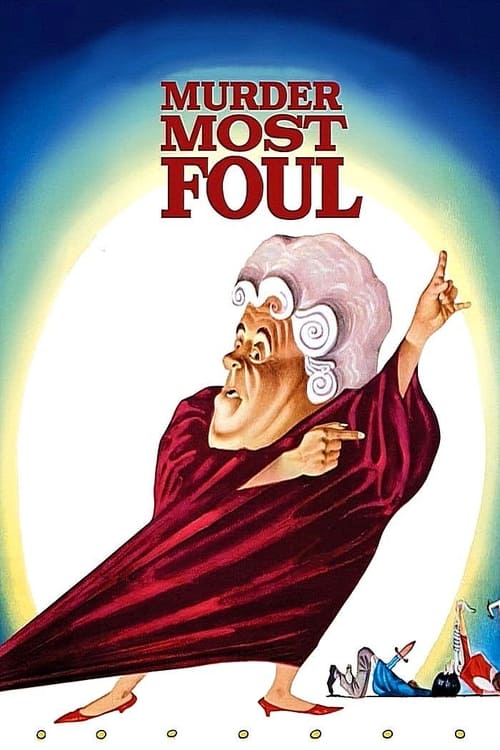
1964
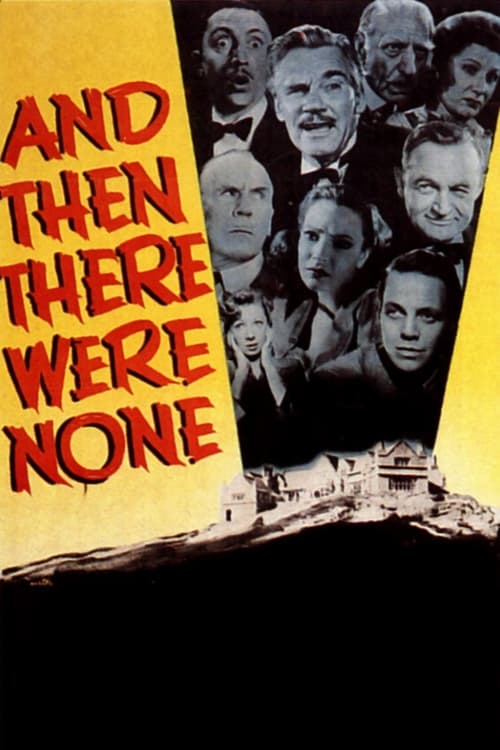
1945
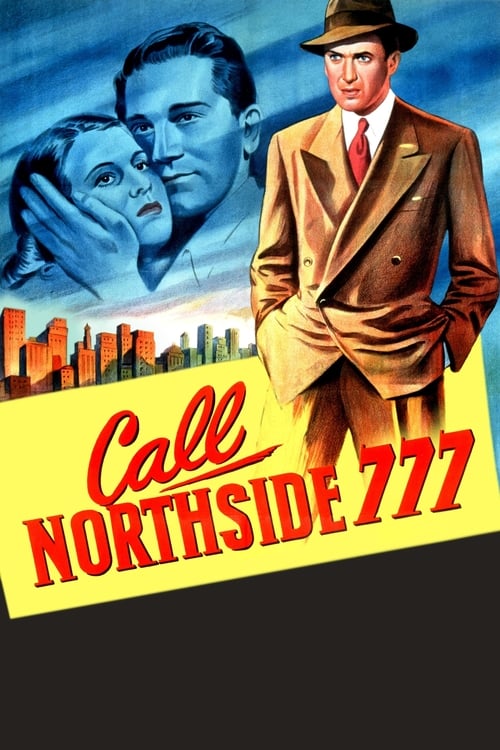
1948
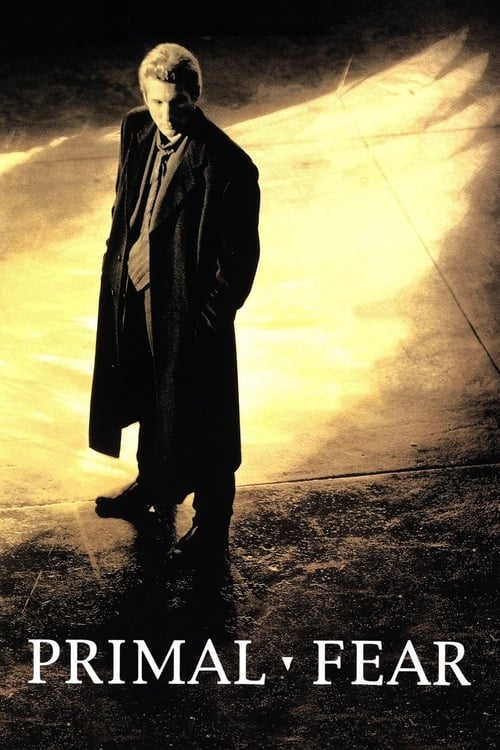
1996

1944
No reviews yet. Be the first to share your thoughts on this movie!
Use the rating form above to leave a star rating and optional review.