Mad Max: Fury Road
2015
RNo user ratings available yet
Representation score: 9.2 out of 10
These lists use approved gender representation scores for action films that have written notes. Highest-scoring films are those whose notes describe more on-screen gender representation. Lowest-scoring films are those whose notes describe less. Neither list is a quality ranking.
Imperator Furiosa drives the plot and kills the tyrant. Max is a passive passenger and blood source.
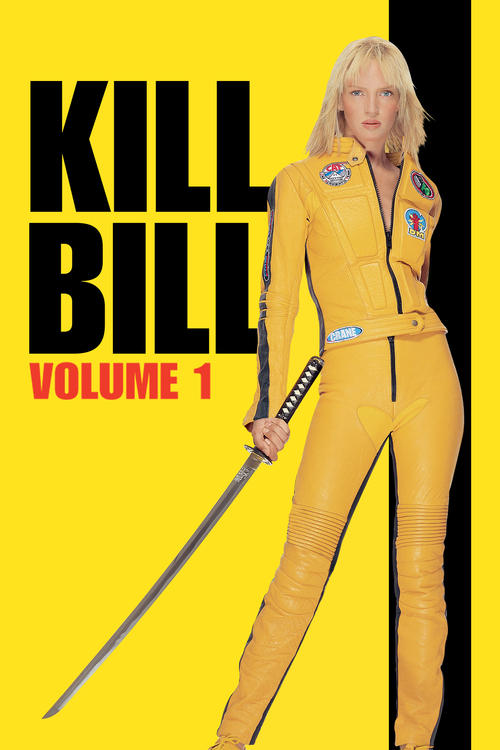
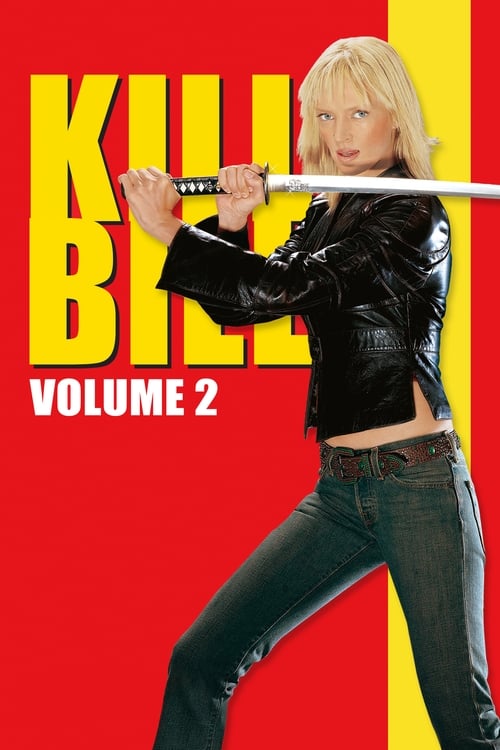
The Bride drives the plot as the sole competent survivor, while men like Bill and Budd serve as antagonists or comic relief. Vernita Green represents the "domestic" choice, yet her suburban life is framed as a trap that the Bride rejects.
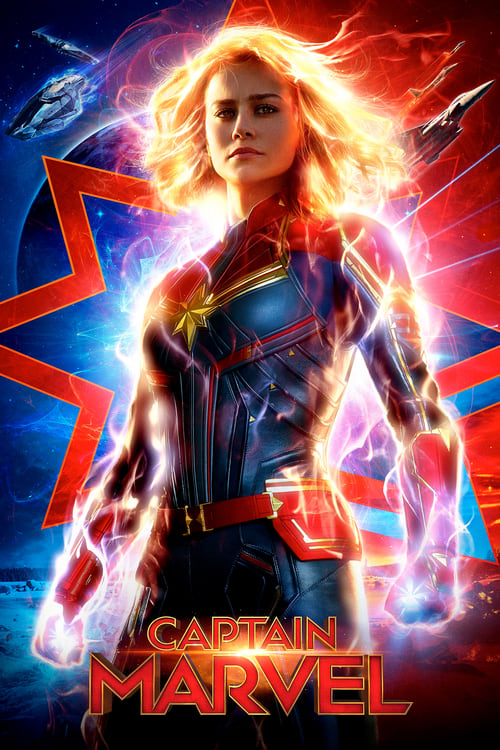
Carol Danvers serves as a central figure with immense ability to act, dismantling male-coded military structures. The narrative celebrates female autonomy over submissive femininity, challenging traditional gender hierarchies.
The narrative excels by centering a female ensemble in high-stakes combat roles. It disrupts the 'male-as-protector' cliché, presenting women as the primary drivers of the plot and intellectual forces.
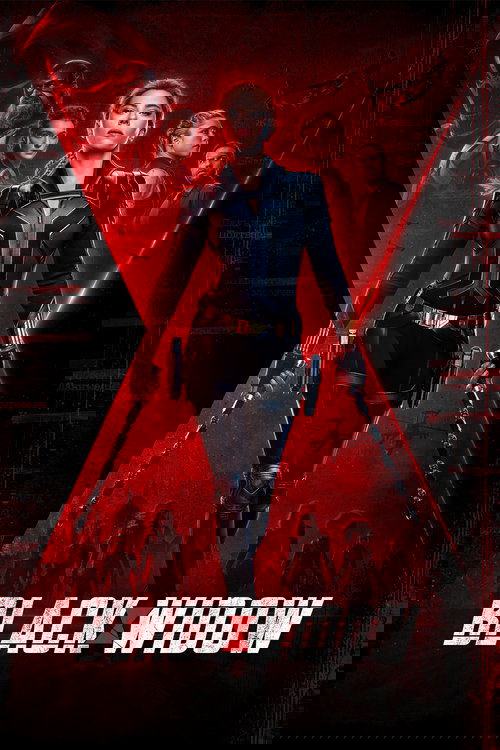
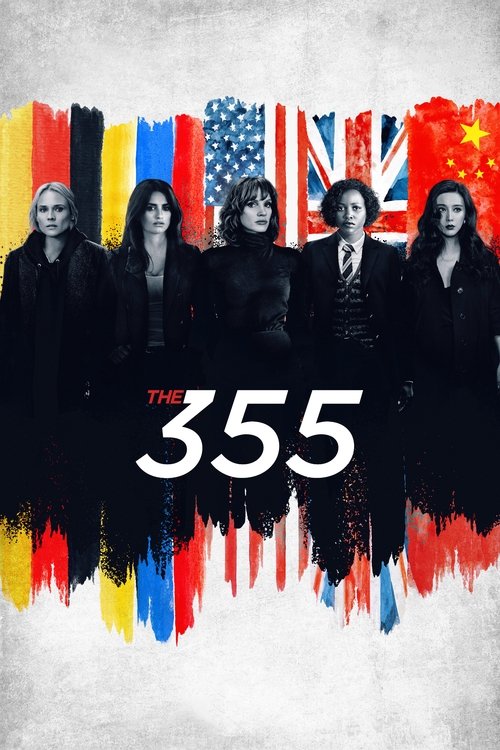
The film features a diverse group of women, including assassins and detectives. It challenges the idea of men protecting women and passes the Bechdel test by having meaningful conversations focused on survival.
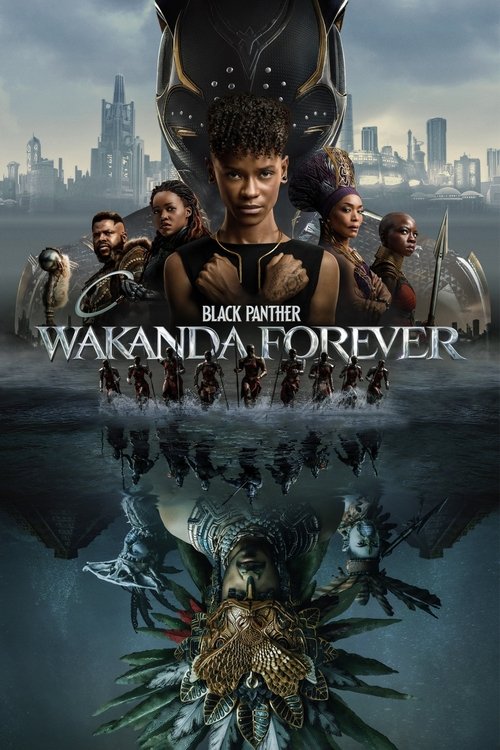
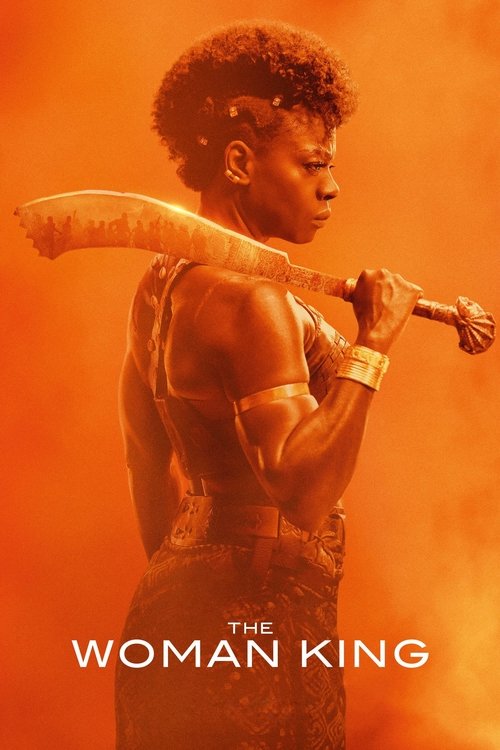
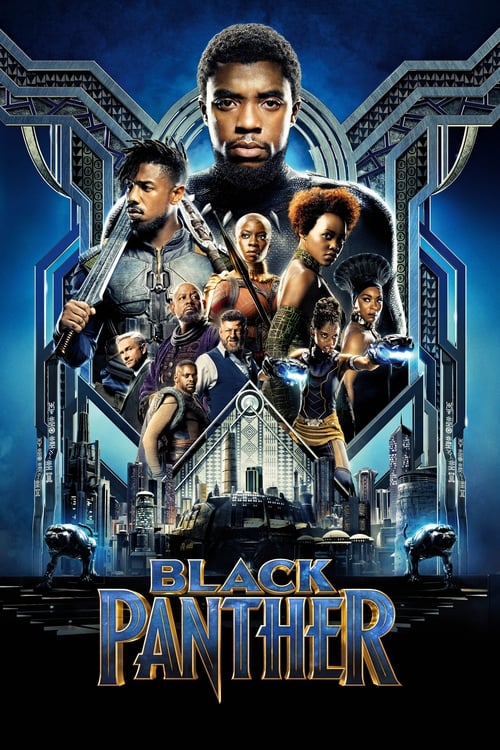
The film challenges traditional cinematic hierarchies by emphasizing female leadership and ability to act. Characters like Queen Ramonda and Shuri drive the plot through their intellect and political skills, subverting the typical male-centric hero journey.
The film replaces male-dominated roles with an all-female cast, showcasing superior intellect and physical strength. This dismantles the 'damsel in distress' stereotype.
The film centers women in military and political roles, emphasizing their intellect and physical strength. It challenges traditional gender hierarchies.
This film stands out by replacing traditional male power structures with a matriarchal hierarchy. Female characters show superior tactical intelligence and physical strength, effectively displacing the common male savior cliché.
Traditional gender hierarchies are challenged by focusing on female-coded and non-binary characters. Power comes from emotional intelligence and community support rather than traditional male dominance or physical strength.
The film focuses on a strong female protagonist who drives the plot with her superior tactical intellect and physical combat skills. She is not a passive figure but actively shapes the story.
The narrative dismantles traditional clichés by centering highly intelligent, capable female protagonists. It replaces the 'damsel' archetype with characters defined by technical proficiency and investigative roles.
Nakia, Okoye, and Shuri function as the moral and technical centers of Wakanda. T'Challa defers to their judgment, and the film resolves the political crisis through their counsel rather than his.
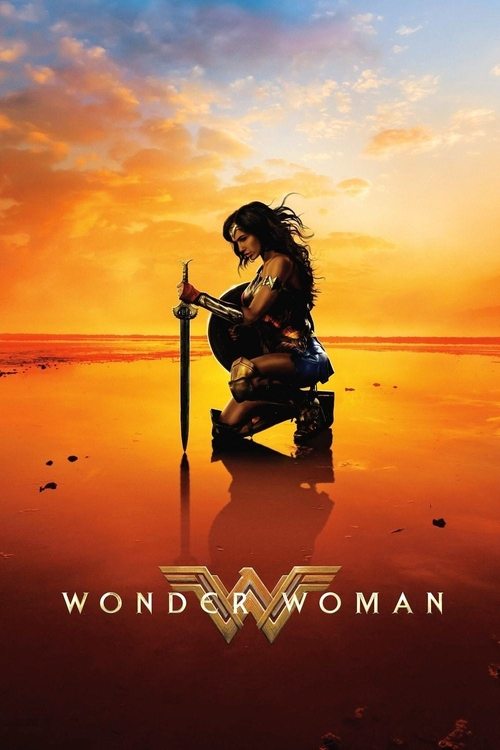
Diana drives the plot as the sole moral and physical center, while male characters function as foils or obstacles. Steve Trevor is framed as physically weaker and morally confused, requiring her protection.
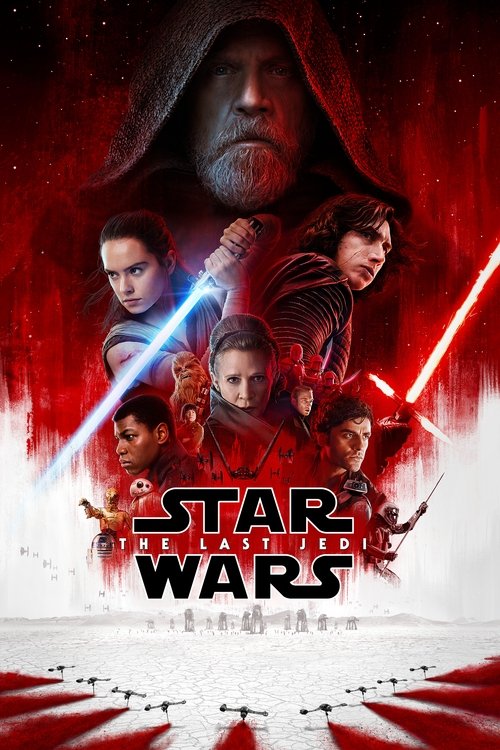
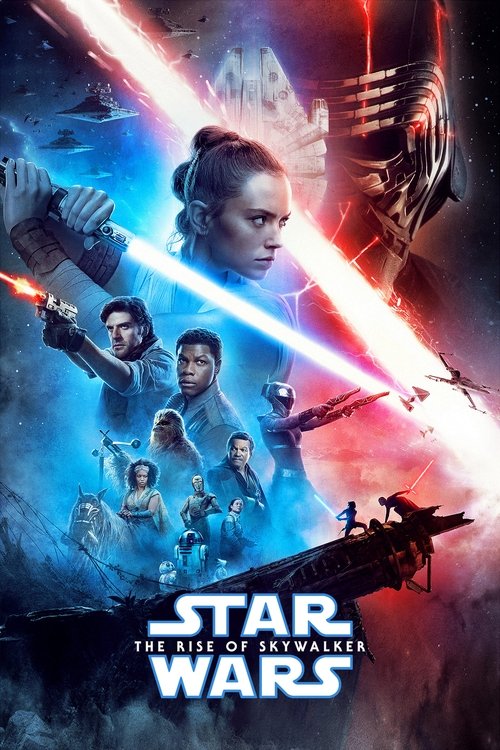
Characters like Rey, Leia, and Rose Tico play strong roles in driving the narrative. The portrayal of Luke Skywalker as vulnerable and disillusioned challenges traditional male protector roles.
Beatrix Kiddo challenges traditional gender roles through her strong ability to act and physical abilities. Female characters such as Elle Driver also hold significant power and professional skills.
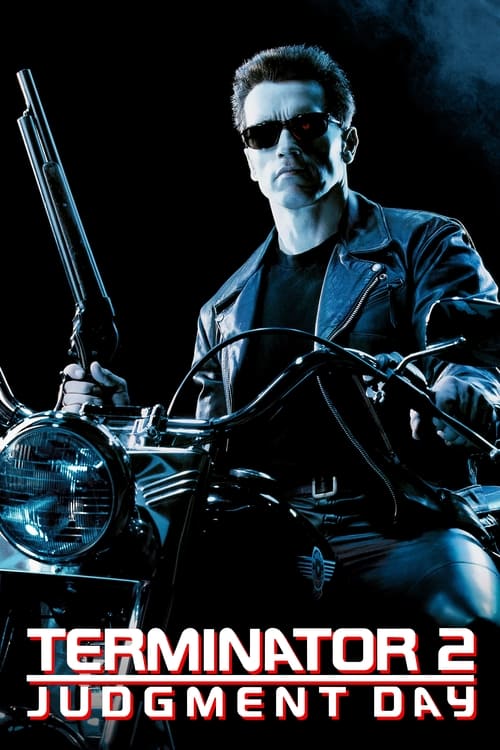
Sarah Connor challenges the damsel in distress stereotype, becoming a skilled warrior. She plays a key role in driving the story, acting as a strategic leader and protector.
Merida stands out as a strong female character who challenges traditional gender roles. She prioritizes her independence and archery skills over the expected behaviors of a princess.
Katniss Everdeen stands out as a strong female lead who drives political and military change. She avoids submissive stereotypes and leads through her experiences of trauma and decisive actions.
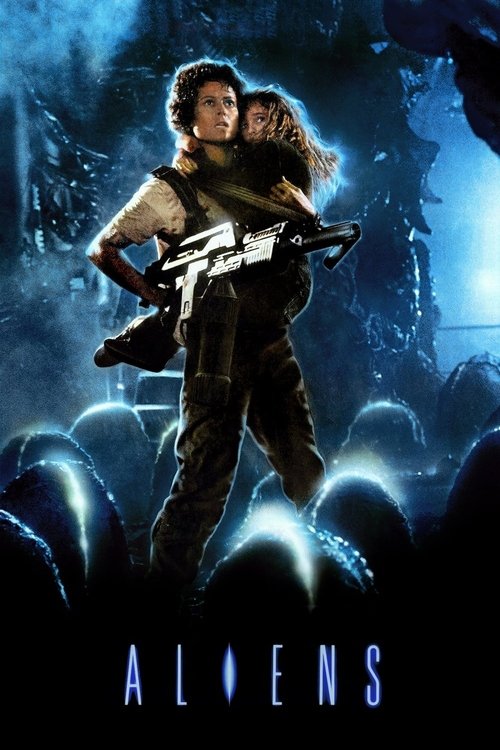
Ellen Ripley challenges traditional gender roles by taking charge and driving the plot forward. The film reframes maternal instincts as a source of combat strength rather than a symbol of weakness.
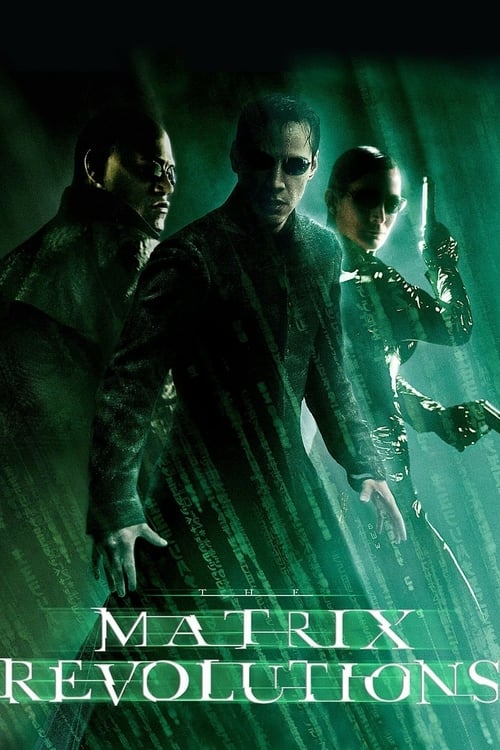
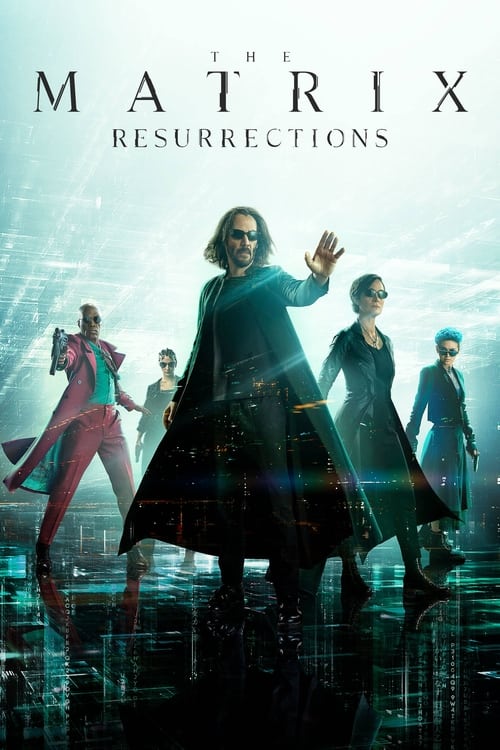
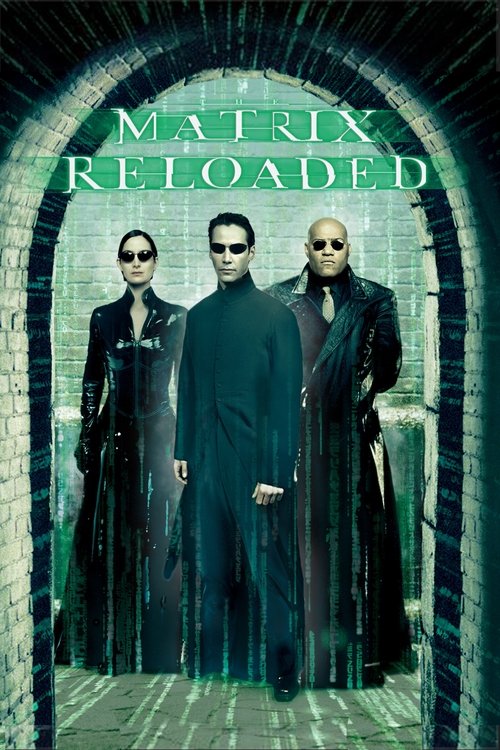
Trinity plays a significant role in driving the story alongside Neo, showcasing intellectual and physical equality between them. The film avoids clichés such as the damsel cliché, instead presenting a partnership based on mutual respect and equal power dynamics.
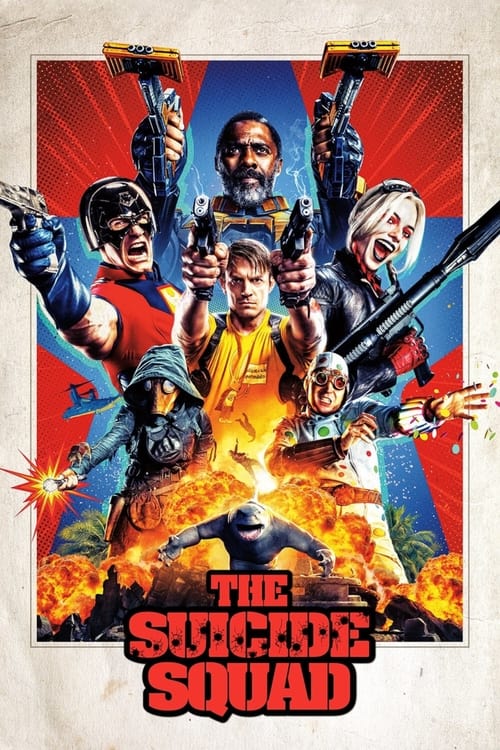
Women play key roles in driving the story. Characters like Amanda Waller, Harley Quinn, and Ratcatcher 2 are shown as strong and intelligent, avoiding typical submissive roles.
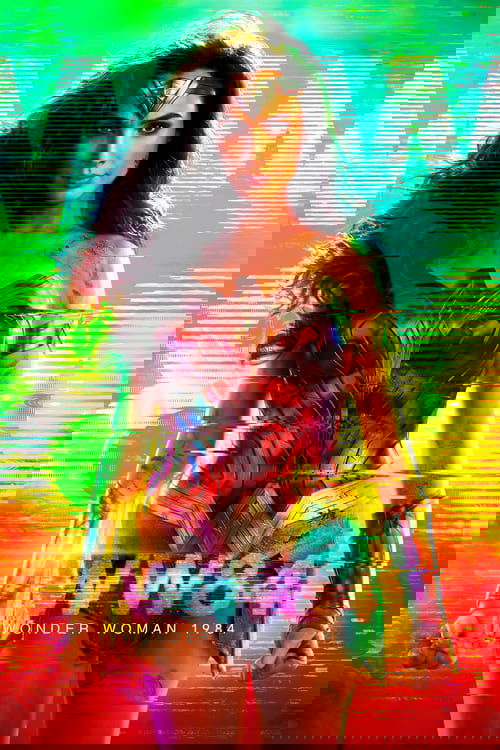
Diana Prince is the main driver of change, overshadowing male-dominated structures. The film passes the Bechdel test, showing women in high-stakes roles with meaningful conversations.
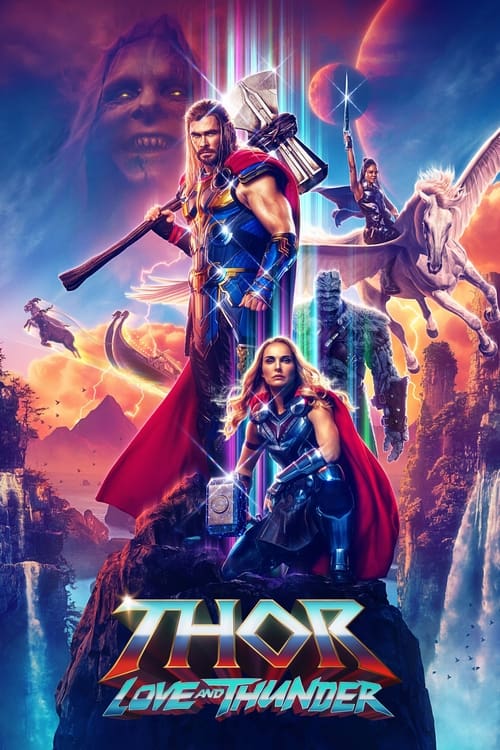
Jane Foster’s role as the Mighty Thor provides her with equal mythic status and ability to act compared to the male lead, disrupting traditional gender hierarchies.
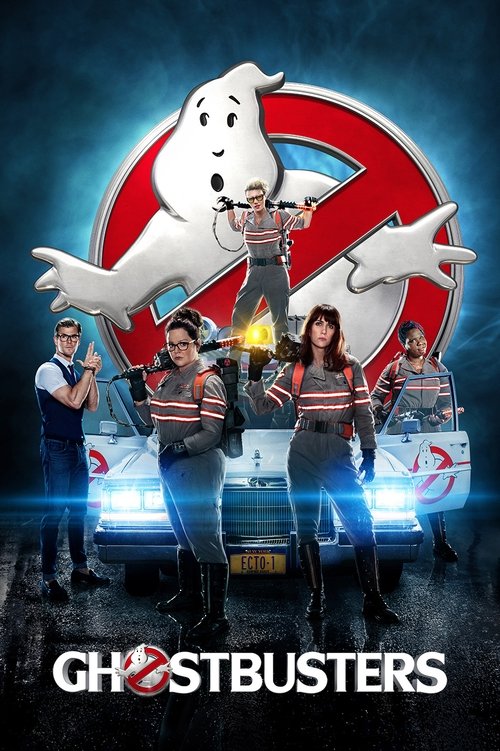
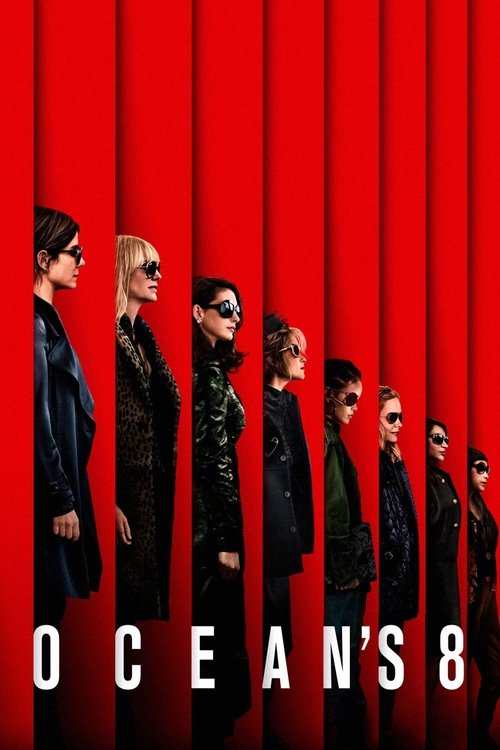
This heist film challenges traditional hierarchies by centering an all-female ensemble. Women like Debbie Ocean and Lou drive the plot through strategic intelligence and technical expertise.
Evelyn Wang serves as a actively leading protagonist who drives the entire plot. The film also challenges male clichés by framing Waymond’s empathy and kindness as essential, strategic survival mechanisms.
Naru challenges traditional gender roles by being a skilled medic and tracker. Her expertise and specialized knowledge play a key role in driving the plot, defying the doubts of the male hunters.
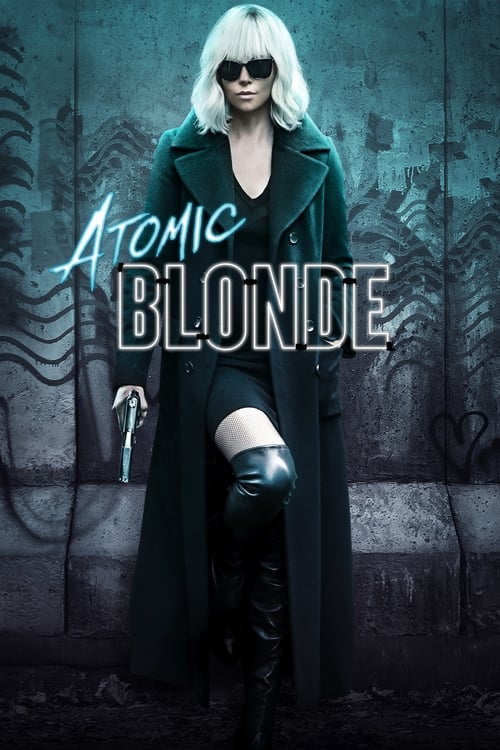
Lorraine Broughton challenges traditional gender roles by showcasing her tactical and physical superiority. She dominates a male-dominated environment, highlighting her intellectual and physical prowess.
Trinity and Neo share equal roles, functioning as co-equal drivers of the plot. The film challenges traditional male leadership by presenting a collaborative model where women play a crucial role in resolving conflicts.
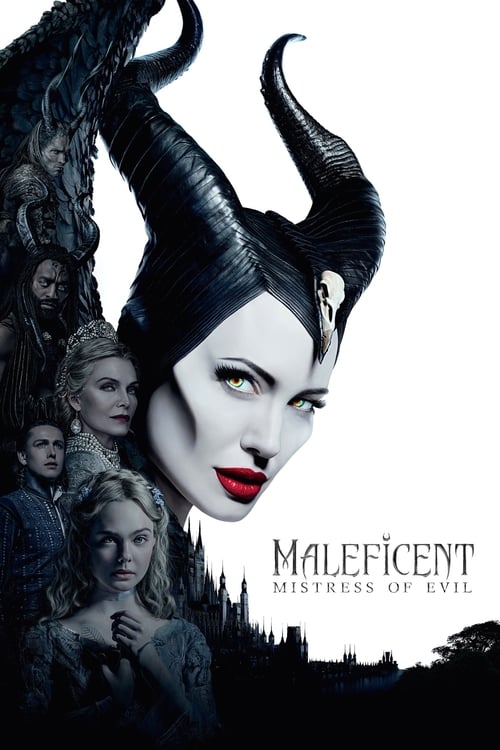
The story focuses primarily on strong women, highlighting their intelligence and ability to act. The main conflict involves a battle between powerful women, rather than traditional male-driven conquest.
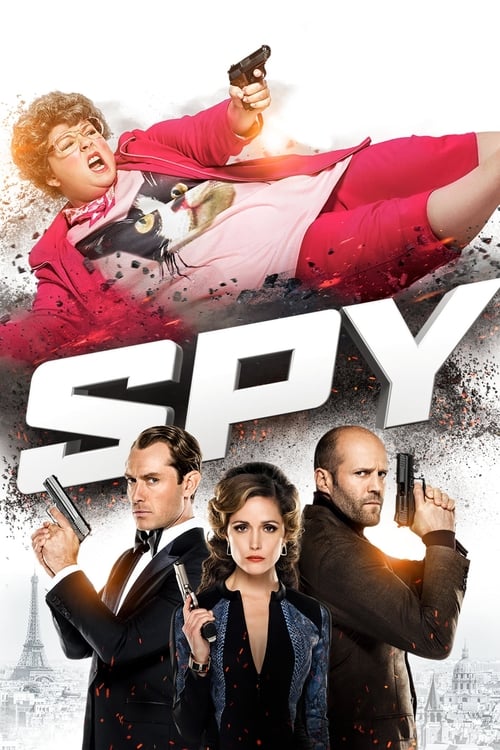
Susan Cooper moves from a desk job to a position of primary influence, subverting traditional gender roles. The film pokes fun at hyper-masculine archetypes through characters like Rick Ford.
The film breaks traditional gender hierarchies by replacing the male Connor lineage with three female protagonists. Women play key roles in intellect, combat, and survival.
Ripley 8 is a dominant female protagonist who is physically and intellectually superior to her male counterparts. The story highlights her struggle for autonomy against patriarchal institutional control.
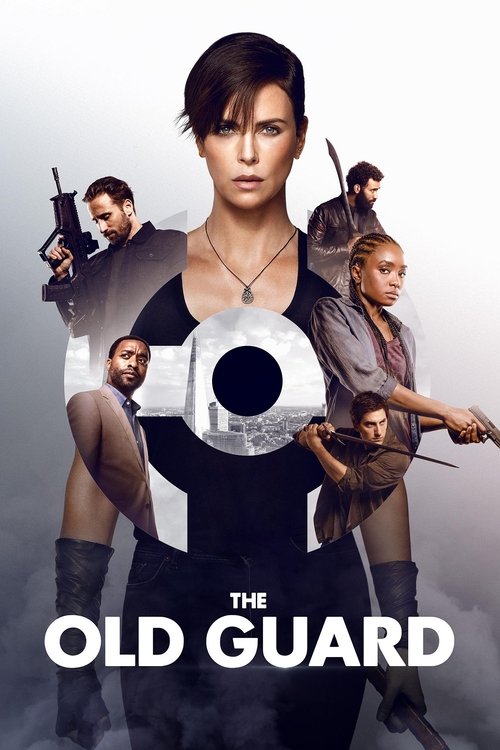
The film features a leadership structure centered around Andy, a Black woman, leading a female-led ensemble. This subverts common action clichés by giving tactical intellect and physical dominance to its female protagonists.
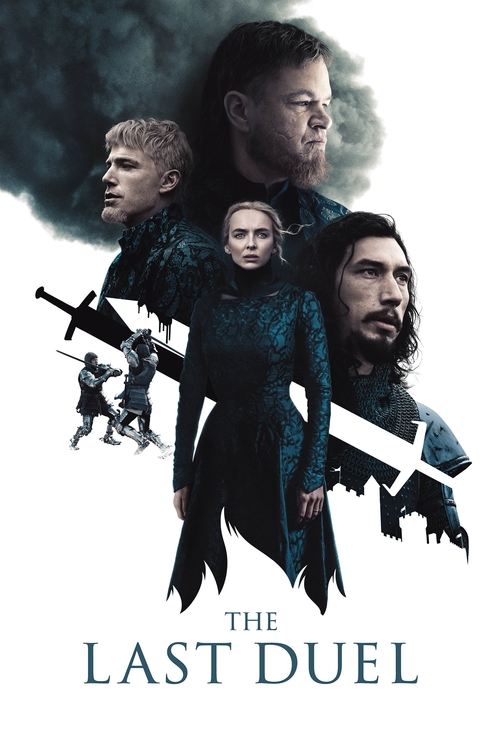
The film challenges traditional gender roles by focusing on Marguerite de Carrouges' experiences. It shows how the legal system of the time was used to oppress women rather than protect them.
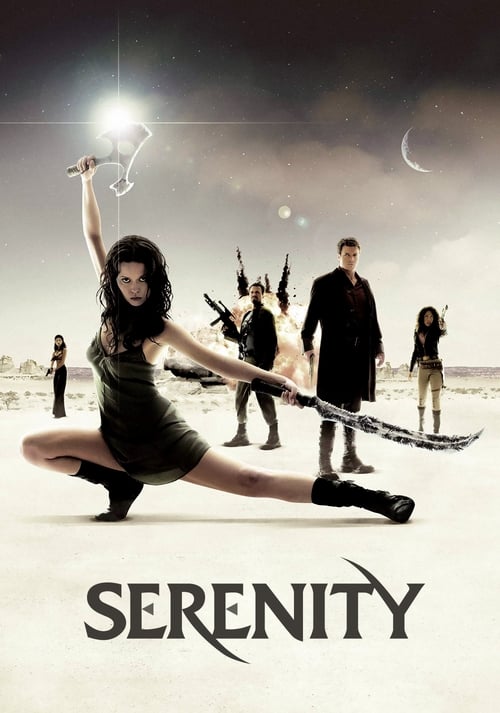
Women in the film are portrayed as skilled architects of survival rather than submissive stereotypes. Zoe Washburne exhibits tactical authority, while River Tam challenges conventional femininity through her psychic abilities.
The narrative challenges traditional gender hierarchies by placing women in roles of tactical and intellectual leadership. Sisterhood replaces patriarchal mentorship with female-driven ability to act.
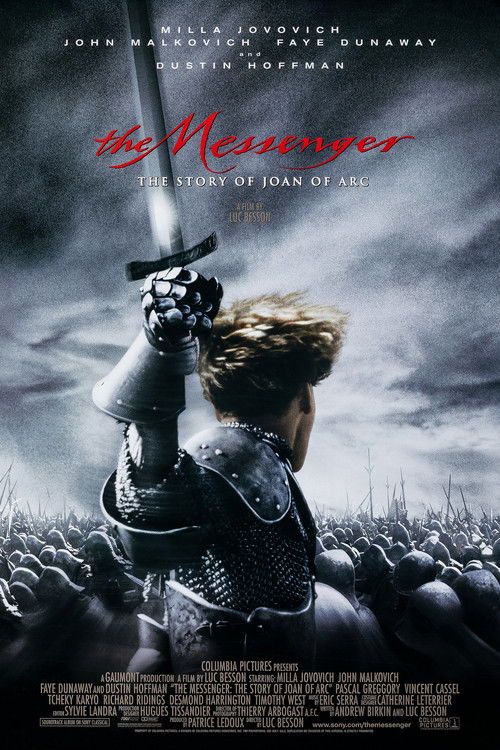
Joan of Arc upends medieval hierarchies by placing a female peasant at the top of both military and spiritual authority. Her significant role in driving the plot challenges the dominance of male leadership.
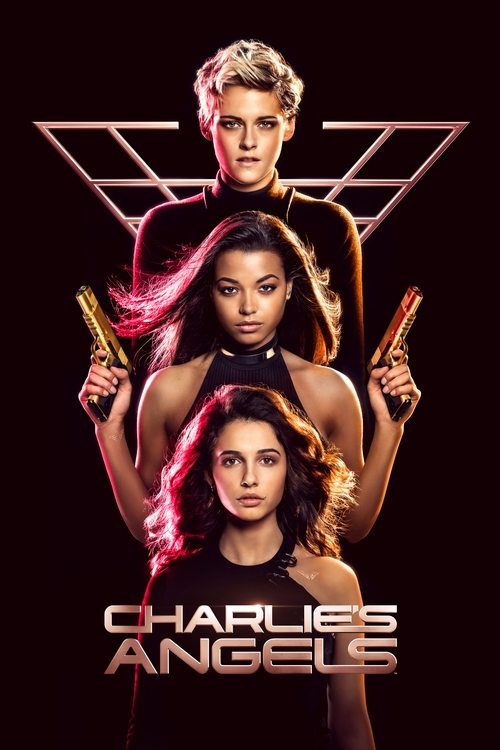
This film breaks spy genre clichés by replacing male hierarchies with an all-female ensemble. It centers women's ability to drive the story, showcasing their intellectual and physical capabilities.
Women are placed in key roles of espionage and tactical combat, challenging the traditional damsel-in-distress stereotype and emphasizing their intellect and active participation in the story.
Tank Girl challenges 1990s gender hierarchies through her aggressive, non-domesticated role. Women play key roles in driving the plot through combat and strategic independence.
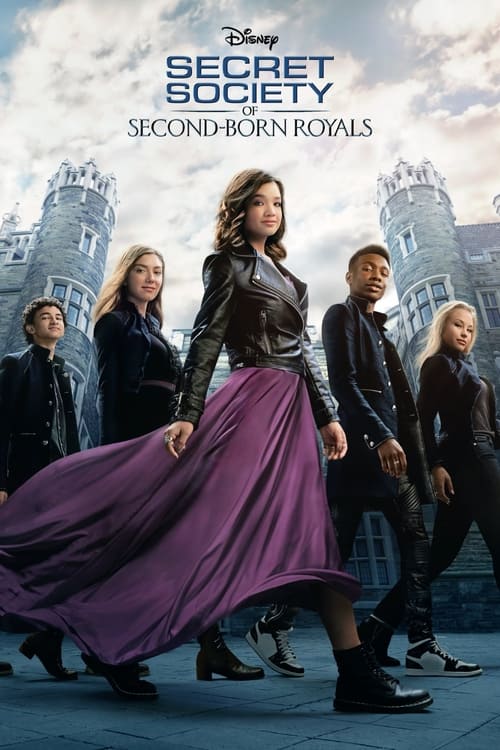
The film challenges traditional gender roles by focusing on second-born royals who play a significant role in driving the story. It replaces strict inheritance rules with merit-based selection, highlighting those typically excluded from primary power.
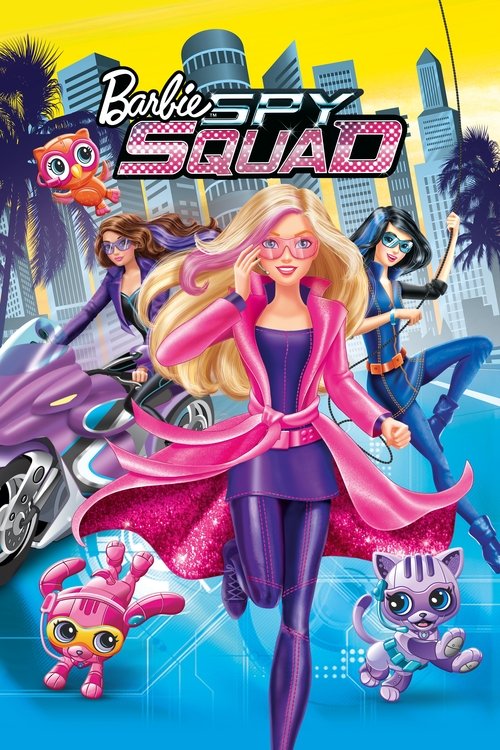
The narrative challenges traditional hierarchies by casting female protagonists as elite secret agents and gymnasts. These characters have total control over their actions, relying on physical strength and technical intelligence rather than external male figures.
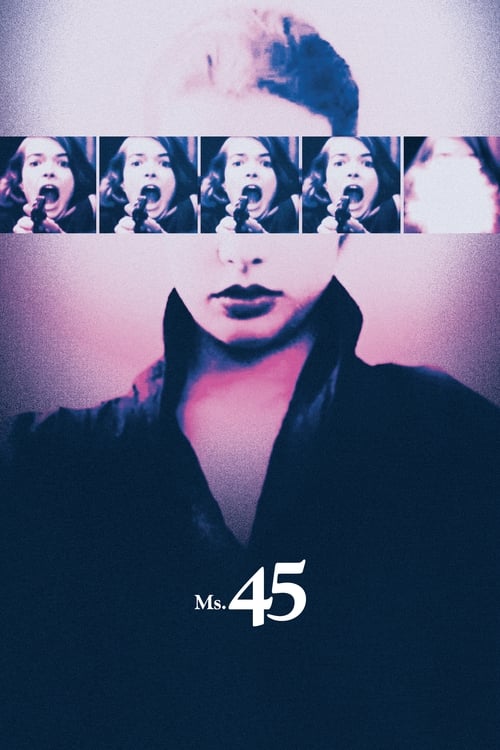
The film challenges traditional gender roles by centering a female protagonist who transitions from vulnerability to lethal dominance. This shift rejects the submissive victim cliché and emphasizes her control over the story.
Female protagonists drive the plot through extreme physical dominance and sexual autonomy. The film places men in subordinate or victimized roles, subverting 1960s gender hierarchies.
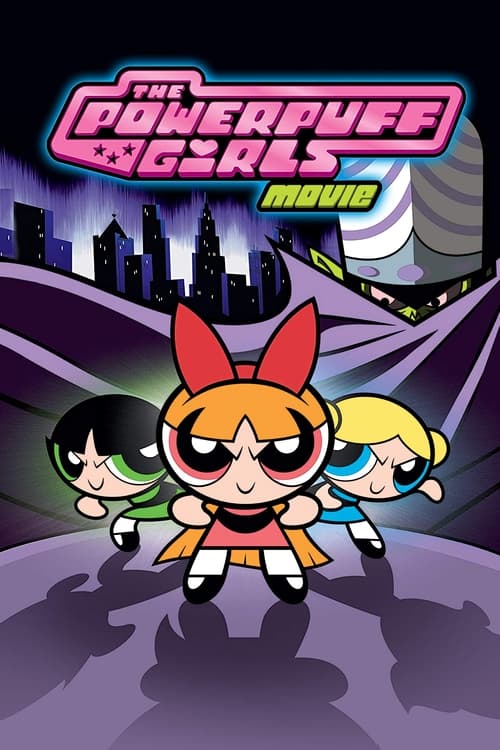
The story breaks traditional gender hierarchies by focusing on three young girls as the main physical and intellectual leaders. They surpass the abilities of the adult male characters.
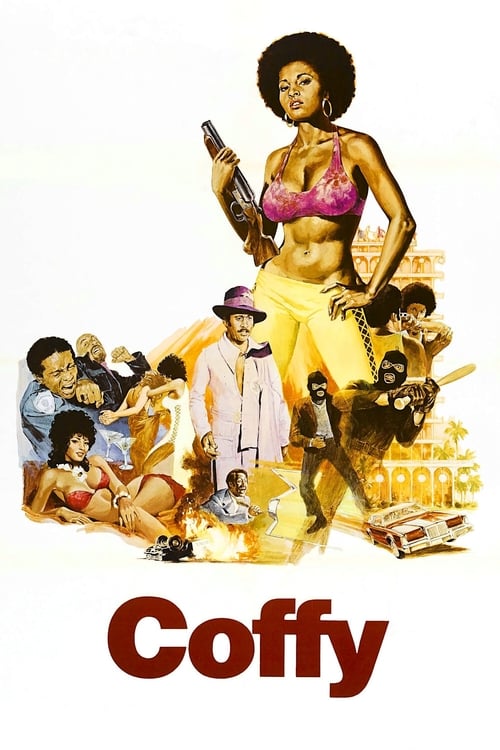
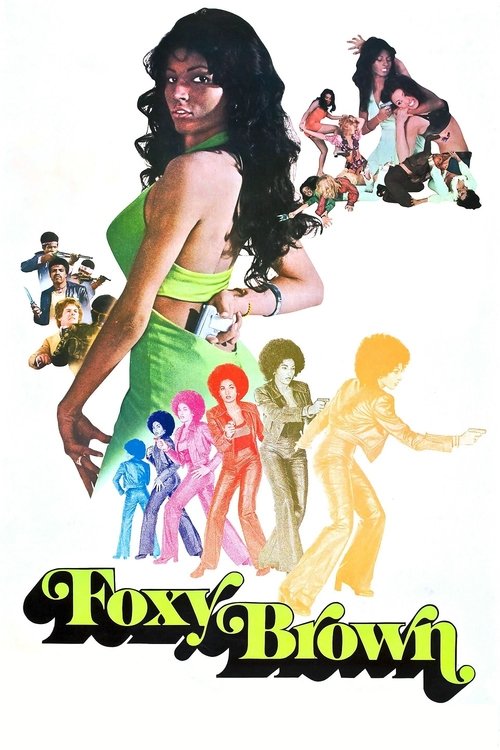
Pam Grier's Foxy Brown breaks traditional gender roles by serving as the main driver of the plot. She demonstrates superior physical and tactical skills compared to her male counterparts.
Female characters such as Trinity and Niobe play key roles in driving the story, holding a significant role in driving the story and tactical skills. They avoid traditional damsel-in-distress clichés, instead taking on professional roles within the resistance.
Women play key roles in driving the story. Figures like Rey and Leia take leadership positions, challenging traditional gender roles.
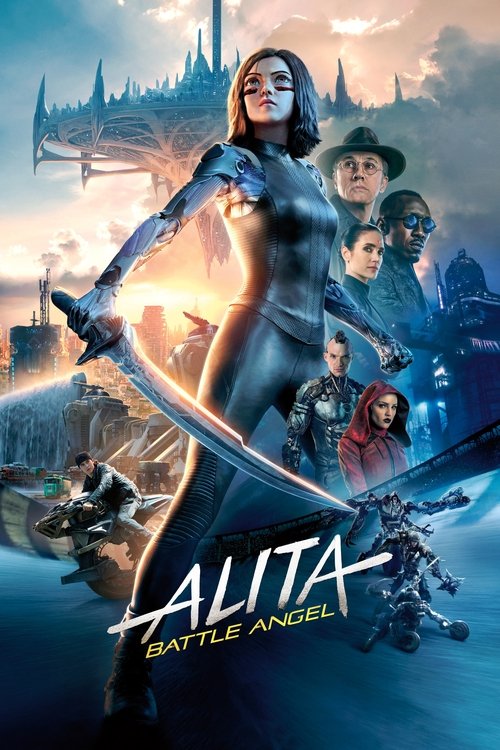
Alita disrupts gender hierarchies by serving as the primary agent of action. She possesses physical dominance and combat proficiency that far exceeds her male counterparts.
With no secondary characters, the film lacks gender dynamics. There are no female characters or discussions about gender roles or hierarchies.
The film focuses almost entirely on male characters, reinforcing a hyper-masculine hierarchy. Female characters are nearly absent, and the film does not challenge traditional gender roles.
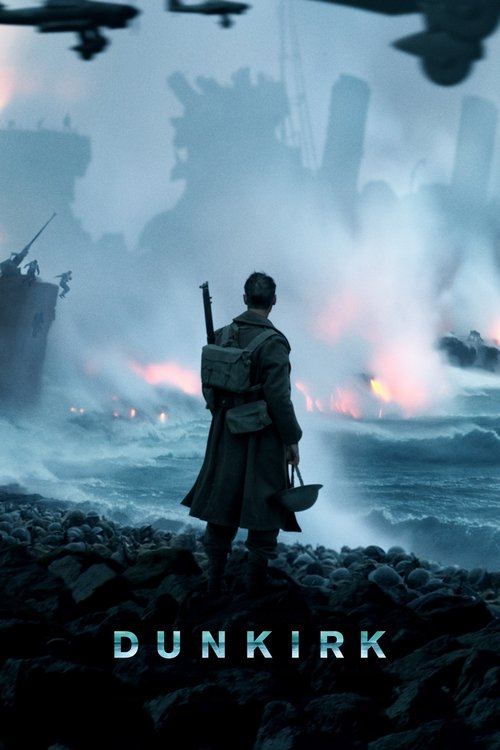
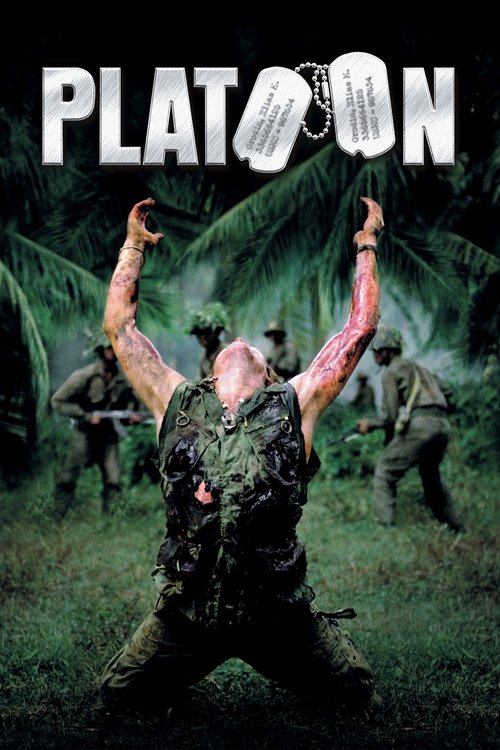
Women are entirely absent from the visual narrative; no female soldiers, nurses, or civilians appear on screen. The plot is driven exclusively by men, who serve as the sole moral and physical center of the story.
The story follows a strict patriarchal structure where women are often seen as objects or symbols of status rather than active participants.
The narrative focuses on hyper-masculine characters and military structures dominated by men. Female characters are excluded from the main squad, avoiding subversion of traditional gender power dynamics.
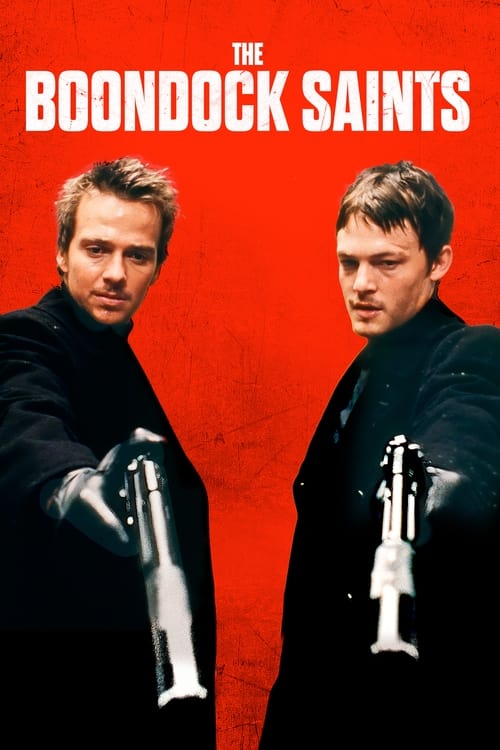
The movie centers around a group of men and does not give women substantial roles or depth.
The story centers around a traditional, male-dominated structure. It emphasizes patriarchal leadership by highlighting masculine roles of command.
The story reinforces traditional gender roles by centering almost exclusively on male characters. Female characters, such as Bilari, primarily serve to trigger male action rather than having independent ability to act.
The story focuses on masculine characters and physical combat, with women having minor roles that don't drive the plot.
The film follows a traditional masculine hierarchy where women have little influence on the main storyline focused on survival.
The narrative centers around a hyper-masculine conflict. Female characters are placed in supporting roles and have little influence over the main storyline.
The story centers almost exclusively on male leadership and ability to act. Women are largely absent from the primary combat and decision-making arcs.
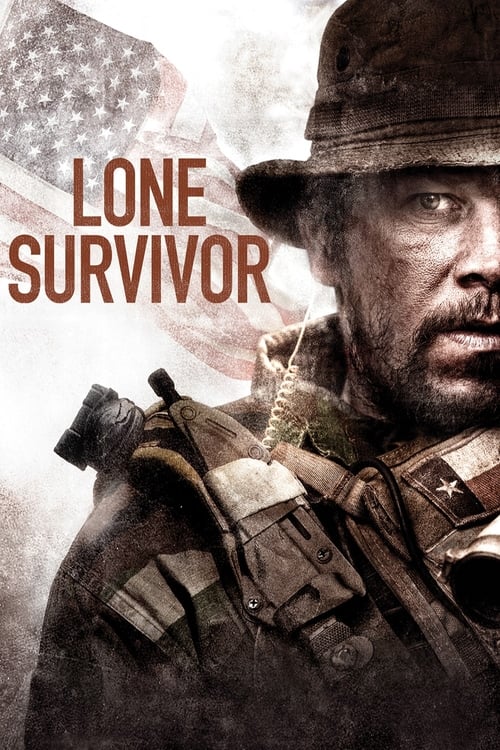
The story prioritizes hyper-masculine archetypes and male camaraderie. While Ronda Rousey provides a depiction of female physical prowess, she remains a supporting figure in a male-dominated hierarchy.
The narrative adheres to a traditional, male-centric hierarchy. Female characters appear only as brief, non-essential figures, preventing any meaningful engagement with gendered ability to act.
The story focuses almost entirely on male protagonists and masculine authority, with very few female characters.
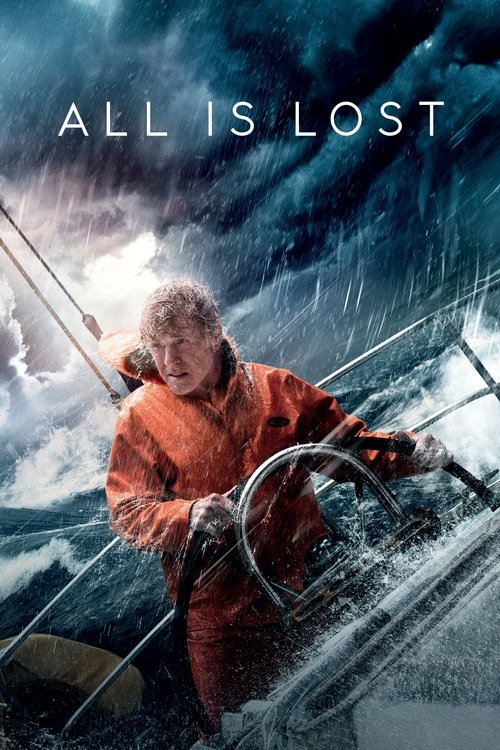
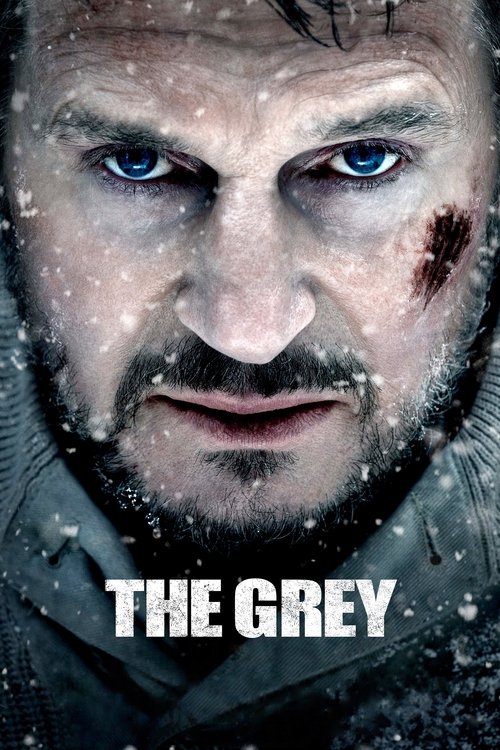
The story emphasizes the survivalist role of a single male protagonist, while female characters are mostly sidelined and do not play active roles in the main storyline.
The main characters are almost all male, emphasizing themes of physical strength and resilience. This male-dominated perspective reinforces conventional ideas of masculinity and leadership.
The story operates within a strict gender hierarchy where the cast is predominantly male. Women play minor roles, and the film fails the Bechdel test, indicating a lack of meaningful interaction between female characters.
The story emphasizes a rigid masculine hierarchy within military and intelligence sectors, relegating female characters to peripheral, domestic roles that serve emotional stakes.
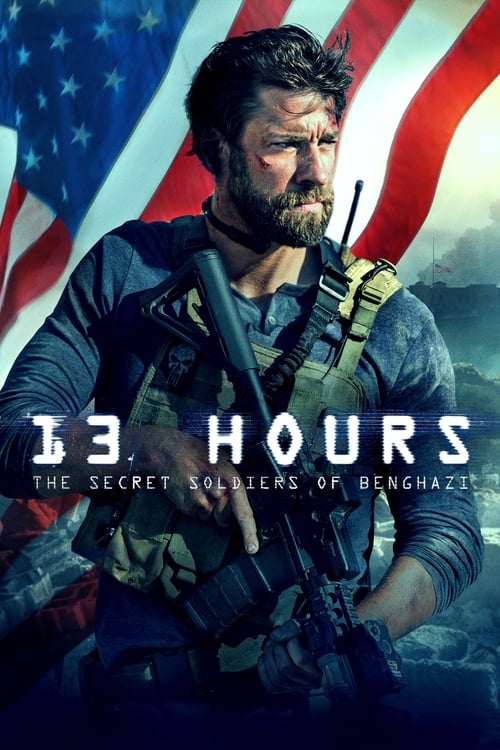
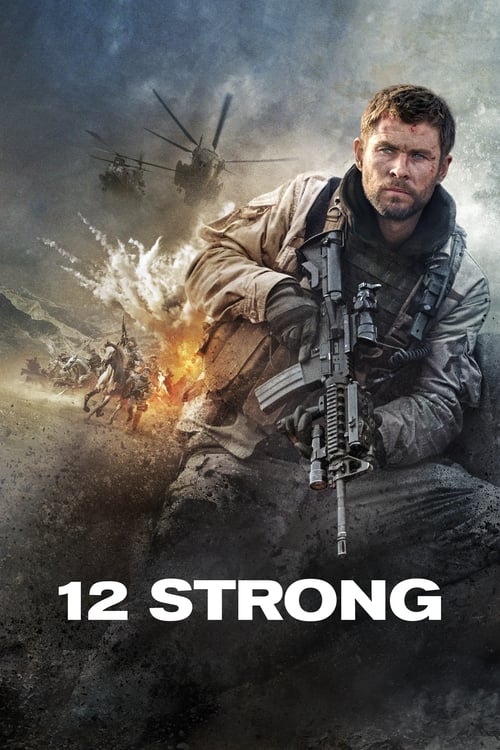
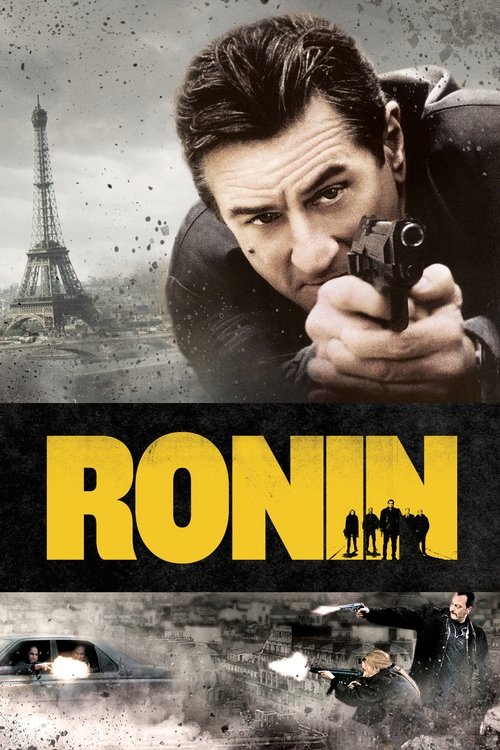
The story focuses primarily on male characters, especially former soldiers, reinforcing traditional masculine roles. Female characters are not given central roles.
Gender representation is limited, emphasizing traditional masculinity through the protagonist. The film fails the Bechdel test due to a lack of meaningful interactions between female characters.
The story focuses mainly on male characters, emphasizing the leadership and tactical decisions of male officers. There is no significant female presence to challenge the command structure.
The story emphasizes traditional gender roles through hyper-masculine archetypes. Female characters are mostly plot catalysts or secondary figures, defined by their relationship to the male lead.
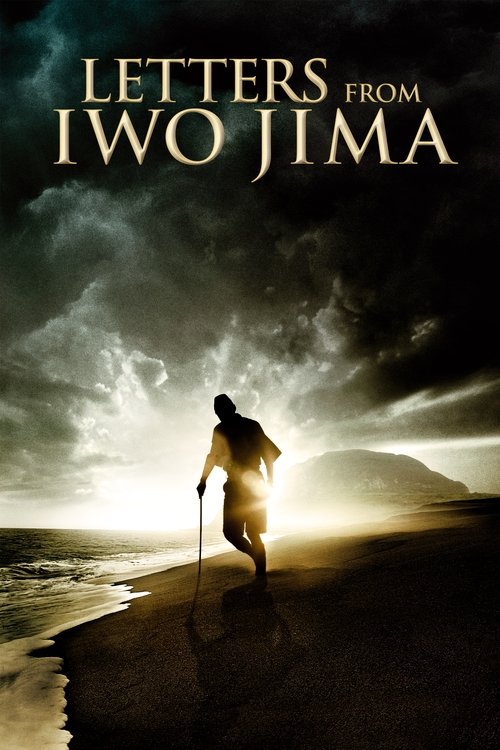
The story centers almost exclusively on a male-dominated military environment. Women are largely absent from primary roles, and the film emphasizes traditional masculine leadership through its main characters.
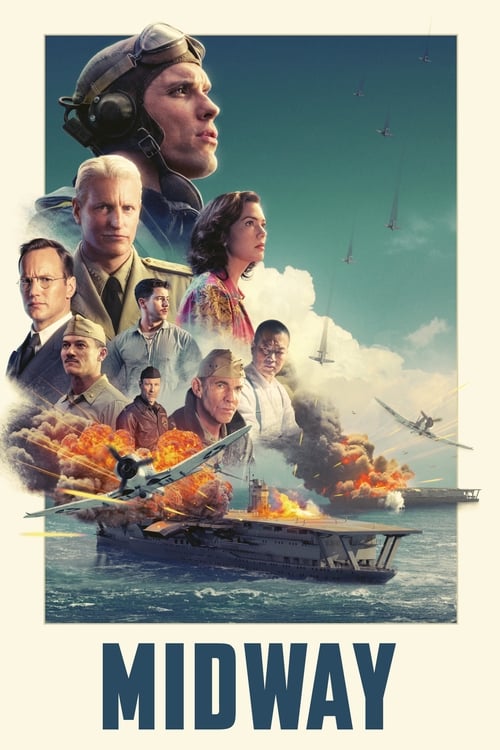
Men play central roles in driving the plot through their positions as officers and pilots. Women are shown primarily in supporting or domestic roles, reinforcing traditional gender roles.
Hyper-masculine archetypes drive the central plot. Female characters are relegated to secondary or domestic roles, lacking the ability to act seen in the male protagonists.
The story focuses mainly on male-dominated structures. Women are rarely seen and play minor roles, reinforcing traditional gender roles in the action genre.
The story focuses on a strictly patriarchal military structure where female characters are completely absent, thus not engaging with gendered power dynamics.
Gender diversity is almost nonexistent, as the story revolves around a white male lead. Female characters are entirely absent, reinforcing a vacuum of gendered interaction.
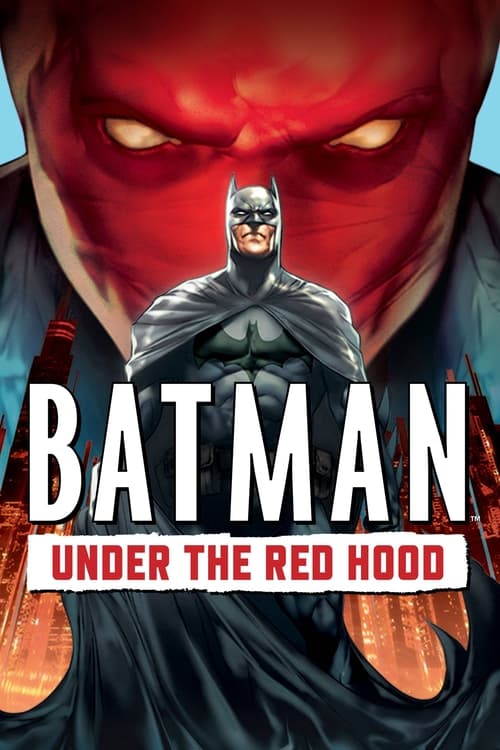
The narrative lacks strong female roles and reinforces traditional masculine hierarchies. However, it challenges these hierarchies by pitting authoritarian and intellectual models of masculinity against each other.
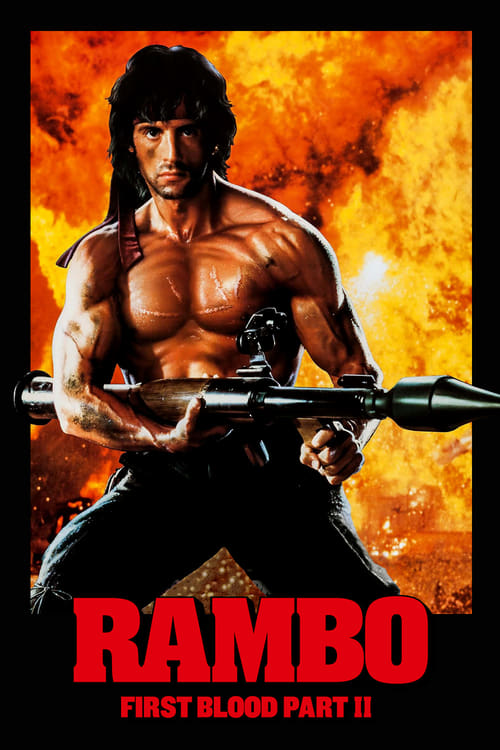
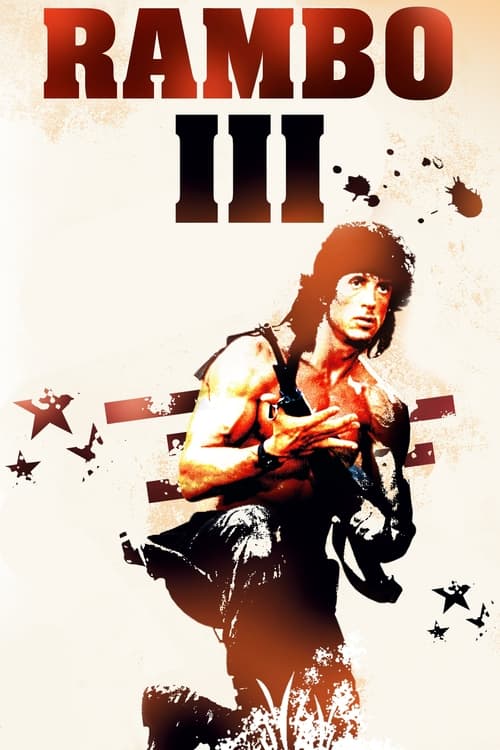
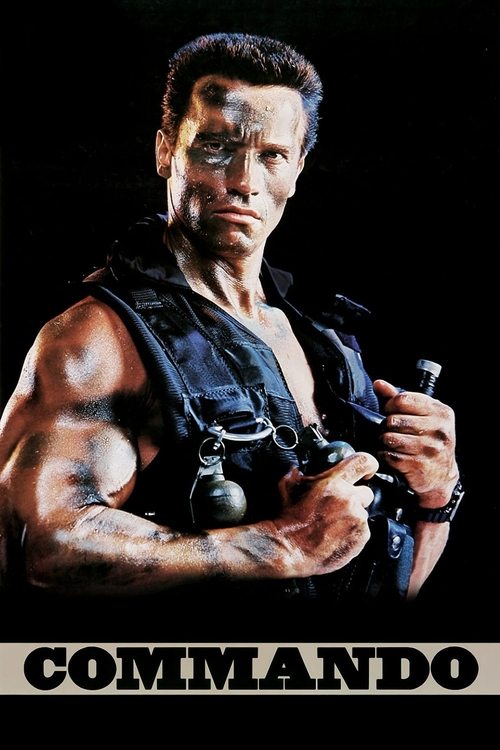
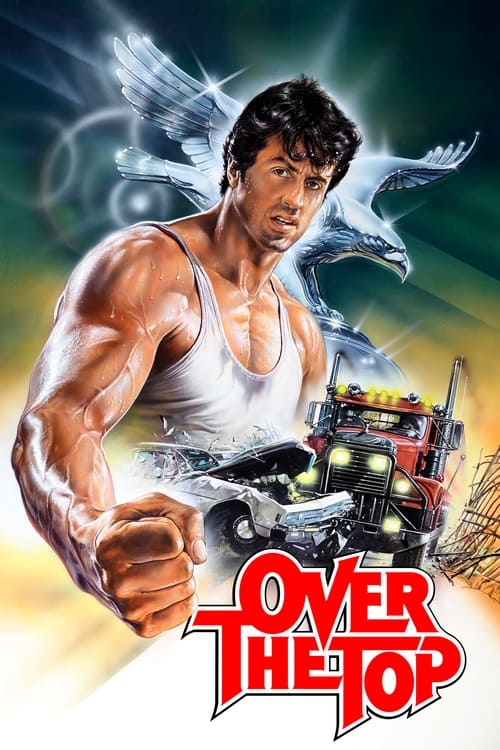
The story follows strict gender hierarchies, with a hyper-masculine protagonist at the center. Female characters play secondary roles, often serving as catalysts for the hero's actions.
The story heavily emphasizes masculine traits and physical strength. Female characters play minor roles and do not have significant influence over the plot.
The story revolves around male characters, with central conflicts driven by male figures. Female characters play minor roles and have little influence on the plot.
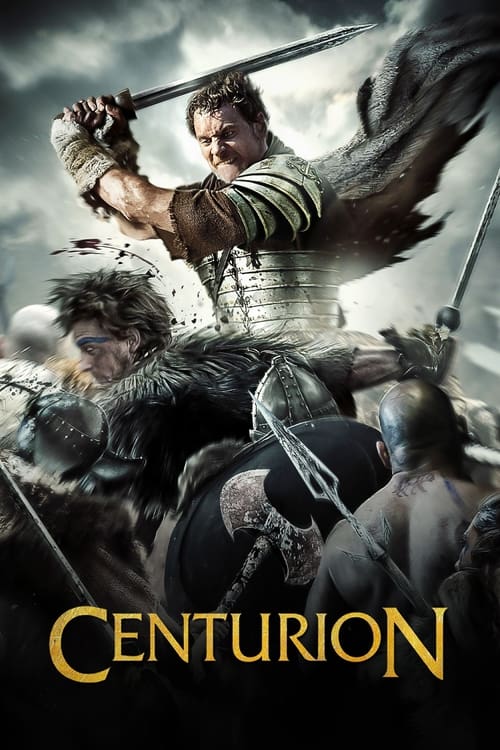
Narrative ability to act is almost exclusively male, centered on the Ninth Legion's combat capabilities. Female characters remain peripheral figures rather than central drivers of the plot.
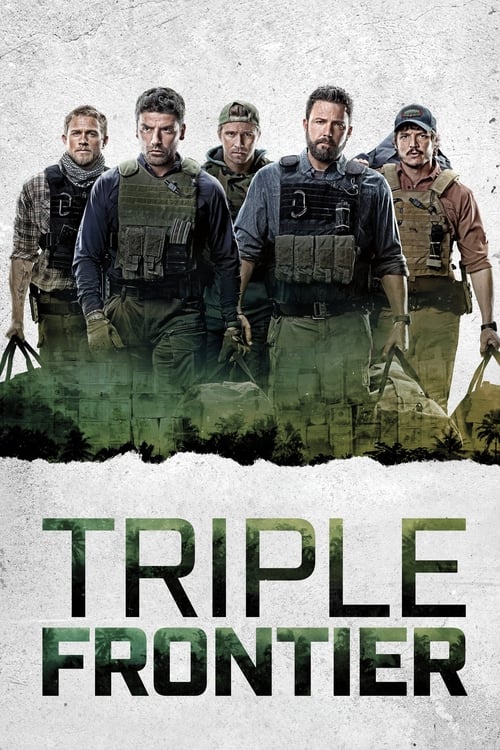
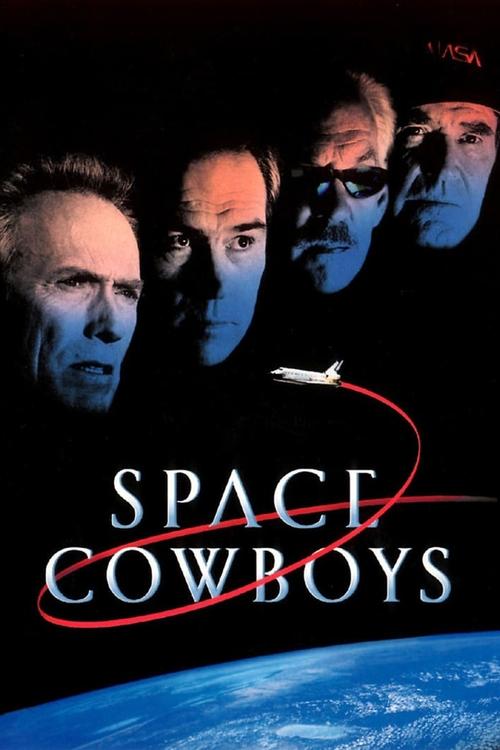
The story centers around four older men and their professional journey. Female characters are limited to minor roles that do not challenge the dominance of male leadership.
The main cast is almost entirely made up of male characters, excluding female perspectives. There is a lack of women's ability to drive the story or significant roles.
The narrative is predominantly male-focused, reflecting the prison setting's demographics. The lack of female characters means there is no exploration of gender power dynamics.
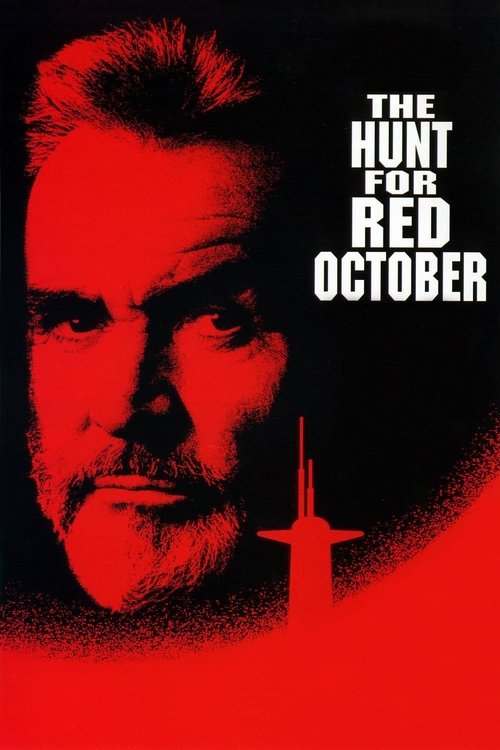
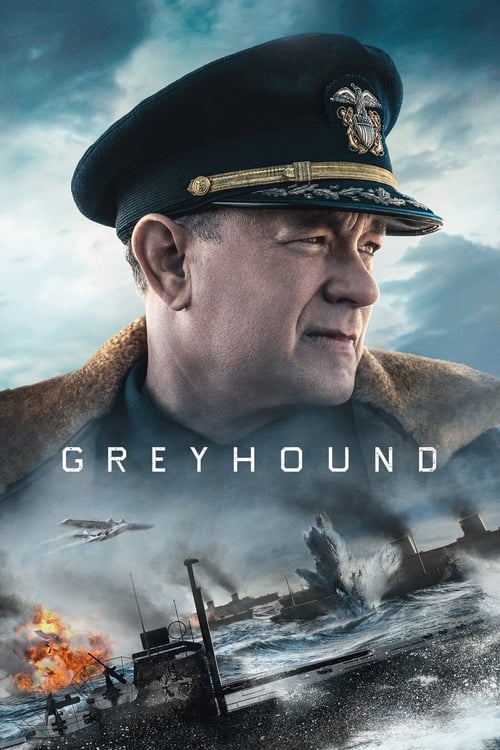
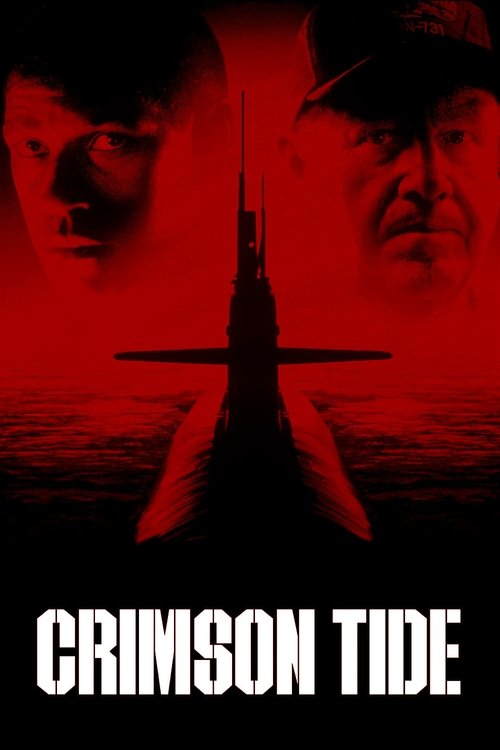
The story focuses solely on male characters within a submarine setting, reinforcing traditional views of masculinity and leadership without showing any women or challenging these norms.
The story heavily emphasizes male characters and their violent actions. Female characters are sidelined, often appearing as victims rather than active participants.
The cast is predominantly male, emphasizing masculine combat and discipline. Women have limited roles and rarely challenge gender hierarchies.
Women play a minimal role in the story. The plot revolves around physical dominance and hierarchy among men in a male-only prison.
The story focuses almost entirely on male-driven conflicts within a patriarchal structure. Female characters play minor roles and are mostly peripheral to the main violent action.
The cast is predominantly male, with no female perspectives included. This reinforces a traditional masculine space without challenging gender hierarchies.
The story revolves around male characters and their professional duties. Female characters have limited roles and play minor supporting roles.
Male characters primarily drive the plot within a male-dominated military hierarchy. Women are relegated to secondary, supportive roles and have little control over what happens to them in the story.
The narrative is almost entirely male-centric, emphasizing traditional masculine hierarchies and brotherhood. Women have little influence over the main storyline.
The story focuses on a hyper-masculine character type, emphasizing traditional gender roles. Women mostly appear as secondary characters or love interests.
The story focuses on male characters and themes of physical dominance. Female characters play minor roles and have little impact on the plot.
The story heavily emphasizes male characters and their interactions, while female characters have limited roles and influence.
The narrative is set in an almost exclusively male Russian prison. Female characters are absent, and the story centers on male physical dominance.