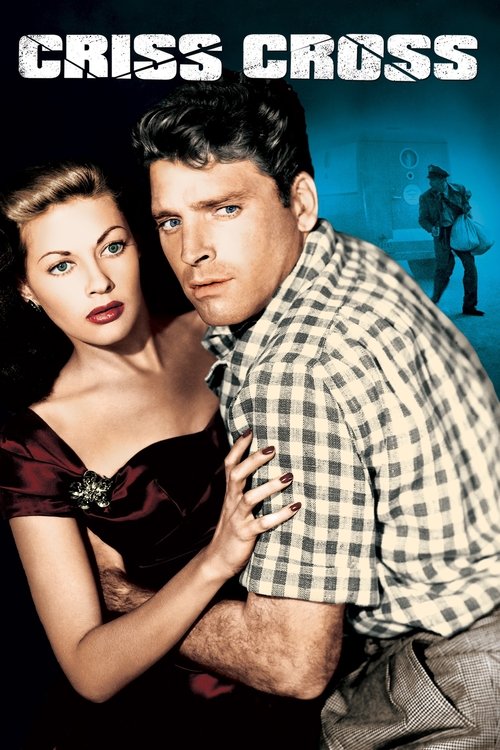
Criss Cross
1949
No user ratings available yet
Representation score: 1.1 out of 10
Representation Score
Limited
1950
ApprovedDirector
Joseph H. Lewis
Runtime
87 minutes
Average Rating
No ratings yetNew Showbiz Analysis
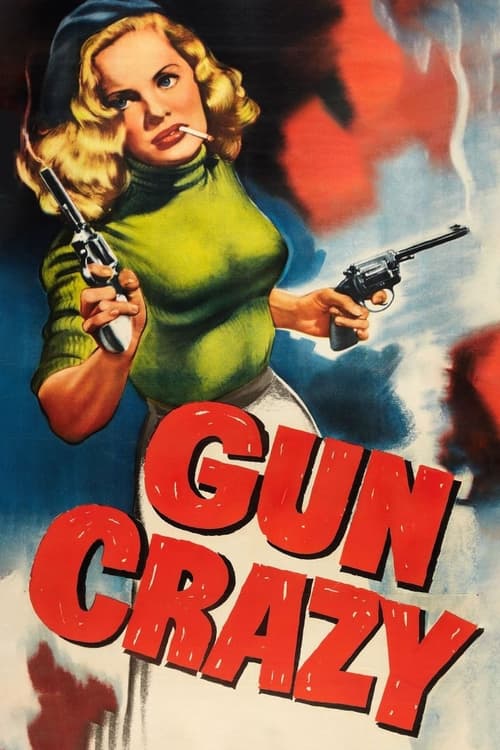
Gun Crazy demonstrates how mid-century noir can challenge social norms through character-driven plots. Despite its narrow demographic focus, it effectively dismantles the rigid gender roles of 1950s cinema. The film's strength lies in its portrayal of the female lead as an active force, rather than a passive figure. However, it still reflects the limitations of its era in terms of racial and identity representation. It offers a detailed look at a specific social group rather than a broad range of societal diversity.
Category Breakdown
The film doesn't include any LGBTQ+ characters or stories. The main romantic relationship is between two heterosexual characters.
Annie Laurie Starr challenges typical 1950s stereotypes by being the main driver of the plot. She plays a significant role in pushing the criminal storyline forward and holds a strong influence over Bart Tare.
The cast is mostly uniform, reflecting the limited diversity of the time. There are few characters from different racial backgrounds.
The story focuses on psychological motivations rather than traditional moral values. It questions social order by presenting the protagonists' actions as a meaningful, though harmful, connection.
The film doesn't show any visible or hidden disabilities.
Present on Screen
Limited or Absent
Official Synopsis
Bart Tare is an ex-Army man who has a lifelong fixation with guns, he meets a kindred spirit in sharpshooter Annie Starr and goes to work at a carnival. After upsetting the carnival owner who lusts after Starr, they both get fired. Soon, on Starr's behest, they embark on a crime spree for cash.
1949
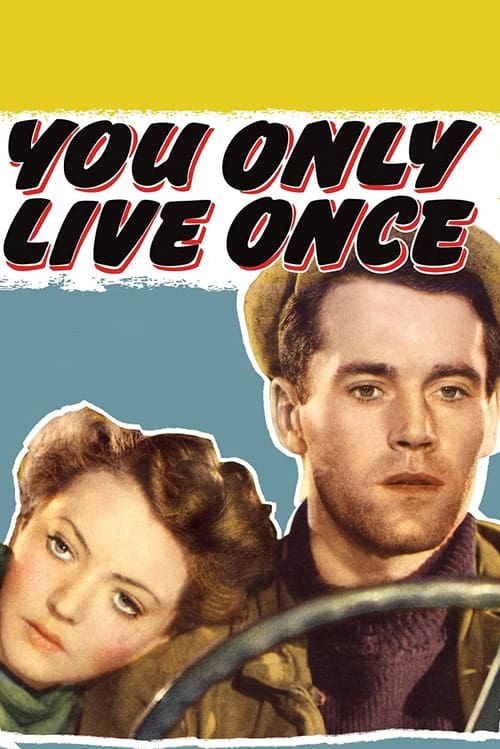
1937
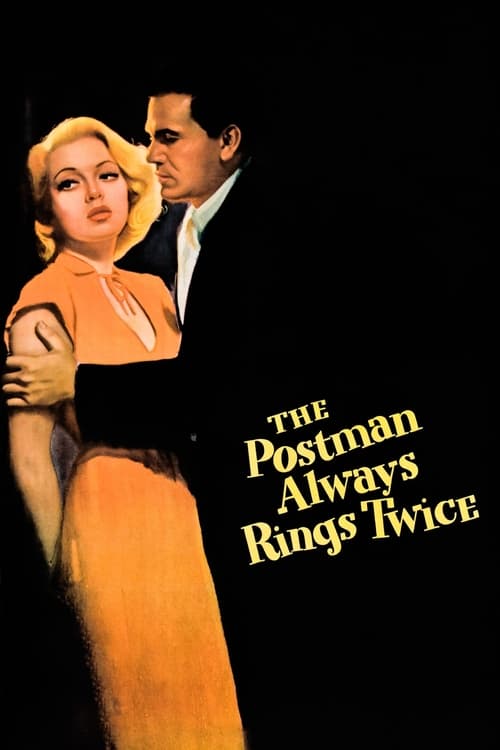
1946
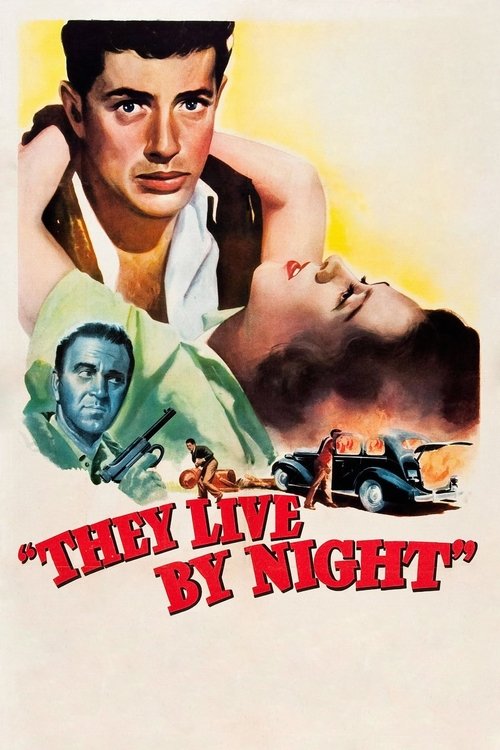
1949
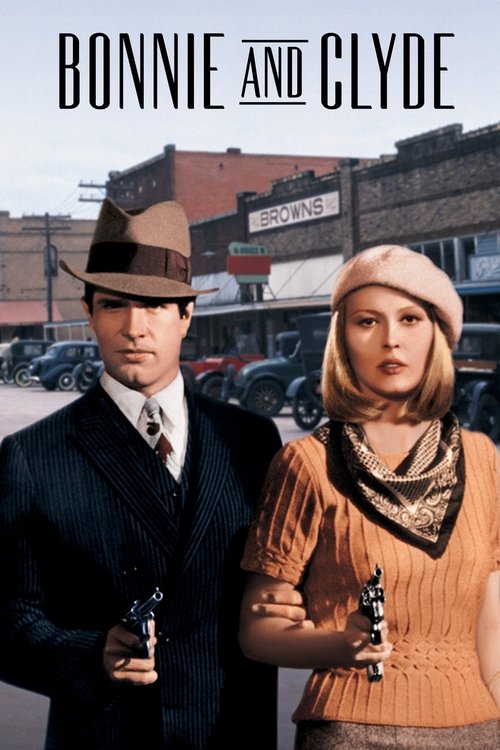
1967
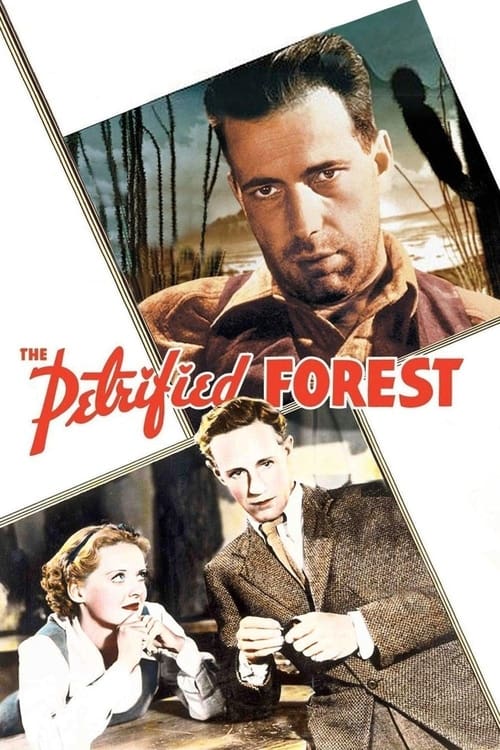
1936
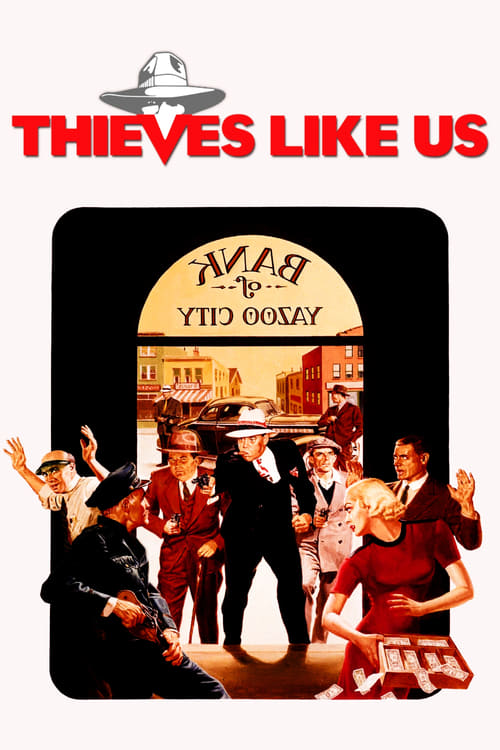
1974
1949
No reviews yet. Be the first to share your thoughts on this movie!
Use the rating form above to leave a star rating and optional review.