
The Palm Beach Story
1942
No user ratings available yet
Representation score: 2.7 out of 10
Representation Score
Limited
1941
ApprovedDirector
Preston Sturges
Runtime
97 minutes
Average Rating
No ratings yetNew Showbiz Analysis
The film stands out for its gender dynamics, subverting 1940s clichés by placing a highly capable woman in control of the narrative. Jean is the architect of the story's deception, challenging the era's standard of female submissiveness. However, the film is limited by its historical context, showing almost no racial or LGBTQ+ diversity. The cast remains homogeneous, and the romantic focus is strictly heterosexual. Ultimately, the film's strength lies in its sophisticated character studies and its ability to use social maneuvering as a tool for narrative tension, even if it lacks broader demographic representation.
Category Breakdown
The film focuses solely on heterosexual relationships and does not depict any LGBTQ+ identities or subtext in the dialogue or character arcs.
Jean challenges traditional gender roles by possessing superior intellect and strategic skills. She drives the plot while the male lead, Charles, remains passive and less capable.
The cast is predominantly white, reflecting the social constraints of 1941. The narrative lacks characters of color or diverse ethnic representation.
The story uses moral relativism to frame con artistry as a playful social tool. It subtly critiques the upper class's susceptibility to manipulation.
There are no prominent depictions of visible or invisible disabilities within the narrative.
Present on Screen
Limited or Absent
Official Synopsis
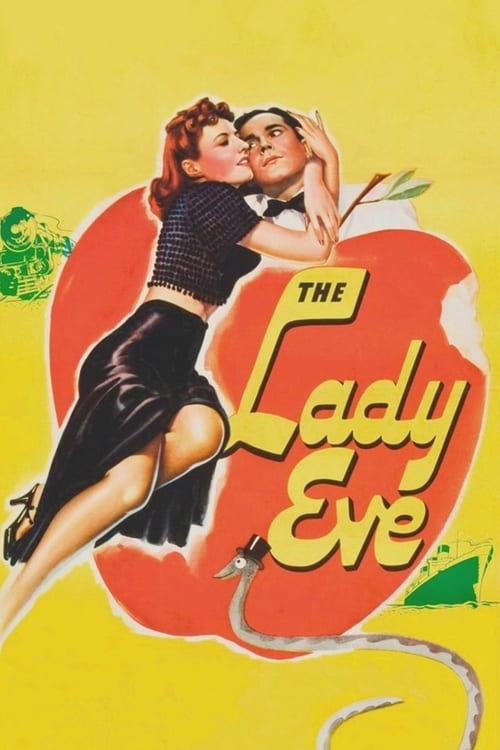
It's no accident when wealthy Charles falls for Jean. Jean is a con artist with her sights set on Charles' fortune. Matters complicate when Jean starts falling for her mark. When Charles suspects Jean is a gold digger, he dumps her. Jean, fixated on revenge and still pining for the millionaire, devises a plan to get back in Charles' life. With love and payback on her mind, she re-introduces herself to Charles, this time as an aristocrat named Lady Eve Sidwich.
1942
1936

1940
1932

1938
1948

1936
1953
No reviews yet. Be the first to share your thoughts on this movie!
Use the rating form above to leave a star rating and optional review.