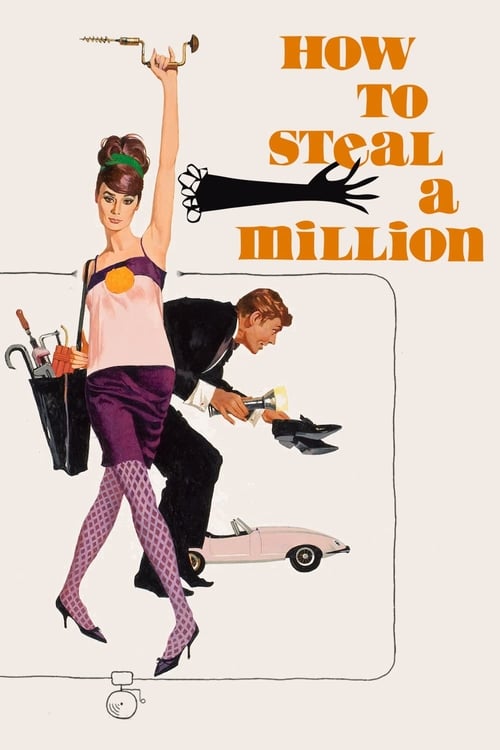
How to Steal a Million
1966
No user ratings available yet
Representation score: 2.2 out of 10
Representation Score
Limited
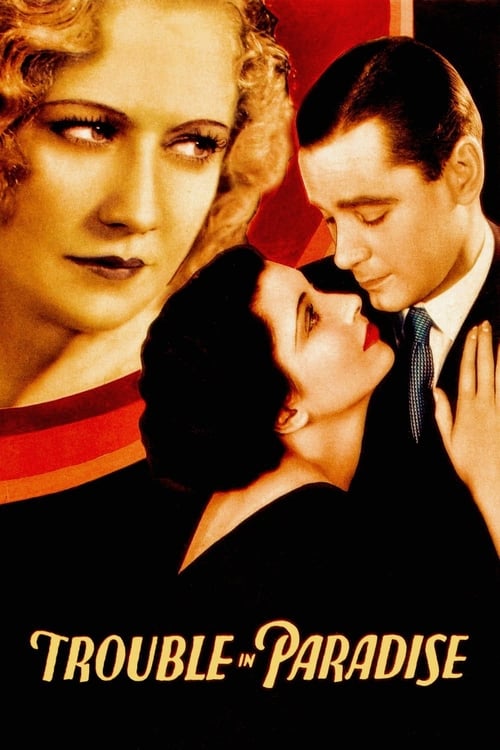
1932
ApprovedDirector
Ernst Lubitsch
Runtime
83 minutes
Average Rating
No ratings yetNew Showbiz Analysis
Ernst Lubitsch’s direction elevates the film through a sophisticated deconstruction of social decorum. The narrative replaces rigid morality with a playful, relativistic framework where wit and intellect define character actions. While the film excels in subverting gendered power dynamics, it lacks broad diversity. The focus on high-society European artifice limits the inclusion of diverse racial and LGBTQ+ identities. Ultimately, the film succeeds in giving real power to its characters, particularly the women, who navigate their world through strategic deception rather than adhering to social or legal hierarchies.
Category Breakdown
The film focuses on straight relationships and lacks explicit depictions of LGBTQ+ identities. It includes heavy sexual innuendo and romantic deception but does not show non-traditional gender identities or queer orientations.
Female leads such as Mariette Colet and Lily are portrayed as intelligent, strategic, and sexually autonomous. They drive the plot's complexity, challenging traditional views that often see women as passive objects.
The cast is predominantly white and upper-class, with no evident diverse ethnic identities. The narrative centers on Western aristocratic circles without highlighting different racial backgrounds.
The film frames theft and deception as sophisticated maneuvers, portraying high-society institutions as playgrounds for artifice and performative identity rather than moral bastions.
There are no visible or invisible disabilities depicted in the film. Characters are shown primarily through the lens of physical grace and social agility.
Present on Screen
Limited or Absent
Official Synopsis
Thief Gaston Monescu and pickpocket Lily are partners in crime and love. Working for perfume company executive Mariette Colet, the two crooks decide to combine their criminal talents to rob their employer. Under the alias of Monsieur Laval, Gaston uses his position as Mariette's personal secretary to become closer to her. However, he takes things too far when he actually falls in love with Mariette, and has to choose between her and Lily.
1966

1941

1985

1939

1933

1942

1963
1951
No reviews yet. Be the first to share your thoughts on this movie!
Use the rating form above to leave a star rating and optional review.