Gloria
1980
No user ratings available yet
Representation score: 3.6 out of 10
Representation Score
Limited
1955
ApprovedDirector
Charles Laughton
Runtime
93 minutes
Average Rating
No ratings yetNew Showbiz Analysis
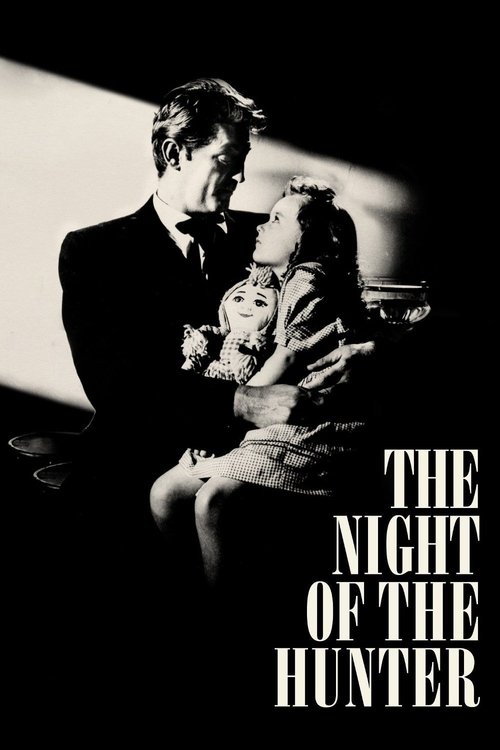
The film's diversity profile contrasts its homogeneous demographic makeup with its progressive narrative subversions. Despite lacking racial and LGBTQ+ representation, it excels in critiquing institutional power structures. Its strength lies in gender dynamics and a sophisticated critique of religious institutions. Rachel Cooper stands out as a rare mid-century example of female leadership, guiding the children's survival. However, the film's predominantly white cast and lack of multi-layered diversity limit its broader demographic appeal, despite its thematic complexity.
Category Breakdown
The film does not feature any LGBTQ+ characters or explore non-straight relationships. It focuses on a traditional family structure.
Rachel Cooper is the main protector and moral guide. She challenges mid-century stereotypes by being a strong guardian instead of a passive recipient of male protection.
The cast is mostly white, reflecting the demographics of Depression-era West Virginia. The story focuses on socioeconomic issues rather than racial identity.
The film critically examines religious authority by portraying the preacher as a predator. It questions the sanctity of clerical power and explores moral ambiguity.
There are no prominent depictions of disabilities that play a key role in the narrative or define central characters.
Present on Screen
Limited or Absent
Official Synopsis
In Depression-era West Virginia, a serial-killing preacher hunts two young children who know the whereabouts of a stash of money.
1980
1951
1948
1949
1991
1955
1971

1946
No reviews yet. Be the first to share your thoughts on this movie!
Use the rating form above to leave a star rating and optional review.