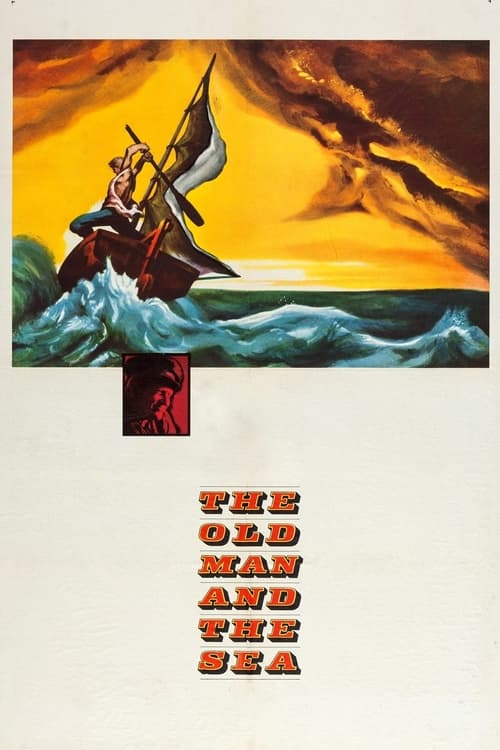
The Old Man and the Sea
1958
No user ratings available yet
Representation score: 1.9 out of 10
Representation Score
Fair
1956
ApprovedDirector
John Huston
Runtime
115 minutes
Average Rating
No ratings yetNew Showbiz Analysis
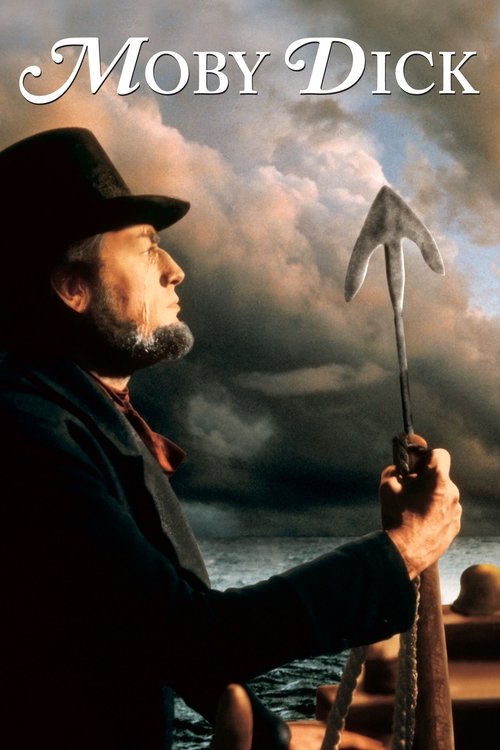
John Huston's adaptation examines the breakdown of systemic authority and the erosion of traditional power structures. While it does not offer gender or LGBTQ+ diversity, it successfully portrays a multi-ethnic crew reflective of 19th-century maritime labor. The film's strengths lie in its cultural critique, using the whaling industry to explore themes of institutional fragility and the corruption of absolute power. It avoids simplistic moral binaries, opting for a tragic exploration of individual madness against the collective. However, the film remains constrained by its historical setting and its reliance on a strictly masculine cast. Additionally, the portrayal of disability is primarily linked to a singular drive for vengeance, which shapes how the impairment is perceived.
Category Breakdown
The film does not include any representations of LGBTQ+ identities or dynamics. It focuses solely on heterosexual relationships and social structures.
The film features an all-male cast with no female characters. It emphasizes traditional masculine roles and hierarchies within a patriarchal structure.
The film includes a diverse crew reflecting historical maritime labor, giving significant roles to non-Anglo-Saxon characters such as Queequeg. This helps to highlight the multicultural nature of the maritime workforce.
The film presents a nuanced critique of absolute power and maritime authority through Captain Ahab's tyranny. It explores moral relativism, framing the conflict as a complex defiance of social order.
Captain Ahab's missing limb is central to the plot, serving as a symbol of his psychological descent and his quest for vengeance. However, the disability is closely tied to the narrative of revenge.
Present on Screen
Limited or Absent
Official Synopsis
In 1841, young Ishmael signs up for service aboard the Pequod, a whaler sailing out of New Bedford. The ship is under the command of Captain Ahab, a strict disciplinarian who exhorts his men to find Moby Dick, the great white whale. Ahab lost his leg to that creature and is desperate for revenge. As the crew soon learns, he will stop at nothing to gain satisfaction.
1958
1935
1962
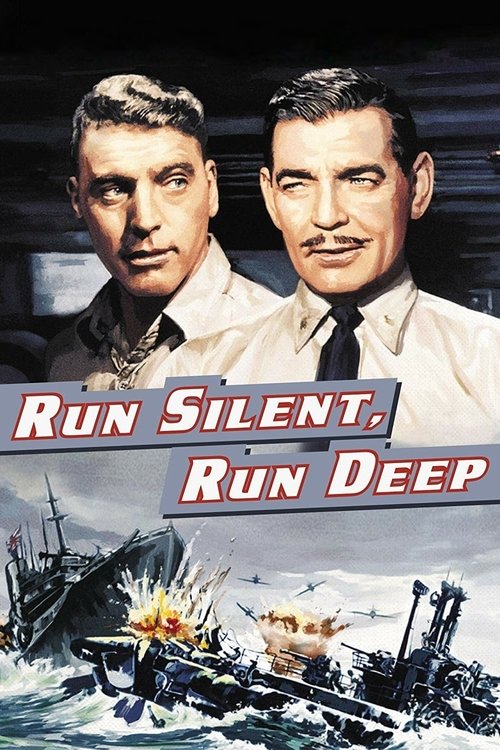
1958

1975

1966
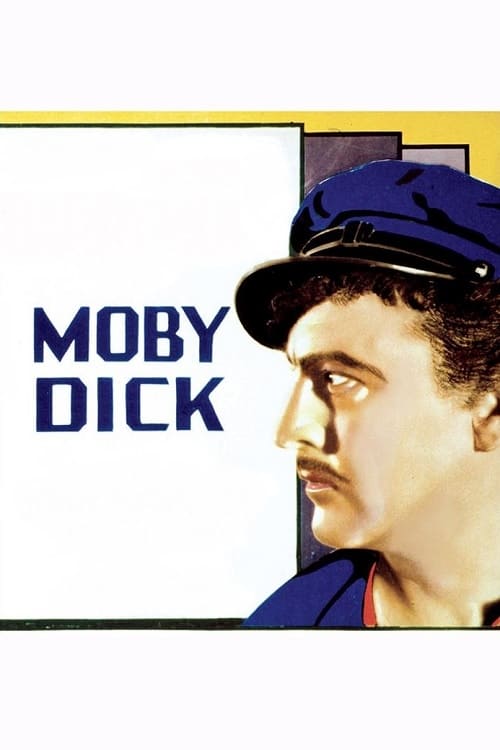
1930
1990
No reviews yet. Be the first to share your thoughts on this movie!
Use the rating form above to leave a star rating and optional review.