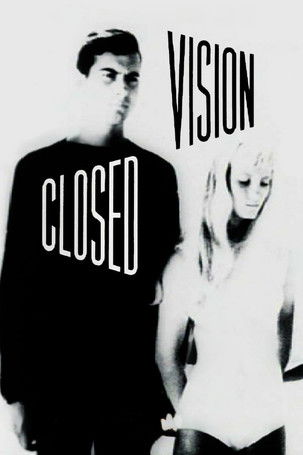
Closed Vision
1954
No user ratings available yet
Representation score: 2.3 out of 10
Representation Score
Fair
1943
Not RatedDirector
Maya Deren, Alexander Hammid
Runtime
14 minutes
Average Rating
No ratings yetNew Showbiz Analysis
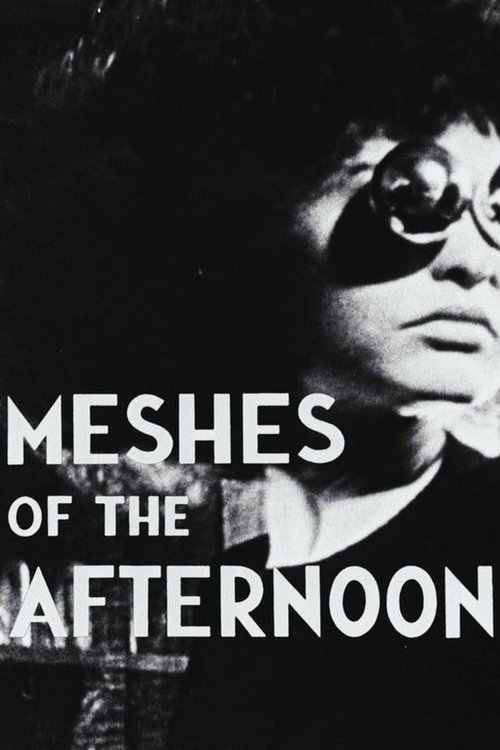
Maya Deren’s work is a landmark of formalist experimentation that shifts the cinematic focus from external action to internal, subjective experience. By centering a female protagonist's subconscious, the film dismantles the patriarchal structures common in mid-20th-century cinema. However, the film's narrow focus on a singular psychological journey results in a lack of racial and LGBTQ+ representation. The domestic setting remains culturally homogeneous, offering little engagement with broader identity politics. Ultimately, the film's strength lies in its structural subversion. It uses non-linear editing and symbolic imagery to challenge the stability of the self and traditional Western narrative conventions.
Category Breakdown
The film does not include any LGBTQ+ characters or explicit depictions of non-straight relationships. The narrative focuses entirely on a singular, internal psychological journey.
The film centers the female perspective and subjectivity, challenging traditional gender roles. The protagonist has total control over the dream-like narrative, subverting the passive female stereotype.
The cast is uniform and set within a domestic environment that lacks racial or ethnic complexity. It does not engage with issues of racial representation or identity politics.
The film challenges Western linear narrative structures by prioritizing subconscious truth over objective reality. It deconstructs the domestic space, turning a symbol of stability into one of dread.
While not explicitly depicting disability, the film explores altered states of consciousness. The protagonist's fragmented perception serves as a metaphor for neurodivergent or fractured mental states.
Present on Screen
Limited or Absent
Official Synopsis
A woman returning home falls asleep and has vivid dreams that may or may not be happening in reality. Through repetitive images and complete mismatching of the objective view of time and space, her dark inner desires play out on-screen.
1954
1973

2020
1945

1969
1974
1998
1980
No reviews yet. Be the first to share your thoughts on this movie!
Use the rating form above to leave a star rating and optional review.