Godzilla Minus One
2023
No user ratings available yet
Representation score: 5.7 out of 10
Representation Score
Minimal
1955
ApprovedDirector
Motoyoshi Oda
Runtime
82 minutes
Average Rating
No ratings yetNew Showbiz Analysis
Godzilla Raids Again is a foundational genre film that emphasizes spectacle and institutional response to disaster. It operates within the strict hierarchies of the 1950s, highlighting masculine leadership and state-led efforts to address catastrophic events. The film offers a culturally specific Japanese perspective but does not challenge traditional ethnic or gender norms. Its narrative structure is centered around a male-dominated hierarchy of pilots, scientists, and officers, leaving little room for diverse or multi-layered perspectives. Ultimately, the film serves as a historical document of post-war genre storytelling, emphasizing the preservation of social order and technical expertise over exploration of identity or social progress.
Category Breakdown
The film does not depict any non-binary gender identities or same-sex relationships. There is no representation of LGBTQ+ characters or themes.
The story is driven by male characters in military and scientific roles. Female characters have minimal influence and play a minor role in the narrative.
The cast is made up of actors from similar ethnic backgrounds, reflecting the demographics of 1955 Japan. There is no diversity in casting or characters representing different backgrounds.
The story focuses on maintaining social order and national survival against biological threats. It supports traditional values and does not promote alternative political or secular views.
The film does not include any characters with physical disabilities or neurodivergent traits. Characters are defined by their roles in the military or scientific fields.
Present on Screen
Limited or Absent
Official Synopsis
Two fishing scout pilots make a horrifying discovery when they encounter a second Godzilla alongside a new monster named Anguirus. Without the weapon that killed the original, authorities attempt to lure Godzilla away from the mainland. But Anguirus soon arrives and the two monsters make their way towards Osaka as Japan braces for tragedy.
2023
1956
2026
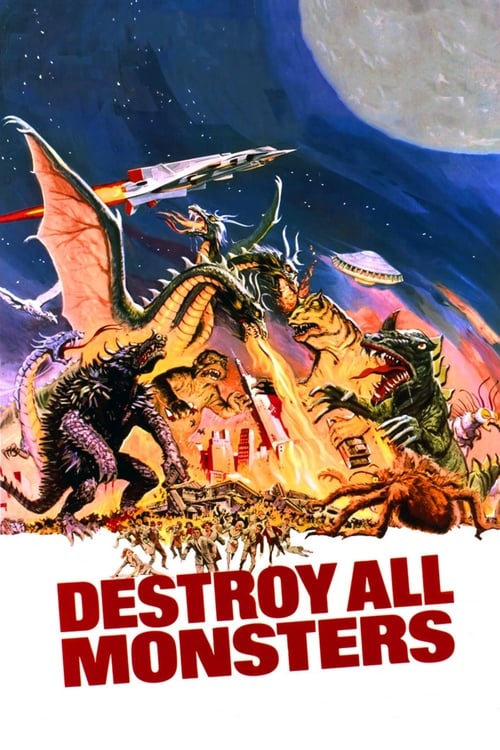
1968
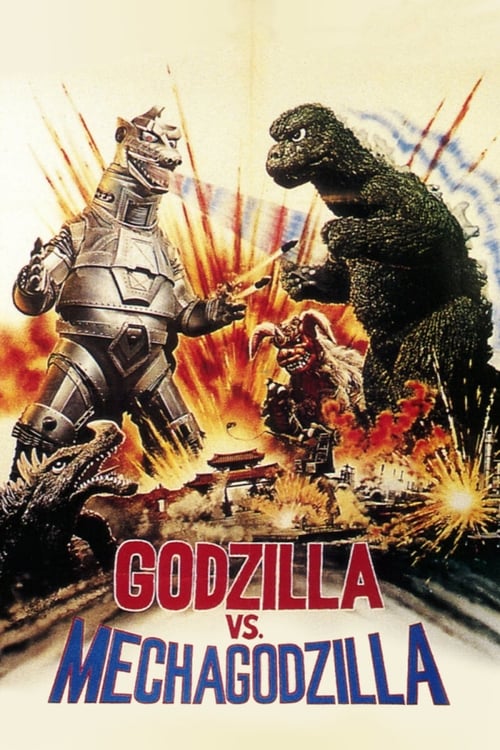
1974
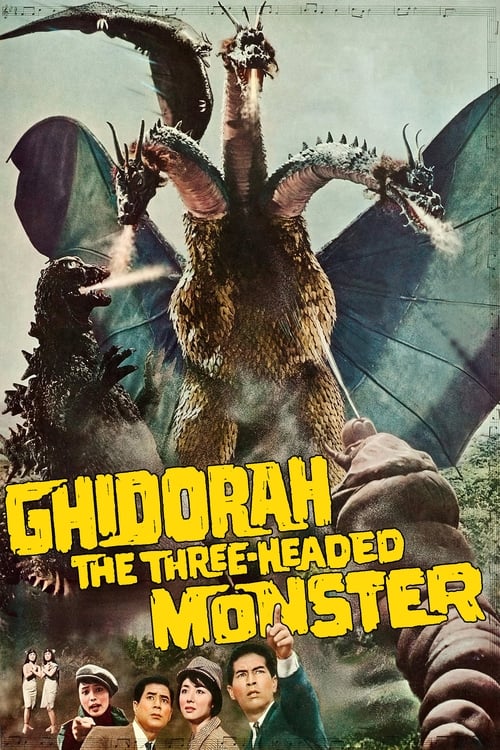
1964
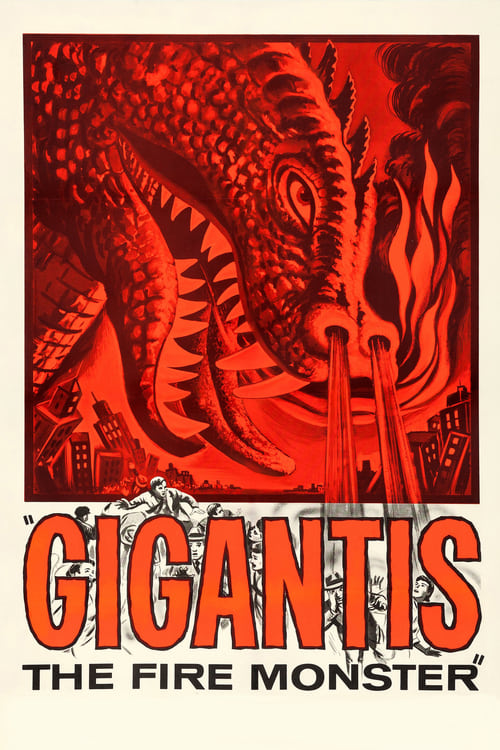
1959
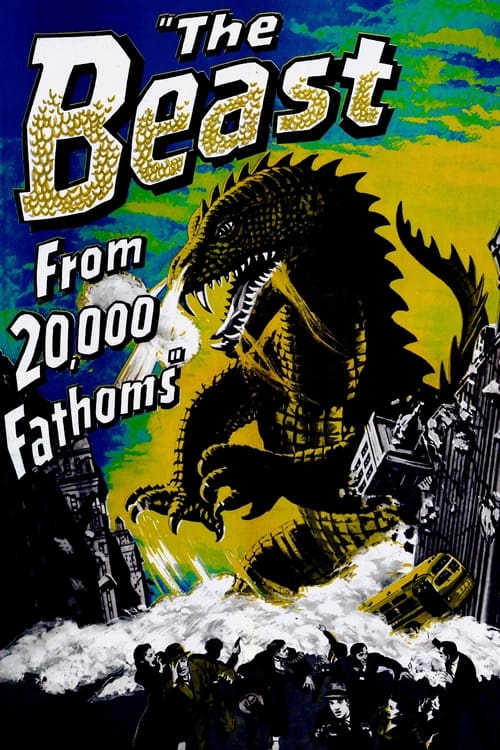
1953
No reviews yet. Be the first to share your thoughts on this movie!
Use the rating form above to leave a star rating and optional review.