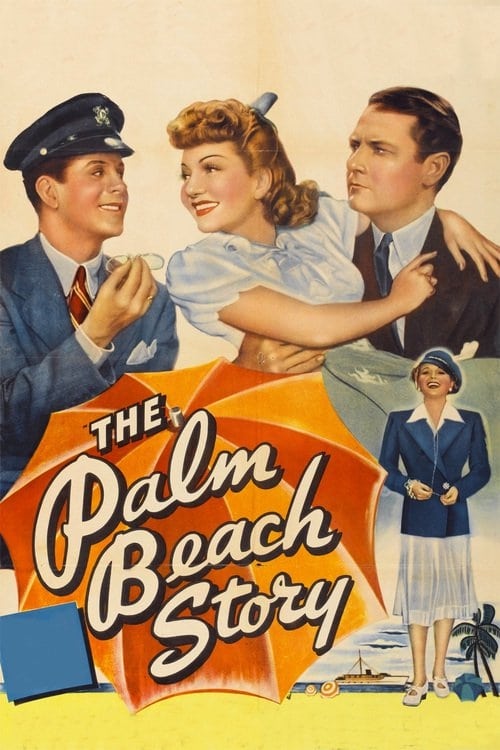
The Palm Beach Story
1942
No user ratings available yet
Representation score: 2.7 out of 10
Representation Score
Limited
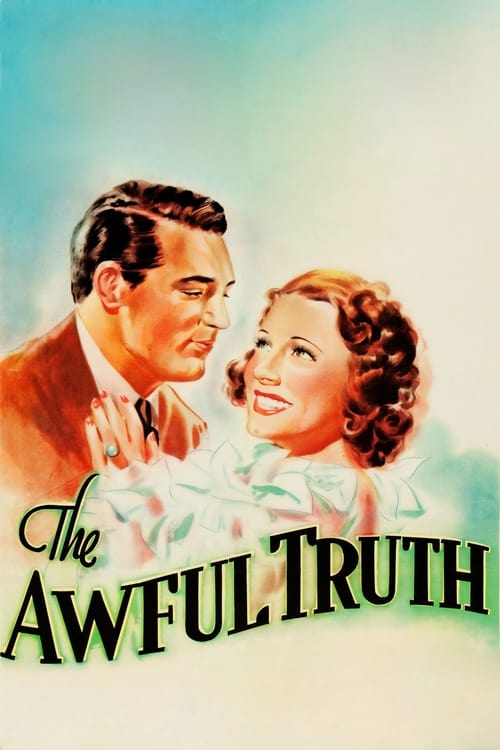
1937
NRDirector
Leo McCarey
Runtime
91 minutes
Average Rating
No ratings yetNew Showbiz Analysis
The film reflects its 1937 era, lacking racial and LGBTQ+ diversity. It operates within a homogeneous social framework typical of the period's studio productions. However, the film excels in subverting traditional gender hierarchies by centering a woman as the primary driver of the plot. It challenges the submissive femininity common in 1930s cinema. Ultimately, the work trades traditional moral sanctity for character-driven absurdity, offering a progressive look at domestic instability through a comedic lens.
Category Breakdown
The movie focuses solely on a heterosexual marital conflict and does not include any queer subtext or non-cisgender identities.
Lucy Warriner is the main driver of the plot, showing significant psychological control. The film challenges the era-specific gender roles by positioning the male lead in a reactive, often inept role.
The cast is primarily white and reflects a homogeneous upper-middle-class demographic. There is no diverse ethnic representation or intentional color-blind casting.
The story treats the dissolution of marriage with comedic absurdity rather than moral tragedy. It prioritizes individual emotional whims over the preservation of traditional domestic institutions.
There are no prominent depictions of physical or neurodivergent disabilities that drive the character arcs or the central narrative.
Present on Screen
Limited or Absent
Official Synopsis
Unfounded suspicions lead a married couple to begin divorce proceedings, whereupon they start undermining each other's attempts to find new romance.
1942
1936
1934
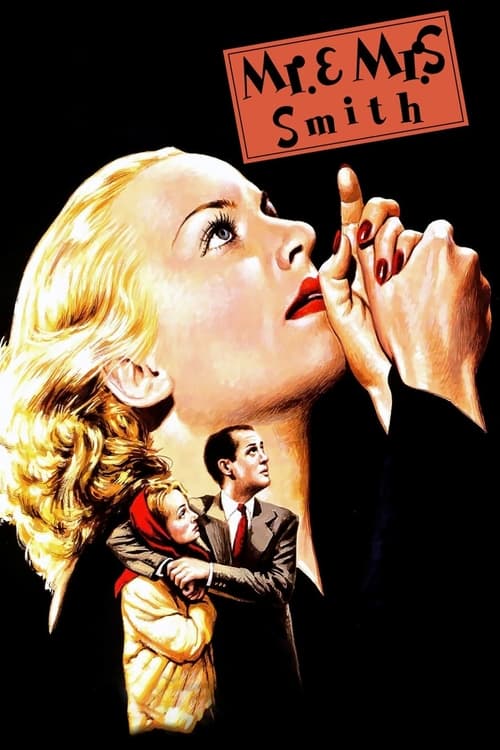
1941
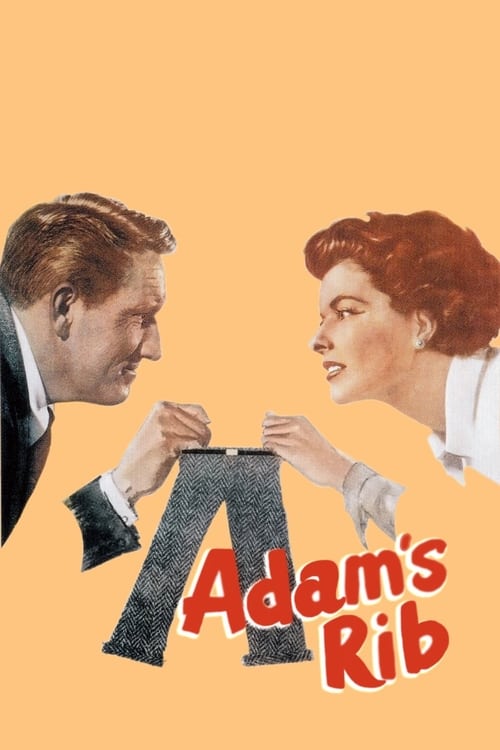
1949

1940

1940
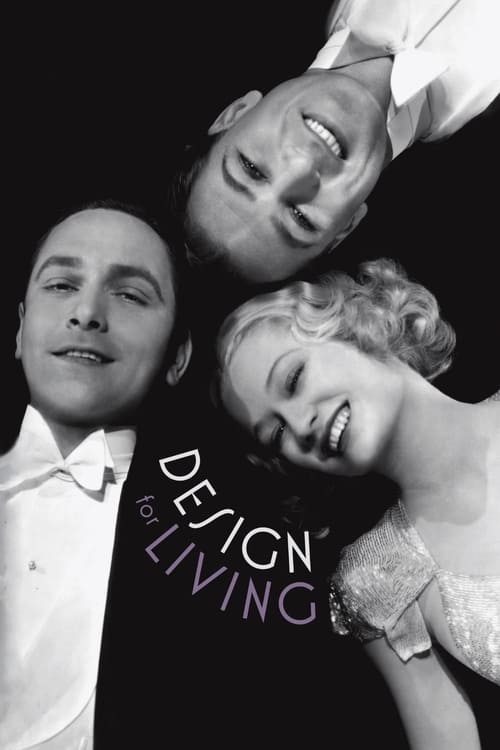
1933
No reviews yet. Be the first to share your thoughts on this movie!
Use the rating form above to leave a star rating and optional review.