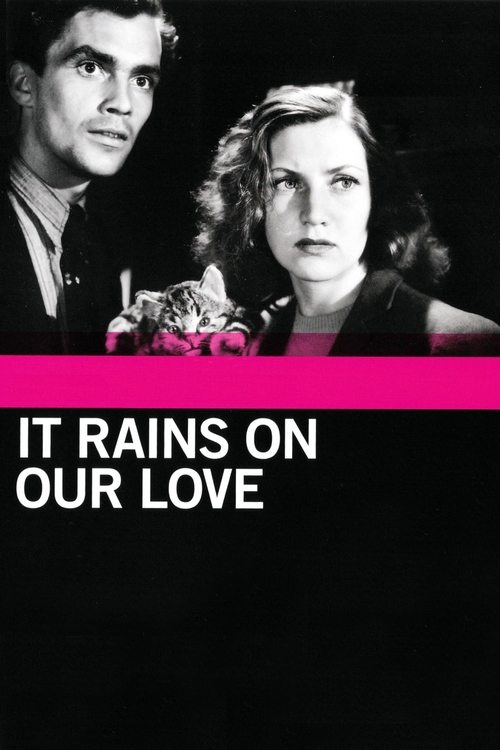
It Rains on Our Love
1946
No user ratings available yet
Representation score: 3.7 out of 10

Representation Score
Limited
1953
RDirector
Ingmar Bergman
Runtime
98 minutes
Average Rating
No ratings yetNew Showbiz Analysis
Ingmar Bergman’s film goes beyond a simple love story to provide a nuanced critique of social stability. By focusing on psychological complexity rather than external moral judgments, the film questions the rigid social structures of its time. The film excels in challenging traditional gender roles and promoting moral relativism. Monika emerges as a strong, independent figure who shapes the relationship rather than conforming to traditional domestic roles. However, the film is confined by its historical and geographic context. It lacks diversity in race and LGBTQ+ representation, presenting a uniform view of mid-century Sweden.
Category Breakdown
The film centers on a heterosexual relationship and does not include any characters with non-cisgender identities or queer subtext.
Monika challenges 1950s gender roles by playing a significant role in driving the story and showing emotional independence. Her relationship with Bengt upends traditional masculine dominance.
The cast is predominantly white, reflecting the demographic makeup of rural Sweden in the 1950s. The film does not showcase diverse ethnic backgrounds.
The narrative emphasizes individual freedom and rebellion against traditional societal norms. It delves into the conflict between youthful defiance and the constraints of established institutions.
There are no characters with visible or invisible disabilities that play a central role in the story or character development.
Present on Screen
Limited or Absent
Official Synopsis
One summer day, two teens begin a reckless affair and abandon their families to be with one another.
1946
1946

1951
1952

1947
1945

1963
1962
No reviews yet. Be the first to share your thoughts on this movie!
Use the rating form above to leave a star rating and optional review.