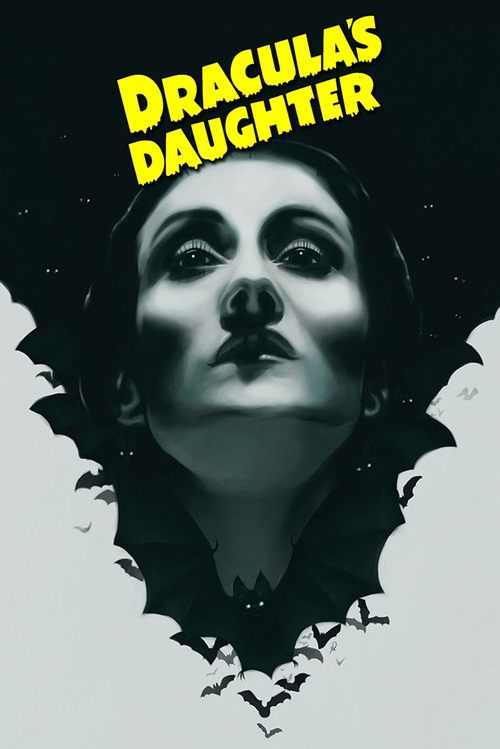
Dracula's Daughter
1936
No user ratings available yet
Representation score: 4.0 out of 10
Representation Score
Minimal
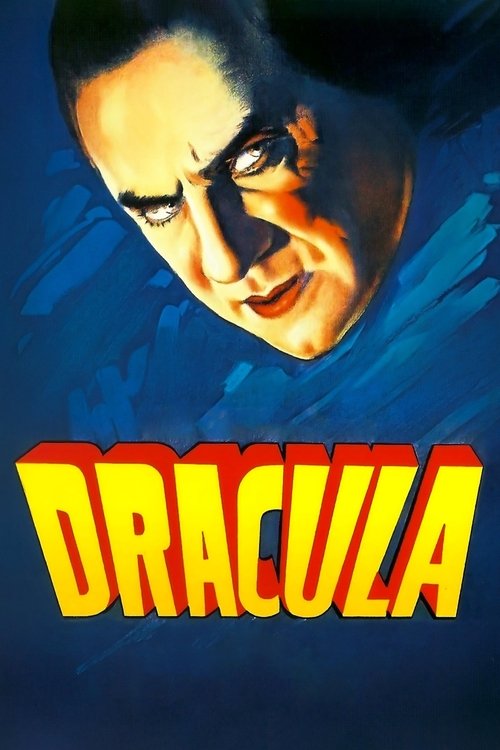
1931
NRDirector
Tod Browning
Runtime
74 minutes
Average Rating
No ratings yetNew Showbiz Analysis
Tod Browning's *Dracula* functions as a foundational horror text that reinforces early 20th-century social hierarchies. The narrative relies on a binary between civilized Westerners and the monstrous outsider, centering on the preservation of established social orders. The film lacks multi-layered representation, presenting a culturally uniform world. It prioritizes traditional male-driven conflicts and religious authority over character autonomy or diverse representation. While the vampire's 'otherness' is central, it is framed through supernatural status rather than racial or identity-based diversity.
Category Breakdown
The film strictly follows the assumption that everyone is straight or cisgender. There is no explicit depiction of non-binary gender identities or same-sex relationships.
Female characters such as Mina and Lucy are portrayed as vulnerable subjects. They lack meaningful conversations with each other, failing the Bechdel test.
The casting is almost entirely homogeneous and centered around Anglo-Saxon actors. The film presents a culturally uniform landscape without diverse ethnic backgrounds.
The story upholds Western institutions and moral binaries. Van Helsing represents the authority of science and religion against supernatural disruption.
Renfield's mental instability is portrayed through era-specific clichés of madness. His neurodivergence serves as a narrative device to heighten fear.
Present on Screen
Limited or Absent
Official Synopsis
A British estate agent travels to Transylvania to meet with the mysterious Count Dracula, who is interested in leasing a London castle. After Dracula enslaves and drives the agent to insanity, the pair return to London together, where Dracula, a secret bloodsucker, begins preying on socialites.
1936
1931

1958
1932
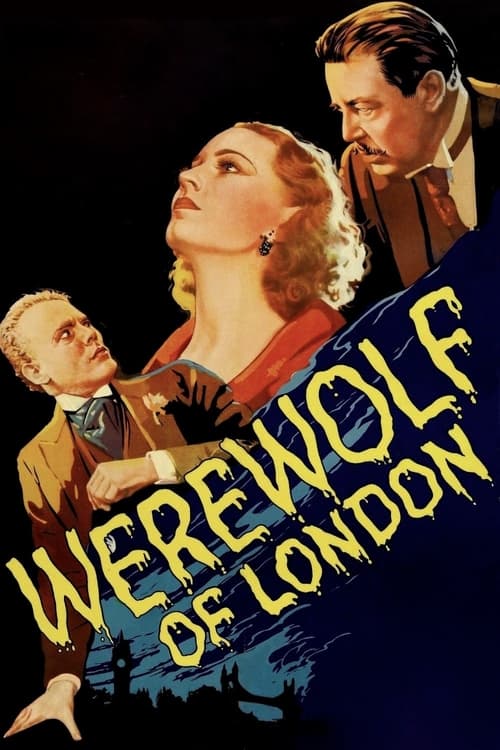
1935
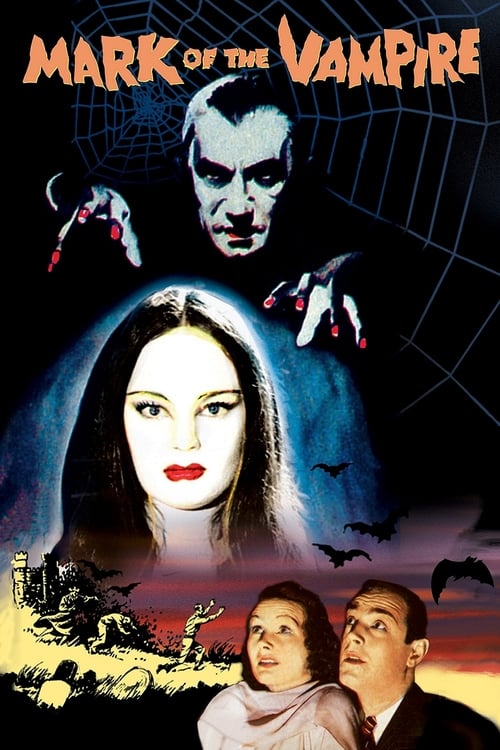
1935
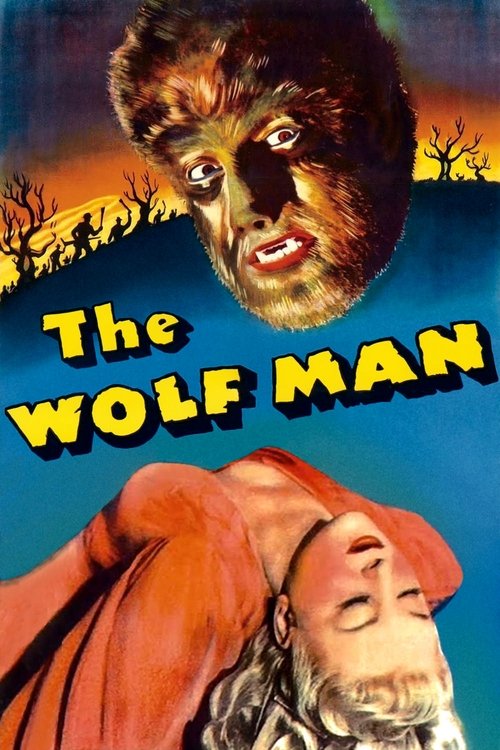
1941
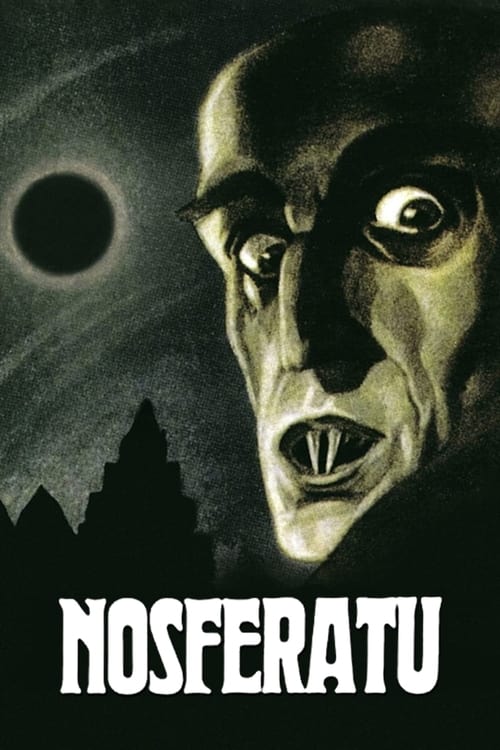
1922
No reviews yet. Be the first to share your thoughts on this movie!
Use the rating form above to leave a star rating and optional review.