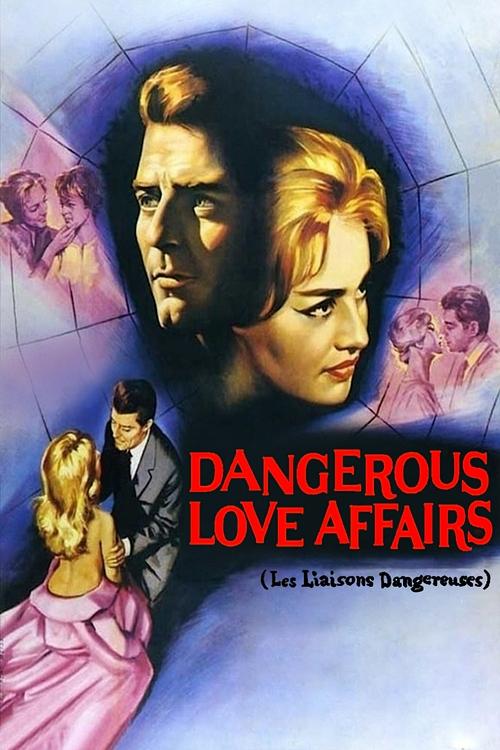
Dangerous Love Affairs
1959
No user ratings available yet
Representation score: 4.7 out of 10

Representation Score
Limited
1956
PGDirector
Roger Vadim
Runtime
92 minutes
Average Rating
No ratings yetNew Showbiz Analysis
Roger Vadim’s film serves as a foundational text for sexual liberation in European cinema. It succeeds by challenging the patriarchal leadership common in 1950s filmmaking, centering a woman whose intellect and sexuality shape the plot. However, the film lacks modern multi-layered breadth. It offers almost no representation for LGBTQ+ identities and maintains a narrow focus regarding racial and ethnic diversity within its Mediterranean setting. Ultimately, the work is defined by its critique of traditional Western institutions. It positions personal pleasure as a valid experience against the oppressive, restrictive moral authority of the village.
Category Breakdown
The film does not include any LGBTQ+ characters or non-straight identities. The central conflict revolves around traditional heterosexual social expectations.
Juliette challenges mid-century gender hierarchies by taking a leading role in driving her own desires. She rejects submissive roles, forcing male characters to respond to her actions.
Set in Saint-Tropez, the film focuses on a localized Mediterranean culture. It lacks multi-ethnic casting and does not explore diverse racial backgrounds.
The narrative criticizes rigid religious and social structures in a small French town. It prioritizes individual secular desires over the community's moral judgments.
There are no prominent depictions of physical or neurodivergent disabilities that affect the characters or the narrative arc.
Present on Screen
Limited or Absent
Official Synopsis
18-year-old orphan Juliette's unbridled appetite for pleasure shakes up all of St Tropez; her sweet but naïve husband Michel endures beatings, insults, and mambo in his futile attempts to tame her wild ways.
1959

1965

1964

1969

1974

1958

1980
1960
No reviews yet. Be the first to share your thoughts on this movie!
Use the rating form above to leave a star rating and optional review.