
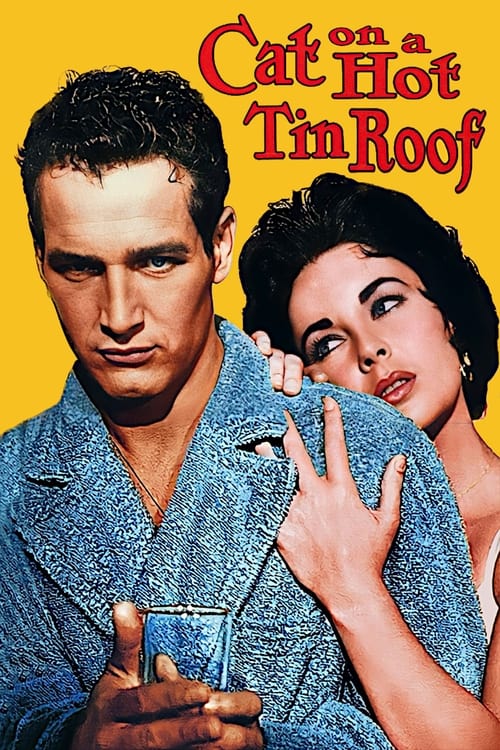
Cat on a Hot Tin Roof
1984
No user ratings available yet
Representation score: 7.5 out of 10
Representation Score
Excellent
1958
NRDirector
Richard Brooks
Runtime
108 minutes
Average Rating
No ratings yetNew Showbiz Analysis
Richard Brooks delivers a sophisticated deconstruction of mid-century social norms. Through character-driven drama, the film interrogates gendered expectations and the psychological toll of enforced heteronormativity. While it provides a sharp critique of traditional institutions like family and wealth, it remains limited by its historical setting. Ultimately, the film's strength lies in its exploration of mendacity, using the friction between individual truth and social facades to challenge established cultural codes.
Category Breakdown
The film explores the repressed identity of Brick and his connection to the late Skipper, using subtle hints to critique the societal pressures of the time.
Maggie challenges traditional submissive roles through her sexual assertiveness and strategic intellect, while Brick's emotional withdrawal subverts the expected masculine provider archetype.
The story centers on white aristocracy within a Mississippi plantation setting, with non-white characters remaining peripheral and not driving the main family drama.
The film deconstructs Southern honor and family sanctity by highlighting systemic dishonesty, portraying the pursuit of legacy and inheritance as corruptive forces.
Terminal illness and chronic alcoholism serve as primary plot drivers, but these conditions mainly act as catalysts for conflict rather than deep explorations of lived experience.
Present on Screen
Limited or Absent
Official Synopsis
An alcoholic ex-football player drinks his days away, having failed to come to terms with his sexuality and his real feelings for his football buddy who died after an ambiguous accident. His wife is crucified by her desperation to make him desire her: but he resists the affections of his wife. His reunion with his father—who is dying of cancer—jogs a host of memories and revelations for both father and son.
1984
1945

2007
1977

1966

1987

2020

1963
No reviews yet. Be the first to share your thoughts on this movie!
Use the rating form above to leave a star rating and optional review.