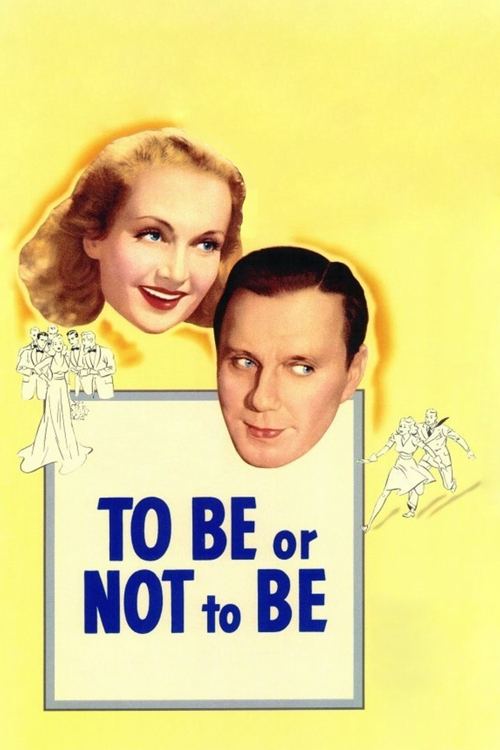
To Be or Not to Be
1942
No user ratings available yet
Representation score: 8.1 out of 10
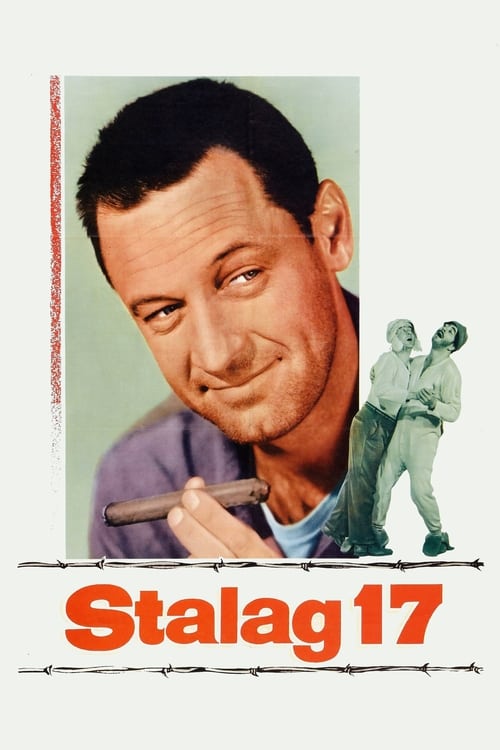
Representation Score
Minimal
1953
NRDirector
Billy Wilder
Runtime
120 minutes
Average Rating
No ratings yetNew Showbiz Analysis
Billy Wilder’s Stalag 17 is a psychological character study that prioritizes the deconstruction of group dynamics over demographic variety. The film operates within the rigid social and systemic constraints of its 1953 era, resulting in a highly homogeneous cast. While the film lacks representation across most identity categories, it succeeds in its cynical interrogation of Western institutions. By replacing the traditional heroic soldier archetype with a fractured, paranoid community, Wilder offers a sophisticated critique of collective morality. Ultimately, the film's value lies in its narrative structure and its exploration of how survivalist instincts erode social cohesion, rather than in its inclusivity.
Category Breakdown
The film takes place in a hyper-masculine, military environment where there are no LGBTQ+ characters or explorations of non-traditional gender identities.
Women are entirely absent from the narrative, which means there is no women's ability to drive the story. The story focuses on various aspects of masculinity without challenging traditional gender roles.
The cast is made up of a homogeneous group of white American soldiers. The film does not include diverse ethnic backgrounds or multi-layered casting.
The film challenges institutional ideals by showing the breakdown of brotherhood and group cohesion. It uses moral relativism to question the singular morality found in mid-century war films.
There are no significant depictions of visible or invisible disabilities. Neurodivergence and chronic illness are not used as central character elements or plot drivers.
Present on Screen
Limited or Absent
Official Synopsis
After two American prisoners are killed by guards in the act of escaping from a German POW camp in World War II, barracks black marketeer J.J. Sefton is suspected of being an informer.
1942
1959
1979
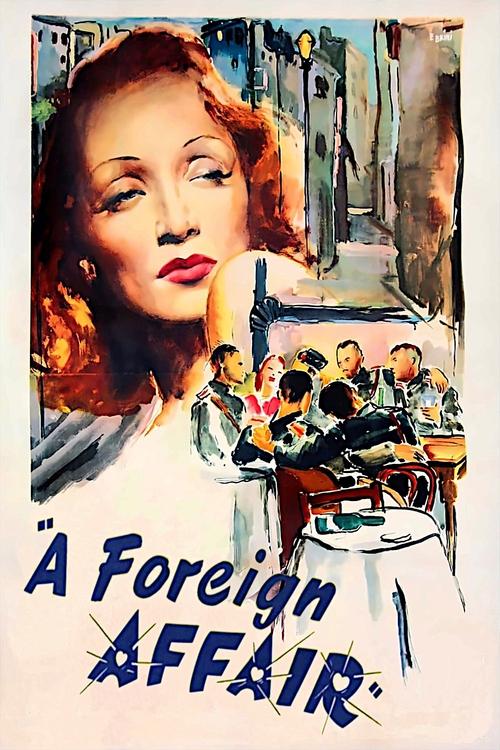
1948
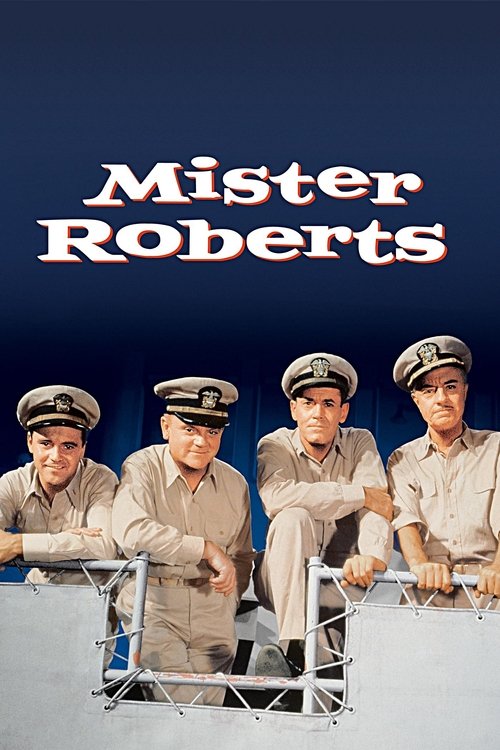
1955
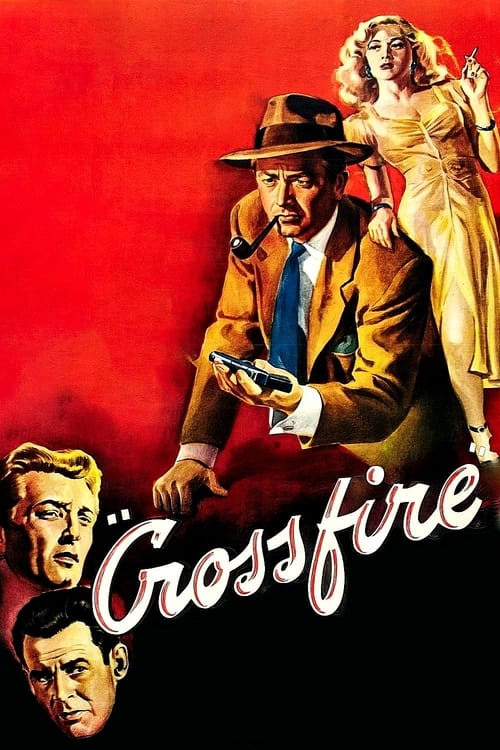
1947

1970
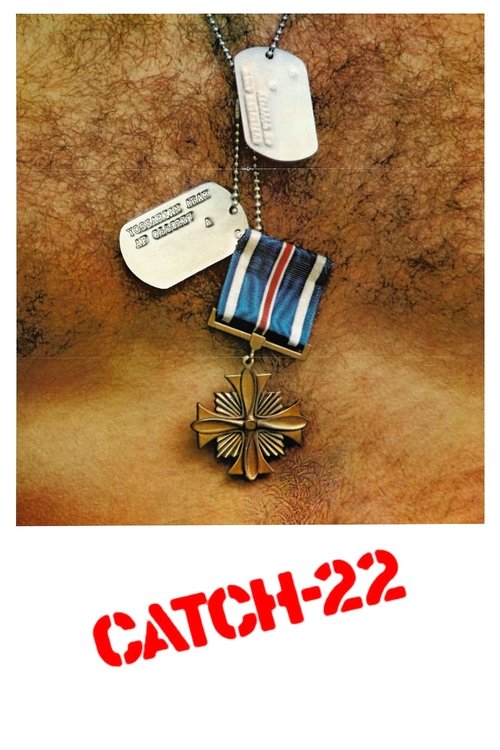
1970
No reviews yet. Be the first to share your thoughts on this movie!
Use the rating form above to leave a star rating and optional review.