The Nun's Story
1959
No user ratings available yet
Representation score: 2.6 out of 10
Representation Score
Fair
1947
ApprovedDirector
Michael Powell, Emeric Pressburger
Runtime
100 minutes
Average Rating
No ratings yetNew Showbiz Analysis
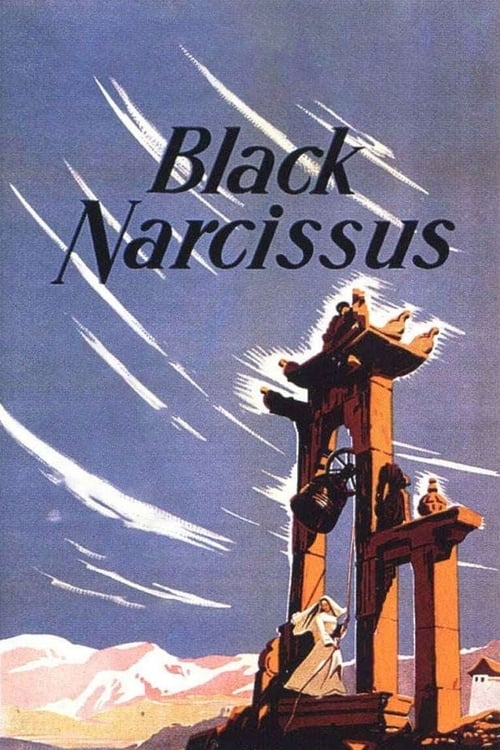
Black Narcissus is a sophisticated study of human ability to act that disrupts the standard religious drama. Its most notable achievement is the centering of a female ensemble, moving beyond domestic clichés to explore complex psychological unraveling and intellectual struggle. However, the film is heavily tied to its colonial context. The British-centric perspective limits the ability to act of the local population, framing the Himalayan setting as a backdrop for Western spiritual conflict rather than a lived indigenous reality. Ultimately, the film succeeds by deconstructing institutional authority. It trades moral certainty for a nuanced exploration of how environmental and sensory realities can erode even the most rigid societal structures.
Category Breakdown
The film does not explicitly include LGBTQ+ identities or overt same-sex intimacy. However, intense sensory imagery and psychological tension hint at a hidden intimacy between the female protagonists.
The story focuses on an all-female cast, emphasizing their internal struggles and ability to act. It avoids traditional domestic roles, instead highlighting female leadership and resistance against restrictive hierarchies.
Set in 1947, the film primarily features British protagonists. The local Indian population mainly serves as a catalyst for the nuns' psychological changes rather than having a significant role in driving the story.
The film challenges Western religious stability by showing the breakdown of spiritual vows. It portrays the convent as a place of psychological instability rather than a sanctuary of moral certainty.
No characters are identified as possessing visible or invisible disabilities within the narrative.
Present on Screen
Limited or Absent
Official Synopsis
A group of Anglican nuns, led by Sister Clodagh, are sent to a mountain in the Himalayas. The climate in the region is hostile and the nuns are housed in an odd old palace. They work to establish a school and a hospital, but slowly their focus shifts. Sister Ruth falls for a government worker, Mr. Dean, and begins to question her vow of celibacy. As Sister Ruth obsesses over Mr. Dean, Sister Clodagh becomes immersed in her own memories of love.
1959
2017

1951

1945
2017

1963
2022

1962
No reviews yet. Be the first to share your thoughts on this movie!
Use the rating form above to leave a star rating and optional review.