Steamboat Willie
1928
No user ratings available yet
Representation score: 0.3 out of 10
Representation Score
Minimal
1933
NRDirector
Burt Gillett
Runtime
8 minutes
Average Rating
No ratings yetNew Showbiz Analysis
This Silly Symphony short functions as a moral fable centered on the classic conflict between predator and prey. The narrative structure emphasizes social stability, stressing the importance of hard work, personal responsibility, and the protection of private property. Given the film’s focus on a simple survival plot within a homogeneous, fable-like environment, it does not explore the complexities of diverse human experiences. Instead, it adheres to a structured framework that upholds traditional moral storytelling. Ultimately, the film upholds established cultural norms rather than challenging them, presenting a clear binary view of virtue and anti-social behavior through its anthropomorphic characters.
Category Breakdown
The film is focused on straight relationships and does not include any LGBTQ characters or themes.
The cast consists of male characters only, featuring the three pigs and the wolf. There are no female characters to challenge traditional gender roles.
The film's setting is pastoral and does not address racial or ethnic identities. There is no representation of different ethnic backgrounds or cultures.
The story promotes traditional Western values by highlighting the virtues of hard work and property ownership. It presents a clear moral distinction between the industrious pigs and the predatory wolf.
The characters are defined by their physical abilities, such as building and running. There is no representation of neurodivergence or physical disabilities.
Present on Screen
Limited or Absent
Official Synopsis
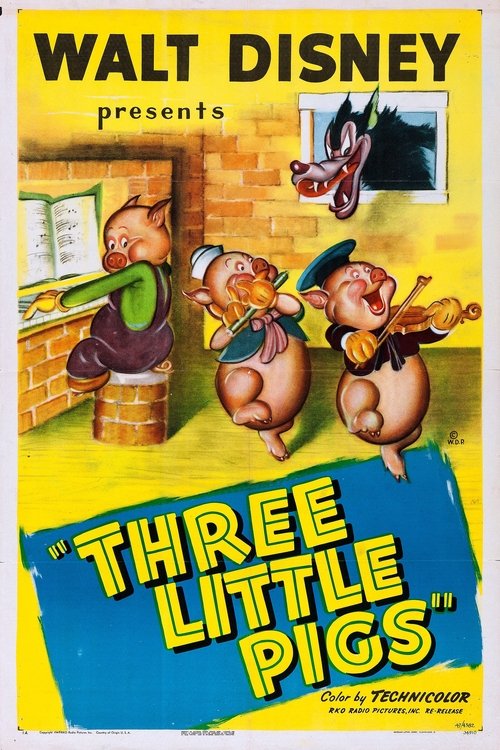
The two pigs building houses of hay and sticks scoff at their brother, building the brick house. But when the wolf comes around and blows their houses down (after trickery like dressing as a foundling sheep fails), they run to their brother's house. And throughout, they sing the classic song, "Who's Afraid of the Big Bad Wolf?".
1928
1934

1957

1953

1950
1936

1943
1949
No reviews yet. Be the first to share your thoughts on this movie!
Use the rating form above to leave a star rating and optional review.