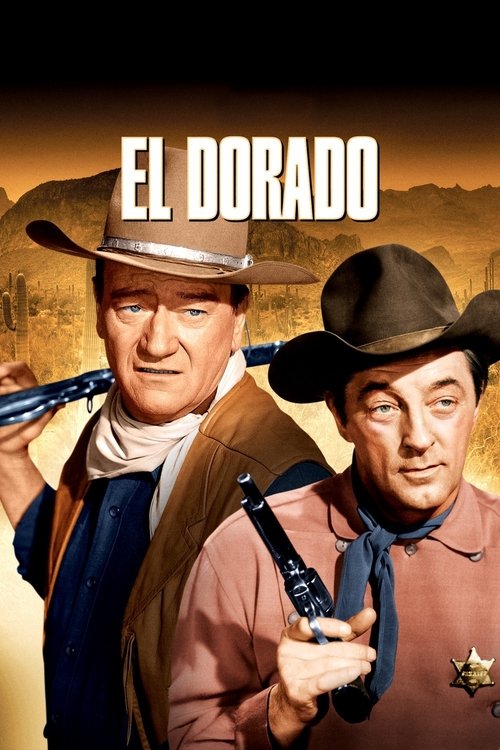
El Dorado
1966
No user ratings available yet
Representation score: 0.6 out of 10
Representation Score
Minimal
1948
ApprovedDirector
Howard Hawks
Runtime
133 minutes
Average Rating
No ratings yetNew Showbiz Analysis
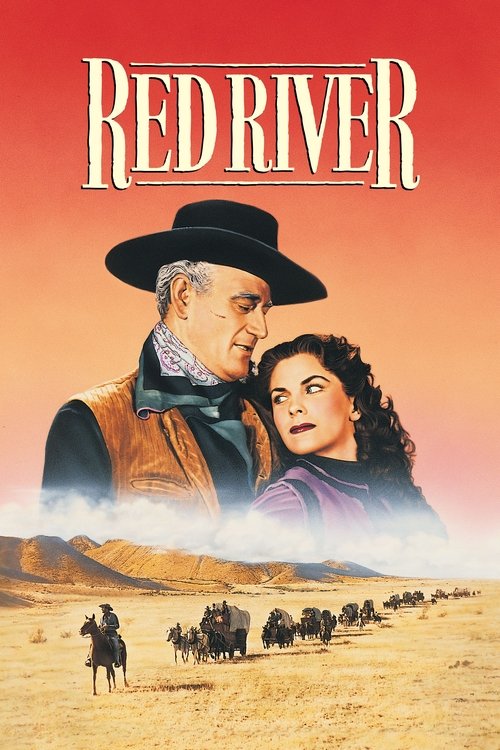
Red River is a classic Western film that emphasizes traditional social hierarchies and masculine frontier identity. The narrative structure prioritizes a specific, masculine perspective over a more diverse representation. While the film offers a nuanced look at the transition from frontier individualism to organized capitalism, it does not challenge traditional norms regarding gender and race. Instead, it focuses on the conflict between personal codes and evolving legal standards.
Category Breakdown
The film focuses on traditional masculine bonds and patriarchal structures, without addressing non-straight or non-cisgender identities.
The story centers around male rivalry and frontier masculinity, relegating women to minor, domestic roles with little influence on the plot.
The cast is primarily white, with Native American characters portrayed through conventional stereotypes without much depth or ability to act.
The film examines the shift from a ranching economy to a more structured, legalistic society, highlighting the tension between individualism and organized capitalism.
There are no prominent depictions of disabilities, either visible or invisible, and characters are defined by physical endurance rather than any health conditions.
Present on Screen
Limited or Absent
Official Synopsis
Following the Civil War, headstrong rancher Thomas Dunson decides to lead a perilous cattle drive from Texas to Missouri. During the exhausting journey, his persistence becomes tyrannical in the eyes of Matthew Garth, his adopted son and protégé.
1966
1950

1959
1950
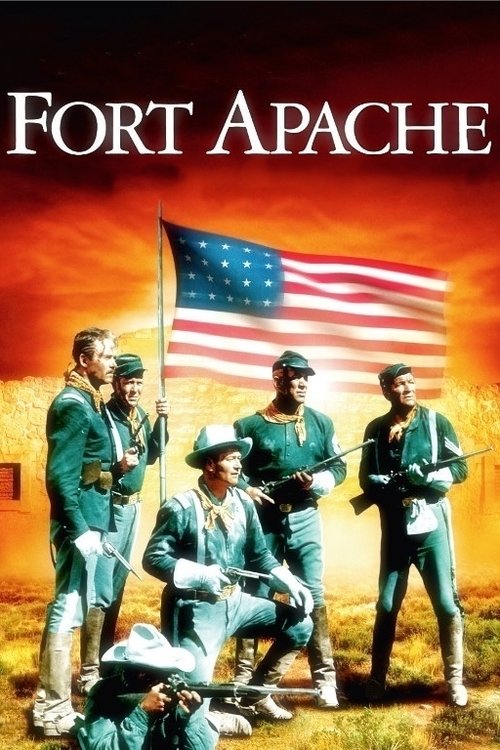
1948
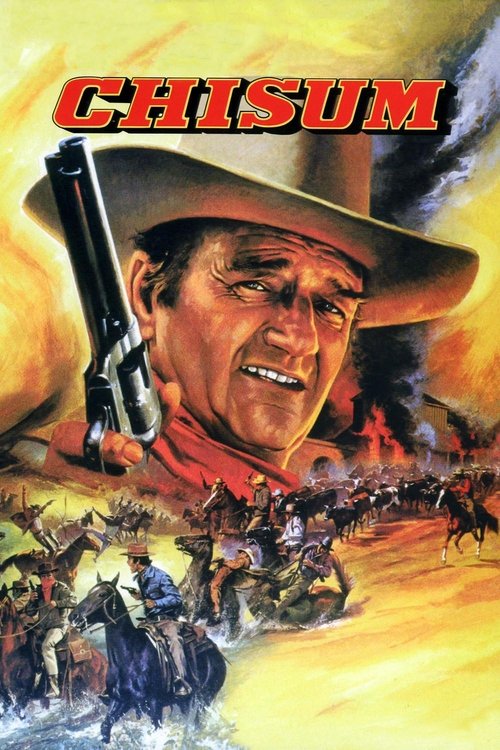
1970
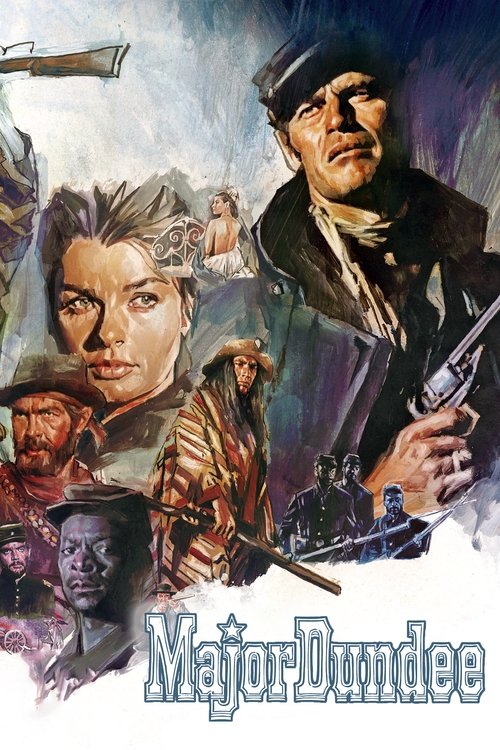
1965
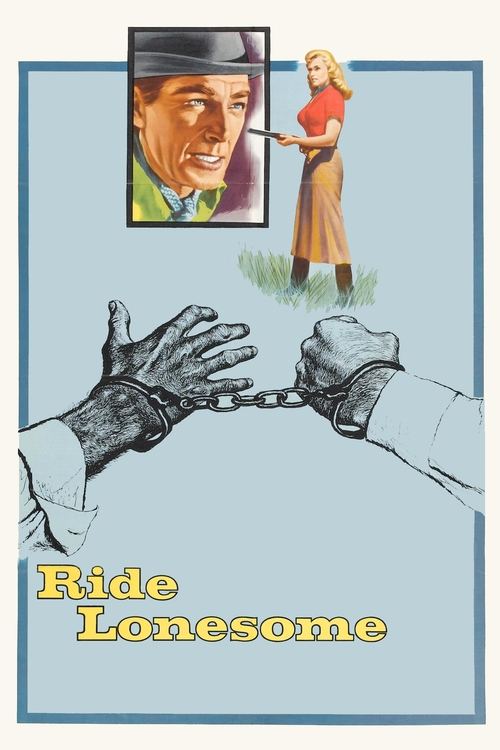
1959
No reviews yet. Be the first to share your thoughts on this movie!
Use the rating form above to leave a star rating and optional review.