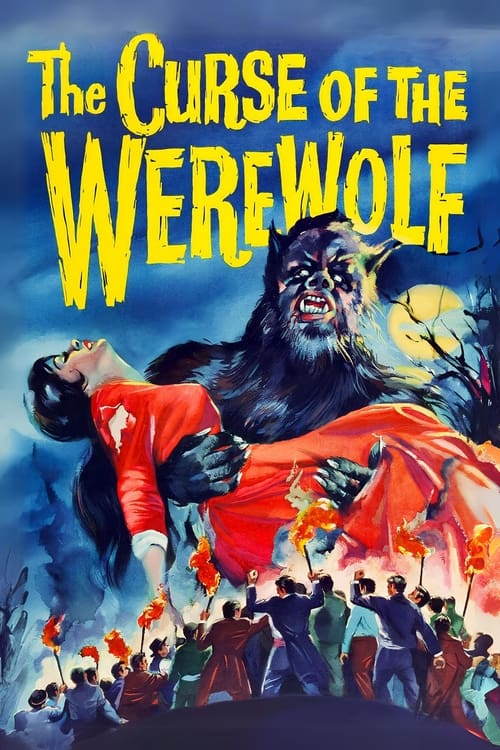
The Curse of the Werewolf
1961
No user ratings available yet
Representation score: 3.1 out of 10
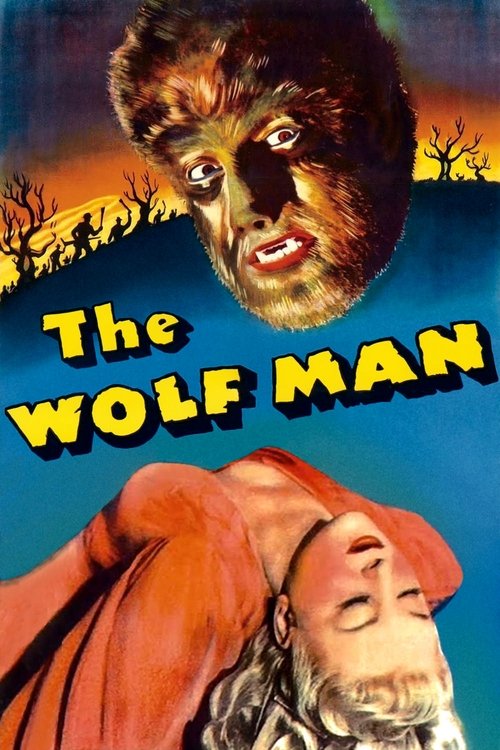
Representation Score
Minimal
1941
ApprovedDirector
George Waggner
Runtime
70 minutes
Average Rating
No ratings yetNew Showbiz Analysis
The Wolf Man is a foundational piece of psychological horror that focuses on atmospheric tension and classical storytelling. It prioritizes traditional themes and homogeneous demographics typical of mid-century genre filmmaking. While the film excels in creating a visual language for psychological horror, it does not disrupt the established social or cultural norms of its time. The focus remains on the individual's struggle against fate.
Category Breakdown
The film follows the traditional structures of the 1940s, where everyone is assumed to be straight or cisgender. There is no depiction of LGBTQ+ identities or same-sex relationships, and romantic tension is centered around the heterosexual bond between Larry and Gwen.
Gender roles are traditional. Female characters mainly serve to advance the protagonist's emotional journey rather than being active agents themselves. This leaves women in largely reactive roles to the main conflict.
The cast is entirely white and homogeneous. Set in a remote European village, the film lacks characters from non-Anglo-Saxon backgrounds, reflecting the era's standard cinematic practices and localized folklore.
The story operates within a traditional moral framework using classical folklore. It maintains a standard moral dichotomy without challenging religious, capitalist, or familial norms.
The werewolf transformation is used as a metaphor for involuntary physical changes. However, it is portrayed as a supernatural curse rather than a nuanced exploration of disability or neurodivergence.
Present on Screen
Limited or Absent
Official Synopsis
After his brother's death, Larry Talbot returns home to his father and the family estate. Events soon take a turn for the worse when Larry is bitten by a werewolf.
1961
1935

2010
1925
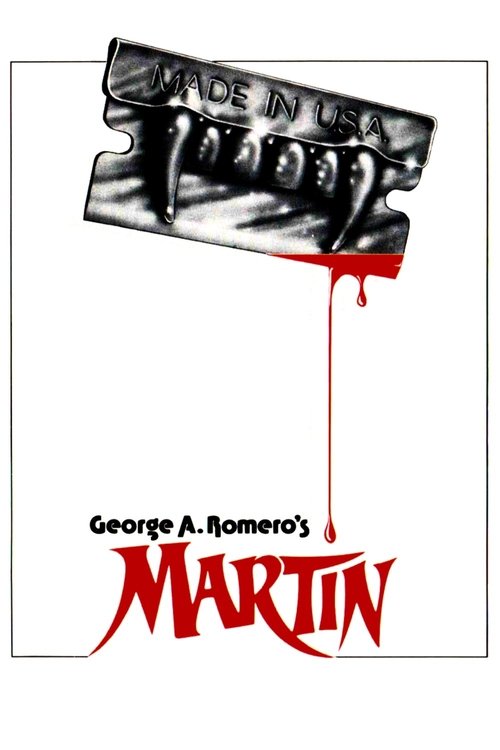
1978
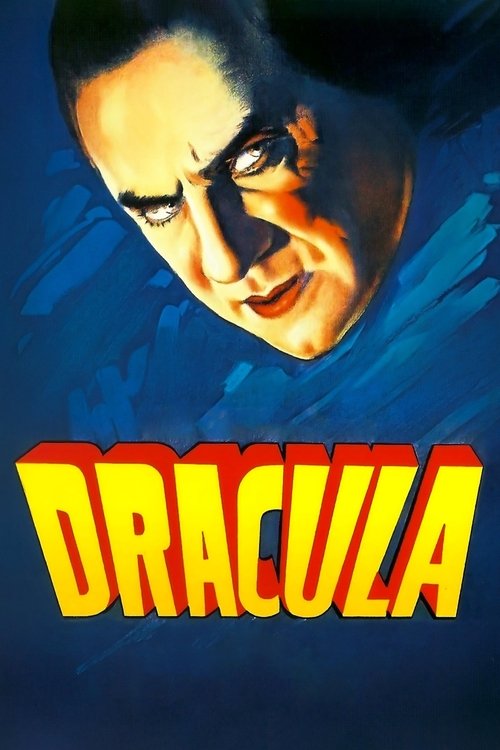
1931
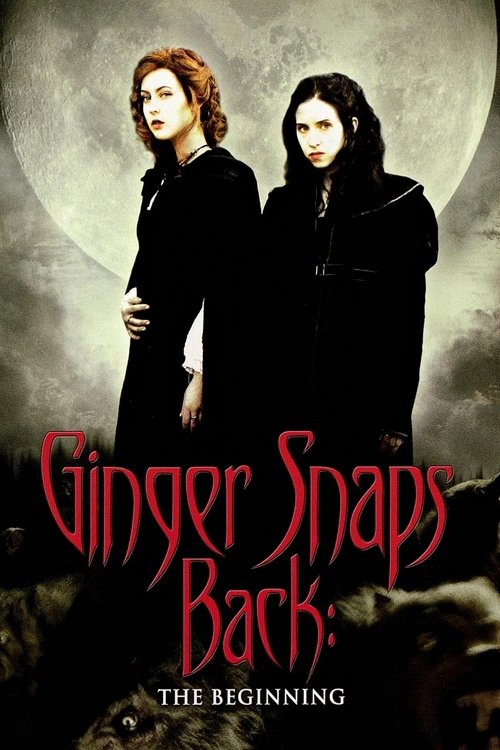
2004
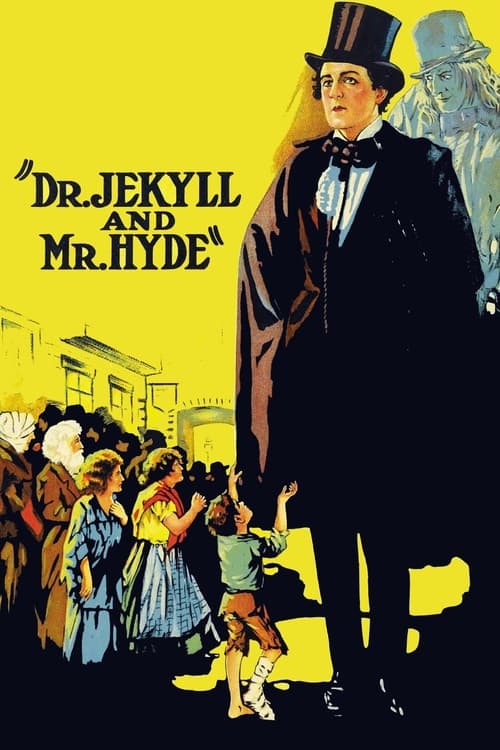
1920
No reviews yet. Be the first to share your thoughts on this movie!
Use the rating form above to leave a star rating and optional review.