Barbie
2023
PG-13No user ratings available yet
Representation score: 9.8 out of 10
These lists use approved gender representation scores for Contemporary films (1990s-present) that have written notes. Highest-scoring films are those whose notes describe more on-screen gender representation. Lowest-scoring films are those whose notes describe less. Neither list is a quality ranking.
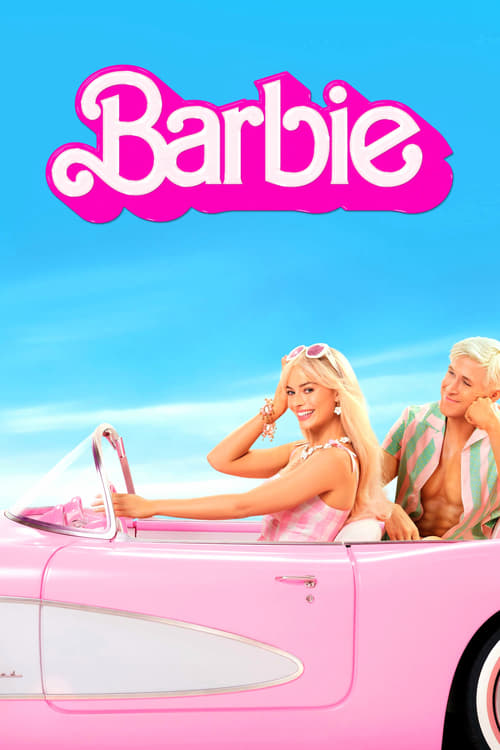
Barbie Land functions as a matriarchal utopia where women hold all social and political power. The story effectively critiques patriarchal dominance and the impossible standards of femininity.
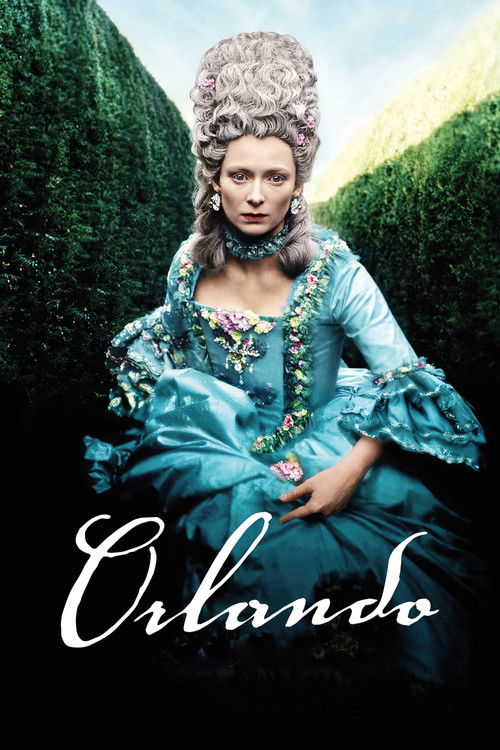
The film explores how social power and ability to act change as Orlando transitions between genders. It questions the idea of natural gender roles by showing them as socially constructed and performative.
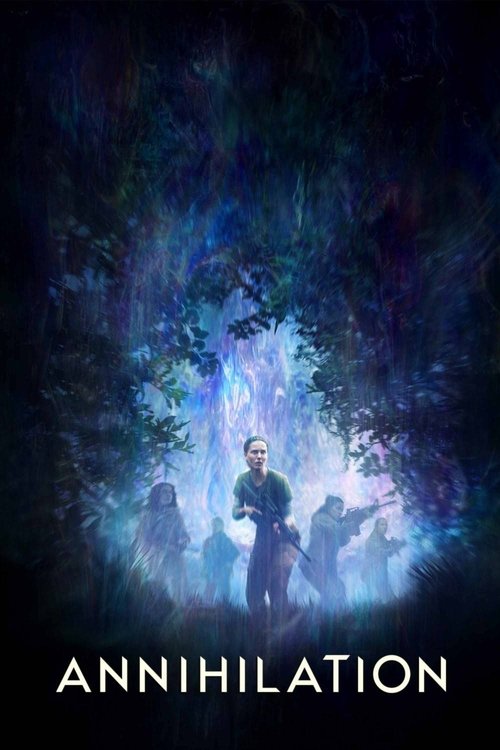
The film centers an all-female scientific expedition, subverting the typical male-dominated explorer cliché. Characters are defined by their professional expertise and control over their actions, rather than their relationships to men.
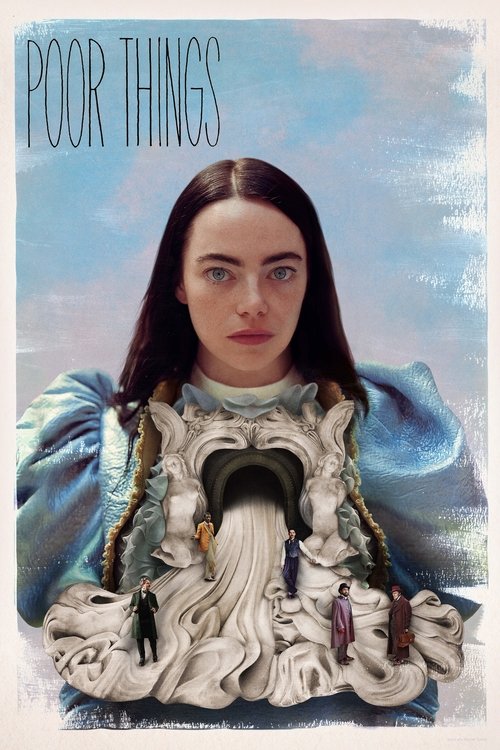
The film challenges traditional gender hierarchies by portraying male authority figures as weak or ineffective. It prioritizes female intellectual and bodily autonomy as the main driver of the plot.
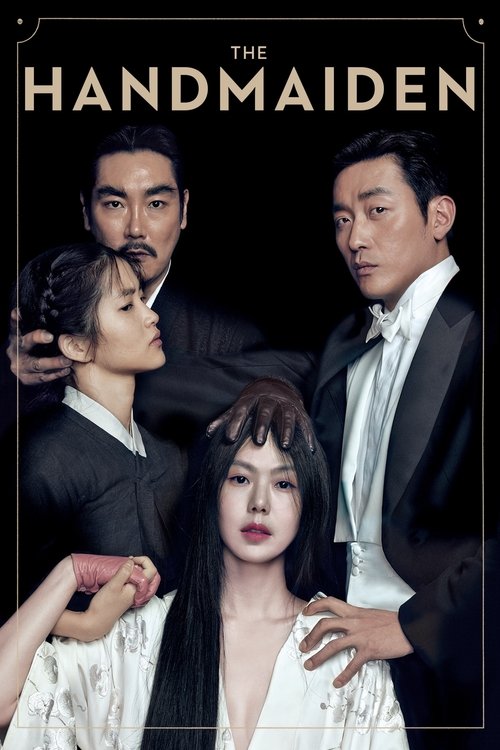
The film subverts traditional gender hierarchies by portraying male characters through a lens of moral decay and predatory manipulation. Female protagonists evolve from a master-servant dynamic into a unified partnership.
By focusing on the female perspective, the narrative challenges the idea of women as passive objects. Characters have significant intellectual and emotional influence, breaking down traditional patriarchal structures.
The narrative places women in professional baseball and critiques outdated gender roles by highlighting athletic competence while contrasting it with the era's strict rules for ladylike behavior.
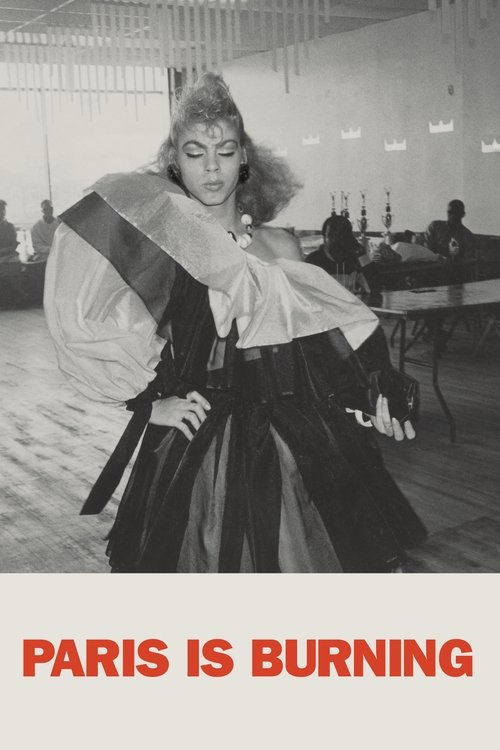
It focuses on the performance of femininity and masculinity, highlighting gender fluidity. The 'House' structure replaces traditional patriarchal models with chosen familial hierarchies based on mentorship.
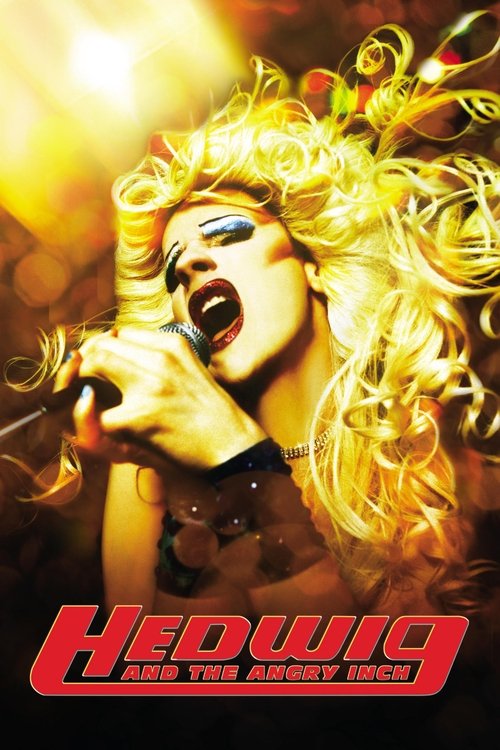
The narrative actively disrupts conventional gender hierarchies by rejecting the male/female dichotomy. It presents gender as a performative, evolving state rather than a fixed biological imperative.
The film centers on women's ability to drive the story, challenging the male-dominated true-crime genre by exploring interpersonal dynamics between two women. It highlights how women can use traditionally masculine-coded power structures to maintain racial hierarchies.
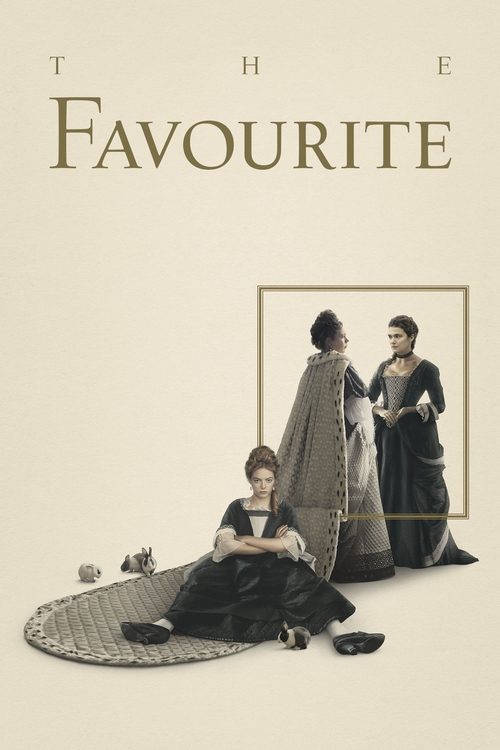
The film subverts the 'great man' theory by showcasing an entirely female-driven power struggle. Women exercise supreme intellectual and political influence through strategic manipulation and psychological warfare.
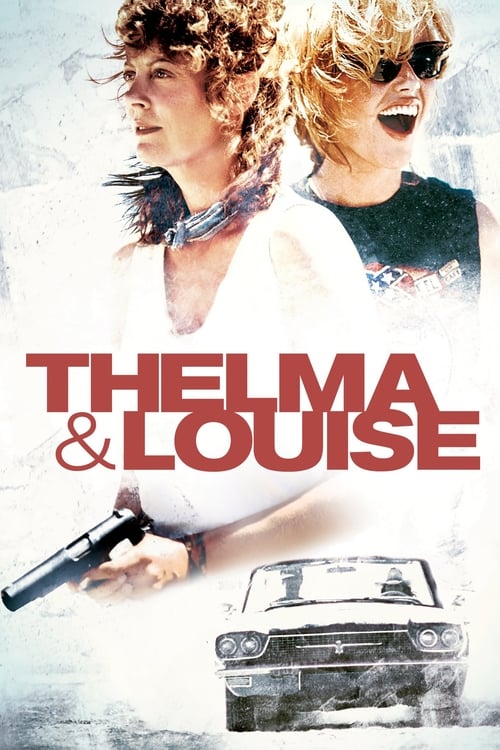
This film significantly disrupts traditional gender roles. The protagonists shift from passive victims to active drivers of their own destinies, reclaiming power from male-dominated structures.
By removing men from the central power structure, the film emphasizes female intellect and leadership. Characters take control of their destinies rather than conforming to submissive roles.
The movie challenges traditional gender roles by focusing on women who are aggressive and independent. These characters drive the story through their actions rather than being passive victims.
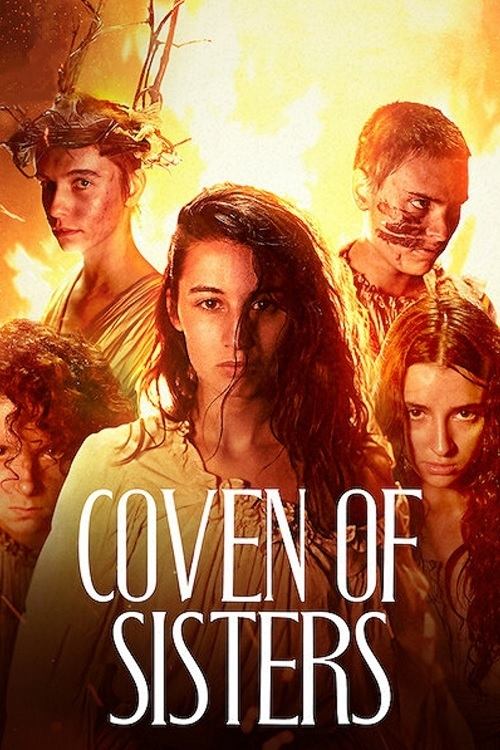
This narrative overturns traditional hierarchies by showcasing female leadership. Women are depicted as independent drivers of a ritualistic social order rather than passive participants.
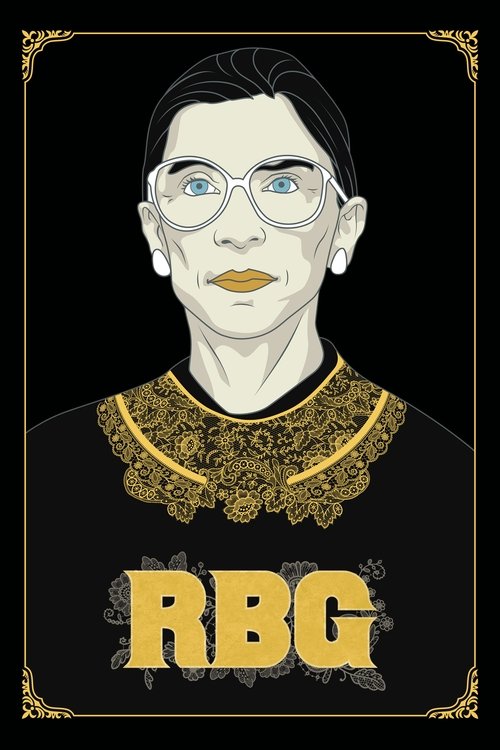
This documentary focuses on a woman's rise to prominence in a male-dominated environment. It challenges traditional power structures by highlighting Ginsburg's strategic legal battles against gender discrimination and her unconventional marital partnership.
Imperator Furiosa drives the plot and kills the tyrant. Max is a passive passenger and blood source.
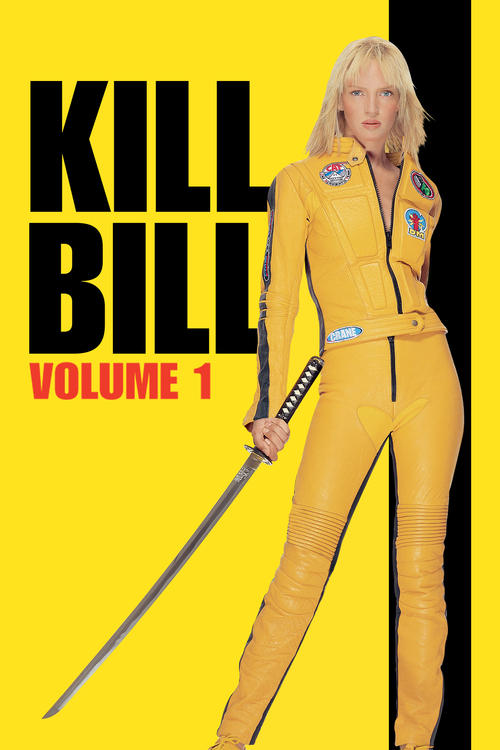
The Bride drives the plot as the sole competent survivor, while men like Bill and Budd serve as antagonists or comic relief. Vernita Green represents the "domestic" choice, yet her suburban life is framed as a trap that the Bride rejects.
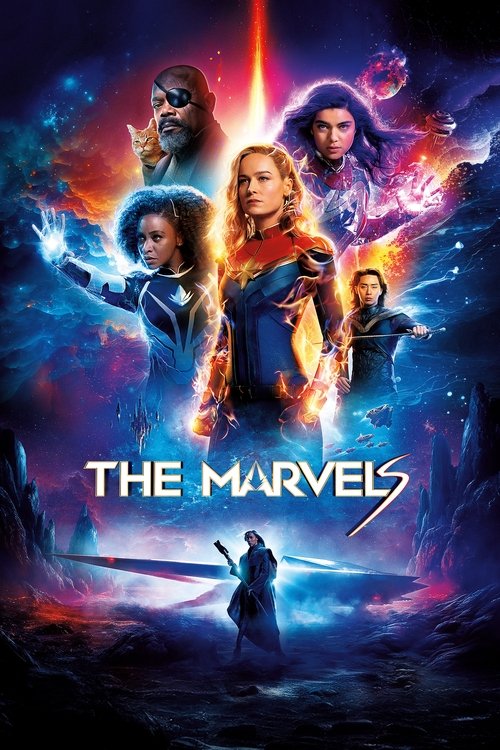
Carol Danvers serves as a central figure with immense ability to act, dismantling male-coded military structures. The narrative celebrates female autonomy over submissive femininity, challenging traditional gender hierarchies.
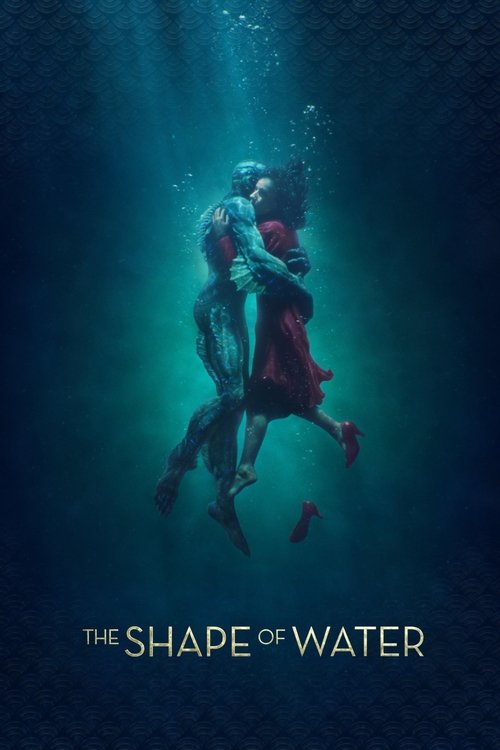
Elisa breaks down mid-century gender roles through her strong sense of ability to act and independence. The film also emphasizes female solidarity, showing women like Zelda as capable and important partners.
The narrative excels by centering a female ensemble in high-stakes combat roles. It disrupts the 'male-as-protector' cliché, presenting women as the primary drivers of the plot and intellectual forces.
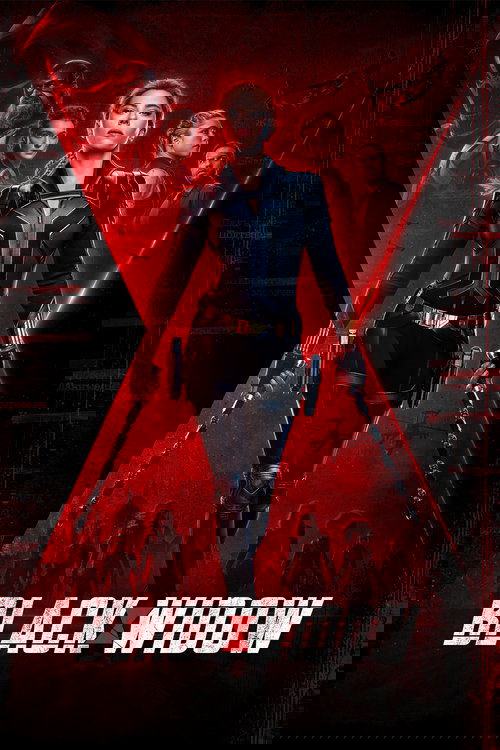
The film features a diverse group of women, including assassins and detectives. It challenges the idea of men protecting women and passes the Bechdel test by having meaningful conversations focused on survival.
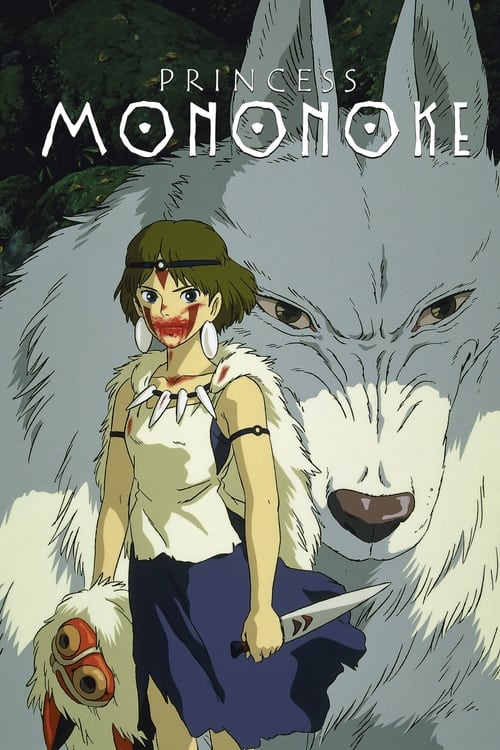
Women play key roles in driving the plot through their authority and independent thinking. Characters like Lady Eboshi and San reject traditional feminine roles and take charge of their own lives.
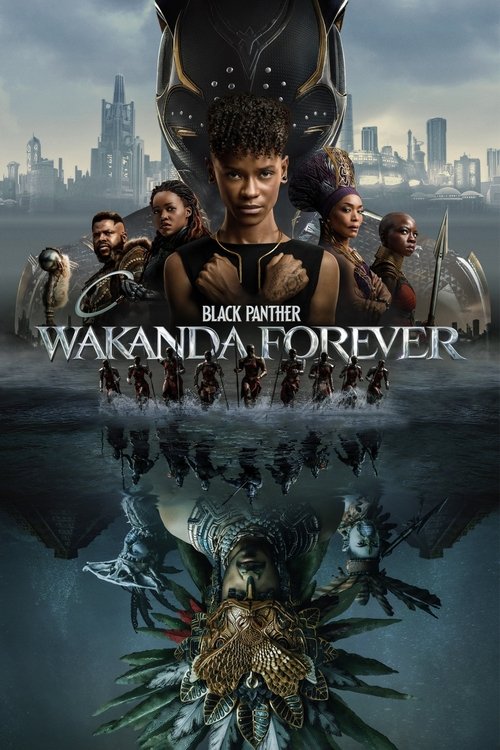
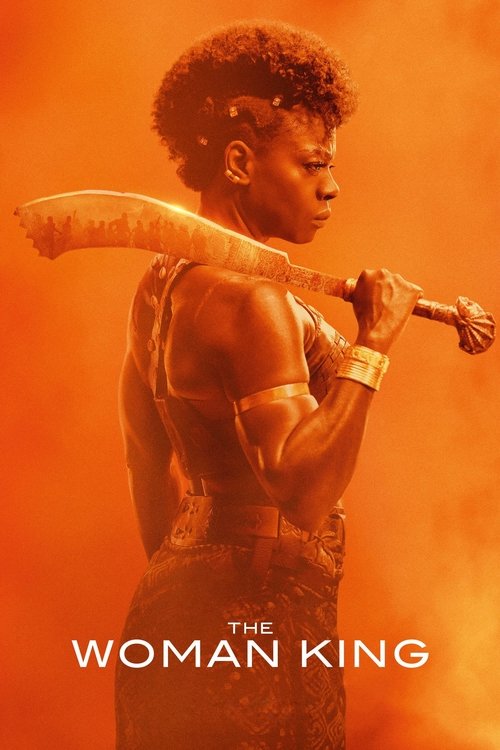
The film challenges traditional cinematic hierarchies by emphasizing female leadership and ability to act. Characters like Queen Ramonda and Shuri drive the plot through their intellect and political skills, subverting the typical male-centric hero journey.
It deconstructs traditional masculinity by highlighting the psychological toll of performing toughness. The protagonist's vulnerability challenges rigid, narrow views of masculinity.
The story challenges traditional gender roles by linking the protagonist's role to transitions between male and female states. It effectively breaks down the idea of a fixed gender identity.
The film replaces male-dominated roles with an all-female cast, showcasing superior intellect and physical strength. This dismantles the 'damsel in distress' stereotype.
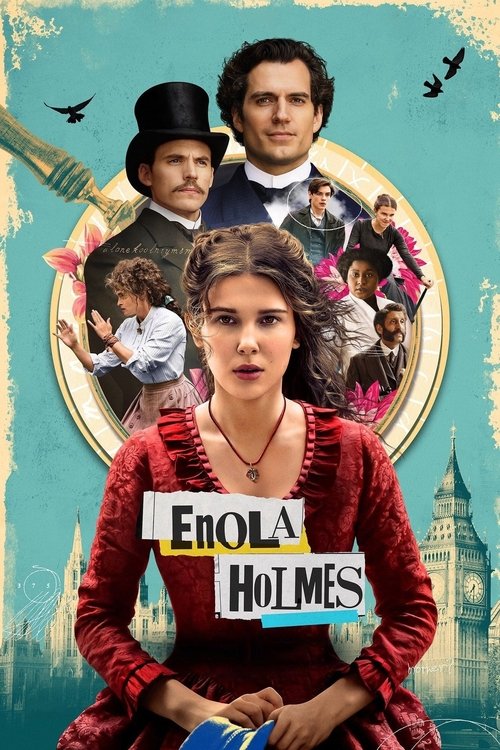
Enola Holmes challenges Victorian gender roles by showcasing her superior intellect and physical abilities. The narrative highlights her autonomy as a progressive alternative to the rigid, patriarchal leadership of Mycroft Holmes.
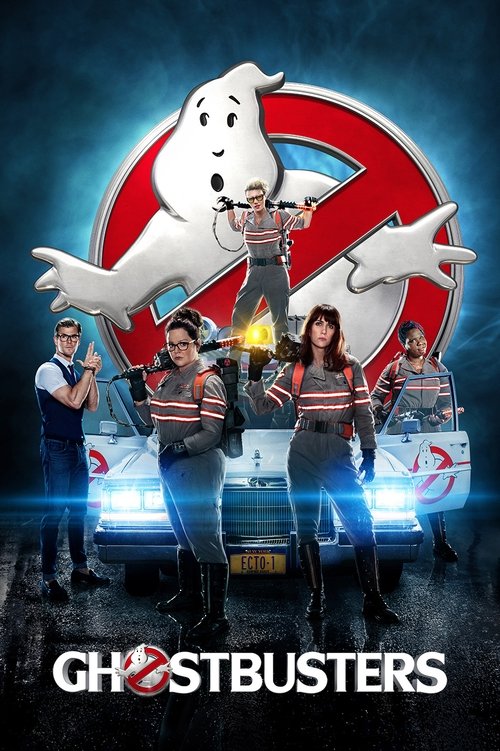
The cast consists solely of women who hold positions of leadership and technical skill. The narrative avoids the damsel in distress cliché, presenting women as the main drivers of the plot.
This narrative overturns traditional gender roles by transforming the passive female character into an active agent of terror and autonomy. It explores female rage as a powerful force, flipping patriarchal archetypes by making male characters targets of consumption.
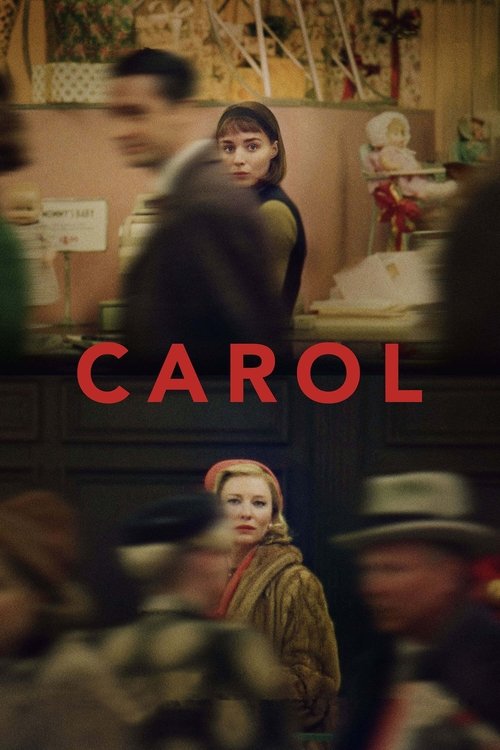
The film emphasizes female autonomy and desire, challenging traditional gender roles of the mid-1900s. The protagonists overcome legal and societal barriers to shape their own destinies.
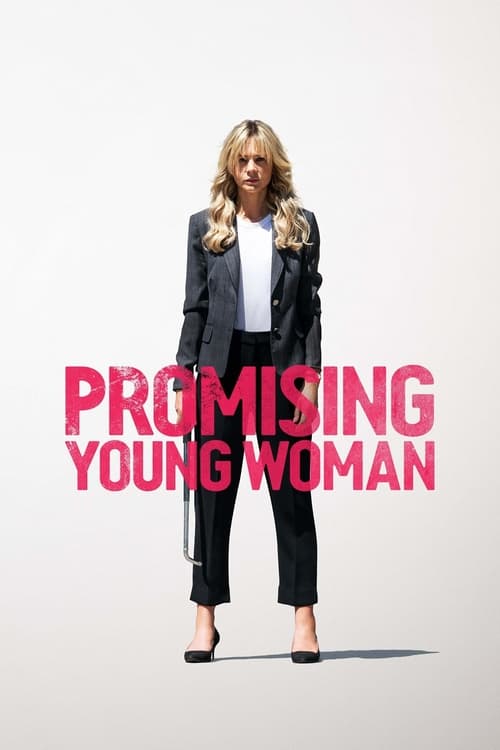
Cassie subverts traditional hierarchies by driving the plot with immense ability to act and intellect. The narrative dismantles the 'nice guy' archetype and challenges the passive female cliché.
An all-female trio drives the plot with their intellect and combat skills. The film dismantles the damsel-in-distress cliché by emphasizing sisterhood and mutual empowerment over romantic tension.
This film serves as a profound critique of patriarchal hierarchies. It centers women as primary agents of change, subverting clichés of submissiveness by giving high ability to act to female protagonists.
The film centers women in military and political roles, emphasizing their intellect and physical strength. It challenges traditional gender hierarchies.
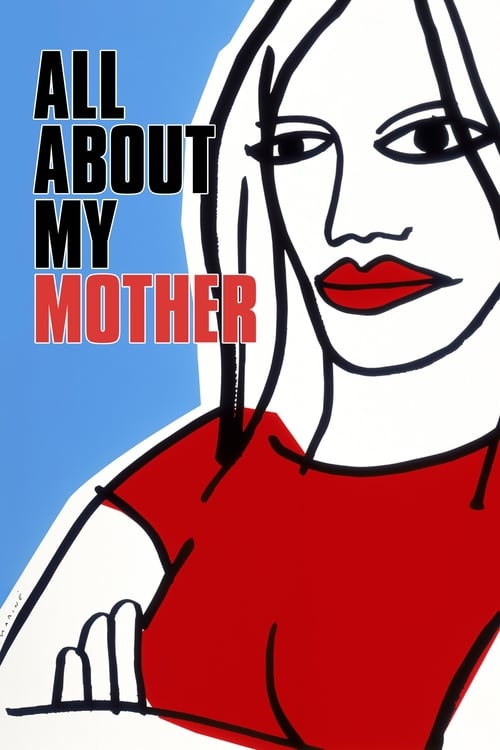
Pedro Almodóvar challenges traditional gender roles by showcasing a strong community of women who support each other. He redefines motherhood as a chosen, performative role rather than a strict biological or domestic responsibility.
The story challenges traditional gender roles by highlighting a strong self-reclamation journey. Meaningful conversations between female characters ensure the film passes the Bechdel test through interactions focused on personal identity.
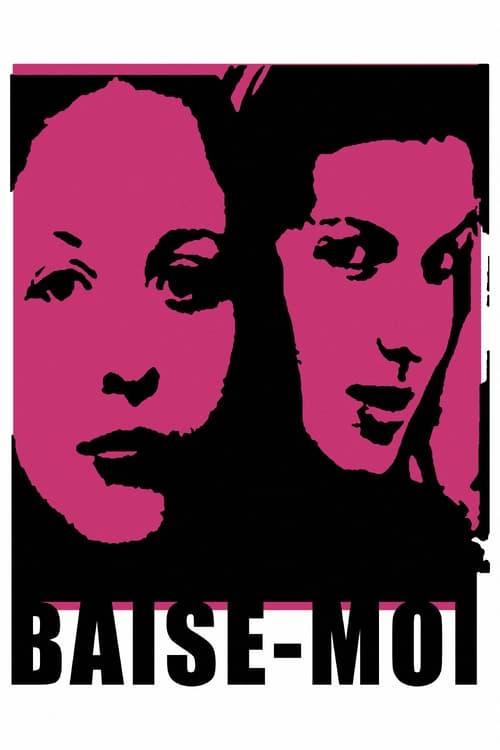
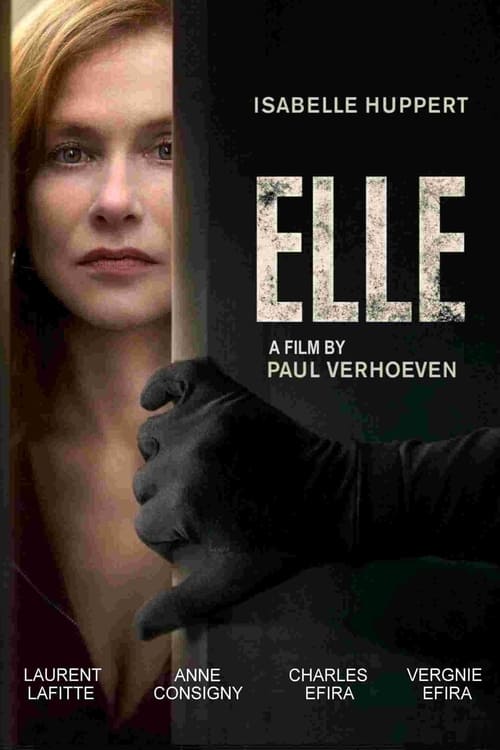
Michèle Leblanc challenges the passive damsel in distress stereotype through her professional dominance and sexual autonomy. She actively drives the story rather than being controlled by others.
The film highlights Billie Jean King's leadership and ability to act, challenging traditional gender roles by showing the male tennis establishment as a barrier.
Women play key roles in both professional and domestic settings, showcasing their competence and influence. The film highlights their strong interdependence and collective decision-making.
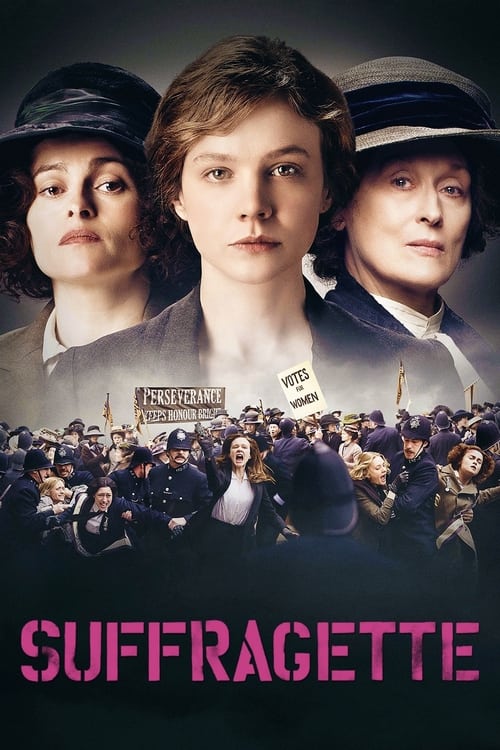
The story challenges traditional hierarchies by emphasizing female empowerment and political leadership. It portrays male-dominated institutions as oppressive forces, placing women at the forefront of social change.
Idgie Threadgoode breaks away from the typical early 20th-century portrayal of women by rejecting traditional femininity. The story emphasizes a world driven by women's intelligence and resilience.
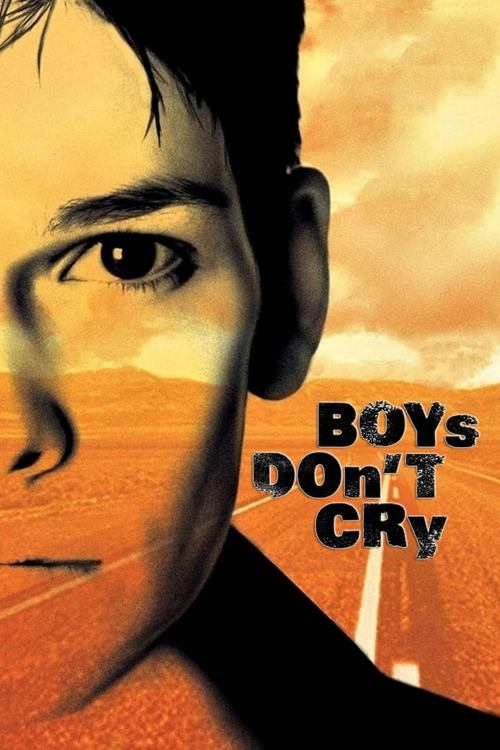
By focusing on a protagonist navigating a constructed masculine identity, the film deconstructs biological essentialism. It challenges traditional stereotypes of masculinity through the character's vulnerability and complexity.
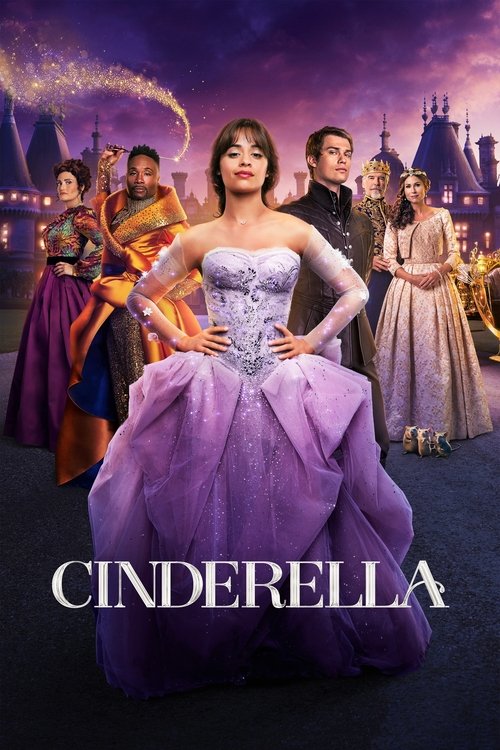
Ella is shown as a strong businesswoman rather than a helpless maiden. The Prince loses his traditional male authority, shifting the focus to female career success.
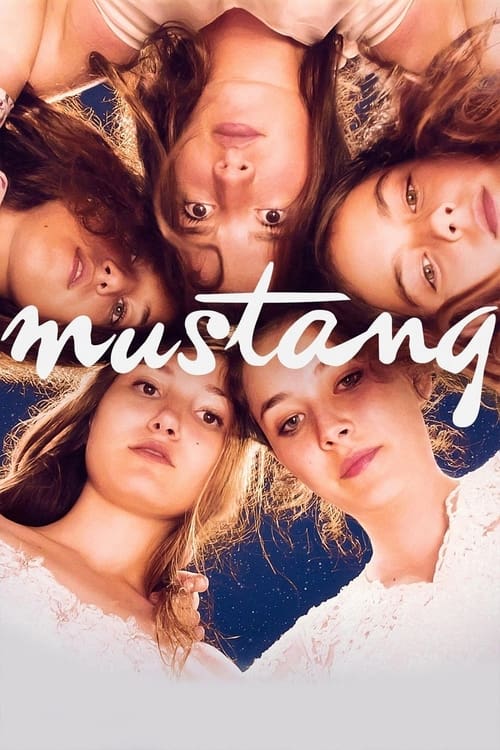
This film is a powerful critique of patriarchal structures. It emphasizes the sisters' active roles as protagonists who resist traditional domestic submissiveness and male authority.
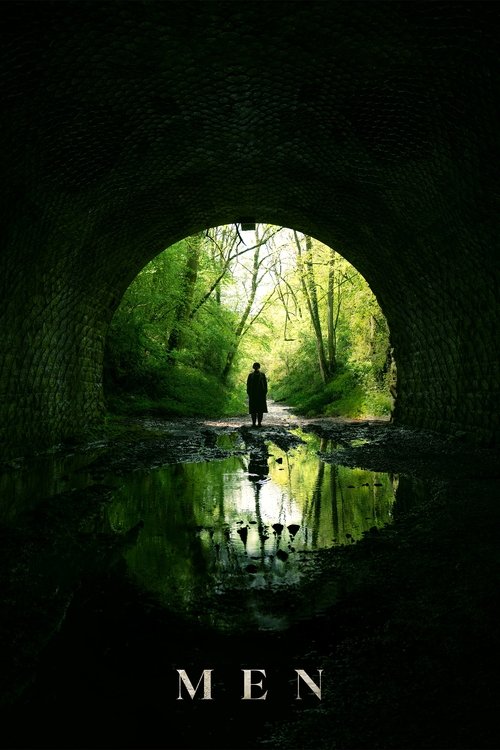
This film offers a strong critique of traditional gender roles. It portrays masculinity as repetitive, grotesque, and destabilizing, challenging the conventional male hierarchy.
This film stands out by replacing traditional male power structures with a matriarchal hierarchy. Female characters show superior tactical intelligence and physical strength, effectively displacing the common male savior cliché.
The narrative prioritizes women's ability to drive the story, depicting them as powerful figures within restrictive spaces. It successfully deconstructs patriarchal leadership by centering the female gaze and spiritual authority.
The film challenges the nurturing mother stereotype by showing motherhood as a source of frustration and regret. It emphasizes the internal psychological landscape and actions of female characters.
Corky challenges traditional gender roles as a skilled tradesperson, while Violet evolves from a passive character into a strategic collaborator, shifting the balance of power towards a more equal partnership.
The film focuses on the male protagonist Frank Drebin Jr. , but the director's style might use satire to challenge traditional masculine authority.
With no secondary characters, the film lacks gender dynamics. There are no female characters or discussions about gender roles or hierarchies.
The geopolitical setting often favors male-dominated structures. However, Kathryn Bigelow’s previous work suggests she might center female characters.
While the cast includes female actors, the synopsis offers no insight into their roles or ability to act. Without plot specifics, gender dynamics and power structures cannot be assessed.
The protagonist's gender is not explicitly stated in the narrative. There is no data regarding female characters or gendered power dynamics.
The documentary avoids human gender roles and instead emphasizes biological necessities. It shows mating rituals and parental care without addressing social or performative gender roles.
Because the subjects are non-human species, traditional human gender hierarchies and social dynamics are not applicable. The film does not engage with human gender roles.
The plot revolves around a conflict between a male magician and a male mayor. Female characters are not shown in positions of influence or intelligence.
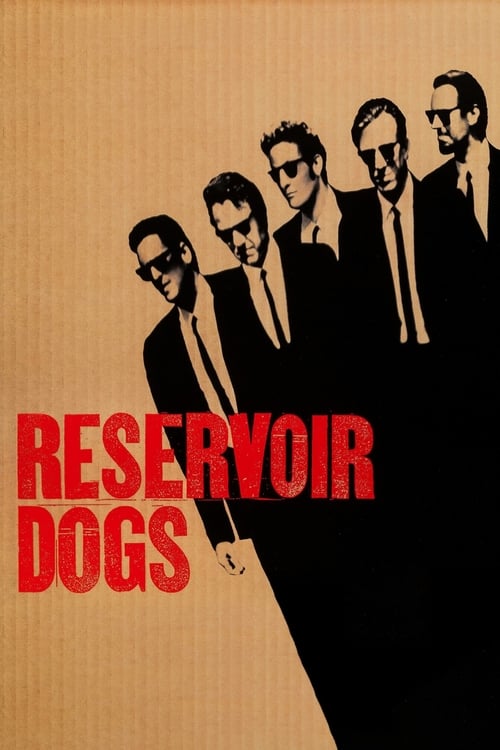
The cast is exclusively male, with women absent from the main stunt crew and narrative. The story centers entirely on men, offering no female or non-binary presence in key roles.
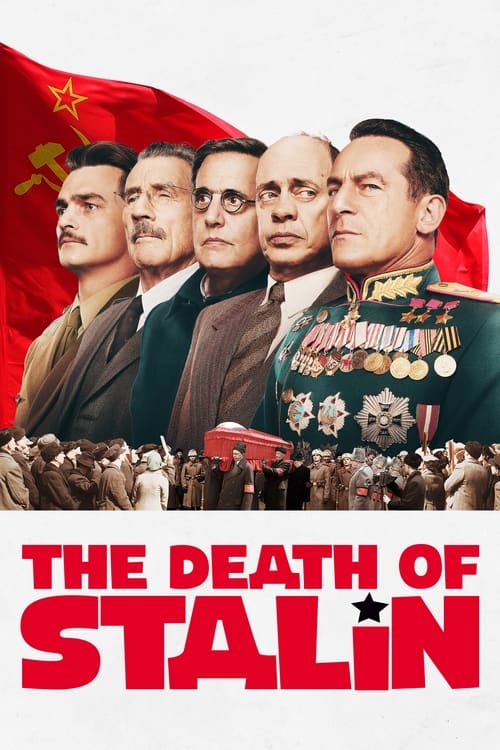
The work described is fabricated or erroneous. As no actual film exists, there are no characters to analyze for gender representation.
The story centers entirely on male soldiers in Ranger training. No women appear in leadership or combat scenes.
The cast is dominated by male characters, with females occupying minor roles. There is no opportunity for female characters to take a leading role or challenge traditional gender roles.
The film focuses almost entirely on male characters, reinforcing a hyper-masculine hierarchy. Female characters are nearly absent, and the film does not challenge traditional gender roles.
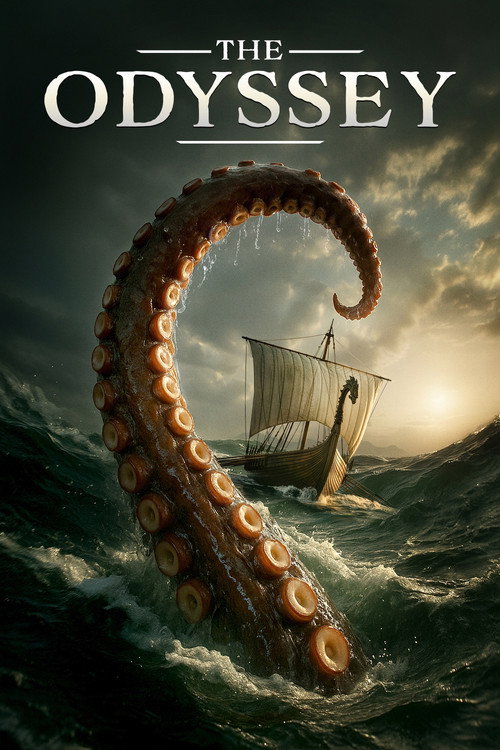
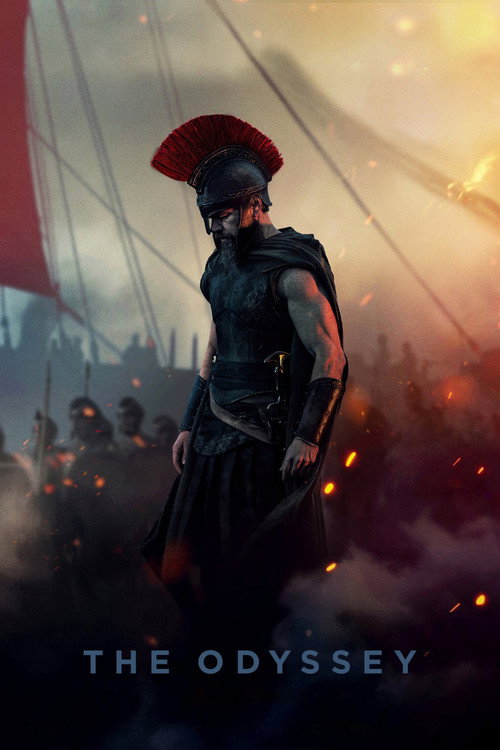
Men drive the plot as warriors and leaders. Women are sidelined; Penelope waits at home while Athena appears only to aid the hero.
The story centers around male characters and traditional masculine roles, with little room for female influence.
Gender dynamics are strictly traditional with a predominantly male cast. Female characters play supporting roles, reinforcing patriarchal norms and traditional masculine ideals.
The story is built around a male protagonist. Anna Lambe is listed but plays a minor role with no described narrative impact, reinforcing a male-dominated frame.
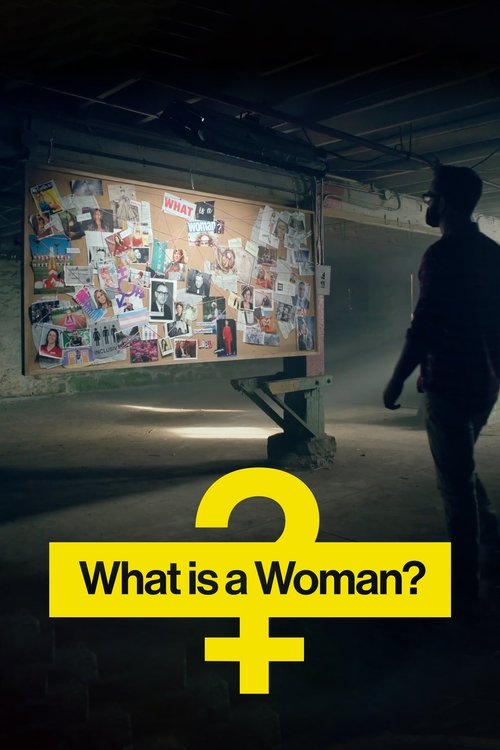
The documentary emphasizes the connection between sex and gender based on biological reality. It does not challenge traditional gender roles.
Female characters play minor roles and are subjected to the protagonist's violent actions. Masculinity is shown as a destructive force that operates outside social responsibility.
The story features an almost entirely male cast. By focusing on a male-dominated hierarchy, the film lacks opportunities for women to take a leading role and reinforces a patriarchal structure.
The film heavily relies on traditional gender roles and hierarchies. Female characters often have little control over their actions, serving primarily as objects of desire or catalysts for the protagonist’s journey.
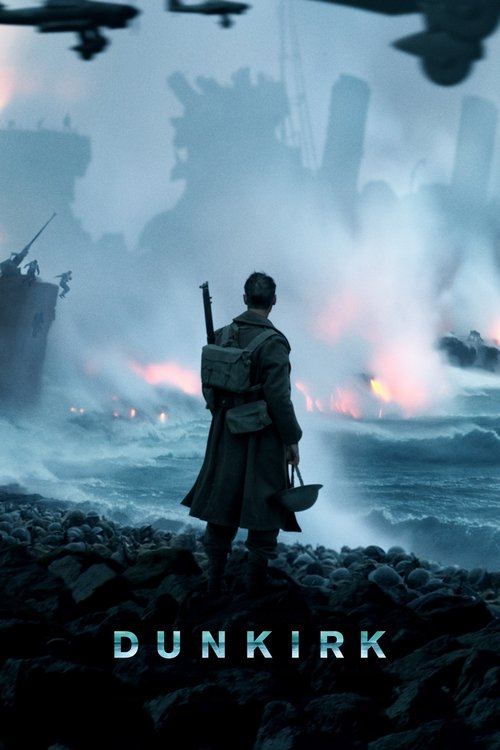
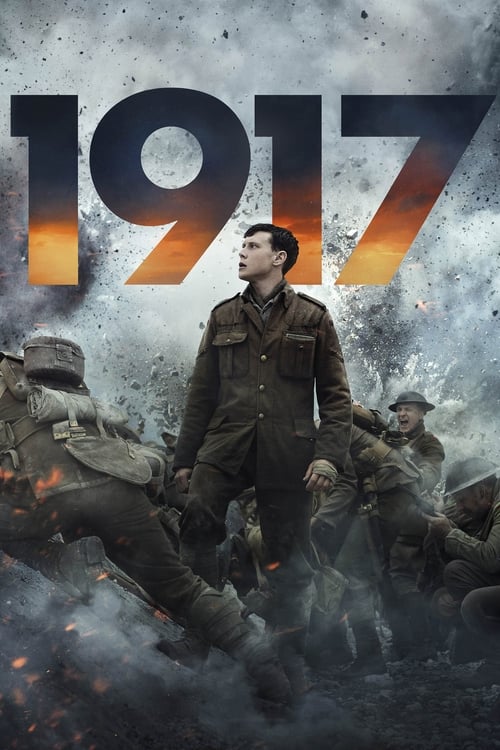
Women are entirely absent from the visual narrative; no female soldiers, nurses, or civilians appear on screen. The plot is driven exclusively by men, who serve as the sole moral and physical center of the story.
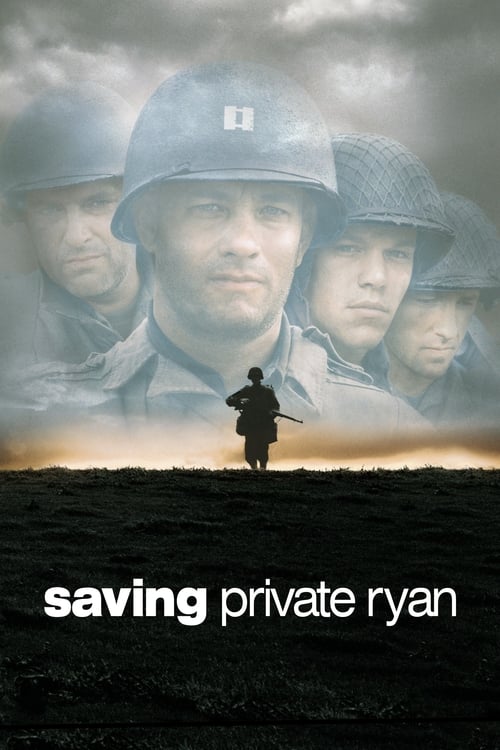
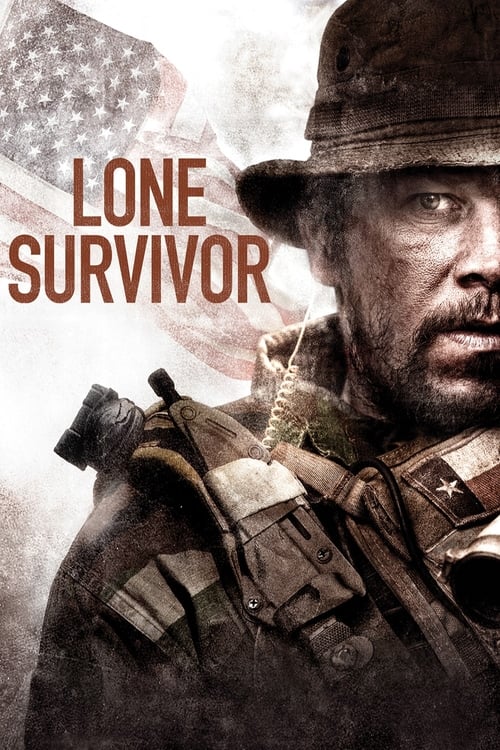
The narrative centers around the camaraderie of U. S.
Women play minor roles that do not affect the main storyline. The narrative emphasizes a violent, masculine hierarchy controlled by men.
The story is predominantly centered around male characters, emphasizing traditional masculinity and military duty. Female characters have little to no ability to act or presence.
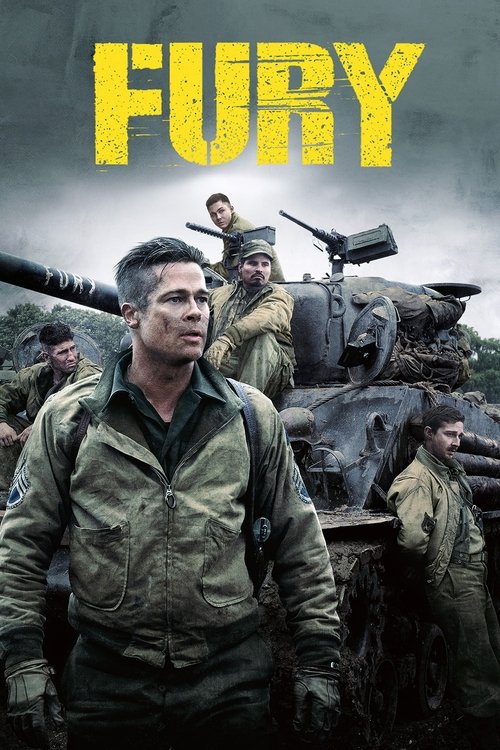
Men play the central roles, while women are shown primarily in supporting or vulnerable positions. The film reinforces traditional masculine combat roles.
The story follows a traditional patriarchal structure where women play minor roles or are completely absent from the main storyline.
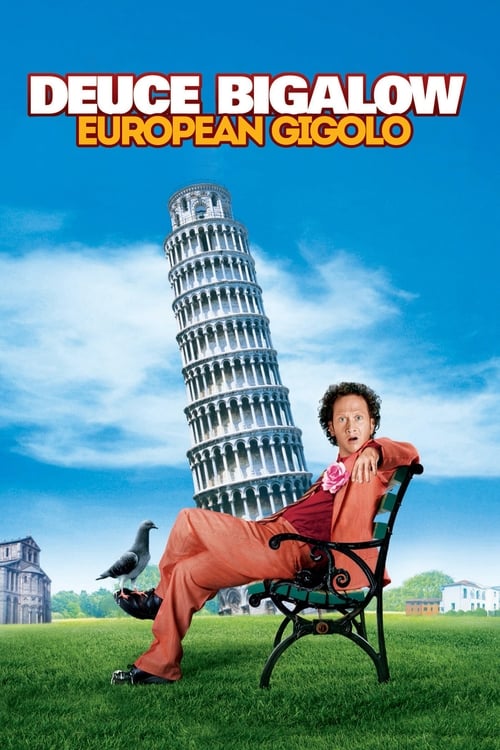
The story focuses mainly on male bonding and humor. Female characters are limited to minor, highly sexualized roles that serve as comic relief.
The film features a male-dominated hierarchy where female characters play minor roles without significant influence on the plot.
The story reinforces extreme patriarchal structures through a dynamic of coercion and captivity. It fails the Bechdel test, indicating a lack of meaningful interactions between female characters.
The story focuses primarily on male friendships, with female characters playing supporting roles rather than driving the plot.
The movie centers around a group of men and does not give women substantial roles or depth.
The story centers around a traditional, male-dominated structure. It emphasizes patriarchal leadership by highlighting masculine roles of command.
The story reinforces traditional gender roles by centering almost exclusively on male characters. Female characters, such as Bilari, primarily serve to trigger male action rather than having independent ability to act.
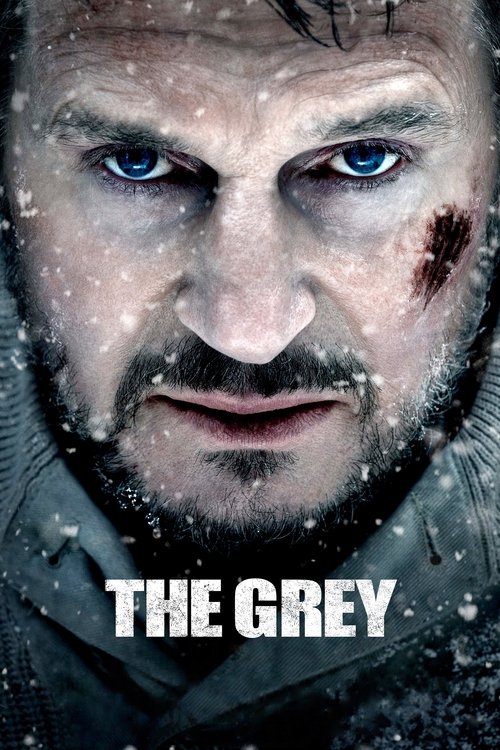
The film follows a traditional masculine hierarchy where women have little influence on the main storyline focused on survival.
The narrative centers around a hyper-masculine conflict. Female characters are placed in supporting roles and have little influence over the main storyline.
The story centers almost exclusively on male leadership and ability to act. Women are largely absent from the primary combat and decision-making arcs.
Peter Parker is the sole central hero driving the plot. MJ and Jean Grey appear, but the narrative engine remains firmly anchored in Peter’s transformation and choices.
The story prioritizes hyper-masculine archetypes and male camaraderie. While Ronda Rousey provides a depiction of female physical prowess, she remains a supporting figure in a male-dominated hierarchy.
Female characters have little control over their roles, serving mainly as passive objects for the protagonist's pursuit. The film fails the Bechdel test, focusing almost entirely on male obsession.
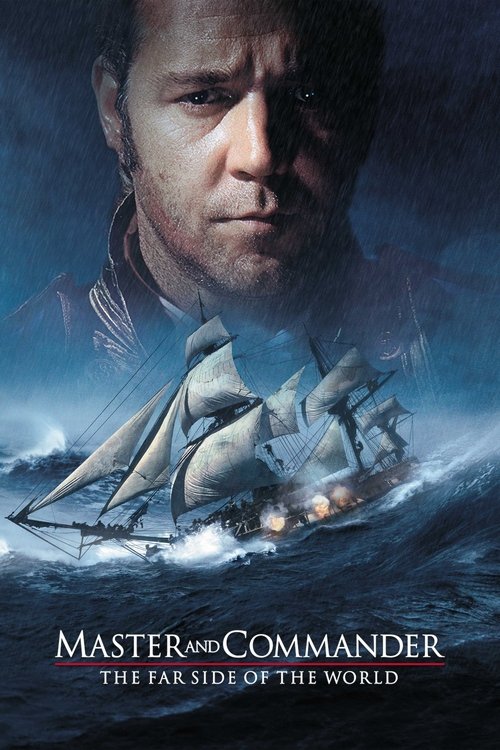
The story focuses almost entirely on male protagonists and masculine authority, with very few female characters.
The main characters are almost all male, emphasizing themes of physical strength and resilience. This male-dominated perspective reinforces conventional ideas of masculinity and leadership.
Women appear primarily as Penelope, Calypso, and other mythological figures tied to Odysseus’s journey. They function as destinations or obstacles rather than independent drivers of the narrative.
The story operates within a strict gender hierarchy where the cast is predominantly male. Women play minor roles, and the film fails the Bechdel test, indicating a lack of meaningful interaction between female characters.
The story revolves around a male-dominated SWAT team and criminal network. Women play minor roles and have limited influence over the plot.
The narrative centers around hyper-masculinity and traditional athletic roles, with no female characters or women's ability to drive the story present.
The story emphasizes male camaraderie and professional life, with women appearing in supporting roles without significant influence on the main plot.
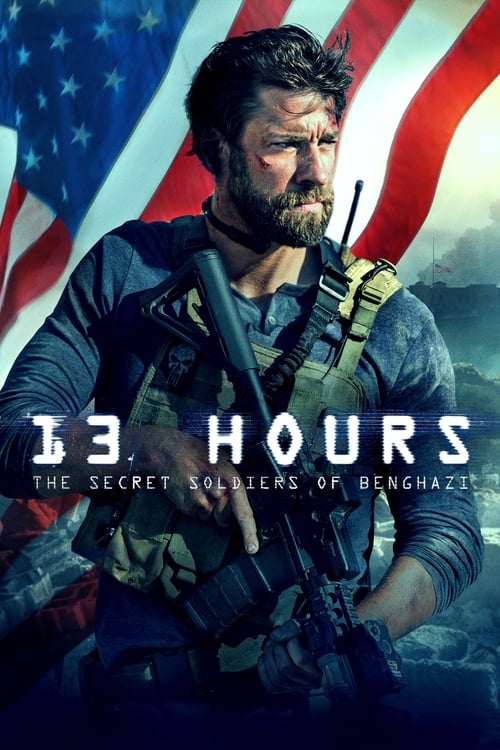
The story emphasizes a rigid masculine hierarchy within military and intelligence sectors, relegating female characters to peripheral, domestic roles that serve emotional stakes.
The narrative is dominated by male characters and follows the hierarchical structures of the Napoleonic era. Women play minor or memory-based roles, offering little opportunity for women's ability to drive the story or the subversion of gender roles.
The story is driven almost entirely by male characters, reflecting the historical context of the 1972 crash. Female characters have minimal roles and influence.