Jeanne Dielman, 23, quai du Commerce, 1080 Bruxelles
1976
NRNo user ratings available yet
Representation score: 9.5 out of 10
These lists use approved gender representation scores for New Hollywood films (1960s-1980s) that have written notes. Highest-scoring films are those whose notes describe more on-screen gender representation. Lowest-scoring films are those whose notes describe less. Neither list is a quality ranking.
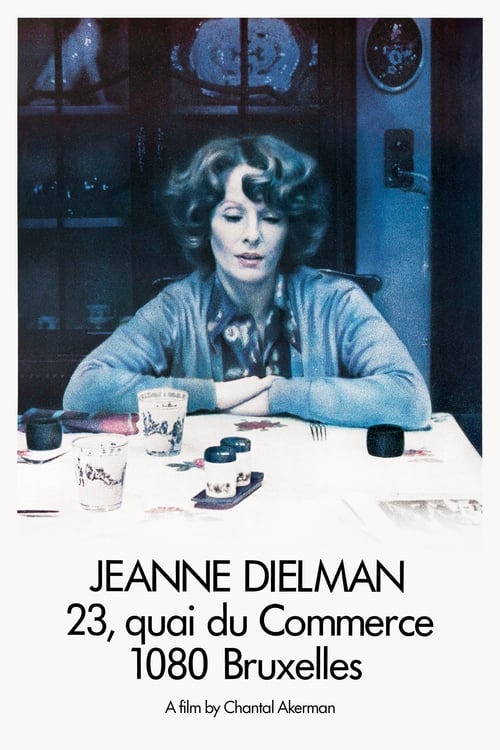
The film challenges traditional gender roles by highlighting the invisible labor of women. It critiques the restrictive nature of feminine roles and emphasizes the reclaiming of control over one's life.
The narrative challenges the idea that men have control over the story. Instead, it highlights women's ability to drive the story through complex, dialogue-driven dynamics between them.
The story centers around a female-led social circle, where men play a minor role as catalysts for chaos. Female characters navigate their own emotional and professional lives who play a significant role in driving the story.
Chytilová provides a powerful subversion of gender roles. The protagonists act as predatory, disruptive forces, rejecting the stereotype of the submissive female through gluttony and intellectual chaos.
By centering a woman who must assume masculinity to gain intellectual and religious influence, the film critiques patriarchal structures. It challenges the idea of female passivity by showcasing a protagonist with superior spiritual capacity.
Ellen Ripley upends traditional gender roles as the most tactically skilled and resilient crew member. She avoids the damsel in distress cliché and showcases strong leadership and survival instincts.
Nausicaä challenges gender norms as a political leader, strategist, and researcher. Princess Kushana also exemplifies strong female leadership, contrasting female strength against destructive militaristic masculinity.
Gender hierarchies are challenged throughout the film. Characters like Brad and Janet embody traditional roles, while others defy expectations of power and competence.
Sada Abe stands out as a powerful subversion of traditional gender roles. She actively drives the narrative, showing strong leadership and control rather than passivity.
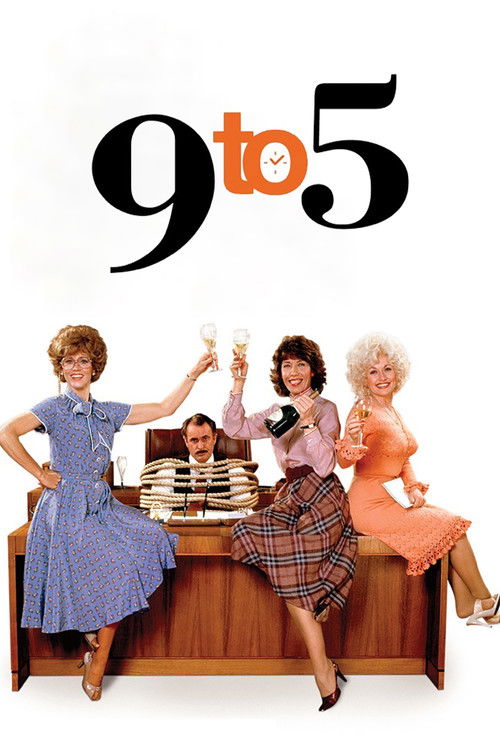
The story centers on three women who have the strategic ability to navigate a corporate environment. It challenges traditional hierarchies by portraying the male leader as incompetent and morally flawed.
The film features a female protagonist who gains economic and social power by adopting a male persona. It challenges traditional gender hierarchies by making men the subjects of her performance.
The narrative places women in every tier of governance and science, subverting traditional hierarchies. By making male protagonists vulnerable and socially absurd, it challenges the notion of masculine leadership.
The film focuses on a strong female protagonist who drives the plot with her superior tactical intellect and physical combat skills. She is not a passive figure but actively shapes the story.
Maria Cardenal breaks the passive female stereotype through strong ability to act and intelligence. The film often reverses traditional power dynamics, showing masculinity as vulnerable and influenced by female leadership.
1969
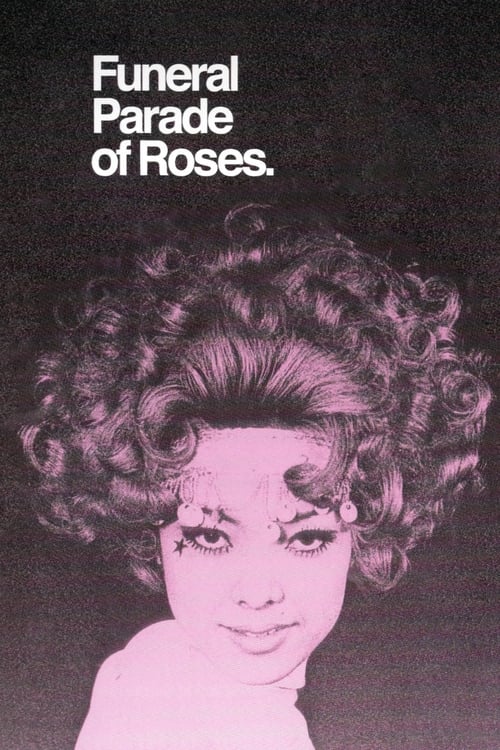
Not RatedThe film breaks down the gender binary by highlighting a drag queen and an astrologer. It portrays gender as a performance rather than a fixed biological trait, challenging traditional gender roles.
Ellen Ripley challenges traditional gender roles by taking charge and driving the plot forward. The film reframes maternal instincts as a source of combat strength rather than a symbol of weakness.
The film centers on two women and eliminates the male perspective, challenging traditional gender roles. It emphasizes the psychological and emotional depth of the female characters rather than their domestic roles.
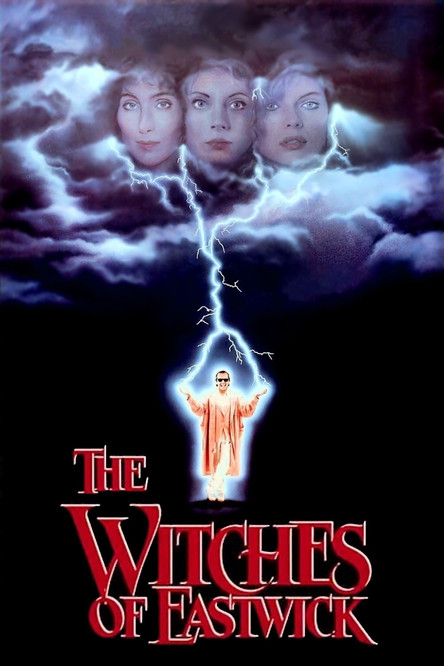
The film challenges traditional gender roles by highlighting three powerful women. Their magical abilities and unconventional desires are portrayed as empowering sources of strength.
The Marquise de Merteuil challenges traditional gender roles by using her intelligence to dominate a patriarchal society. She actively manipulates men, defying expectations of passive femininity.
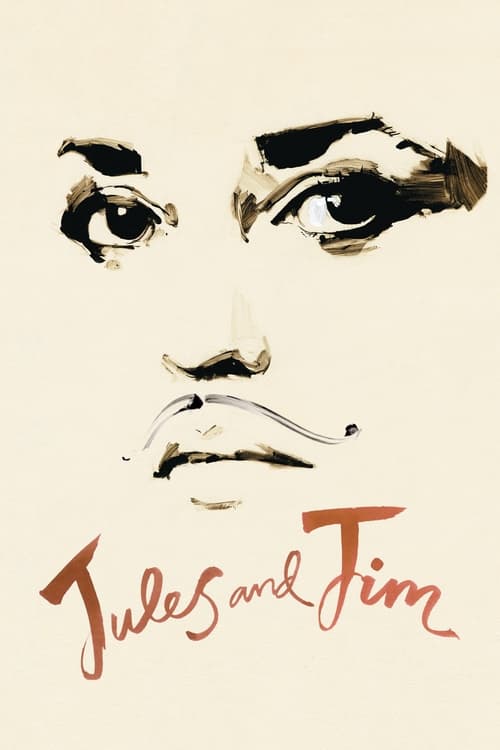
Catherine serves as a powerful subversion of gender hierarchies. She possesses immense ability to act and refuses to adhere to the roles of submissive wife or mistress, driving the plot through her independence.
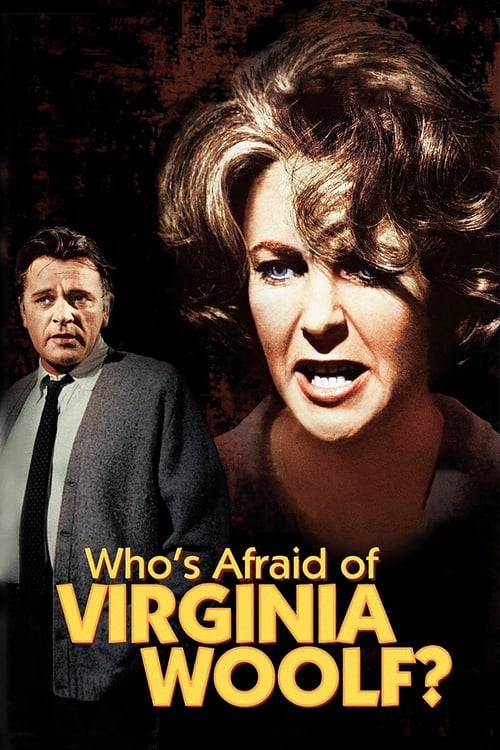
Martha plays a strong role in driving the story and challenges traditional gender roles by questioning patriarchal authority.
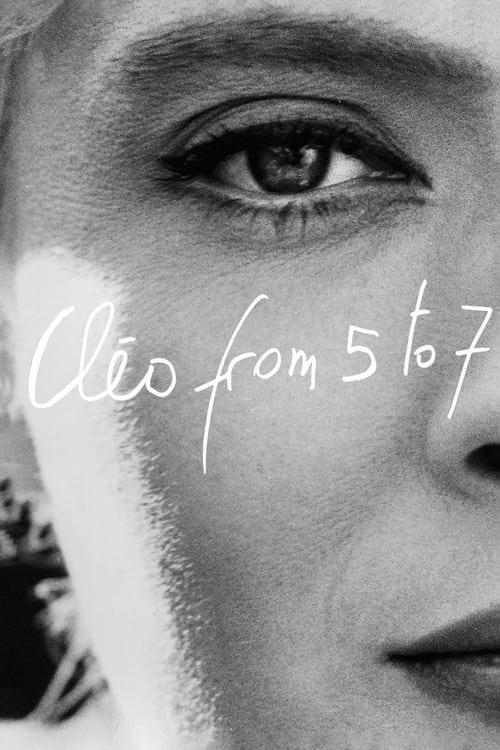
Varda challenges traditional gender roles by focusing on Cléo’s psychological development. She evolves from being a passive object to an active, independent thinker.
The story centers on a female protagonist who confronts patriarchal structures. It challenges victim-blaming attitudes and emphasizes the protagonist's active role in the narrative.
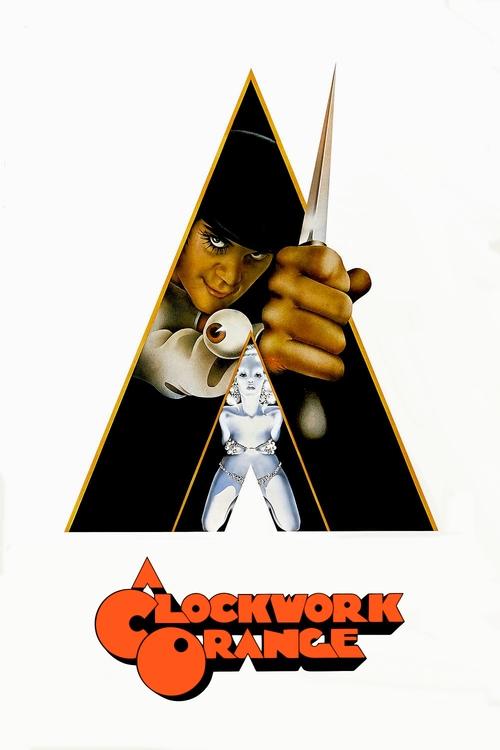
The narrative aggressively subverts traditional gender hierarchies by rejecting mid-century domesticity. Masculinity and femininity are treated as fluid, farcical, or grotesque constructs that strip away traditional power dynamics.
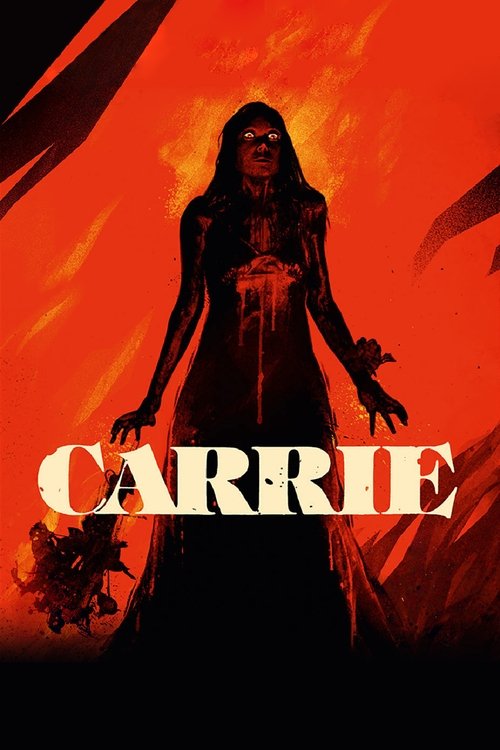
The film challenges traditional gender roles by centering a female protagonist who transitions from vulnerability to lethal dominance. This shift rejects the submissive victim cliché and emphasizes her control over the story.
Eleanor of Aquitaine is portrayed as a key figure who drives the plot with significant intellectual and strategic influence. The film challenges traditional hierarchies by showing masculine authority as unstable compared to Eleanor's political savvy.
The film stands out by challenging traditional gender roles and the 'damsel in distress' stereotype. Rosaleen regains control through her sexual awakening, showing female sexuality as a source of independence.
The story challenges gender roles by showing domestic life as empty and mechanical. It focuses on women fighting for independence and control against a male-dominated society.
Jeanne's journey challenges traditional gender roles by shifting from being a victim to having supernatural power. The film focuses on a woman reclaiming her sexuality and resisting patriarchal control.
Female protagonists drive the plot through extreme physical dominance and sexual autonomy. The film places men in subordinate or victimized roles, subverting 1960s gender hierarchies.
Mona challenges traditional gender roles by rejecting domesticity and submissiveness. Her independent spirit directly opposes patriarchal structures and the narrow views of the men she encounters.
Nola Darling serves as a powerful disruption of traditional gender roles. She navigates her sexual needs while resisting patriarchal expectations of domesticity and monogamy.
Altman focuses on the internal, symbiotic dynamics between women, deconstructing archetypes like the 'ingenue' to prioritize women's psychological independence over patriarchal expectations.
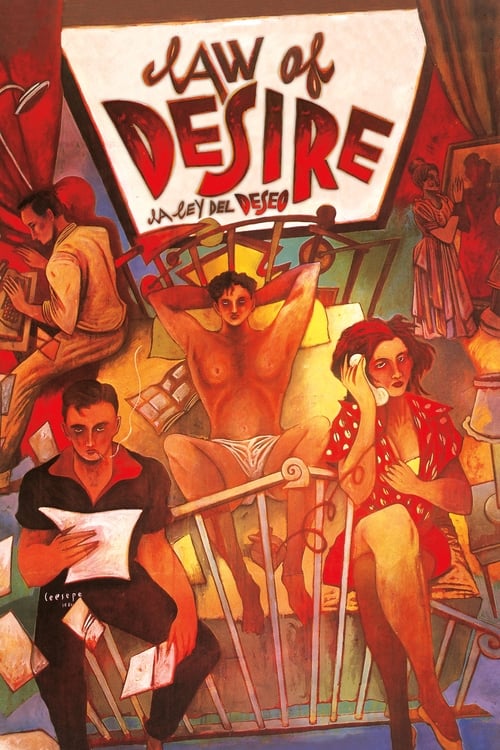
Pedro Almodóvar challenges traditional gender roles by depicting masculinity through emotional vulnerability and instability. He blurs the lines between masculine and feminine traits, moving away from rigid stereotypes.
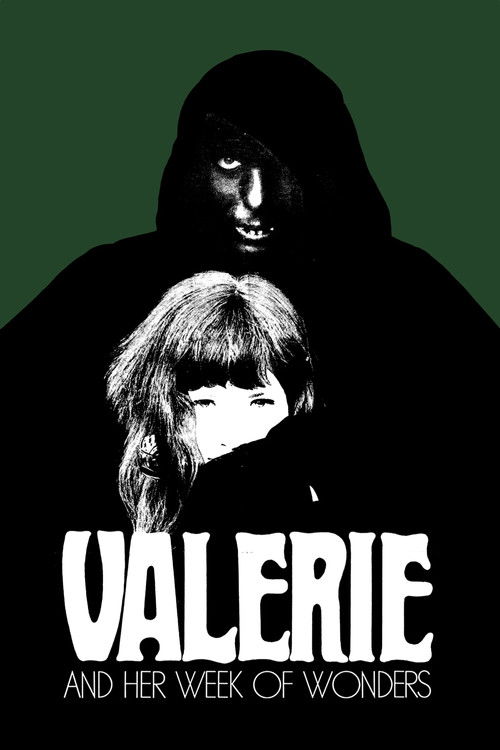
Valerie acts as the central driver of her own psychological journey. The film challenges patriarchal structures by portraying male figures as predatory or unstable while centering the female experience.
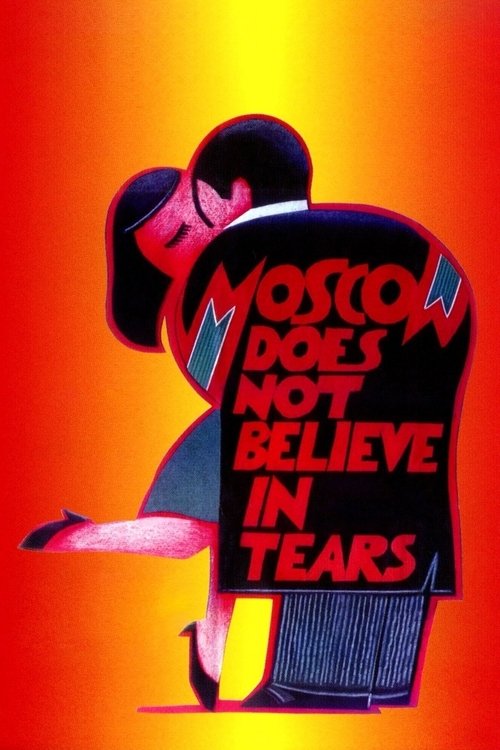
The story centers on women's professional success and ability to act. Katerina evolves from a vulnerable worker to a powerful factory director, subverting the damsel cliché.
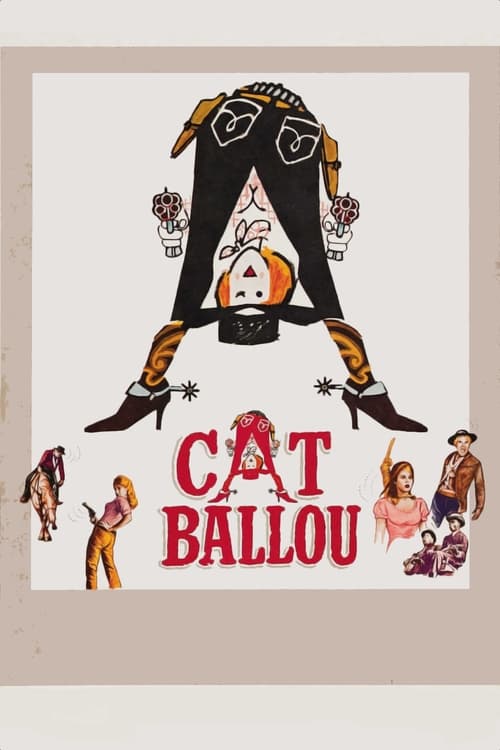
Cat Ballou challenges traditional gender roles by driving the plot through intelligence and strong character development. Her ability to adopt a male persona highlights that gender is a performance rather than a rigid hierarchy.
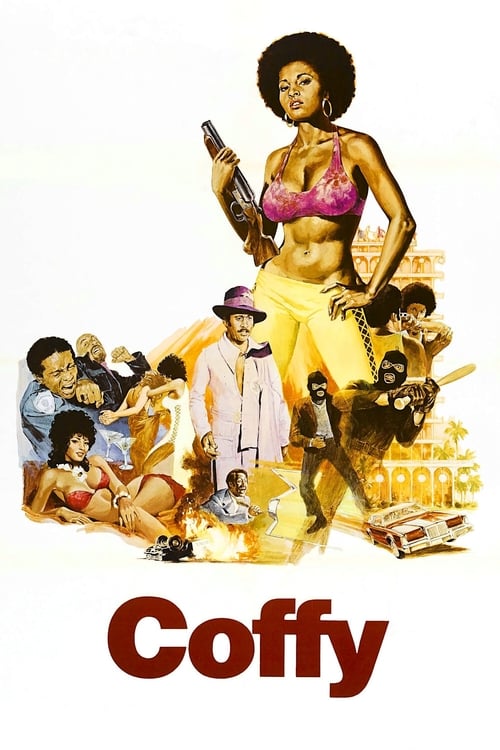
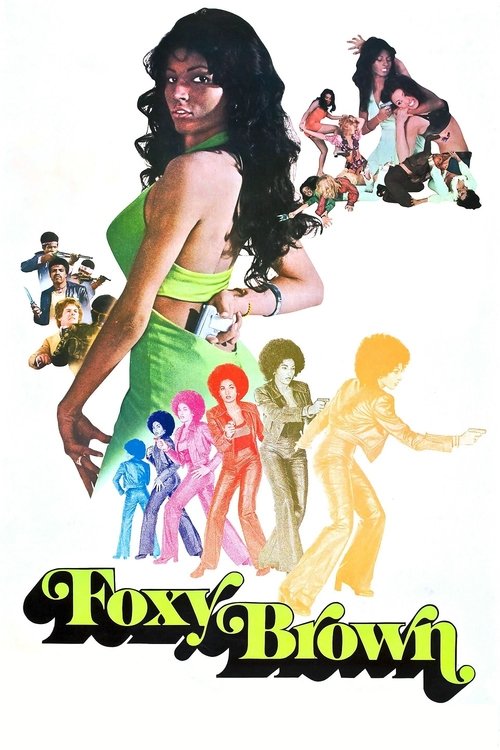
Pam Grier's Foxy Brown breaks traditional gender roles by serving as the main driver of the plot. She demonstrates superior physical and tactical skills compared to her male counterparts.
The narrative disrupts traditional gender hierarchies by centering female resilience. Candela actively navigates poverty, while masculinity is often portrayed through inept or secondary characters.
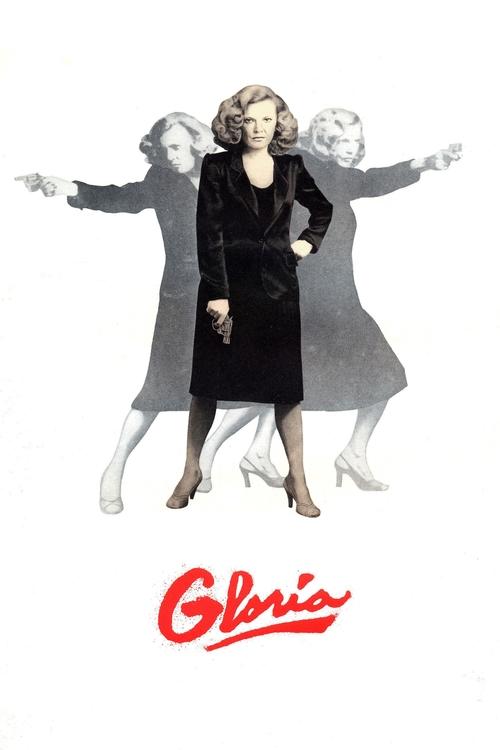
Gloria challenges traditional hierarchies by acting as a highly capable, autonomous individual. She replaces the typical male protector role, dismantling the damsel in distress cliché through her decisive leadership.
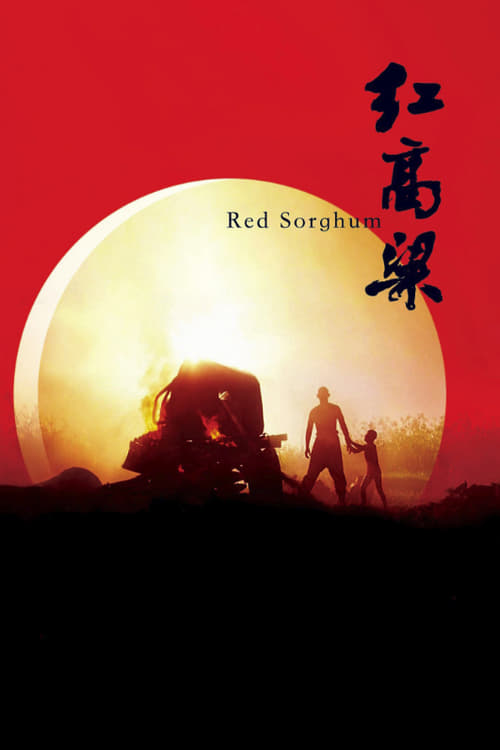
Jiu'er challenges traditional feminine roles by playing a key role in driving the story. She establishes a matriarchal community with significant economic and social influence.
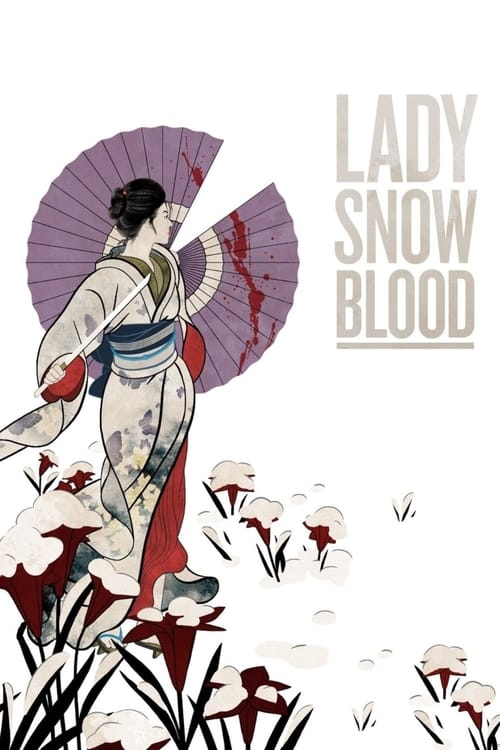
Yuki breaks gender stereotypes by taking on the traditionally masculine role of a skilled and stoic swordsman. She is defined by her independence and martial abilities, rather than domestic roles.
Female characters have significant emotional autonomy and play important roles in the story, avoiding the damsel in distress stereotype. The film highlights shared vulnerability in relationships rather than traditional power imbalances.
1975
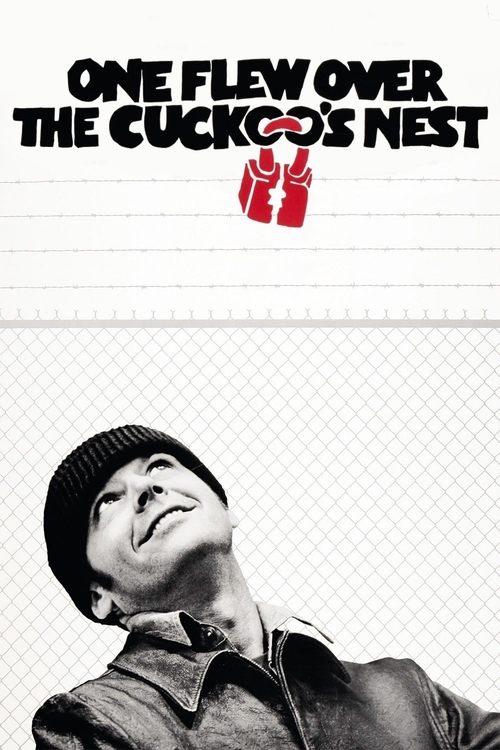
RNurse Ratched challenges traditional gender hierarchies by holding absolute institutional power. She upends patriarchal norms by becoming the dominant force in the institution.
The narrative centers on the destructive power of female rage and ability to act. It challenges traditional gender roles by portraying maternal figures as tools of psychological control.
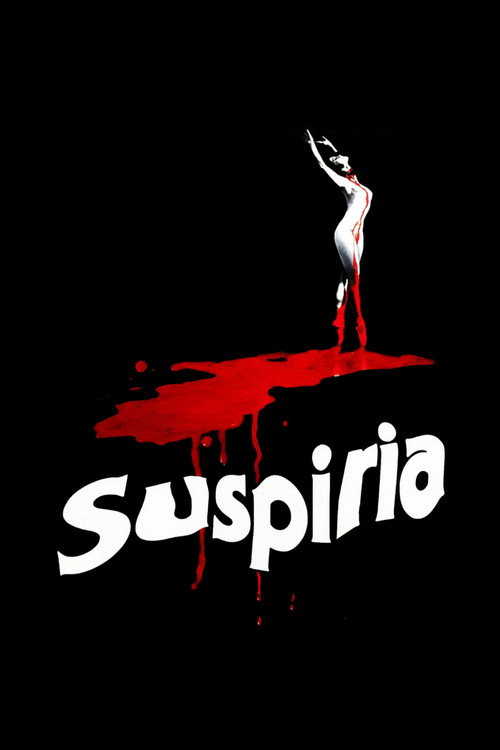
The narrative is centered around a female-dominated ballet academy, emphasizing women's ability to drive the story and sidelining traditional masculine leadership.
Sarah is a strong female lead who drives the plot with her intelligence and resilience. She challenges traditional gender roles by outsmarting the manipulative Goblin King.
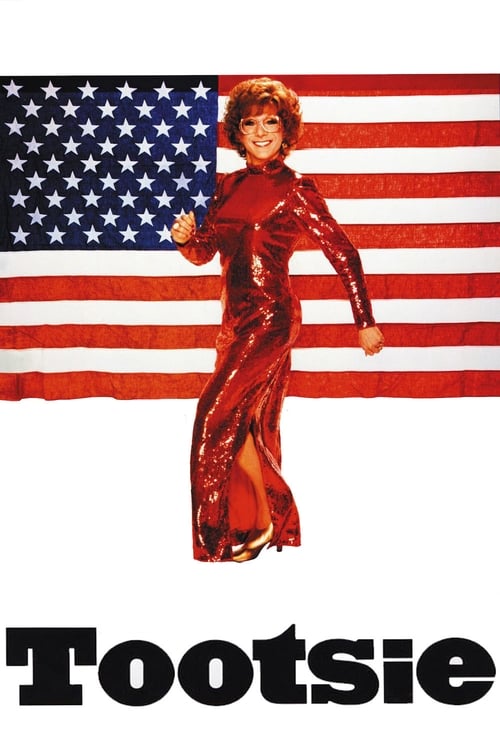
Dorothy Michaels challenges male-dominated television hierarchies by gaining respect and intellectual recognition. The film highlights systemic inequalities and portrays femininity as a powerful tool for social change and empowerment.
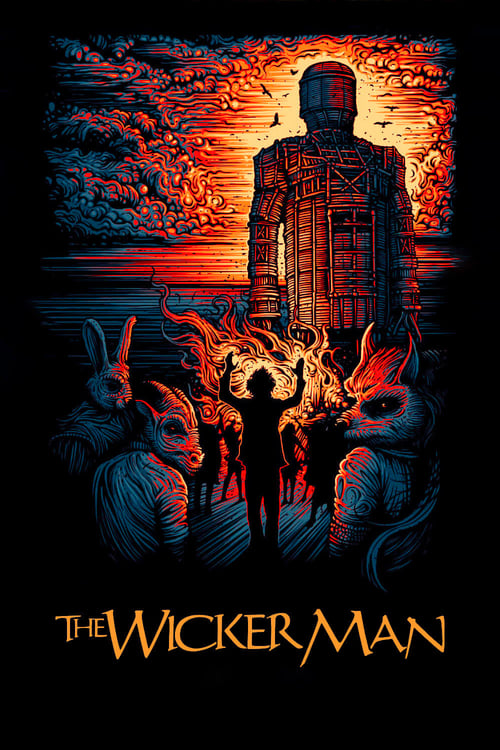
The narrative challenges traditional patriarchal structures by dismantling the protagonist's masculine authority. Instead, the community operates under a matriarchal, goddess-centric framework where female characters drive social cohesion.
Kira breaks traditional gender roles by being a strong, independent fighter alongside Jen. She isn't a passive figure but an active partner, challenging the typical damsel-in-distress cliché.
Since the characters are inanimate objects, the film does not address human gender roles or hierarchies. It does not explore or challenge traditional masculine or feminine social roles.
The narrative focuses on physical and instinctual conflicts, lacking any gendered characters or archetypes.
The story centers around two male characters, with no female characters contributing to the dialogue or character interactions.
Women are nearly absent from the story, and the narrative emphasizes traditional masculine roles and male-driven plots.
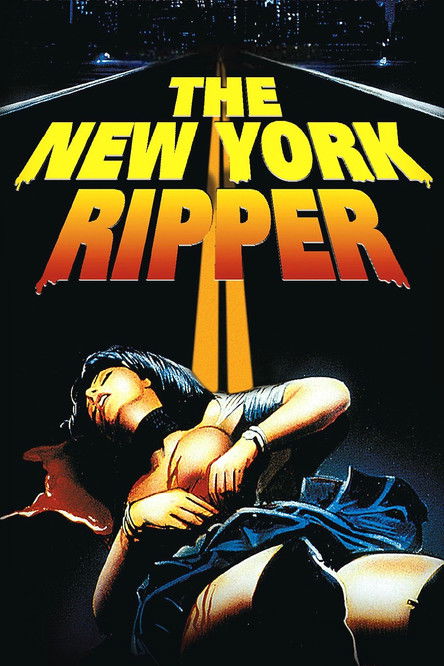
Women are mainly portrayed as passive victims of violence and the subject of a predatory gaze. Female characters have very little control over their own lives.
The story focuses on a male-dominated world where women are mostly portrayed as passive victims of violence. They lack opportunities to take control or challenge the patriarchal system.
The story follows a strict patriarchal structure where women are often seen as objects or symbols of status rather than active participants.
The story is centered around a strictly patriarchal structure where men hold positions of power. Female characters are mostly sidelined or portrayed as victims.
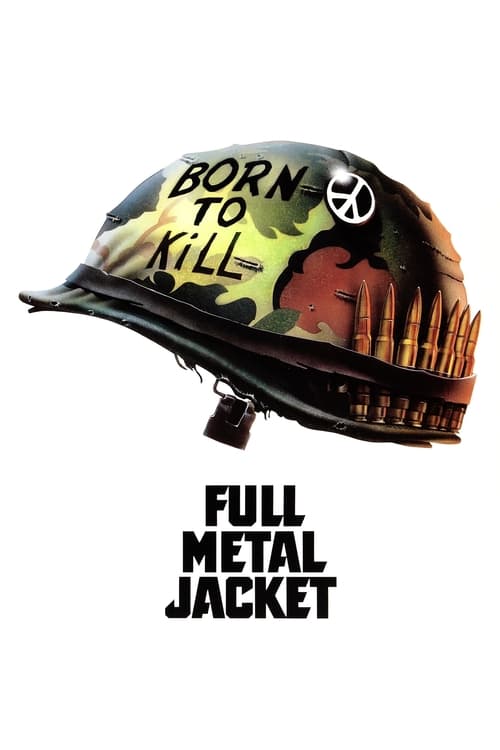
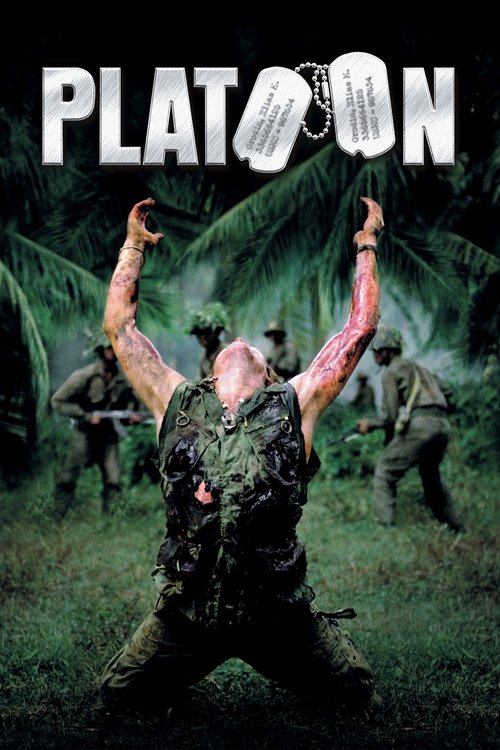
Female characters are mostly side characters, often portrayed as victims of war or catalysts for male growth. The film centers on a hyper-masculine world where women have little control over their own lives.
The narrative focuses on hyper-masculine characters and military structures dominated by men. Female characters are excluded from the main squad, avoiding subversion of traditional gender power dynamics.
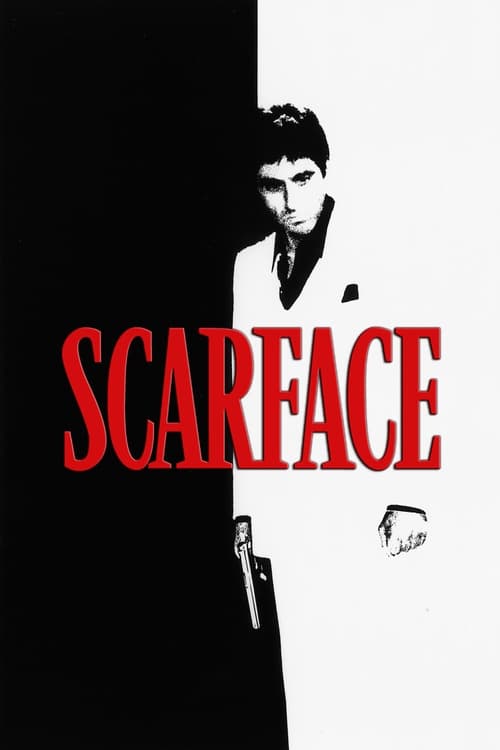
The story centers on male psychological breakdown and brotherhood. Women appear as symbolic or highly stylized figures rather than active participants, lacking control over their own stories.
The cast is nearly all male, reinforcing a traditional masculine atmosphere. However, the story challenges typical leadership clichés by making formal authority ineffective.
The story focuses on masculine characters and physical combat, with women having minor roles that don't drive the plot.
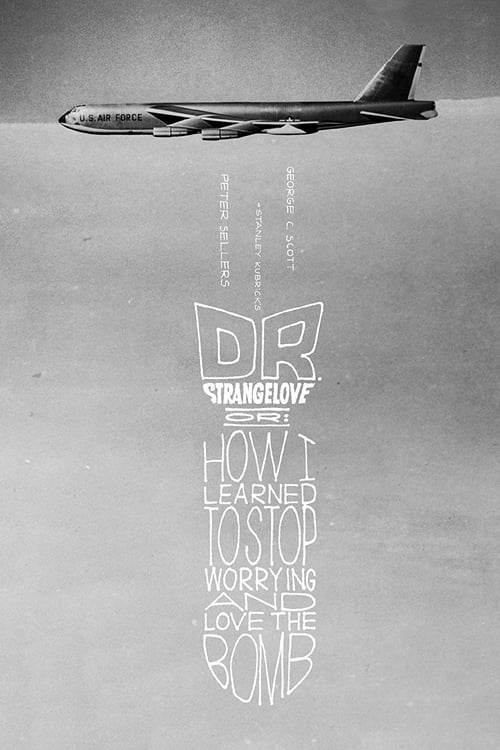
Leadership roles are shown as dominated by men within a patriarchal structure. Female characters, such as Miss Scott, are confined to supportive administrative positions without much influence over events.
The narrative adheres to a traditional, male-centric hierarchy. Female characters appear only as brief, non-essential figures, preventing any meaningful engagement with gendered ability to act.
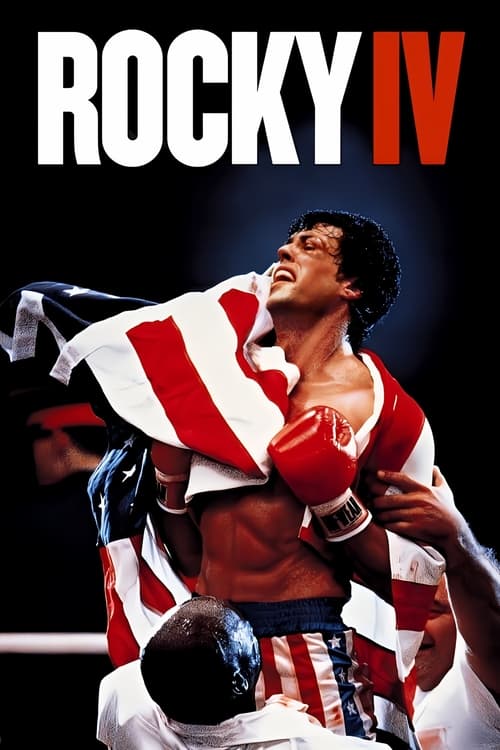
Female characters such as Adrian Balboa play supporting, domestic roles without much influence on the main storyline. The plot centers on male physical competition and masculine dominance.
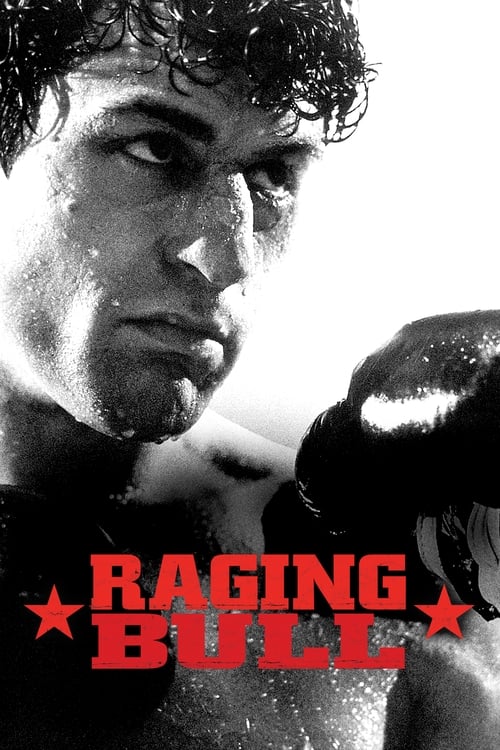
The story emphasizes a strict masculine hierarchy and hyper-masculinity. Female characters such as Vickie have limited autonomy and mainly serve as catalysts for the protagonist's jealousy.
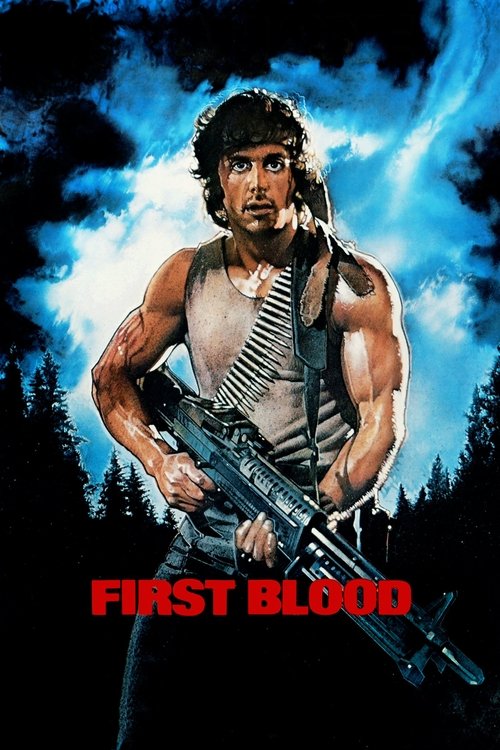
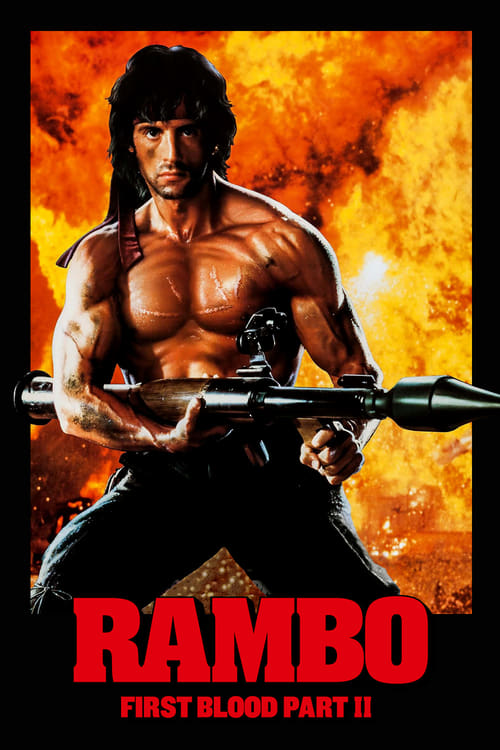
The story emphasizes the survivalist role of a single male protagonist, while female characters are mostly sidelined and do not play active roles in the main storyline.
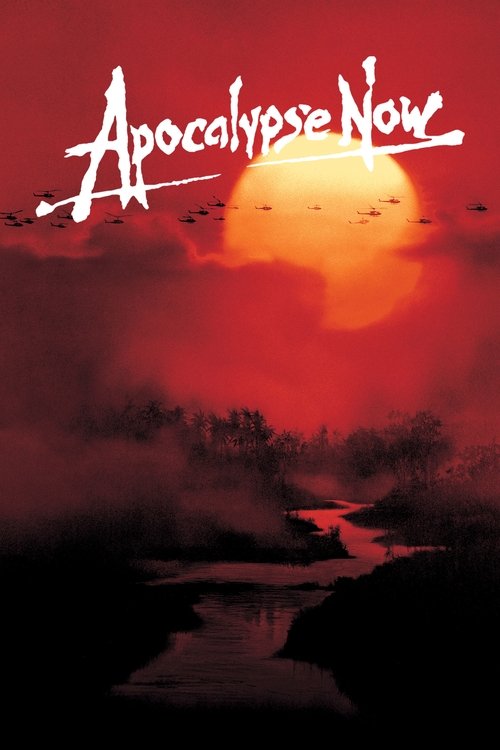
The story focuses on warfare and is centered around a male perspective. Women play minor roles, leaving the film without much female influence.
Gender representation is limited, emphasizing traditional masculinity through the protagonist. The film fails the Bechdel test due to a lack of meaningful interactions between female characters.
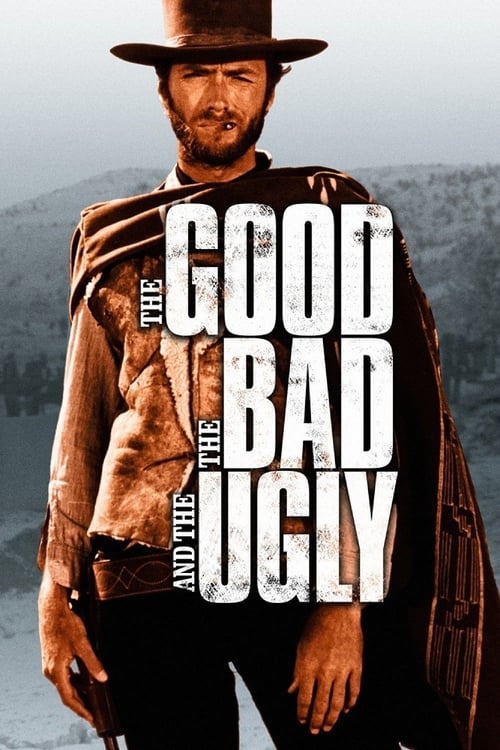
The film lacks female characters and focuses solely on male characters who embody traditional masculine traits such as stoicism and physical strength.
The story emphasizes traditional gender roles through hyper-masculine archetypes. Female characters are mostly plot catalysts or secondary figures, defined by their relationship to the male lead.
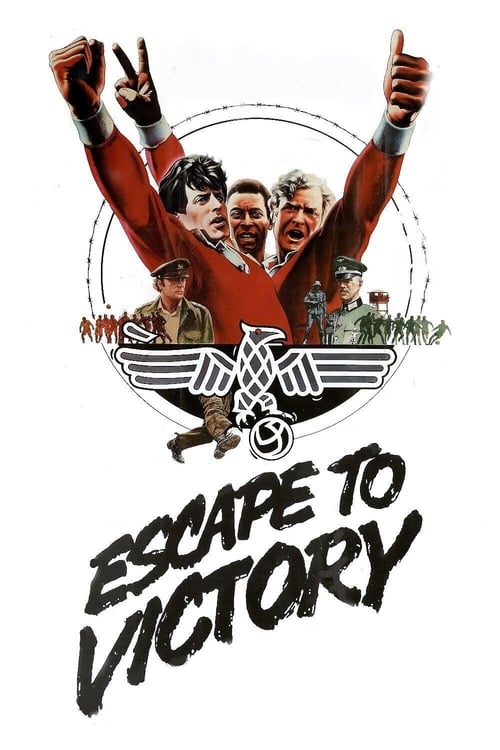
The all-male prisoner-of-war setting results in a total lack of women's ability to drive the story. Leadership and physical struggle are presented as exclusive domains of men.
The setting emphasizes a rigid patriarchal hierarchy with few female characters who have little influence on the plot.
Set in a penal colony, the film excludes female characters, reinforcing traditional gender roles through omission.
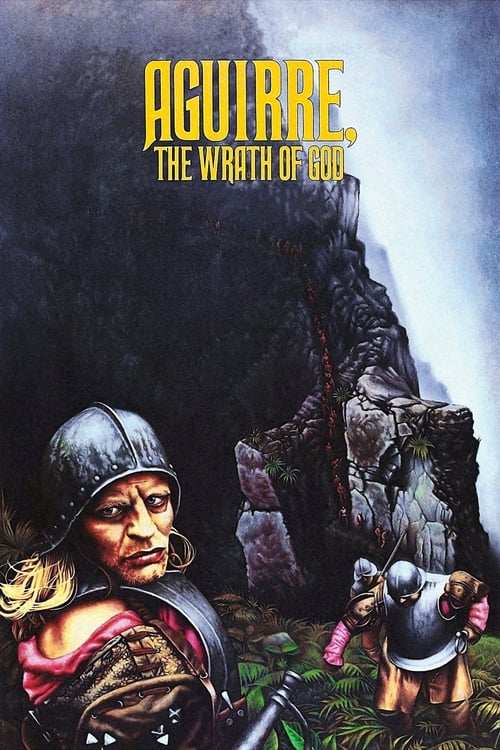
Gender diversity is almost nonexistent, as the story revolves around a white male lead. Female characters are entirely absent, reinforcing a vacuum of gendered interaction.
Male characters drive the plot with their combat prowess. Female characters are relegated to secondary, domestic, or reactive roles within the village.
The story follows strict gender hierarchies, with a hyper-masculine protagonist at the center. Female characters play secondary roles, often serving as catalysts for the hero's actions.
The story heavily emphasizes masculine traits and physical strength. Female characters play minor roles and do not have significant influence over the plot.
Women in the film are portrayed mainly as victims of violence and lack autonomy. The narrative framework excludes women's ability to drive the story, emphasizing a male-centric perspective.
Female characters play minor roles, often serving as romantic interests rather than central figures. The story emphasizes male camaraderie and dominance, reinforcing traditional gender hierarchies.
Women are largely absent or play minor roles. The story centers on male interactions and does not challenge traditional gender roles.
Men play a central role in driving the plot within a heavily gendered wartime setting. Women appear only in secondary, peripheral, or domestic roles without challenging traditional hierarchies.
The cast is predominantly male, emphasizing masculine combat and discipline. Women have limited roles and rarely challenge gender hierarchies.
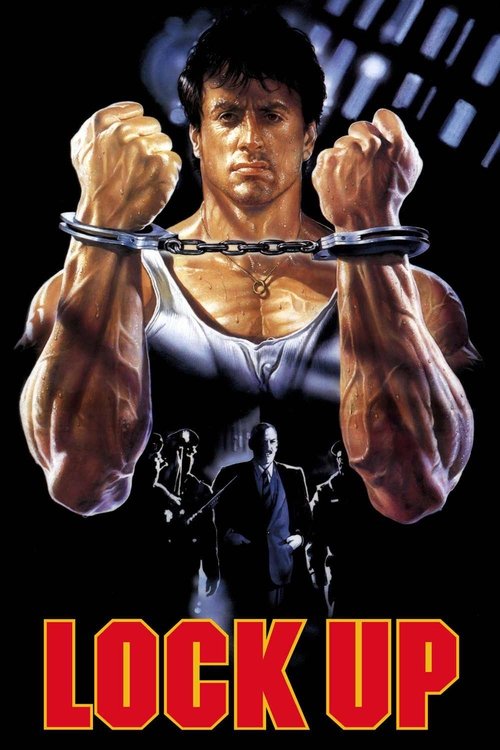
Women play a minimal role in the story. The plot revolves around physical dominance and hierarchy among men in a male-only prison.
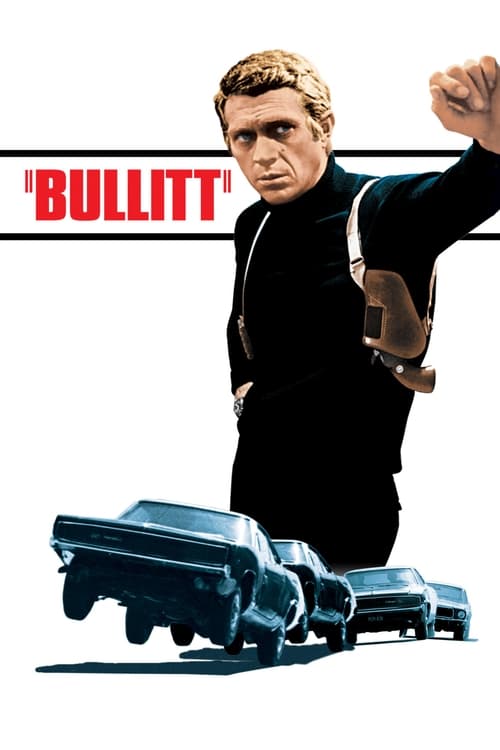
The story revolves around male characters and their professional duties. Female characters have limited roles and play minor supporting roles.
The movie operates within a strictly patriarchal framework with almost no female characters. It centers entirely on male hierarchy and the breakdown of male authority.
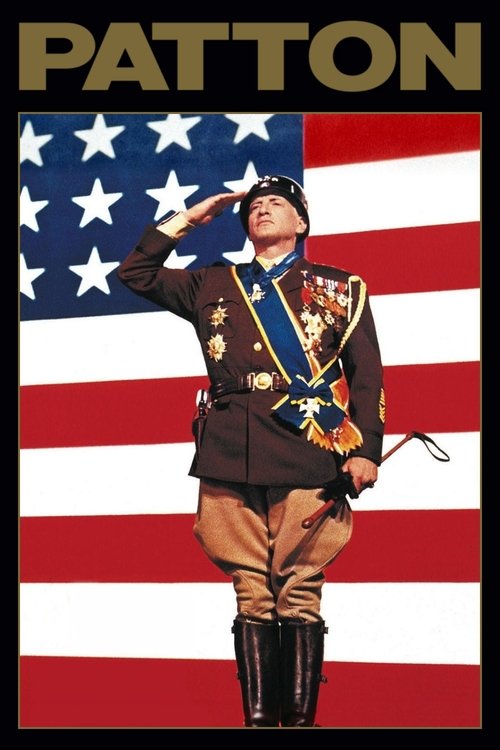
The story focuses almost entirely on masculine military figures. Women are portrayed mainly as wives or administrative assistants, with little influence over the main plot.
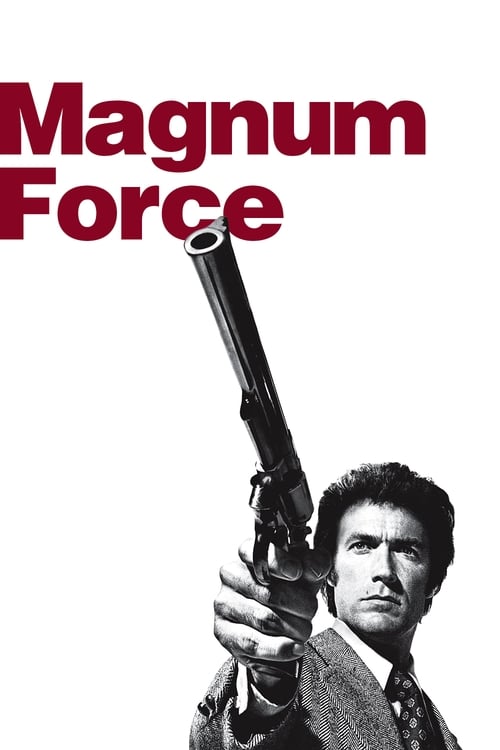
The story focuses on a hyper-masculine character type, emphasizing traditional gender roles. Women mostly appear as secondary characters or love interests.
The story focuses mainly on male characters and their camaraderie in a male-dominated military environment. Women are shown primarily in the context of the protagonist’s past without playing a significant role in the story.
The film follows a traditional masculine structure, reflecting mid-century space exploration norms. The main crew is predominantly male, focusing the narrative ability to act within male figures and avoiding engagement with gendered power dynamics.
The story centers almost entirely on male characters, emphasizing the transfer of masculine power. Female characters play minor roles and have little influence, reinforcing a patriarchal system.
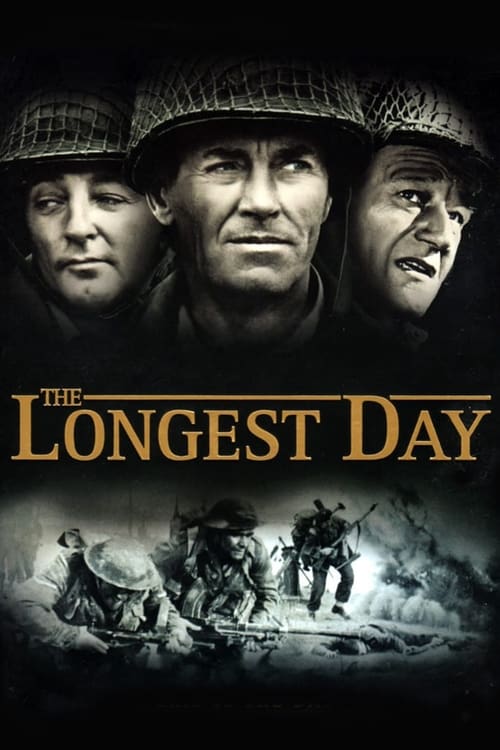
This is an almost exclusively male-focused military epic. Women play minor roles, often confined to domestic duties or civilian life.
The narrative is dominated by male characters and focuses on traditional wartime structures, with no significant roles for women.
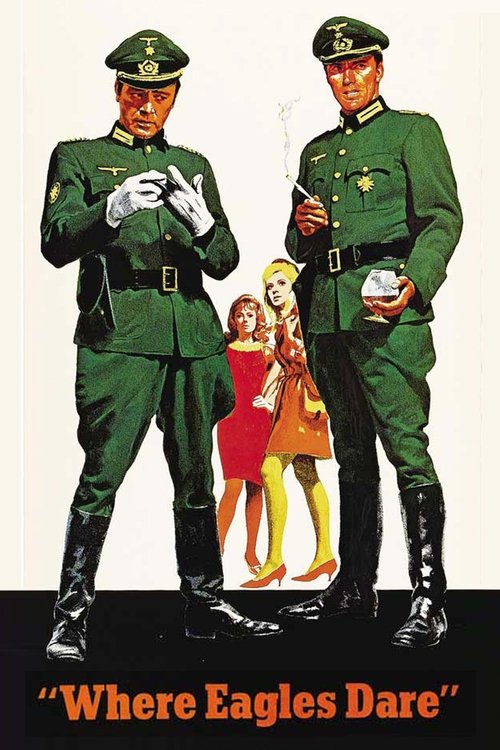
The cast is mostly male, focusing on male characters' actions and combat skills. Female characters play minor roles in the espionage storyline.
Female characters mainly serve as objects of desire or targets for pranks. They lack individual ability to act and the film reinforces traditional patriarchal hierarchies.
Women in the film mainly serve as passive victims and catalysts for the male-driven plot. The story centers around a male character's grief and his quest to reclaim power.
The film reinforces traditional gender roles, where female characters play minor roles compared to the male protagonist.
Narrative ability to act is almost entirely concentrated in male protagonists. Female characters remain on the periphery, serving primarily as supporting figures or civilian background elements.
This is a male-centric ensemble piece where female characters remain on the periphery and lack active roles.