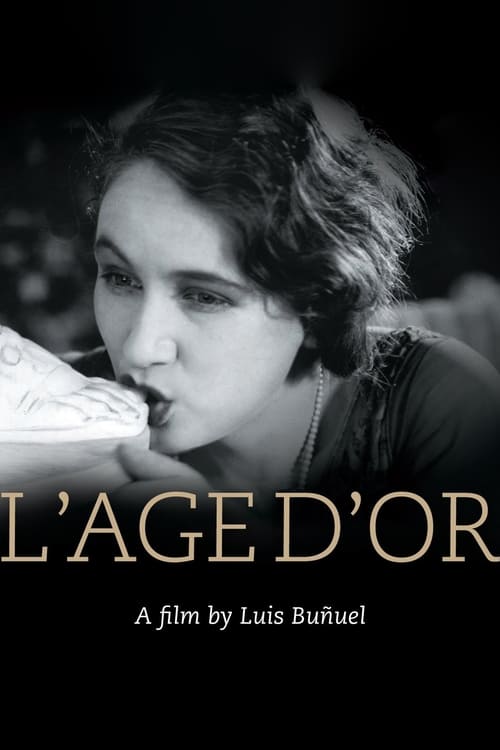
L'Âge d'or
1930
Not RatedNo user ratings available yet
Representation score: 9.5 out of 10
These lists use approved religious and cultural representation scores for Golden Age films (1930s-1950s) that have written notes. A higher score means the analysis found more on-screen treatment of religion, culture, or related critique. A lower score means that treatment is thinner or absent. It is not a virtue score and not a warning label.
This surreal critique portrays the Catholic Church and bourgeois capitalism as oppressive forces. It promotes moral relativism by framing the rejection of traditional values as a necessary liberation.
The film offers a profound critique of capitalist structures and industrial dehumanization. It portrays authority figures as antagonists, showing survival-based 'anti-social' behaviors as necessary responses to systemic trauma.
The narrative offers a nuanced critique of Western power structures and nationalism, advocating for secular humanism and challenging the morality of the geopolitical order.
The film critiques Western institutional power and the myth of European progress. It shows how bureaucracy and technology were weaponized for mass murder.
The story criticizes traditional institutions such as the state and religion. It breaks down the myth of the virtuous poor, revealing how systemic issues lead to antisocial behavior for survival.
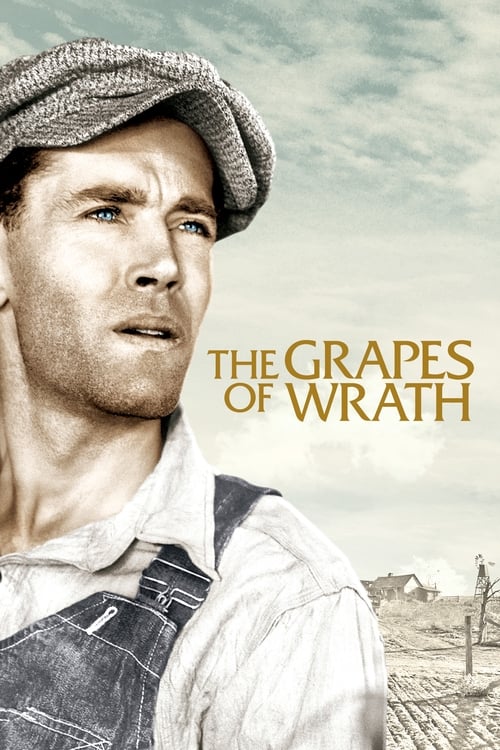
The film provides a critical look at capitalism and agribusiness. It portrays the struggle of the migrant class against oppressive Western systems.
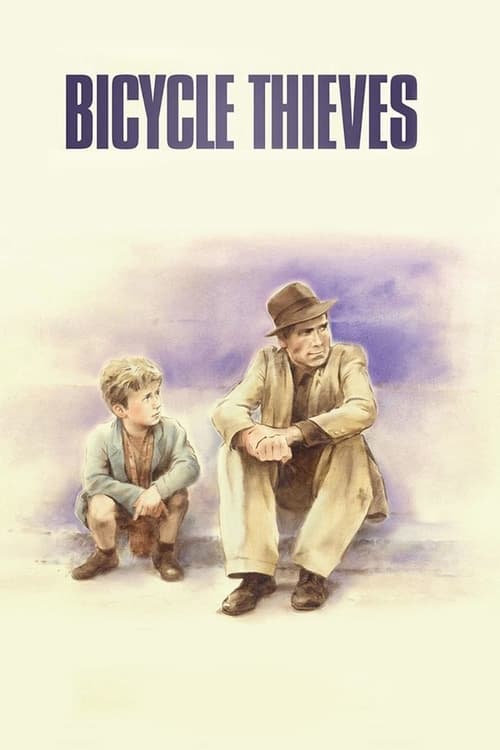
The film effectively critiques economic structures, presenting theft as a necessary act driven by systemic poverty rather than a moral failing.
The story provides a powerful critique of capitalist structures and institutional apathy. It presents the struggle of individuals against exploitative economic systems as a central, dignified narrative element.
The film effectively critiques Western institutions. It uses dark humor to dismantle the arbitrary hierarchies of the British class system.
The narrative provides a profound critique of centralized power and Western institutional models. It deconstructs how revolutionary fervor can be co-opted by totalitarian structures.
The film excels in critiquing Western institutions and capitalism, presenting criminal acts as a response to economic exploitation.
The story critiques institutional power, depicting feudal hierarchies as predatory and corrupt. It prioritizes humanist morality over strict state or religious doctrine.
The film sharply critiques Western institutions and patriotism, portraying the military hierarchy as a corrupt system that exploits the working class.
The film functions as a powerful anti-imperialist critique. It emphasizes humanist, secular morality over state-mandated ideology, presenting individual ethics as a rebellion against oppressive systems.
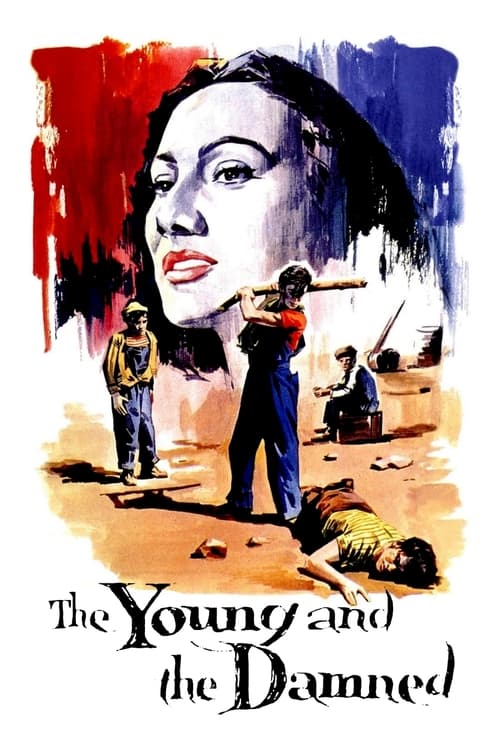
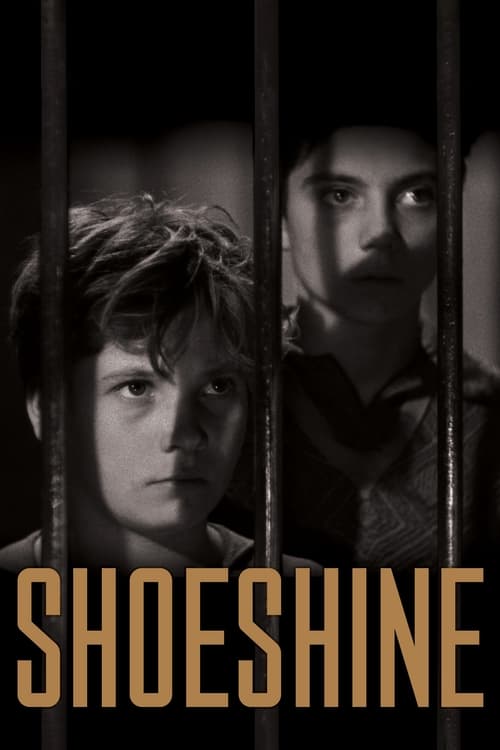
The film critically examines Western institutions and the juvenile justice system. It portrays state authority as a dehumanizing force that fails to protect the vulnerable.
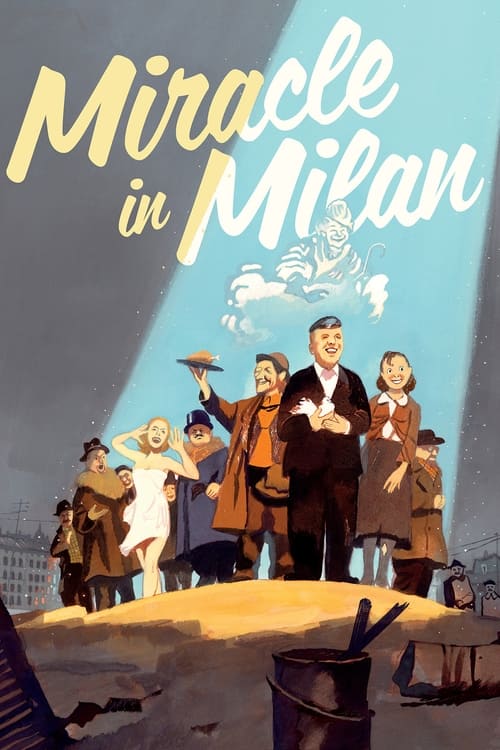
The film provides a powerful critique of capitalism and Western institutions. It uses magical realism to highlight the subjective realities and communal truths of underrepresented groups.
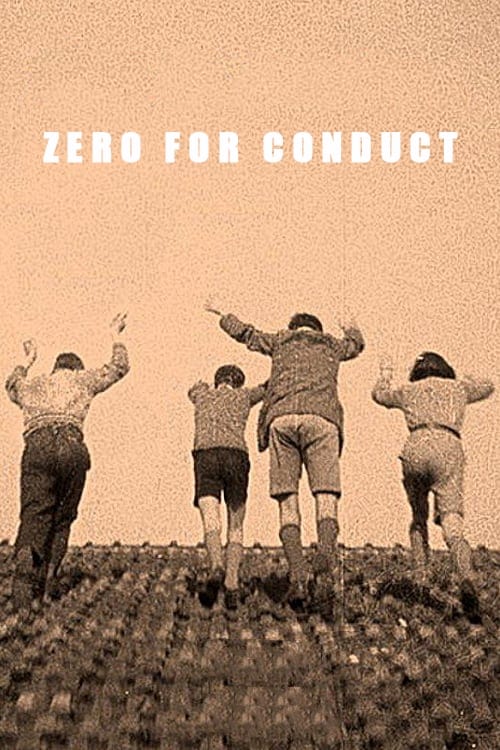
Vigo critiques Western institutions by presenting student rebellion as a necessary act of liberation. The film emphasizes the importance of imagination over strict social order.
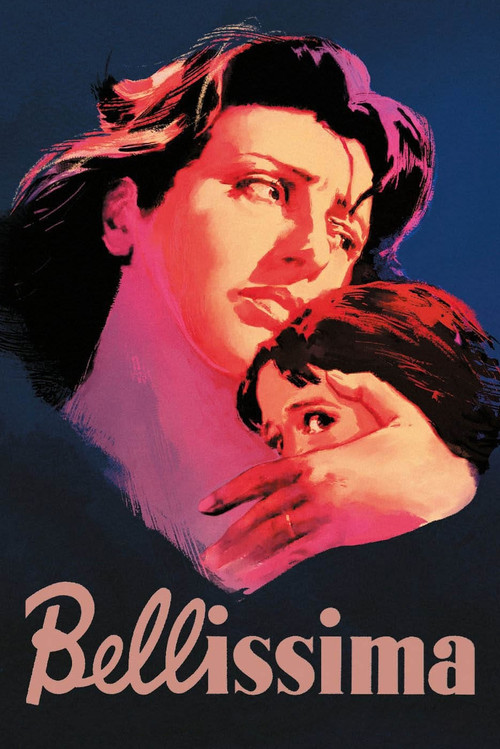
The story offers a powerful critique of capitalist structures and the superficiality of consumer culture. It portrays the film industry as an oppressive force that commodifies innocence for profit.
The film offers a critical look at the hacendado system and corrupt political institutions. It portrays the revolution as a necessary moral response to oppressive hierarchies.
The film excels at critiquing Western institutions, portraying the military hierarchy and judicial processes as corrupt, self-serving mechanisms used by the elite.
The narrative offers a profound critique of Western institutions and capitalist morality. It frames theft as a product of economic desperation rather than a character flaw, highlighting systemic issues.
The film sharply criticizes Western institutions and capitalism, highlighting the wealth gap as a systemic issue rather than an individual failing.
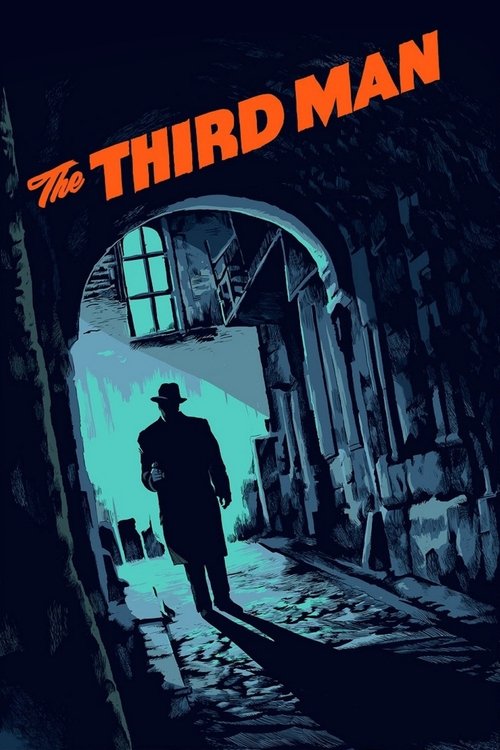
The film effectively challenges Western institutions and authority by presenting a complex view of morality and criticizing the corrupt system of black-market capitalism. It replaces simple moral judgments with existential dilemmas.
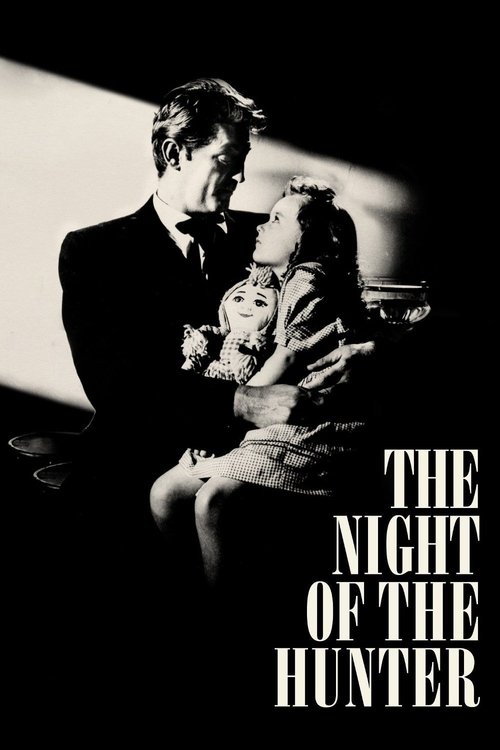
The film critically examines religious authority by portraying the preacher as a predator. It questions the sanctity of clerical power and explores moral ambiguity.
The narrative offers a sharp critique of institutional integrity and systemic corruption. It dismantles moral binaries by exploring situational ethics and the decay of authority.
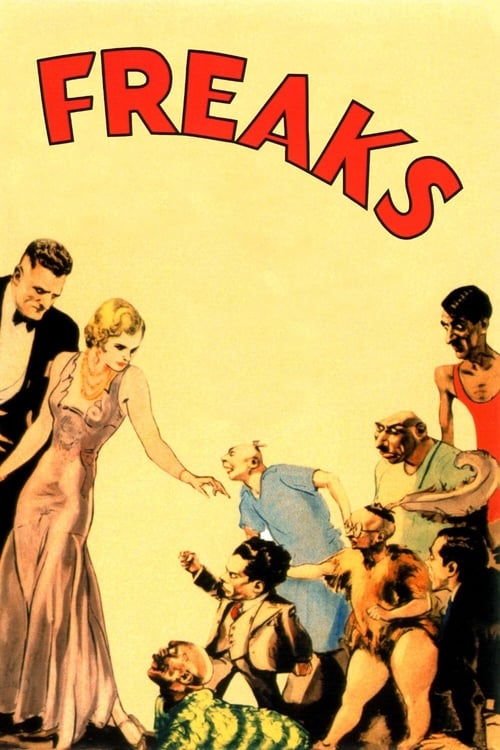
The narrative criticizes capitalist greed and the exploitation of the vulnerable. It portrays the underrepresented circus performers as the moral center against corrupt, 'civilized' outsiders.

1930
NRThe film offers a strong critique of traditional Western institutions, presenting a powerful indictment of the 'Old Guard' and the harmful effects of patriotic rhetoric.
The story questions traditional Western morals by breaking down established institutions. It emphasizes situational ethics and dark humor over strict legal or civic standards.
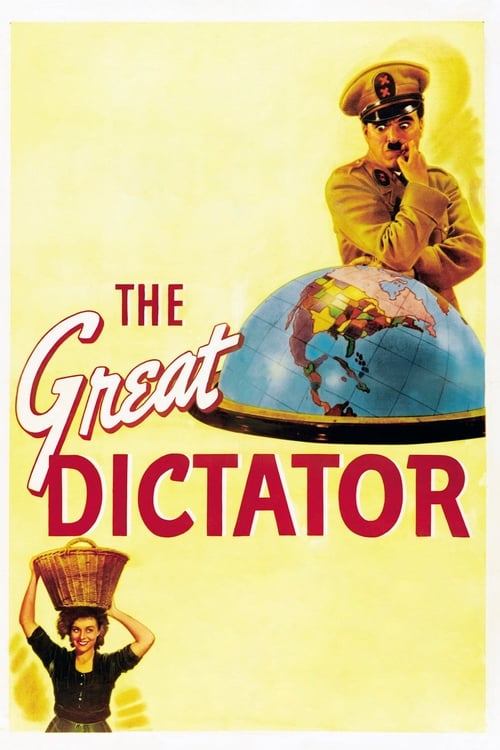
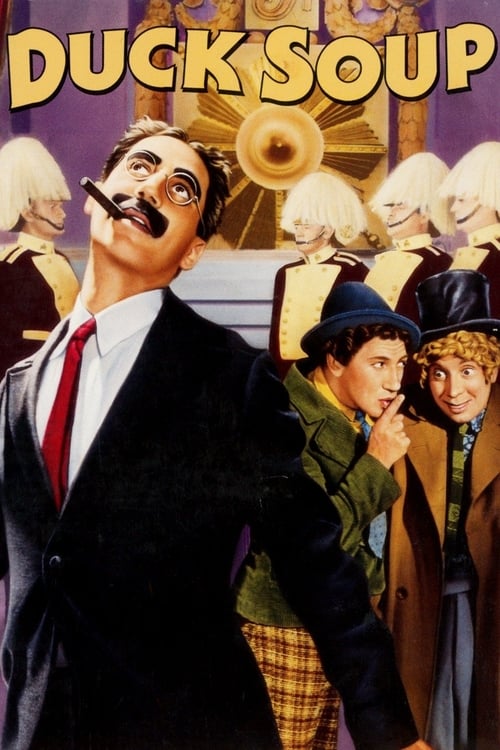
The film excels at deconstructing Western institutions. It portrays diplomacy and leadership as absurd, highlighting the breakdown of political order as a comedic liberation.
The film critiques capitalism and the corruption of journalistic ethics, portraying the media as a predatory force that commodifies human suffering.
The film offers a modern critique of Western institutional stability. It depicts the aristocracy as a declining, morally hollow group, challenging traditional class hierarchies and social norms.
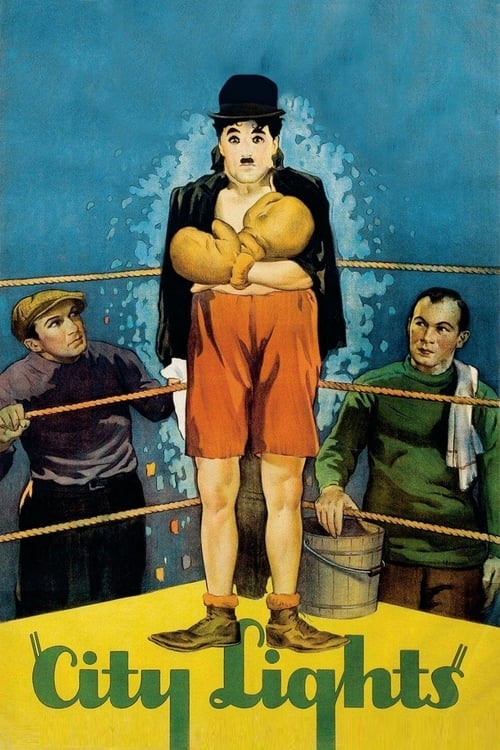
The film critiques Western institutional artifice, contrasting Hollywood's polished illusions with the harsh realities faced by the disenfranchised and impoverished.
The film offers a profound critique of failed Western institutions like the family and the state. It prioritizes situational ethics over traditional moral absolutes.
The film offers a nuanced look at Western institutions, critiquing the myth of the heroic pioneer by showing frontier justice as organized, anti-social violence.
Kurosawa critiques traditional institutions by portraying crime as a result of poverty. The film avoids simplistic moral binaries to highlight systemic issues.
The film criticizes traditional institutions like the state and church, which fail to offer moral guidance. It emphasizes the struggles of the working class and peasant communities.
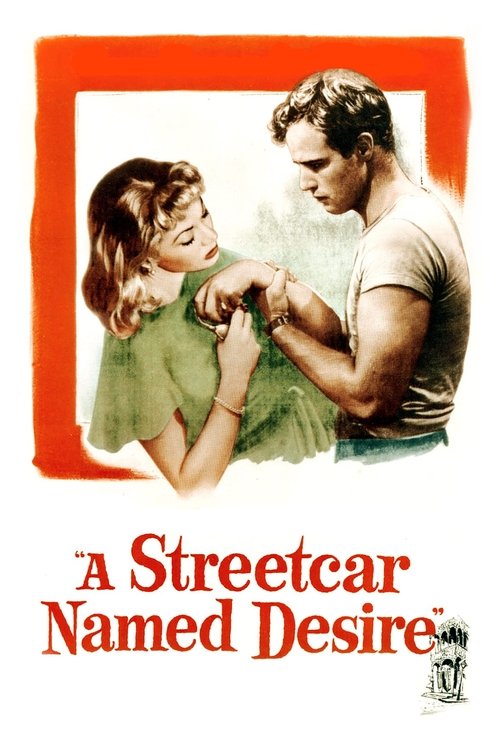
The film critiques the rigid moral codes of the Southern aristocracy. It portrays social decorum as a mask for psychological repression and systemic cruelty.
The film critiques post-war economic systems and corrupt institutions. It challenges absolute morality by showing criminal behavior as a response to systemic issues.
The film critically examines the American Dream, presenting capitalism as a cause of moral decline. It depicts the traditional family unit as a source of conflict and greed.
The story criticizes Western institutions, showing the legal system and civic order as corruptible. It views established social structures with skepticism rather than promoting traditional community solidarity.
The film provides a critical look at Western military dominance and the impact of the atomic bombing on Hiroshima. It emphasizes moral complexity over simple, institutional narratives.
The film critiques the American Dream as an unattainable ideal for the poor, presenting a cynical view of social and legal systems.
The film examines moral relativism and the corruption of power structures during social collapse.
Visconti critiques traditional Western institutions by depicting the aristocracy as decaying structures. The film emphasizes individual desires over state-imposed patriotism and strict hierarchies.
The film critiques the Church as a rigid, oppressive institution. It emphasizes secular existentialism and individual meaning over institutional religious doctrine.
The film stands out by rejecting traditional Western moral and religious norms, instead embracing a nihilistic outlook that breaks down conventional authority.
The film offers a sophisticated study of moral relativism. It challenges absolute morality by portraying human behavior as driven by subjective truths and self-interest.
The story criticizes Western institutions such as schools and the legal system as oppressive. It portrays the protagonist's rebellion as a survival tactic against repressive structures rather than inherent criminality.
The film questions the stability of traditional family structures and aristocratic moral codes, presenting them as decaying and oppressive.
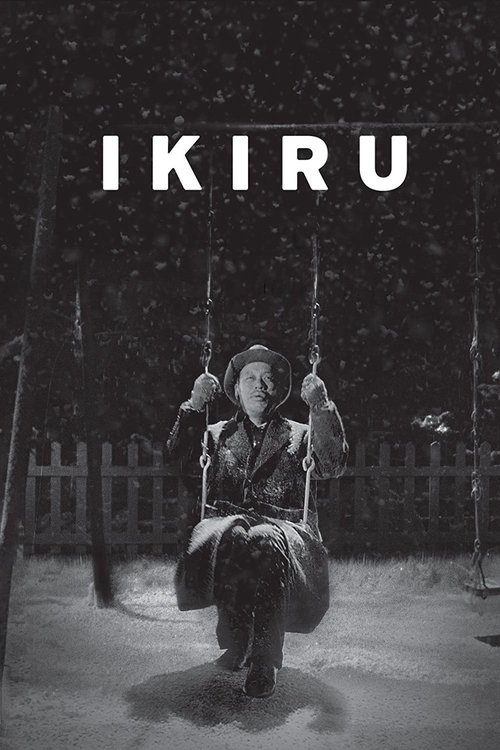
The film provides a sharp critique of bureaucratic capitalism and institutionalism. It deconstructs the 'salaryman' archetype by prioritizing individual purpose over state rituals.
The work glorifies a singular, absolute moral truth through nationalism, rejecting pluralism in favor of total ideological conformity to the state.
1938
GThe story relies on moral absolutism and traditional Western moralities. It celebrates conventional domestic structures without exploring systemic complexity or social hierarchies.
The plot emphasizes obedience to authority and the sanctity of the family unit. It promotes singular moral ideals like truthfulness rather than moral relativism.
The story emphasizes the importance of state and military institutions to preserve Western civilization. It frames the conflict as a struggle between the established social order and a chaotic invading force.
The film portrays a nostalgic view of the American Midwest, highlighting traditional Western institutions such as the nuclear family and Christian values.
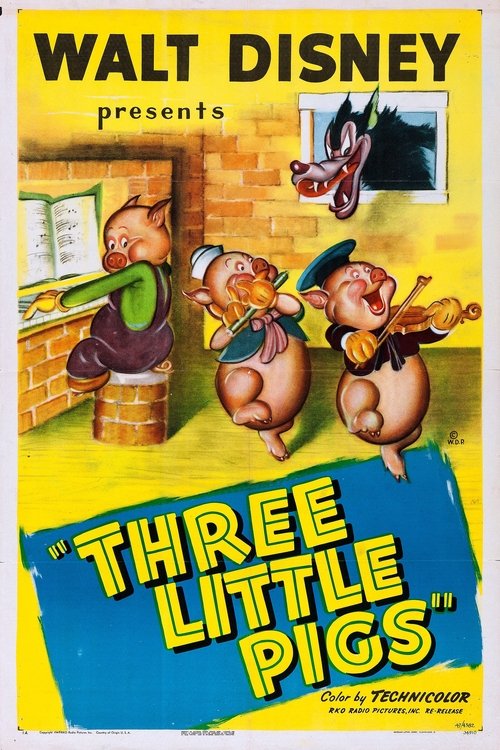
The story promotes traditional Western values by highlighting the virtues of hard work and property ownership. It presents a clear moral distinction between the industrious pigs and the predatory wolf.
The story celebrates traditional Western institutions, including the monarchy and the Catholic Church. It romanticizes the stability and grandeur of the Austro-Hungarian Empire through themes of duty and honor.
The narrative celebrates rugged individualism and the sanctity of the nuclear family. It promotes traditional pioneer ethics, emphasizing discipline and the preservation of the homestead.
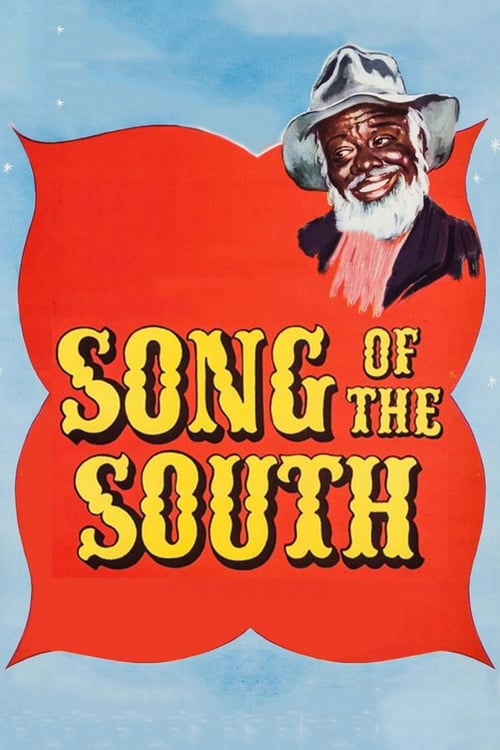
The story promotes a nostalgic view of the American South that downplays historical trauma. It portrays a stratified social order aligned with traditionalist views.
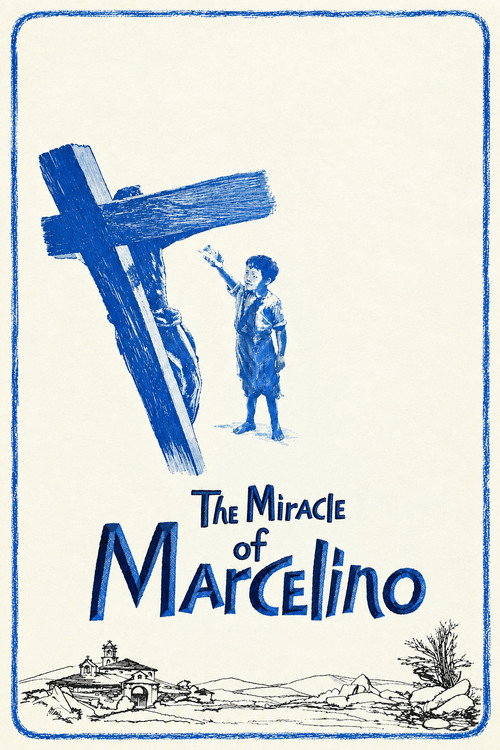
This film exemplifies traditional religious storytelling. It emphasizes Christian morality and portrays religious institutions as key sources of stability.
The narrative promotes patriotism and the sanctity of the nuclear family. It portrays religious and social institutions as stabilizing forces that maintain the current social order.
The story follows a traditional Western moral framework emphasizing bravery and property ownership. It does not critique systemic power structures.
The story is built upon singular religious morality and divine will. It presents a binary struggle between righteousness and betrayal without questioning systemic power.
The story upholds traditional Western values, emphasizing the restoration of social order through monarchy and marriage.
The film upholds traditional Western values through Christian imagery and science, presenting the antagonist as a violation of established social and religious norms.
The narrative upholds a binary moral struggle aligned with Western traditions. It validates the sanctity of royal lineage and the restorative power of traditional romantic unions.
The film promotes an idealized view of the Antebellum South, presenting Reconstruction as a disruption to a supposedly superior social order.
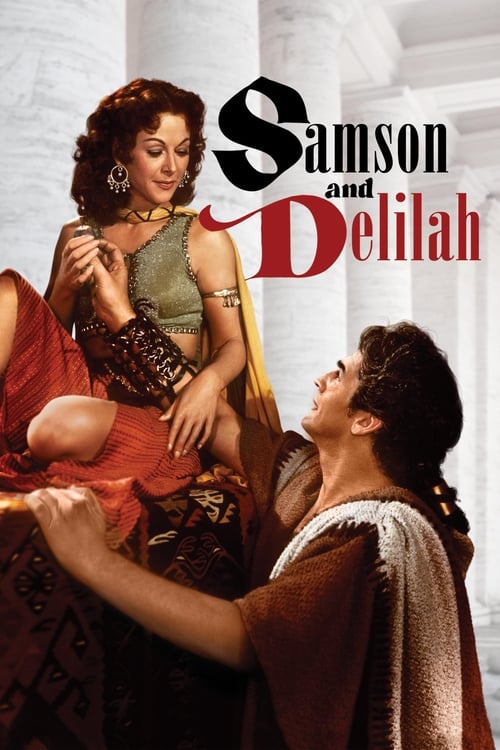
The story promotes a strict religious morality centered on divine laws. It sets up a binary between monotheistic righteousness and polytheistic decadence, rejecting moral relativism for unchanging sacred codes.
The film prioritizes the legitimacy of law and professional authority. It reinforces social stability and the preservation of law as a moral imperative.
The narrative highlights social decorum, marital fidelity, and duty to family. Individual impulses are treated as breaches of the established moral order, without challenging these institutions.
The story celebrates traditional Western values and community stability. It highlights small business success and moral certainty without critiquing broader societal structures.
The story highlights the authority of the monarchy and religious traditions. It portrays the conflict between the individual and the state as a romantic struggle within a glorified European order.
The film upholds traditional Western institutions such as the FBI and US Army. It emphasizes the preservation of established social orders against chaotic disruptions.
The story celebrates imperial grandeur and Western institutions like the Church and Monarchy. It leans into historical nostalgia rather than offering secular or alternative perspectives.
The segments highlight a stable, traditional morality through folk songs. They celebrate a romanticized version of Western communal life from history.
The story celebrates a clear-cut moral system where good triumphs over evil, using traditional hero and villain archetypes.
The story upholds Western institutions such as the Episcopal Church and the nuclear family. Divine intervention is used to reinforce, rather than question, these traditional social structures.
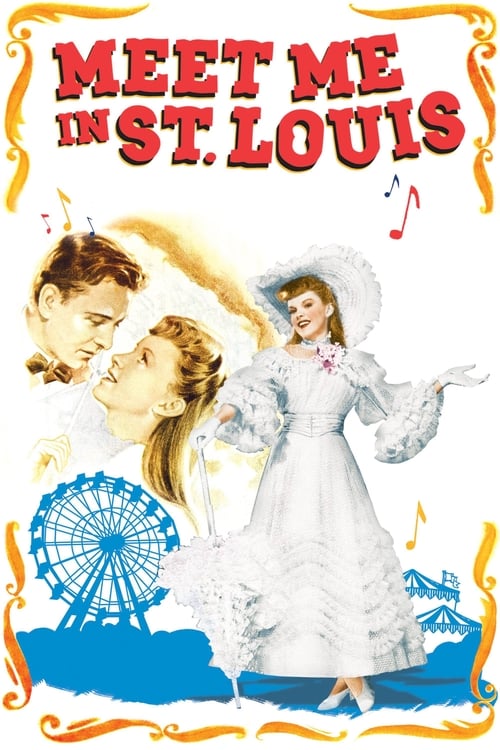
The story celebrates Western domesticity and the nuclear family. It suggests social harmony is achieved through assimilation into established middle-class institutions.
The narrative celebrates the Hollywood studio system and upholds traditional Western ideals of stardom without providing social critiques.
The film is grounded in Western classical traditions and religious iconography. The Ave Maria segment highlights Catholic aesthetics without promoting religious diversity.
The narrative glorifies high-capitalist luxury and Western social prestige, reinforcing the status quo without critique.
The narrative emphasizes the sanctity of the nuclear family and upholds traditional values. It celebrates the restoration of domestic stability and the authority of the state.
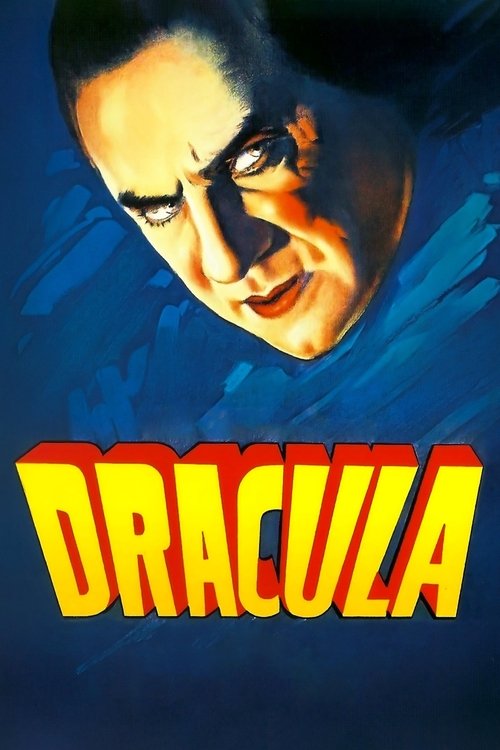
The story upholds Western institutions and moral binaries. Van Helsing represents the authority of science and religion against supernatural disruption.
The plot emphasizes traditional Western institutions by focusing on national security. It aims to restore the protagonist's standing within the existing legal and social order.
The story emphasizes mid-century Western values, focusing on scientific authority and professional hierarchy. It celebrates institutionalized discovery rather than critiquing Western institutions or religious morality.
The story upholds Western values such as faith and the traditional family unit. It celebrates capitalist institutions without questioning their impact on society.
The story emphasizes traditional Western values and social cohesion. It centers on the stability of the family unit and community through a local gift shop.
The story upholds traditional Western social structures and community cooperation. It focuses on maintaining the current order without questioning institutions like religion or capitalism.
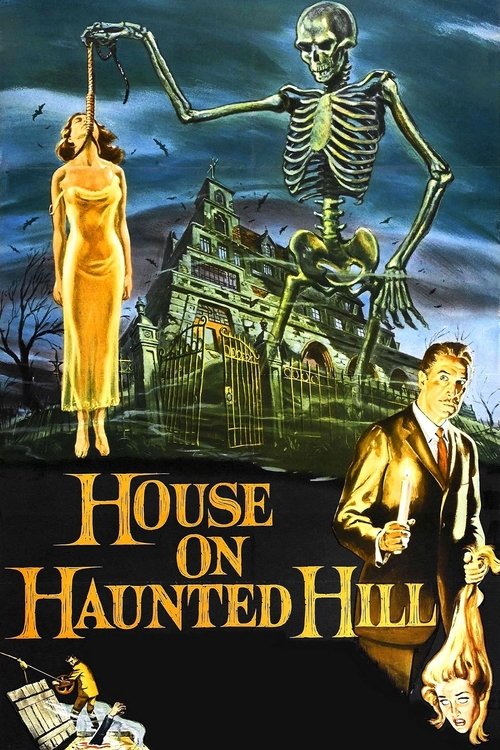
The story focuses on supernatural horror without engaging in cultural or ideological critiques. It does not address secularism or the breakdown of traditional social structures.
The story highlights Western values related to scientific advancement and personal responsibility. It functions as a personal moral tale rather than a broader societal critique.
The story draws heavily from European folklore and superstition, emphasizing communal traditions and the powerlessness of individuals against ancient supernatural forces.
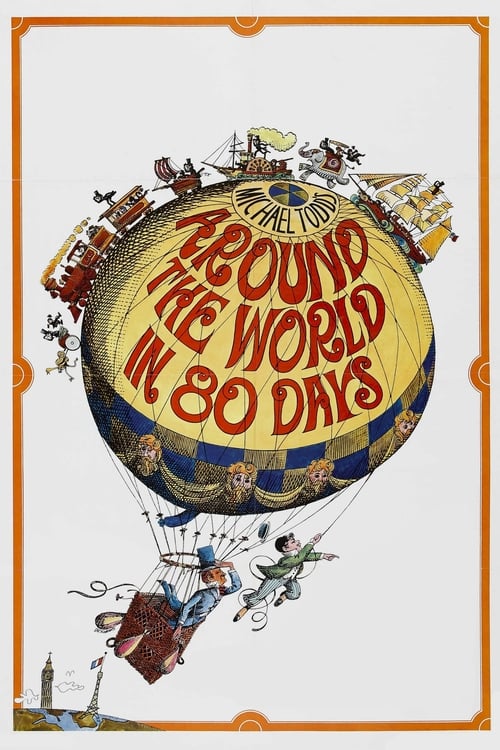
The story highlights Western ingenuity and progress, presenting a positive view of global connectivity and mid-19th century Western structures.
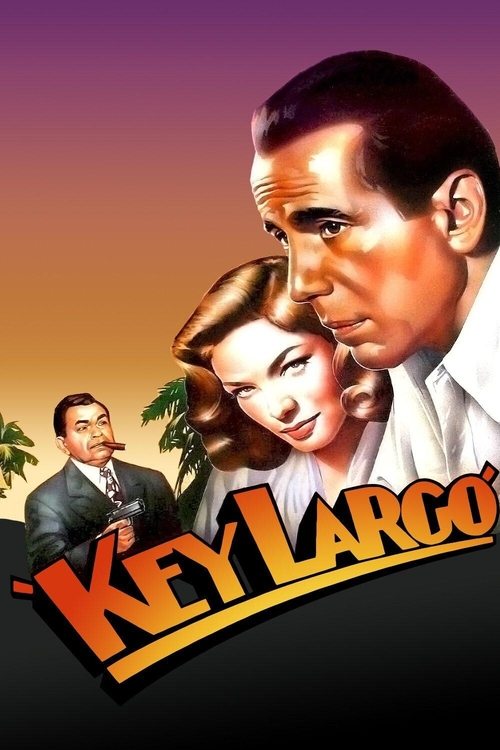
The film supports traditional Western values emphasizing law, order, and personal moral accountability. It upholds the authority of legal systems and societal stability against criminal chaos.
The story celebrates Western capitalist values and the lifestyle of the economic elite. It upholds conventional social structures without offering any critical perspective.
The story functions as a pro-Allied wartime thriller focused on patriotism and protecting the American domestic sphere. It reinforces the sanctity of the home against external threats.
The narrative celebrates traditional Western social structures and high-society capitalism. It reinforces established social hierarchies and an idealized lifestyle for the elite.
The film follows traditional Western storytelling methods. It frames themes like personal freedom through classic adventure clichés without addressing institutional or systemic issues.
The story upholds traditional Western social structures and values. It celebrates conventional courtship and established etiquette within a singular, traditional moral framework.
The story celebrates the establishment of order, patriotism, and the importance of community institutions. It portrays the transition from lawlessness to structured governance.

1949
ApprovedThe narrative emphasizes traditional Western institutions and patriotism. It celebrates military duty and institutional loyalty without challenging social norms.