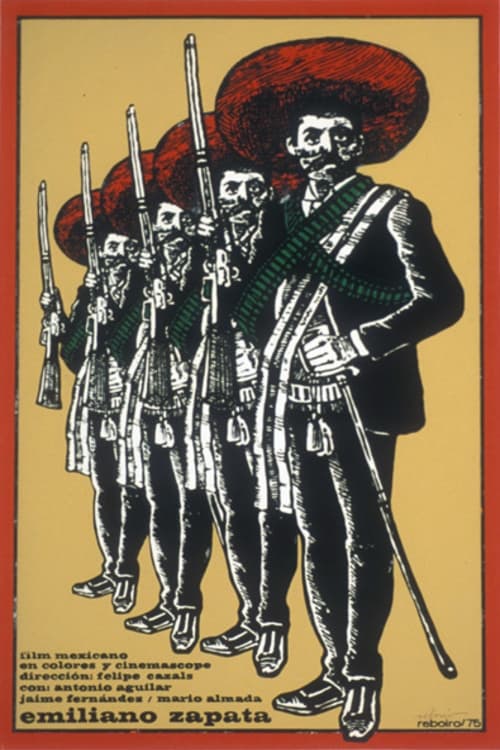
Emiliano Zapata
1970
No user ratings available yet
Representation score: 3.3 out of 10
Representation Score
Fair
1952
ApprovedDirector
Elia Kazan
Runtime
113 minutes
Average Rating
No ratings yetNew Showbiz Analysis
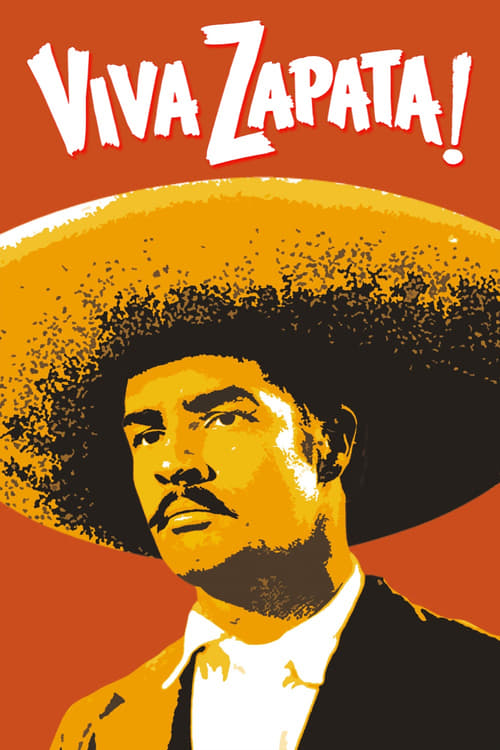
Viva Zapata! effectively critiques systemic inequality and the landed aristocracy. By focusing on land reform, the film emphasizes the ability to act of the Mexican working class against corrupt institutions. While the film provides a sophisticated critique of power structures, it lacks LGBTQ+ representation and disability inclusion. Casting a white actor in the lead role affects the film's racial authenticity.
Category Breakdown
The film does not include any LGBTQ+ characters or stories. The social dynamics are strictly based on traditional heterosexual relationships from the early 20th-century Mexican revolutionary period.
Women play important roles in the revolution, providing both emotional and logistical support. They exercise significant influence and are not passive figures in the peasant uprising.
The story focuses on the Mexican peasantry and the reclaiming of indigenous rights. However, casting a white American actor in the lead role reduces the overall racial authenticity.
The film offers a critical look at the hacendado system and corrupt political institutions. It portrays the revolution as a necessary moral response to oppressive hierarchies.
There are no prominent depictions of visible or invisible disabilities that serve as central narrative drivers in this film.
Present on Screen
Limited or Absent
Official Synopsis
The story of Mexican revolutionary Emiliano Zapata, who led a rebellion against the corrupt, oppressive dictatorship of president Porfirio Díaz in the early 20th century.
1970
1935
1954
1953

1969
1960

2008

1966
No reviews yet. Be the first to share your thoughts on this movie!
Use the rating form above to leave a star rating and optional review.