Snoopy, Come Home
1972
No user ratings available yet
Representation score: 2.6 out of 10
Representation Score
Minimal
1946
GDirector
Harve Foster, Wilfred Jackson
Runtime
94 minutes
Average Rating
No ratings yetNew Showbiz Analysis
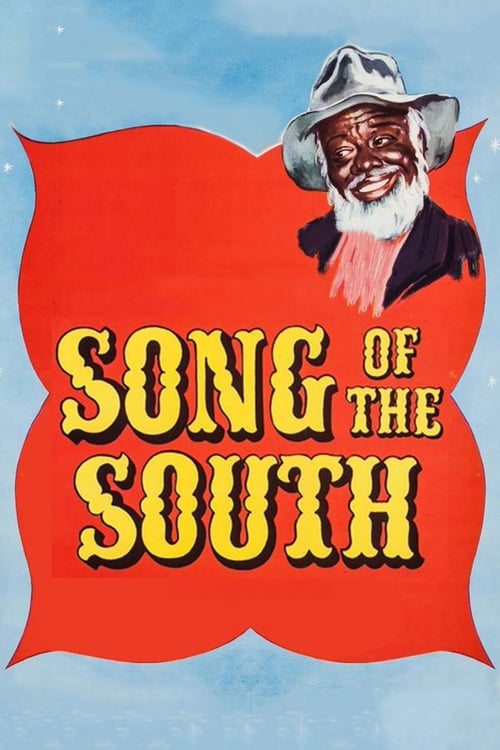
Song of the South reflects the social structures of its era, presenting an idealized view of the Reconstruction-era South. The film emphasizes a romanticized portrayal of the plantation setting, avoiding any critique of systemic oppression. The narrative relies on racial archetypes to maintain a sense of social harmony, which minimizes historical trauma. Ultimately, the film lacks nuanced character development and meaningful representation for women or underrepresented identities.
Category Breakdown
The film does not include any visible LGBTQ+ characters or explore non-straight identities. It focuses solely on the assumption that everyone is straight or cisgender.
The story revolves around a male mentor and a young male protagonist. Female characters have limited roles and development, mainly supporting the male-driven narrative.
The film uses racial stereotypes, particularly the 'contented servant' cliché through Uncle Remus. This romanticizes the plantation era and hides the systemic issues of the time.
The story promotes a nostalgic view of the American South that downplays historical trauma. It portrays a stratified social order aligned with traditionalist views.
There are no characters with visible or invisible disabilities used as central plot devices or given ability to act within the story.
Present on Screen
Limited or Absent
Official Synopsis
Uncle Remus draws upon his tales of Br'er Rabbit to help little Johnny deal with his confusion over his parents' separation as well as his new life on the plantation.
1972
1941

1942

1977
2021

1941

1967

1981
No reviews yet. Be the first to share your thoughts on this movie!
Use the rating form above to leave a star rating and optional review.