Battleship Potemkin
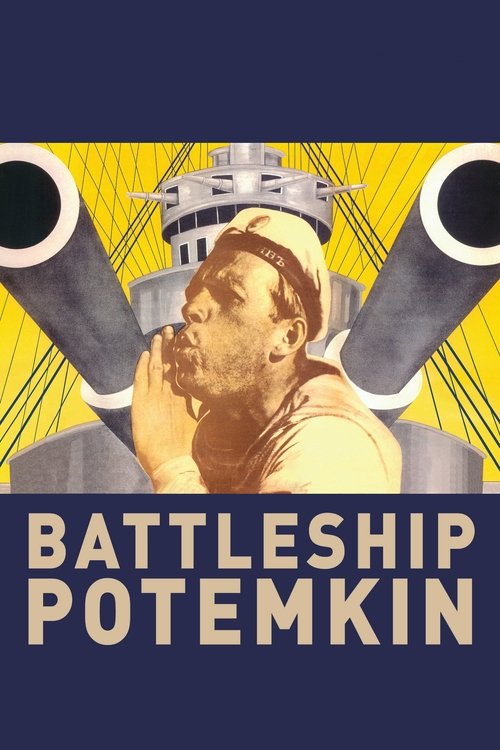
1925
Not RatedNo user ratings available yet
Representation score: 9.5 out of 10
These lists use approved religious and cultural representation scores for Silent Era films (1920s) that have written notes. A higher score means the analysis found more on-screen treatment of religion, culture, or related critique. A lower score means that treatment is thinner or absent. It is not a virtue score and not a warning label.
The film critiques monarchical institutions and portrays the violent overthrow of authority as a necessary response to systemic cruelty.
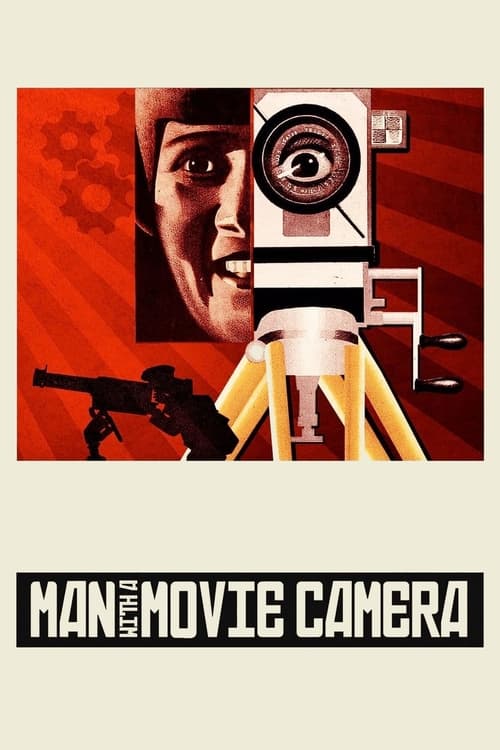
1929
Not RatedThis work is a profound exploration of anti-capitalist sentiment, celebrating collective labor and the socialist project. It deconstructs Western narrative consumerism by focusing on the filmmaking process itself.
This seminal anti-capitalist work criticizes Western industrial capitalism and state authority. It portrays the ruling class and military as oppressive and exploitative.
The film offers a critical look at Western institutions and Christian morality. It portrays the hypocrisy of bourgeois respectability and highlights the corruption within traditional social structures.
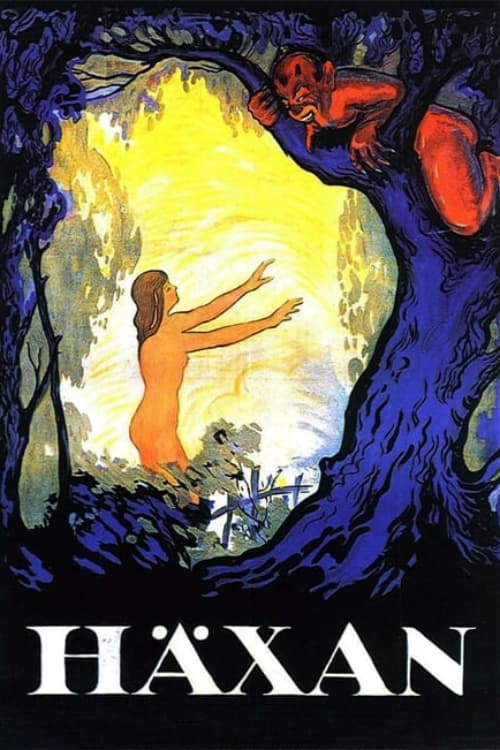
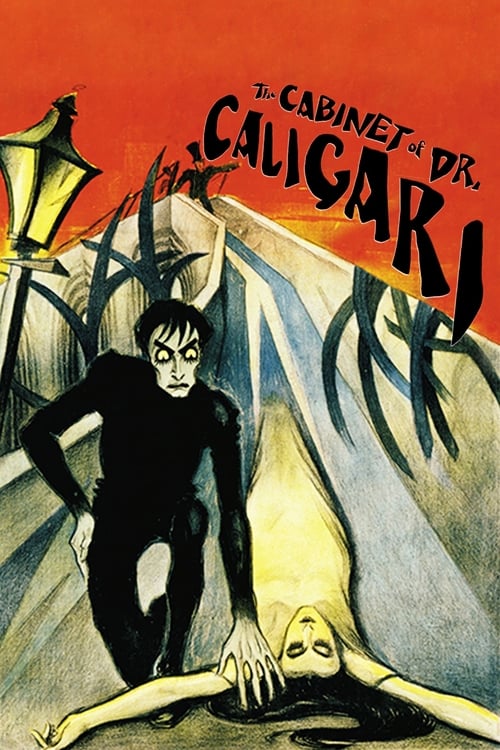
The film criticizes the Church as an oppressive, legalistic institution. It emphasizes individual subjective morality over the dogmatic, institutional truths imposed by the state and religion.
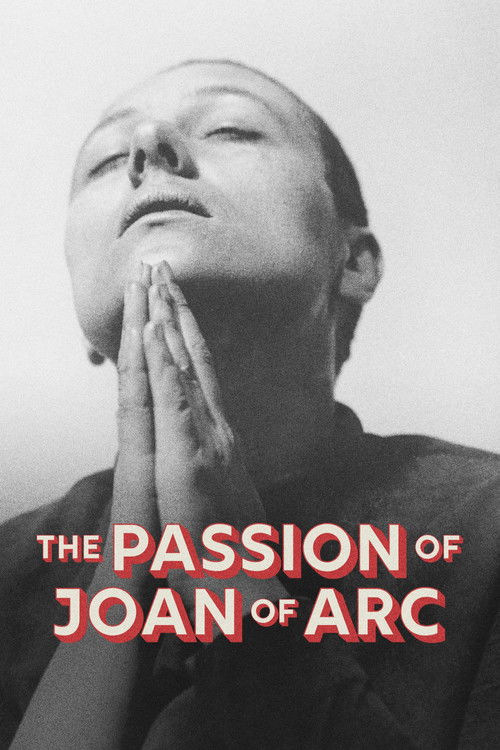
The film provides a critical examination of religious authority and the Inquisition. It portrays the Church as an engine of systemic violence rather than a moral institution.
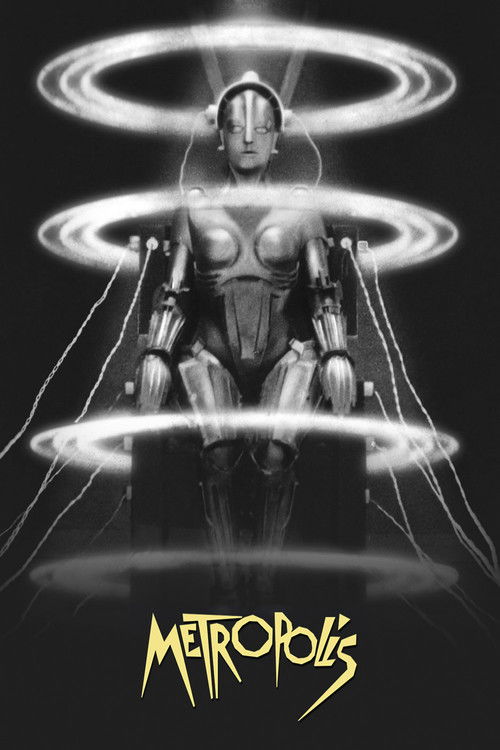
The film provides a deep critique of industrial capitalism and class divisions. It highlights the importance of the 'heart' as a mediator between the ruling class and the working class.
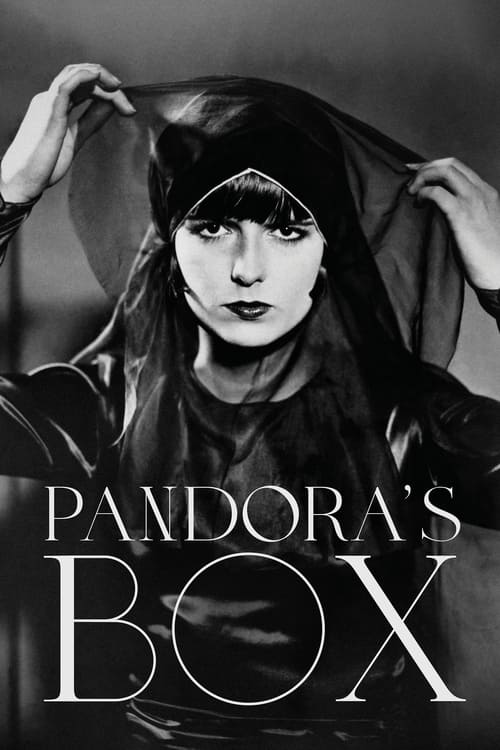
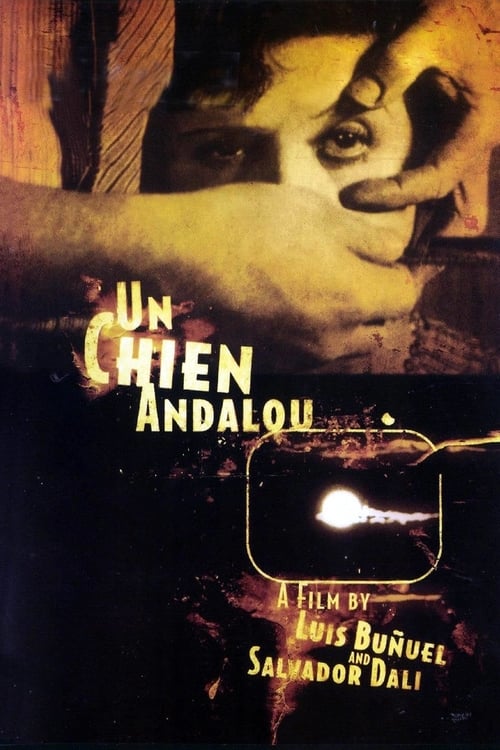
The film provides a deep critique of bourgeois ideals and Western intellectual traditions. It rejects conventional morality and linear thinking in favor of subconscious impulses and anti-rational ideas.
The film offers a sophisticated critique of Western institutions such as orphanages and law enforcement. These systems are portrayed as cold, impersonal forces that worsen the conditions of the impoverished.
The film provides a sophisticated critique of institutional power and moral relativism. It employs an unreliable narrator to question the concept of objective truth.
The story critiques Western economic structures by highlighting the contrast between the luxurious lives of the rich and the struggles of the working-class crew.
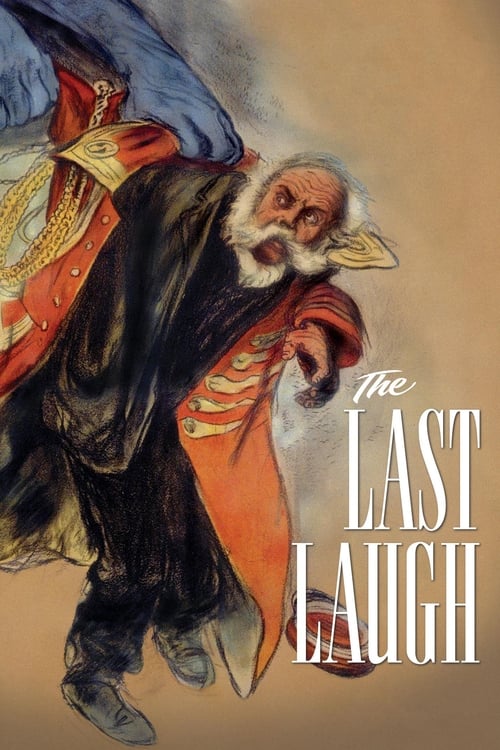
The film offers a sophisticated critique of capitalist systems and strict class hierarchies. It highlights how institutions judge individuals based on usefulness rather than inherent worth.
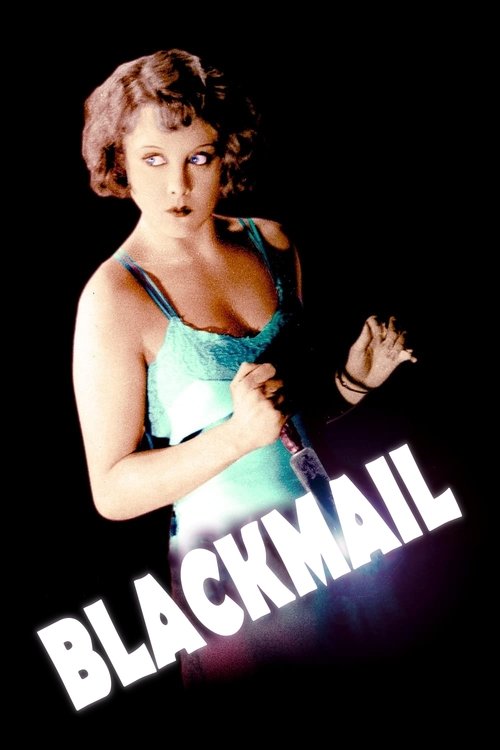
The story uses moral relativism to challenge the binary of criminal and victim. It critiques social climbing and the exploitation of personal crises for social gain.
The story follows an early-industrial framework centered on rhythmic, mechanical play. It lacks religious, political, or systemic critiques of Western or capitalist structures.
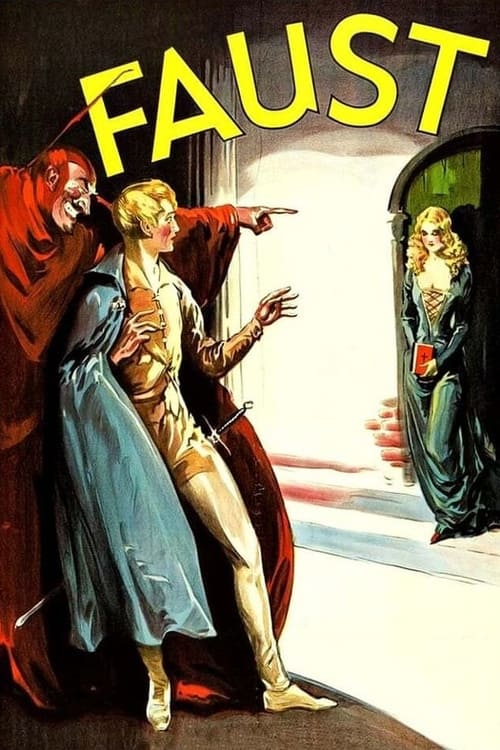
The narrative emphasizes a traditional Western religious perspective and moral dualism. It centers on the conflict between good and evil, reflecting a singular theological viewpoint.
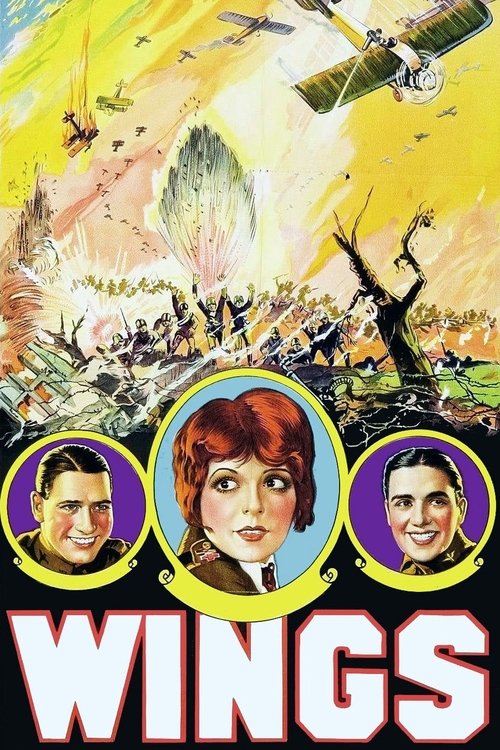
The story highlights traditional Western institutions like the military and patriotism, presenting a clear-cut distinction between heroes and enemies.
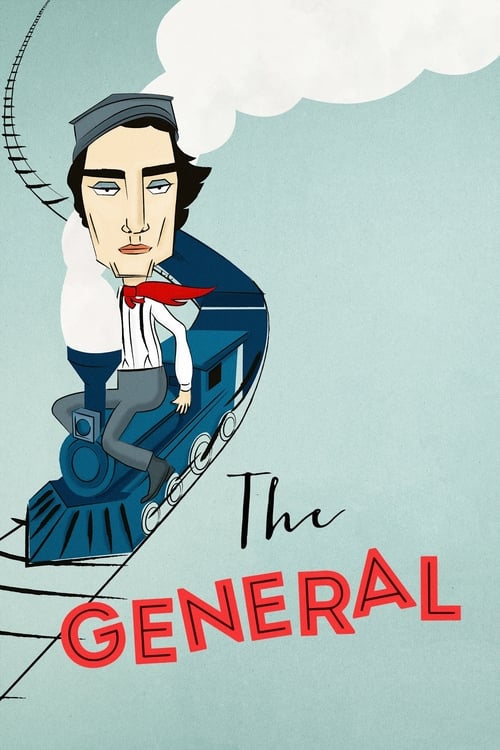
The narrative highlights property rights and individual merit, celebrating technical achievements and moral clarity without critiquing the societal institutions of the time.
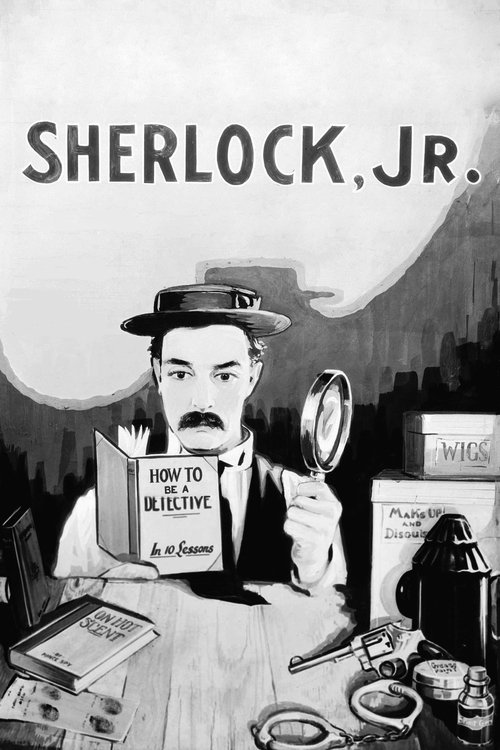
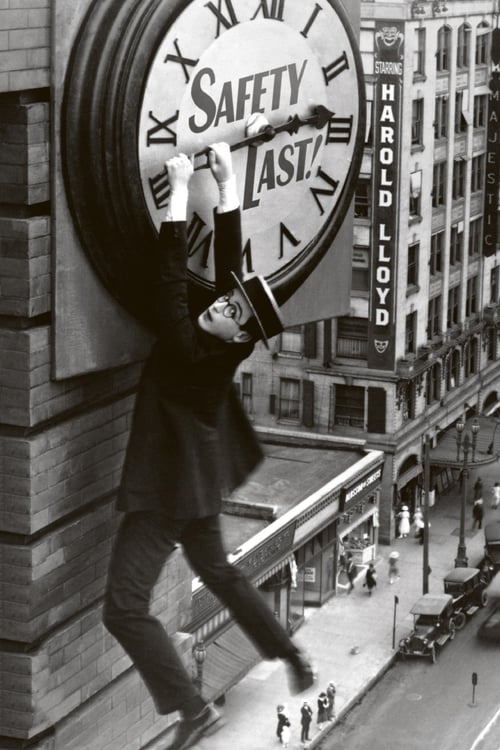
The narrative emphasizes physical comedy and cinematic spectacle, avoiding engagement with religion, capitalism, or Western institutions. It favors personal escapism over social commentary.
The story operates as a standard comedic romp without critiquing Western institutions. It aligns with traditional social aspirations rather than presenting postmodern or anti-capitalist critiques.
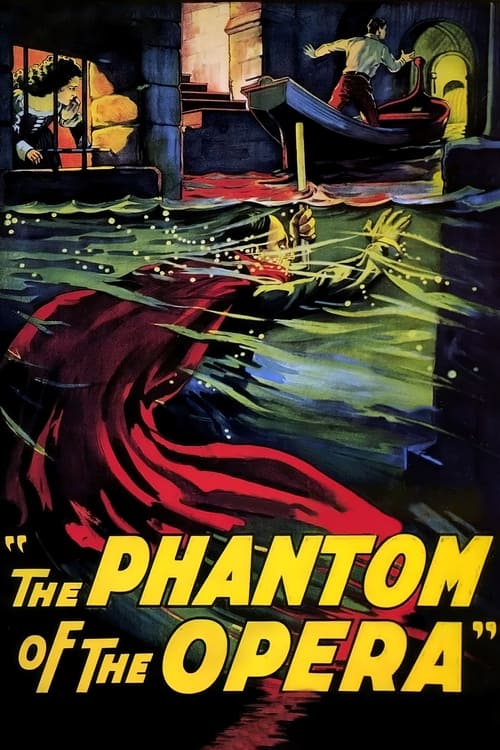
The story functions as a Gothic tragedy rather than a critique of societal institutions. It utilizes the opera house setting to heighten classical melodrama without challenging established norms.
The film presents a traditional morality tale focused on spiritual accountability and repentance. It frames social transgressions as personal moral failures rather than systemic issues.
The movie emphasizes traditional moral boundaries and the sanctity of family life. Religious symbols like the cross serve as tools within a conventional moral framework.
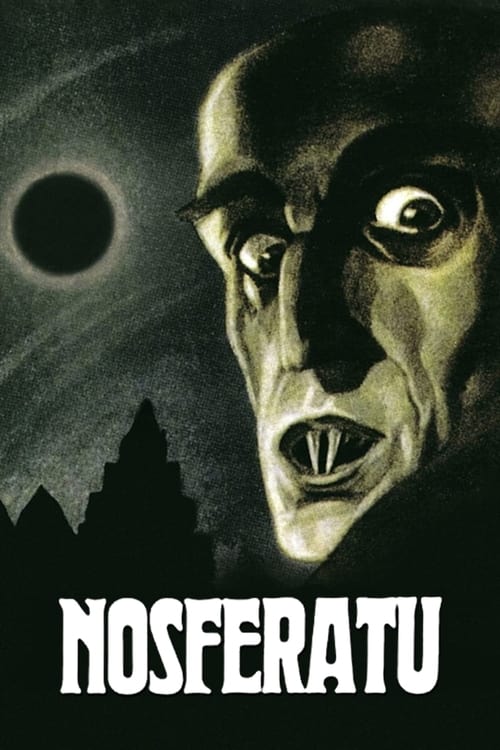
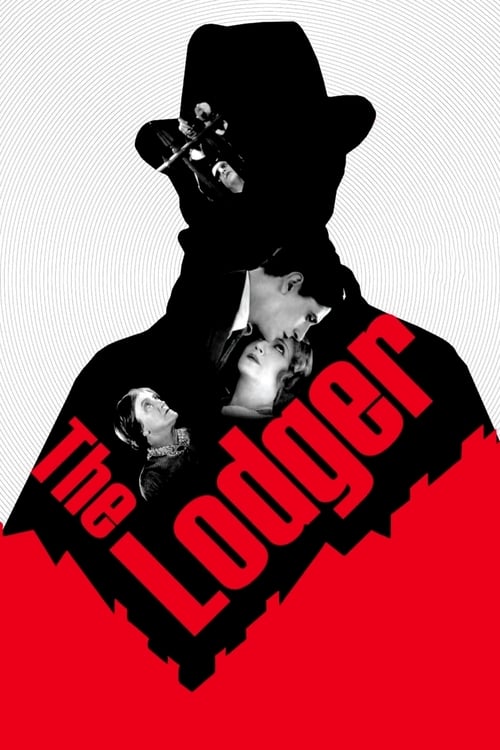
The story unfolds within a traditional Western social order. Tension arises from the fear of an outsider disrupting the established social fabric.
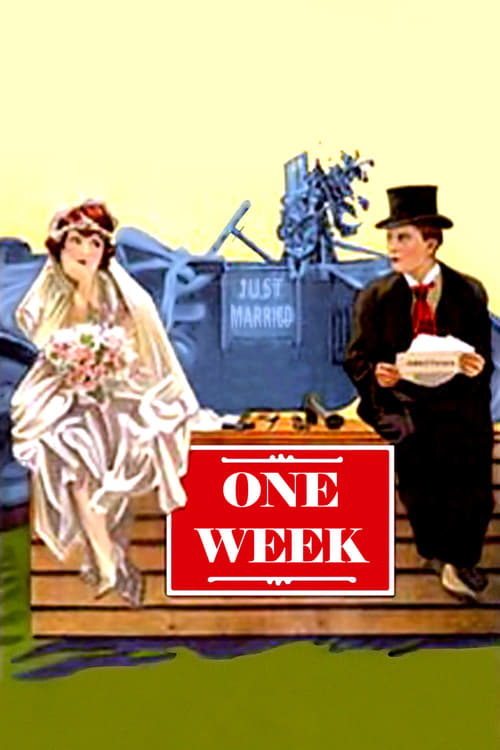
The film portrays a traditional Western domestic ideal centered on marriage and labor, without engaging with diverse cultural perspectives or systemic critiques.
The story emphasizes Western capitalist values and the importance of family stability. Slapstick chaos is used for comedy rather than social commentary.
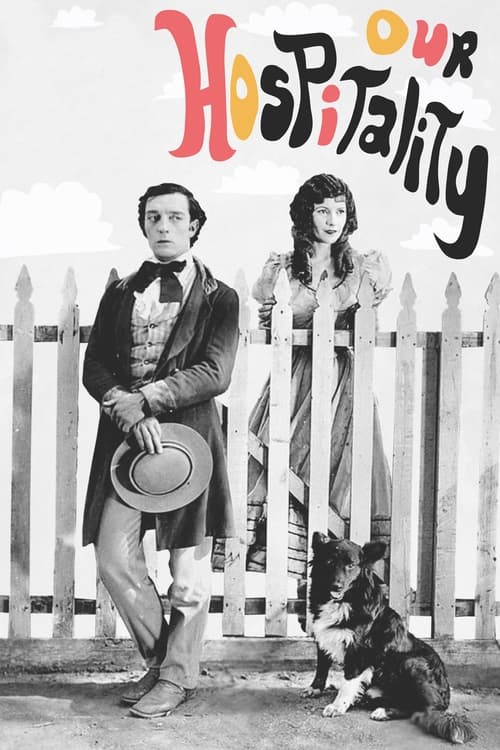
The story centers on traditional Western values of family honor and hospitality. It uses the frontier setting for physical comedy rather than social critique.
The narrative highlights subsistence living and romanticized traditions. It avoids critiquing broader societal issues, focusing instead on the family's struggle to survive in a harsh environment.