
The Band Wagon
1953
No user ratings available yet
Representation score: 0.8 out of 10
Representation Score
Minimal
1952
GDirector
Gene Kelly, Stanley Donen
Runtime
103 minutes
Average Rating
No ratings yetNew Showbiz Analysis
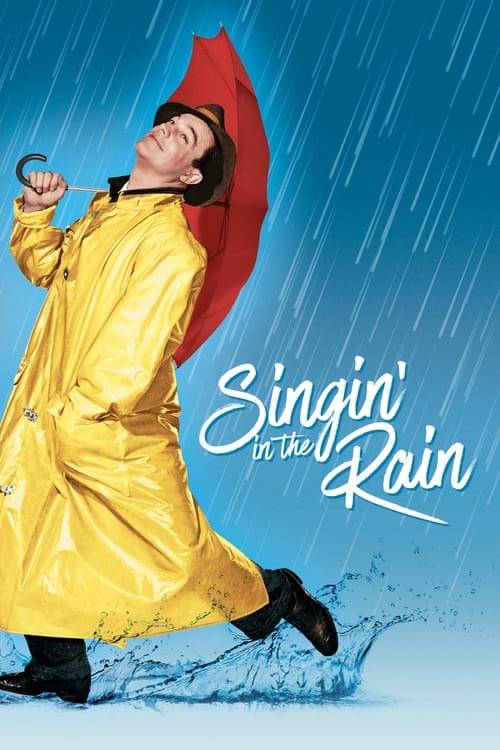
Singin' in the Rain is a showcase of mid-century studio filmmaking that emphasizes technical skill and genre consistency. It celebrates the evolution of cinema through a polished, professional lens. However, the film upholds the social and cultural norms of its time, lacking in-depth exploration of diverse identities. While individual characters exhibit professional competence, the narrative structure adheres to the demographic and social constraints of 1950s Hollywood.
Category Breakdown
The film strictly follows traditional heterosexual romance structures, focusing on the relationship between Don Lockwood and Kathy Selden. There is no representation of LGBTQ+ identities.
Kathy Selden is shown as a capable and professional performer but remains tied to traditional leading lady roles centered around male romantic interests.
The cast and main characters are predominantly white, reflecting the demographic uniformity of 1920s Hollywood. There is a lack of significant minority representation in key roles.
The narrative celebrates the Hollywood studio system and upholds traditional Western ideals of stardom without providing social critiques.
There are no significant portrayals of physical, sensory, or neurodivergent disabilities. Characters are depicted within the typical able-bodied range of the musical genre.
Present on Screen
Limited or Absent
Official Synopsis
In 1927 Hollywood, a silent film star falls for a chorus girl just as he and his paranoid screen partner struggle to make the difficult transition to talking pictures.
1953

1933
1928
1942
1958
1935
1948
1939
No reviews yet. Be the first to share your thoughts on this movie!
Use the rating form above to leave a star rating and optional review.