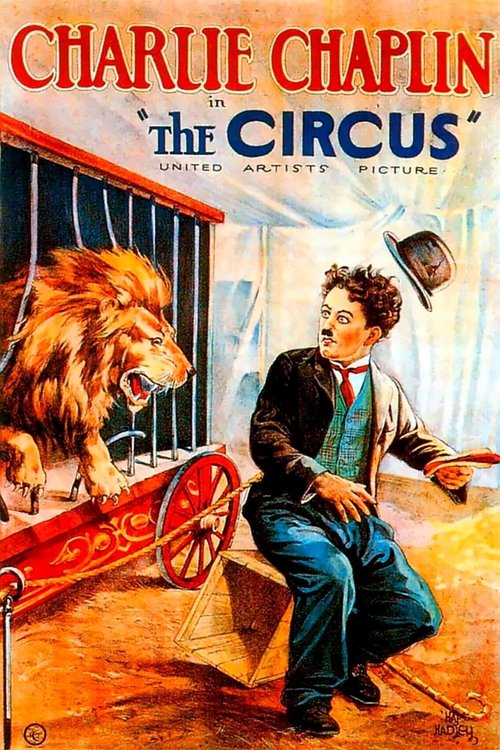
The Circus
1928
No user ratings available yet
Representation score: 3.9 out of 10
Representation Score
Fair
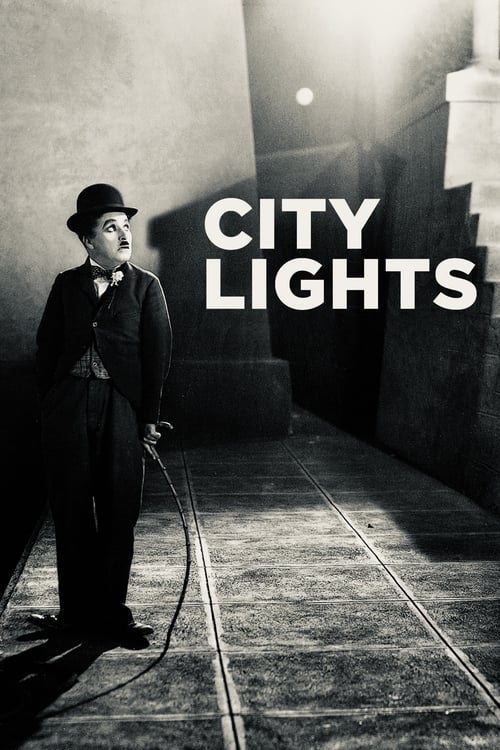
1931
GDirector
Charlie Chaplin
Runtime
87 minutes
Average Rating
No ratings yetNew Showbiz Analysis
City Lights is a nuanced critique of class-based morality that emphasizes human empathy over institutional stability. Though it does not explicitly represent LGBTQ+ or diverse racial groups, it effectively dismantles the legitimacy of rigid class and legal systems. The film's strength lies in its portrayal of individuals navigating indifferent social structures. By focusing on the 'outlaw' as the ethical center, Chaplin challenges the legitimacy of strict class etiquette and legal authority. However, the film's impact is limited by its homogeneous casting and lack of character depth that reflects multiple aspects of identity. The narrative remains centered on a narrow social perspective, despite its successful critique of economic hierarchies.
Category Breakdown
The film does not include any LGBTQ+ characters or non-straight relationships. The romance revolves around a conventional heterosexual relationship.
The movie presents the Tramp as a social outcast compared to wealthy men, challenging traditional hierarchies. The female lead plays a significant role in driving the story.
The cast is fairly uniform, reflecting an early 20th-century urban environment. It avoids offensive racial stereotypes but does not offer characters with diverse backgrounds.
The film sharply criticizes Western institutions and capitalism, highlighting the wealth gap as a systemic issue rather than an individual failing.
The story centers on the flower girl's visual impairment with genuine emotion. It avoids mocking her condition and focuses on the economic barriers to her care.
Present on Screen
Limited or Absent
Official Synopsis
A tramp falls in love with a beautiful blind flower girl. His on-and-off friendship with a wealthy man allows him to be the girl's benefactor and suitor.
1928
1928
1936
1936
1925

1933

1921
1927
No reviews yet. Be the first to share your thoughts on this movie!
Use the rating form above to leave a star rating and optional review.